In This Guide
Okay, let’s talk about it. If you’re up at 3 AM with a fussy baby, desperately searching for answers, you’ve probably asked yourself this exact question: what are the worst months for teething? I remember those nights vividly. The internet is full of vague answers, but the truth is, it’s not about a single calendar month. It’s more like a perfect storm of factors that can make some periods feel absolutely brutal.
Here’s the honest take you won’t find in most parenting pamphlets: the “worst” time is when your baby’s discomfort collides head-on with environmental stressors and developmental leaps. It’s less about January vs. June and more about what else is happening in your baby’s world. So, let’s ditch the oversimplified charts and look at the real, messy picture.
The Core Idea: There isn’t one universally “worst” month. Instead, certain seasons present unique challenges that amplify teething misery for both baby and parent.
Breaking Down the Myth: It’s Not Just About the Tooth
First, we need to clear something up. Teething itself—the tooth breaking through the gum—causes localized discomfort. But what makes parents ask “what are the worst months for teething?” is everything that gets piled on top of that. Think about it. Is a slightly sore gum the real problem at 2 AM? Or is it the combo of sore gums, a stuffy nose from a summer cold, and the frustration of a baby learning to crawl?
Exactly.
The discomfort from teething can make babies more susceptible to feeling other annoyances more intensely. It lowers their threshold for frustration. So when we talk about bad months, we’re really talking about seasons that bring extra physical or environmental hassles into the mix.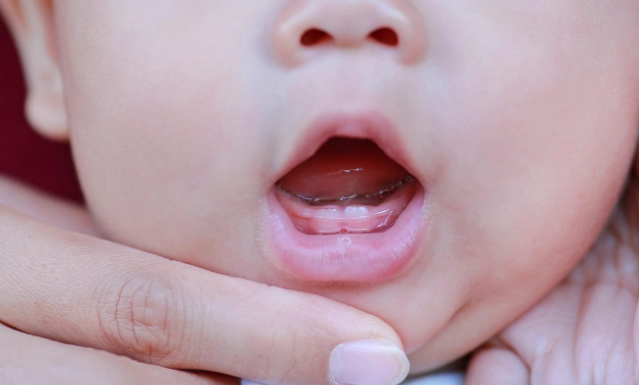
The Seasonal Culprits: When Teething Feels Like a Battle
Let’s walk through the year. You’ll see what I mean.
Summer: The Dehydration & Disruption Double-Whammy
Many parents, myself included, would point to peak summer months—think July and August—as strong contenders for the title of worst months for teething. Why? Heat. Babies are terrible at regulating temperature. Add a low-grade fever (a common, if debated, teething symptom) to a 90-degree day, and you have a recipe for a miserable, sweaty, irritable little human.
Drooling increases with teething, and in the summer, this can lead to rapid fluid loss. Dehydration isn’t just about thirst; it can cause headaches, lethargy, and crankiness, mirroring and amplifying teething symptoms. It becomes a vicious cycle. Furthermore, summer often means travel, disrupted routines, and unfamiliar places. A teething baby thrives on routine. Throwing them off schedule while they’re already uncomfortable is asking for trouble.
I recall one August road trip where my daughter was cutting a molar. The combination of a hot car seat, strange hotel crib, and her aching gums created a perfect storm that nearly made us turn back home. It wasn’t just the tooth; it was the entire context.
Summer Teething Checklist: Hydration is king. Offer water (if pediatrician-approved), breastmilk, or formula more frequently. Cool, soft foods like yogurt or pureed fruit can soothe gums and cool the body. Stick to the nap/bedtime routine as if your sanity depends on it—because it does.
Winter: The “Is It Teething or a Cold?” Confusion
Now, let’s talk about the cold season—December through February. This period is notoriously difficult for a different reason. Teething symptoms (drooling, mild fever, crankiness, disturbed sleep) overlap almost perfectly with early symptoms of common winter viruses.
This creates immense anxiety for parents. You’re left playing a terrible guessing game. Is she fussy because of that canine tooth, or is it the start of RSV? The constant second-guessing is exhausting. The American Academy of Pediatrics (AAP) notes that while teething can cause a slight rise in body temperature, it does not cause a true fever (over 100.4°F). That’s a crucial distinction often lost in the fog of a stressful winter night. You can read more about distinguishing symptoms on the HealthyChildren.org website, a trusted resource from the AAP.
Also, dry winter air from heating systems can irritate already sensitive gums and a drool-rashed chin, making the physical discomfort worse. Babies are often bundled up and less active indoors, which sometimes means they have more focused energy to devote to feeling their discomfort.
| Season | Primary Amplifiers | Parental Challenge | Top Soothing Strategy |
|---|---|---|---|
| Summer (e.g., July, Aug) | Heat & risk of dehydration, disrupted routines, travel. | Managing comfort in heat; maintaining consistency. | Frequent cool fluids; chilled (not frozen) teethers. |
| Winter (e.g., Dec, Feb) | Symptom overlap with colds/flu, dry air, less outdoor time. | Illness vs. teething diagnosis; cabin fever. | Humidifier use; clear symptom monitoring for fever. |
See the pattern? The worst months for teething are when external factors are hardest to control.
The Developmental Wildcard: It’s Never *Just* Teething
This is the part most articles miss. Teething doesn’t happen in a vacuum. It often coincides with massive brain development. Around 6-7 months, when incisors commonly appear, babies are also mastering sitting up. Around 12-18 months, when molars (the real pain-makers) erupt, they’re often learning to walk or talk.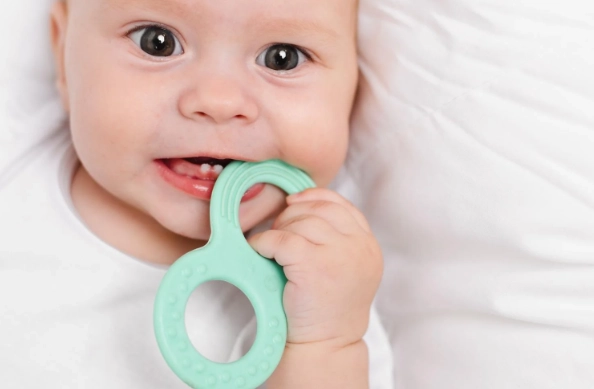
Imagine the frustration. Your brain is screaming “GO! EXPLORE!” but your mouth is screaming “OUCH! MAKE IT STOP!” This cognitive frustration can manifest as extreme fussiness, sleep regression, and clinginess that we blindly attribute only to teething. So, a month with a big developmental leap will feel infinitely worse than a “quiet” month, even if the physical tooth pain is similar.
That’s why asking “what are the worst months for teething?” is a bit of a trap. You should be asking, “What other big changes are happening this month?”
The “Hardest” Teeth: Molars Change the Game
While seasons set the stage, the starring villains are specific teeth. The first teeth (bottom front incisors) are often not that bad. The real drama comes with the first molars (around 12-16 months) and the canines (around 16-23 months).
Molars are broad, flat, and have to push through a larger surface area of gum. They’re simply bigger, and the process seems to take longer. The discomfort can be more sustained. So, if your 14-month-old is cutting molars in the dead of winter while also trying to walk… well, you’ve hit the jackpot of difficult phases. That specific month will likely be your personal “worst month for teething,” regardless of what the calendar says.
Pro Tip: Keep a simple log. Note the date, suspected tooth, symptoms, and any other big changes (e.g., “learned to pull to stand,” “had first cold”). After a few months, you’ll see your baby’s unique pattern, which is far more valuable than any generic online list.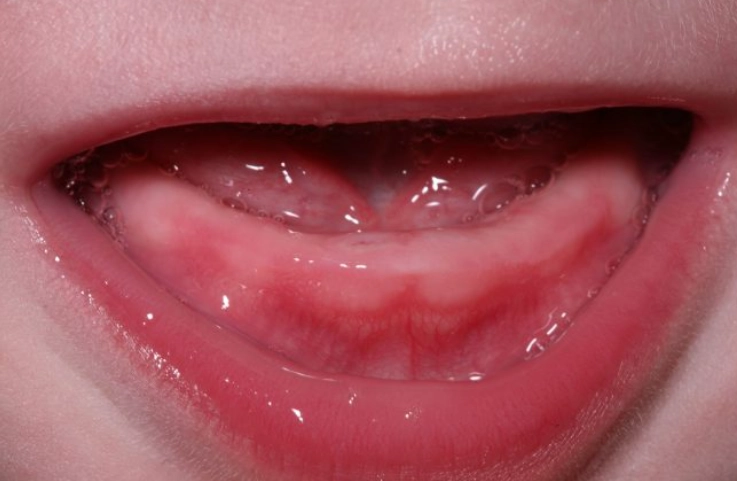
Your Action Plan: Surviving Any “Worst” Month
Knowing why some months are harder is only half the battle. What do you actually do? Here’s a no-nonsense, seasonally-adjusted plan.
For the Soggy, Hot Summer Months:
- Water, Water, Everywhere: Offer small sips of water between milk feeds (for babies over 6 months, as per your pediatrician’s advice). Popsicles made from pureed fruit or breastmilk/formula are a lifesaver.
- Cool the Tools: Store silicone teethers in the fridge (not freezer—too hard!). A cold, wet washcloth is a classic for a reason.
- Protect the Skin: Barrier cream (like petroleum jelly or zinc oxide) around the mouth and chin to prevent drool rash, which is more common in humid heat.
- Routine Anchor: Even on vacation, protect the core sleep routines. The familiarity is comforting.
For the Confusing, Cold Winter Months:
- Become a Symptom Detective: Trust the fever rule. True fever (>100.4°F)? Likely illness. Slight warmth and fussiness? More likely teething. Resources like the Mayo Clinic provide clear guidelines on infant fever, which can help in your assessment.
- Fight Dry Air: Run a cool-mist humidifier in the baby’s room. It helps soothe irritated nasal passages and gums.
- Comfort, Not Medication: For genuine teething pain, use appropriate pain relief (like infant acetaminophen or ibuprofen) under your doctor’s guidance, but don’t use it to mask potential illness symptoms.
- Indoor Distraction: New, engaging indoor activities (sensory bags, new books) can help distract from the discomfort.
The goal isn’t to eliminate the discomfort—that’s impossible. The goal is to prevent the extra, avoidable layers of misery that transform a tough few days into a “worst month” experience.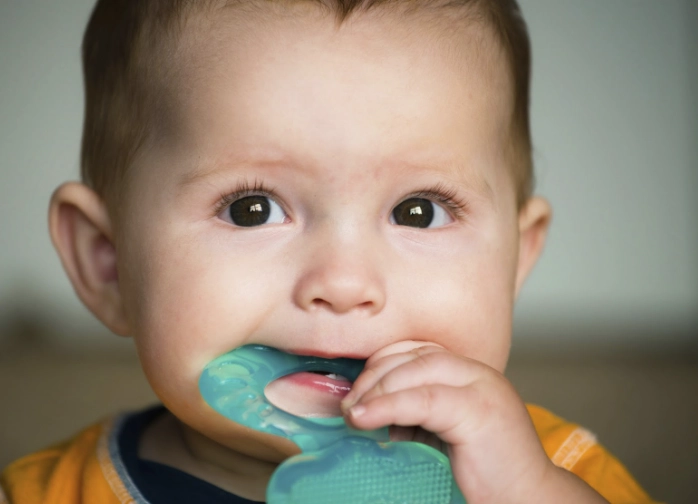
Common Questions (The Ones You’re Actually Searching)
Wrapping It Up: Your Mindset Matters Most
So, what are the worst months for teething? For my family, it was always a humid August or a bleak January when a cold was going around the daycare. But your answer will be different.
The key takeaway isn’t to dread July or February. It’s to understand that teething discomfort is a base layer. Your job is to manage the top layers—the season, the routine, the developmental leap. Arm yourself with knowledge: know the fever threshold, prioritize hydration, and protect sleep. Most importantly, give yourself grace. A teething baby in a difficult month is hard. It’s okay to feel overwhelmed.
It’s a phase. A tough, drooly, sleepless phase. But by understanding the why behind the worst months for teething, you can stop fighting phantom calendars and start tackling the real, manageable factors that are making it harder. You’ve got this.