Quick Overview
So you've finished your braces or Invisalign treatment. Your teeth are perfectly straight, and you're thrilled. The orthodontist hands you a retainer with strict instructions to wear it. But let's be honest, retainers can be a hassle. They're easy to forget, sometimes uncomfortable, and you might start wondering... is this really necessary? What's the worst that could happen if I just... stop?
The short, uncomfortable answer is: your teeth will move back. And they often start moving much faster than you'd think.
I've talked to so many people who learned this the hard way. A friend of mine thought she could take a "few months off" after her braces came off. By the time she tried to put her retainer back in, it was a no-go. It wouldn't fit. That was a wake-up call, and an expensive one, leading to a discussion about another round of treatment. It's a common story, unfortunately.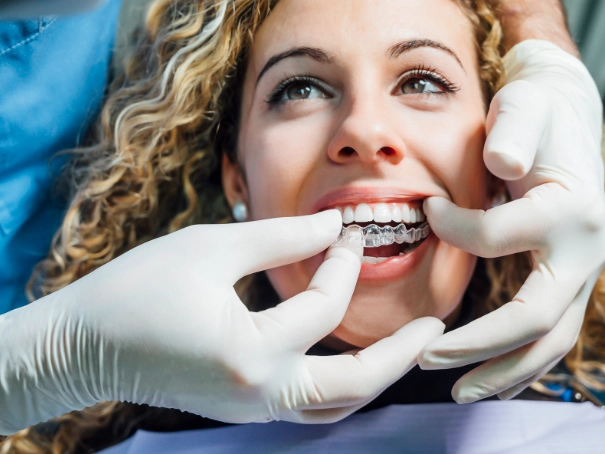
The core question everyone has is: How fast do teeth shift without a retainer? Is it a slow, gradual drift over decades, or can significant changes happen in a matter of weeks? The truth lies somewhere in between, and it depends on a whole bunch of factors unique to you.
Let's get this out of the way first: The idea that teeth are "fixed" and immobile after orthodontic treatment is a complete myth. Teeth are held in bone by elastic ligaments, and they are always subject to forces—from your tongue, your lips, chewing, and even new wisdom teeth. Without a retainer to hold them in their new, ideal position, they will naturally seek their old, crooked positions. This process is called orthodontic relapse.
The Relapse Timeline: From Days to Decades
Asking "how fast do teeth shift without a retainer?" is like asking how fast ice melts. It depends on the temperature. For teeth, the "temperature" is a mix of your biology, your treatment history, and your habits. But we can outline a general timeline based on clinical observation and patient reports.
The First Few Weeks to Months: The Critical Period
This is when the most dramatic and noticeable shifting can occur. The bone and gums around your teeth are still adapting and healing from the recent movement. The memory of their old position is strongest.
If you completely abandon your retainer right after treatment, you might notice subtle changes within days. Your retainer might start to feel a little tight when you put it in at night. That tightness is the first sign of movement.
Within 3 to 4 weeks, the shift can be significant enough that the retainer becomes difficult or impossible to seat fully. You might feel pressure or even pain trying to force it on. This is a major red flag.
By the 3-month mark without a retainer, many people will see visible changes. A front tooth might start to rotate slightly. A small gap might reappear. The changes might not be obvious to others yet, but you will see them in the mirror, and your bite might feel subtly different.
The First Year: Settling Into a New (Crooked) Normal
If you make it past the first few months without a retainer and your teeth haven't locked into a terrible position, the rate of change often slows down. But it doesn't stop.
Over the next 6-9 months, the initial rapid relapse stabilizes into a slower, steady drift. The teeth are finding a new equilibrium based on the current pressures in your mouth. This is often when people who skipped their retainer think, "Oh, it's not so bad. They've only moved a little." That "little" movement, however, is the new baseline from which future shifting will occur.
So, how fast do teeth shift without a retainer after the first year? The pace is slower, but it's relentless.
Years Later: The Long, Slow Drift
This is where people get confused. They think if they got away with minimal shifting after a year or two, they're in the clear. Not even close.
Over 5, 10, or 20 years, the cumulative effect of this slow drift can be dramatic. What was a barely noticeable rotation at year two can become a clearly crooked tooth at year ten. Crowding often reappears in the lower front teeth first, as the jaw continues to change subtly with age. The American Association of Orthodontists (AAO) essentially considers retention a lifelong commitment, and for good reason.
The long-term study data is clear: without retention, there is a statistically significant tendency for teeth to return toward their pre-treatment positions. It's not a guarantee for every single tooth, but the trend is strong enough to make retainers non-optional.

What Makes Teeth Shift Faster or Slower?
Okay, so we know teeth move. But why does it seem to happen lightning-fast for some people and at a snail's pace for others? Your personal relapse speed depends on several key factors.
- Your Age During Treatment: This is a big one. Younger patients (teens, early 20s) often have more elastic, responsive tissues. Their teeth can move into position quickly with braces, but they can also relapse back quickly without retention. Older adults might have slower initial relapse but are still absolutely susceptible to long-term shifting.
- Original Severity of Misalignment: If you had severely crowded teeth or a large overjet that was corrected, the forces trying to pull them back to that old position are stronger. The "memory" in the bone and gum tissues is more pronounced.
- Type of Treatment: Some complex movements, like closing large gaps or rotating rounded teeth, are less stable and more prone to relapse. Your orthodontist might have warned you about specific teeth that need extra attention.
- Wisdom Teeth: While the evidence is mixed on whether they directly cause crowding, emerging wisdom teeth can exert pressure. If you still have them, they can be a contributing factor to late-stage shifting, adding another variable to the "how fast" equation.
- Oral Habits: Do you push your tongue against your teeth when you swallow (tongue thrust)? Do you grind or clench your teeth (bruxism)? These habits exert constant, significant force that can dramatically accelerate unwanted movement, retainer or no retainer. A nightguard might be needed in addition to a retainer.
- Gum and Bone Health: Healthy, strong periodontal ligaments and bone provide more stability. Conditions that affect gum health could potentially influence how easily teeth move.
See what I mean? It's personal. Someone with a minor spacing issue treated in their 30s with no wisdom teeth and no oral habits might see very slow shifting. A teenager who had major crowding corrected, still has wisdom teeth coming in, and has a tongue thrust habit? Their teeth might race back to their old positions in a matter of months if the retainer is abandoned.
Can You Stop It? Realistic Prevention Strategies
Knowing how fast teeth shift without a retainer is scary, but the prevention is straightforward (if not always easy): wear your retainer as directed. But let's talk about what that really means, because the "as directed" part changes over time.
The Gold Standard: Types of Retainers
You usually have options, each with pros and cons for compliance and effectiveness.
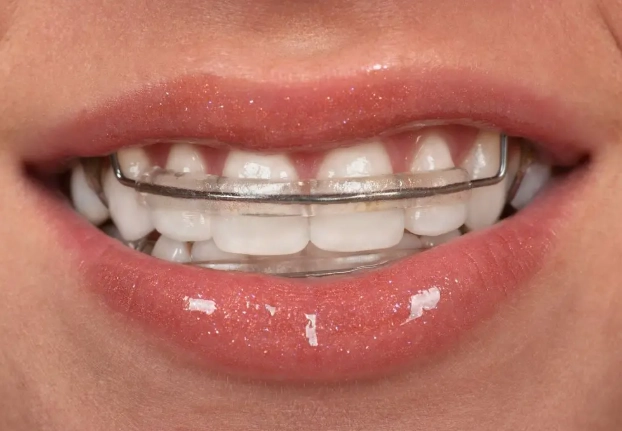
Hawley Retainers: The classic acrylic-and-wire removable retainer. Durable, adjustable, but bulky and can affect speech slightly.
Essix Retainers: Clear plastic vacuum-formed retainers, similar to Invisalign aligners. Less noticeable, but can wear out and crack every few years. They provide excellent full-coverage retention.
Bonded (Permanent/Fixed) Retainers: A thin wire bonded to the back of your teeth, usually on the lower front six teeth. It's always there, working 24/7. This is fantastic for preventing lower incisor crowding, which is notoriously prone to relapse. The downside? Flossing is harder, and it can break without you noticing immediately.
A common strategy: Many orthodontists use a combination—a bonded retainer on the bottom for long-term security and clear removable retainers for the top arch. This addresses the most common relapse patterns while giving you a break from wearing a removable piece on the bottom.
The Wearing Schedule: It's Not Forever (The Same Way)
Immediately after braces: You'll likely be told to wear your removable retainers full-time (22+ hours a day), just like aligners, for at least 3-6 months.
After the initial period: You typically graduate to nighttime-only wear. Every night. No excuses.
Years down the line: The schedule might relax further for some people to every other night or a few nights a week. But here's the personal opinion part: I think this is risky. My own approach, and what many experts suggest, is to stick with nightly wear indefinitely. It's just a simpler habit. If you start skipping nights, it's a slippery slope to forgetting for a week, then a month... and then you're back to wondering how fast your teeth will shift.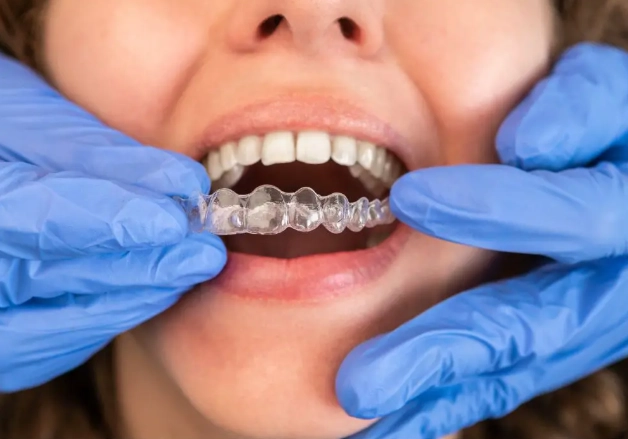
Pro Tip: If your old retainer feels tight, that's a sign your teeth have shifted. Don't force it! Wear it for as long as you can tolerate it that night. The next night, it should fit a little better. If it's consistently painful or won't seat, see your orthodontist. You might need a new retainer or a minor adjustment.
What If It's Already Happened? Damage Control
Maybe you're reading this because you already skipped the retainer and see the changes. Don't panic. The solution depends on how far things have moved.
Minor Shifting: If it's been a few weeks or months and the retainer is just snug, disciplined wear might guide them back. But it's not guaranteed.
Moderate Shifting: If the retainer doesn't fit at all, you've crossed a threshold. Trying to force an old retainer can actually move teeth into worse positions. You'll likely need to see your orthodontist. They might take new impressions and make a new retainer that fits your teeth's current, slightly-relapsed position. This "holds the line" and prevents further worsening. Accepting this new, slightly less-than-perfect position is often the most realistic outcome.
Significant Relapse: If you're deeply unhappy with the look and your bite is off, you may be looking at a second round of orthodontics. This could be a short-term treatment with clear aligners (like Invisalign) to correct the relapse, or in some cases, another full treatment. It's frustrating and expensive, which is why prevention is worth the hassle.
Answering Your Burning Questions
Let's tackle some specific questions that pop up when people search for information on this topic.
Noticeably? No. But the biological process of relapse is continuous. That feeling of tightness when you put in a retainer after skipping just one night is proof that micro-movements have started. So while you won't wake up with a crooked tooth from one night, you are starting the clock.
If you've gone 10 years without a retainer, the major shifting has likely already happened and stabilized in a new, relapsed position. The question then becomes about age-related changes (like continued lower incisor crowding) rather than acute orthodontic relapse. The movement is now part of a slower, lifelong aging process of the mouth.
It's never "too late" to try to stabilize what you have. Even if you're 40 and haven't worn a retainer in 20 years, getting a new one made can prevent future age-related shifting. It won't reverse the existing relapse, but it can stop it from getting worse, which is still valuable.
In a word, yes. The concept of "permanent retention" is becoming the standard of care. For some teeth, like those lower front ones, the relapse tendency is lifelong. The scientific literature supports this. "For life" might mean a bonded wire, or it might mean nightly wear of a removable retainer indefinitely. The commitment is the price of keeping your straight smile.
I wish. Some people mention tongue posture or mewing. While proper oral posture is important for overall development, there is zero credible evidence that it can replace a mechanical retainer in holding teeth after orthodontic treatment. The forces from a retainer are precise and constant in a way that biological forces are not. Don't gamble your investment on unproven theories.
Final Thoughts: It's a Marathon, Not a Sprint
Orthodontic treatment is a massive investment of time, money, and patience. It seems almost cruel that the work isn't permanently "done" when the braces come off. I get the annoyance. Retainers feel like a chore with no end in sight.
But after seeing and hearing about so many cases of relapse, my perspective changed. The retainer isn't a nuisance; it's the final, crucial piece of the treatment. It's the insurance policy on your beautiful smile.
So, how fast do teeth shift without a retainer? Fast enough to ruin your results in a matter of months, and slowly enough to lull you into a false sense of security over years. The speed is deceptive, but the end result is the same: a reversal of all that hard work.
Make peace with your retainer. Put it next to your toothbrush. Build the habit. Your future self, looking at a still-straight smile in the mirror decades from now, will be incredibly grateful you did.