Quick Guide
- What Exactly Are Braces, and How Do They Work?
- The Big Decision: Exploring Your Braces Treatment Options
- How to Actually Choose the Right Braces Treatment for You
- The Real Deal: What the Braces Treatment Process Feels Like
- Survival Kit: Essential Tips for Life During Braces Treatment
- The Million-Dollar Question: How Much Does Braces Treatment Cost?
- Life After Braces: Retainers Are Forever
- Your Braces Treatment Questions, Answered Honestly
- Final Thoughts: Is Braces Treatment Worth It?
Let's be honest. The thought of getting braces can feel overwhelming. I remember scrolling through forums late at night, my mind buzzing with questions. How much will it hurt? How long will it take? And, the big one, how much is this going to cost me? The information out there is either too technical, feels like a sales pitch, or is just plain confusing.
This guide is different. I've talked to orthodontists, read through studies from places like the American Association of Orthodontists (AAO), and most importantly, listened to people who've actually been through it. Think of this as a long chat with a friend who did all the homework, so you don't have to sift through the noise. We're going to walk through everything—from the different types of braces to the reality of life with them, all the way to that magical reveal day.
What Exactly Are Braces, and How Do They Work?
It's easy to think of braces as just metal brackets and wires, but the science behind them is pretty clever. At its core, braces treatment is a controlled process of applying gentle, steady pressure to your teeth over a long period. This pressure signals your body to remodel the bone around the tooth roots. The bone on one side dissolves (a process called resorption), allowing the tooth to move, and new bone fills in behind it (deposition).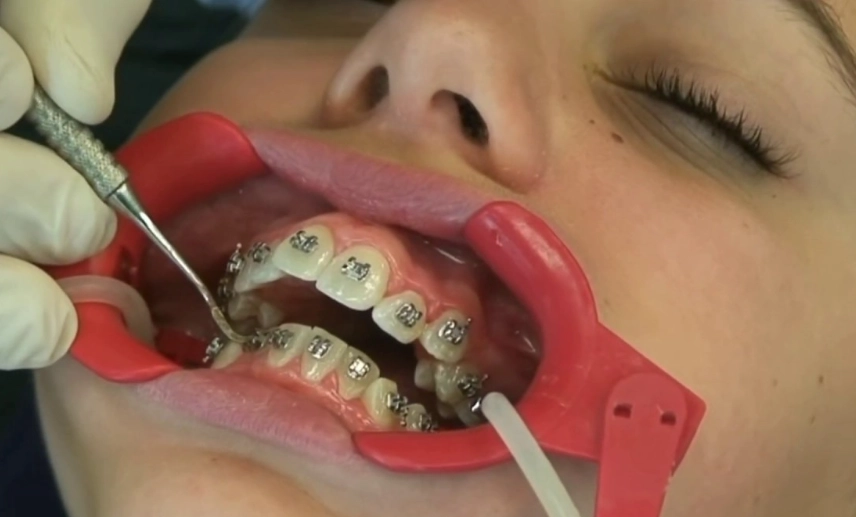
It's not magic—it's biology. And it requires patience because moving bone safely takes time. Rushing it can cause serious problems like root damage.
So, the wire isn't just pushing. It's guiding.
The main components are the brackets (glued to each tooth), the archwire (the main wire that connects them and provides the guiding force), and ligatures (the tiny elastics or ties that hold the wire to the brackets, though some modern systems are self-ligating). Every adjustment appointment is essentially about tightening or changing this system to apply pressure in a new, calculated direction.
The Big Decision: Exploring Your Braces Treatment Options
This is where most people get stuck. The choices have exploded in the last decade, and each option comes with its own pros, cons, and price tag. Let's break them down without the marketing fluff.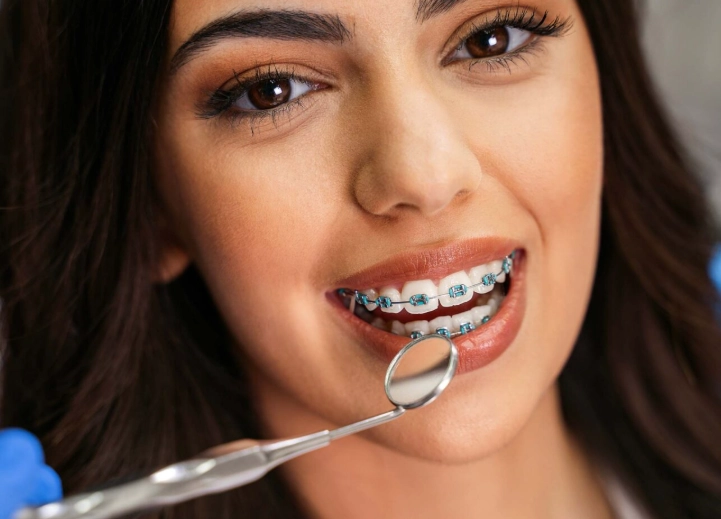
Traditional Metal Braces
The classic. They've been around forever for a reason: they're incredibly effective, reliable, and can handle the most complex cases. The metal brackets and wires are stronger than other options, giving the orthodontist maximum control.
Modern metal braces are smaller and smoother than the train-track image you might have. You can also get colored ligatures, which a lot of kids and teens actually love—it becomes a style accessory.
Ceramic ("Clear") Braces
These work exactly like metal braces, but the brackets are made of a tooth-colored or clear ceramic material. They blend in much better, making them a popular choice for adults and image-conscious teens.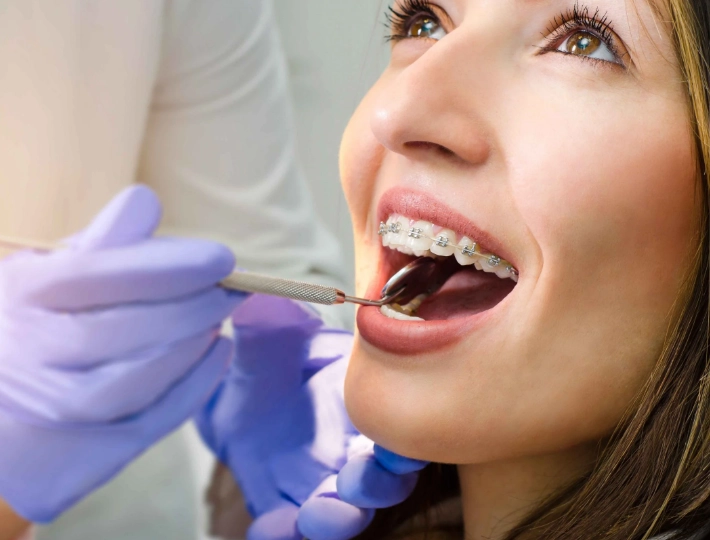
Lingual Braces
These are the ultimate in invisibility. The brackets and wires are custom-made and bonded to the *back* (lingual side) of your teeth. Nobody can see them unless you stick your tongue out and lean way back.
But here's the real talk nobody tells you upfront. A friend of mine got them, and the first month was rough. Your tongue has to get used to this new landscape, which can affect speech temporarily and cause some irritation. They can also be trickier to clean. They are fantastic for certain people, but they're not for everyone and are typically the most expensive form of fixed brace treatment.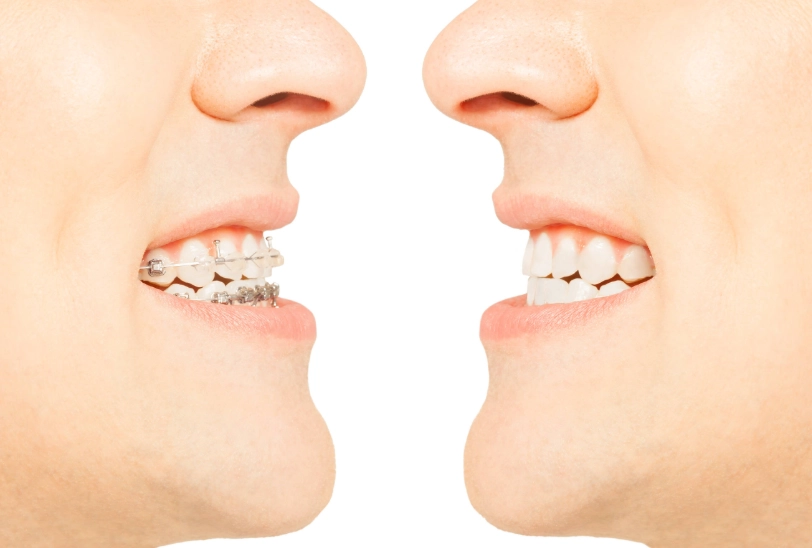
Clear Aligners (e.g., Invisalign)
The most discreet option of all. A series of clear, removable plastic trays that you switch out every week or two. They've revolutionized adult orthodontics.
Not all clear aligner treatments are created equal. An orthodontist-managed Invisalign plan is different from some direct-to-consumer mail-order kits. The latter often lack professional oversight for your bite and root health, which is a risk I wouldn't take. The AAO has clear guidance on this.
| Type of Braces | Visibility | Estimated Cost Range (Full Treatment)* | Best For | Key Consideration |
|---|---|---|---|---|
| Traditional Metal | High | $3,000 - $7,000 | All cases, especially complex; budget-conscious patients; kids/teens. | Most affordable & predictable. |
| Ceramic Braces | Low-Moderate | $4,000 - $8,000 | Adults & teens wanting a less noticeable fixed option. | Staining of ties possible; more fragile than metal. |
| Lingual Braces | Hidden | $8,000 - $10,000+ | Maximum discretion for complex cases not suited for aligners. | Highest cost; adaptation period for tongue/speech. |
| Clear Aligners (e.g., Invisalign) | Very Low | $4,000 - $8,000 | Mild to moderate cases; disciplined adults prioritizing removability. | Requires extreme consistency (22 hrs/day). |
*Costs are nationwide US averages. They vary wildly by region, case complexity, and orthodontist. Always get 2-3 consultations.
How to Actually Choose the Right Braces Treatment for You
With all those options, how do you pick? Don't start with the type. Start with these steps.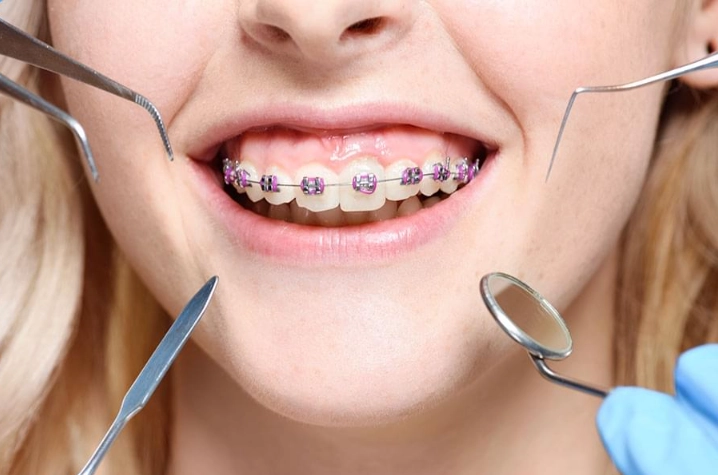
First, get multiple consultations. I can't stress this enough. See at least two, preferably three, orthodontists. You'll learn something different from each. One might be more aggressive with extractions, another might propose a different timeline. Compare their proposed plans, not just their prices.
Second, be brutally honest about your lifestyle. If you're a coffee-guzzling, snack-loving person who hates extra steps, the discipline required for clear aligners might be your downfall. If you're a musician who plays a wind instrument, lingual braces might be a nightmare. If you just want the most efficient path to straight teeth and don't mind the look, metal could be your best friend.
Third, ask about the total treatment time for each option. For the same case, clear aligners might take a few months longer than traditional braces. Is that trade-off for invisibility worth it to you?
The orthodontist's experience with a particular system matters too. An expert in lingual braces is a better choice for that path than someone who mostly does metal.
The Real Deal: What the Braces Treatment Process Feels Like
Let's walk through the journey, minus the sugar-coating.
Before Getting Them On
You'll likely need records taken: X-rays, photos, and molds or a digital scan of your teeth. This helps the orthodontist craft your precise plan. If you have significant crowding, you might need teeth extracted (usually premolars) to create space. This sounds scarier than it is—it's a common procedure done by your dentist or oral surgeon.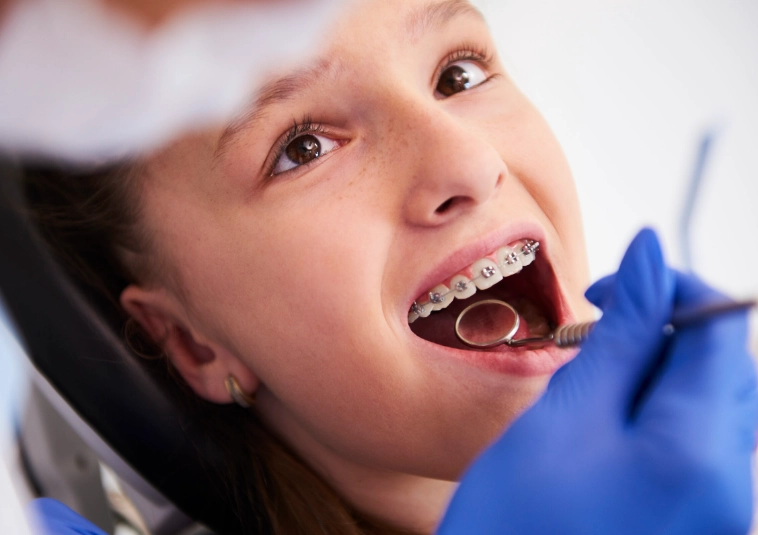
Getting Them On (The Bonding Appointment)
This takes 1-2 hours. It doesn't hurt. It's just... weird. Your teeth are cleaned, conditioned, and the brackets are glued on. Then the wire is threaded through and secured. You'll leave feeling like you have a mouthful of hardware.
The First Week: The Adjustment Period
This is the hardest part. The real pain or, more accurately, a deep, constant soreness, usually kicks in 4-6 hours after the appointment and peaks around day 2-3. Your teeth feel tender and loose. Eating is a challenge.
You'll also get canker sores. It's almost a guarantee as your cheeks and lips adjust to the new friction. Orthodontic wax is a lifesaver—roll a tiny ball and cover the offending bracket. Your mouth toughens up in a week or two.
Regular Life and Adjustment Appointments
After the first week, you mostly forget they're there, except when eating and cleaning. You'll have adjustment appointments every 4-8 weeks. These are quick (20-30 mins). The orthodontist might change the wire, tighten ligatures, or add new components like elastics (rubber bands) to correct your bite.
Expect 1-3 days of mild soreness after each adjustment. It's a reminder things are moving!
Survival Kit: Essential Tips for Life During Braces Treatment
- The Cleaning Arsenal: You need an orthodontic toothbrush (with a groove in the middle), proxy brushes ("Christmas tree" brushes) to get under the wire, and a water flosser. Flossing with thread is a chore with braces; a water flosser makes it 90% easier and is worth every penny to prevent cavities and gum issues.
- Foods to Avoid: This isn't just about sugar. You must avoid anything hard, sticky, or chewy that can break a bracket or bend a wire. That means no whole apples (cut them), no caramel, no nuts, no hard pretzels, no chewing ice, no corn on the cob, no bagels you tear with your teeth. A broken bracket means an extra visit and can delay treatment.
- Dealing with Discomfort: Orthodontic wax for sores. Over-the-counter pain meds for adjustment soreness. A saltwater rinse (warm water + salt) is incredibly soothing for irritated gums and sores.
The Million-Dollar Question: How Much Does Braces Treatment Cost?
This is the biggest stressor. In the US, full comprehensive orthodontic treatment typically ranges from $3,000 to over $10,000. The national average often quoted is around $5,000-$6,000. But that number is almost meaningless without context.
What drives the cost?
- Case Complexity: A simple 12-month treatment for minor crowding costs far less than a 30-month treatment involving jaw alignment, extractions, and headgear.
- Type of Appliance: As the table shows, lingual and ceramic cost more than metal.
- Geographic Location: Costs in NYC or San Francisco are higher than in a midwestern suburb.
- The Orthodontist's Experience: Highly sought-after specialists often charge more.
Most orthodontic offices offer payment plans. They often have in-house financing with low or no interest if you pay within the treatment period. Third-party medical credit lines (like CareCredit) are another option, but read the fine print on deferred interest.
Life After Braces: Retainers Are Forever
This is the most critical part that people underestimate. The day your braces come off is not the end. Your teeth have memory and will try to shift back for the rest of your life.
You will get retainers. Usually, you'll get a fixed (bonded) wire retainer behind your front teeth, and a removable clear or Hawley retainer to wear at night. The removable one, you must wear as directed—typically every night for the first year, then several nights a week indefinitely. I know adults who stopped wearing theirs and had to get braces again in their 40s. It happens all the time.
Retainers are part of the total braces treatment cost and care plan. Don't skip this step.
Your Braces Treatment Questions, Answered Honestly
Final Thoughts: Is Braces Treatment Worth It?
Looking back on the research and conversations, the answer from nearly everyone who completed it is a resounding yes. But it's a "yes" with caveats.
It's a significant investment of time, money, and daily effort. There are moments of frustration—a broken bracket before a big event, the hassle of cleaning, the dietary restrictions.
But the payoff isn't just cosmetic. Properly aligned teeth are easier to clean, reducing your lifelong risk of cavities and gum disease. A corrected bite can alleviate jaw pain (TMJ), reduce abnormal wear on tooth enamel, and even improve chewing function. The boost in confidence is a very real psychological benefit.
The key is going in with your eyes wide open. Know what each option truly entails. Get those consultations. Ask every question that pops into your head, no matter how silly it seems. A good orthodontist will welcome them.
Your journey to a healthier, straighter smile is a marathon, not a sprint. But with the right information and the right professional by your side, every step of the braces treatment process becomes manageable. And that final result? Seeing a smile you're genuinely proud of? From what I've heard, it makes every bit of the journey worthwhile.