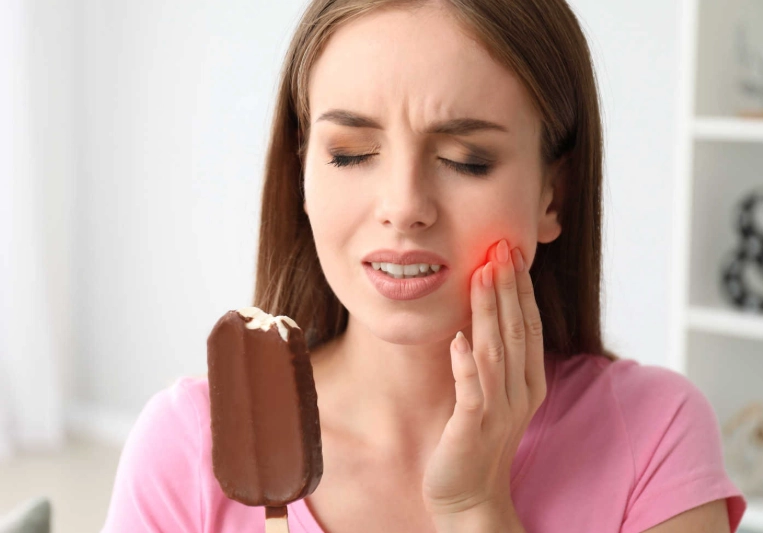
If you’ve ever winced after a sip of ice water or avoided cold foods altogether, you’re not alone. Cold sensitive teeth affect millions, but here’s the kicker: most people misunderstand the root causes and end up with temporary fixes that don’t last. I’ve seen this in my years of dental consulting—patients come in frustrated, having tried every toothpaste on the shelf with little relief. The truth is, sensitivity to cold isn’t just a minor annoyance; it’s often a sign of underlying dental issues that need addressing. In this guide, I’ll walk you through what really causes cold tooth sensitivity, how to treat it effectively, and ways to prevent it from coming back. Let’s dive in.
In This Article: Your Roadmap to Relief
- What Cold Tooth Sensitivity Really Means
- The Real Causes of Cold Sensitive Teeth (Most People Get This Wrong)
- How to Diagnose Cold Sensitivity – At Home and With a Dentist
- Treatment Options: From Quick Fixes to Long-Term Solutions
- Prevention: Stop Sensitivity Before It Starts
- FAQ: Answering Your Top Questions on Cold Sensitive Teeth
What Cold Tooth Sensitivity Really Means
Cold sensitive teeth occur when the inner layer of your tooth, called dentin, becomes exposed. Dentin is full of tiny tubes that lead to the nerve center. When cold stimuli hit these tubes, it triggers pain—that sharp, sudden zing you feel. It’s not just about temperature; it’s a warning sign from your body. Many think it’s normal aging, but I’ve treated young adults with severe sensitivity due to habits like aggressive brushing. The American Dental Association notes that sensitivity can stem from multiple factors, and ignoring it might lead to bigger problems like decay or gum disease.
The Real Causes of Cold Sensitive Teeth (Most People Get This Wrong)
Here’s where things get interesting. Most blogs list the usual suspects: gum recession, enamel wear, cavities. But after a decade in the field, I’ve noticed a subtle error—people overlook the cumulative effect of acidic diets. Sure, brushing too hard is bad, but sipping lemon water daily can erode enamel slowly, making teeth sensitive to cold over time. Let’s break it down:
- Gum recession: When gums pull back, roots get exposed. This is common with aging or periodontal disease, but I’ve seen it in 30-year-olds due to poor flossing habits.
- Enamel erosion: Acidic foods and drinks (think soda, wine, citrus) wear down the protective layer. A study from the Journal of the American Dental Association highlights that dietary acids are a leading cause of sensitivity in adults.
- Tooth decay or cracks: Cavities or hairline fractures can expose dentin. One patient thought her sensitivity was from whitening toothpaste, but an X-ray revealed a small crack from chewing ice.
- Overuse of whitening products: This is a big one. Whitening agents can temporarily increase sensitivity, but many don’t realize that frequent use without professional guidance damages enamel.
I recall a case where a client avoided cold drinks for months, only to find out her sensitivity was worsened by a new electric toothbrush set too high. It’s these little things that add up.
How to Diagnose Cold Sensitivity – At Home and With a Dentist
Before rushing to treatments, you need to pinpoint the cause. Dentists use tools like dental probes and X-rays, but you can start at home. Try this: note when the sensitivity occurs—is it only with cold liquids, or also with sweet foods? If it’s localized to one tooth, it might be a cavity. If it’s widespread, enamel erosion could be the culprit. A common mistake is self-diagnosing with online advice and delaying a dental visit. I’ve seen patients try home remedies for weeks, only to need a root canal because the issue was deeper. Schedule a check-up if sensitivity persists more than a few days; early diagnosis saves time and money.
Treatment Options: From Quick Fixes to Long-Term Solutions
Treatment depends on the cause. Don’t just grab a sensitive toothpaste—understand what you’re dealing with. Here’s a breakdown:
Professional Dental Treatments
If the cause is structural, a dentist might recommend:
- Fluoride varnish or gel: Applied in-office, it strengthens enamel and reduces sensitivity. It’s quick and often covered by insurance.
- Dental bonding or sealants: For exposed roots or small cracks, a resin coating can protect the area. I’ve had patients report relief within days.
- Root canal therapy: In severe cases where the nerve is damaged, this removes the source of pain. It’s a last resort, but effective.
Over-the-Counter Products and Home Remedies
For mild sensitivity, these can help:
| Product Type | How It Works | Effectiveness Note |
|---|---|---|
| Sensitive Toothpaste (e.g., with potassium nitrate) | Blocks pain signals in the dentin tubes | Takes 2-4 weeks of regular use; avoid whitening versions if sensitive |
| Desensitizing Mouthwash | Contains fluoride or other agents to coat teeth | Use daily, but not a substitute for toothpaste |
| Soft-Bristled Toothbrush | Reduces enamel abrasion during brushing | Switch immediately if you use medium or hard bristles |
One home remedy I suggest: rinse with salt water (half teaspoon in warm water) twice a day—it reduces inflammation naturally. But remember, these are bandaids if the root cause isn’t addressed.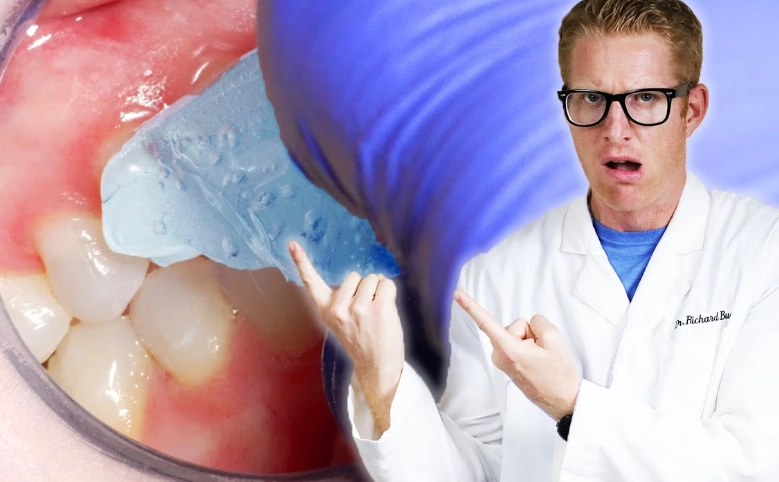
Expert tip: Many sensitive toothpastes claim instant relief, but they often contain abrasives that can worsen enamel wear over time. Look for ones with the ADA Seal of Acceptance, and pair them with gentle brushing techniques.
Prevention: Stop Sensitivity Before It Starts
Prevention is cheaper and easier than treatment. Here’s how to keep cold sensitivity at bay:
- Brush gently with a soft brush: Use circular motions, not back-and-forth scrubbing. I tell my clients to imagine they’re polishing a delicate surface.
- Limit acidic foods and drinks: If you have soda or coffee, use a straw to minimize contact with teeth. Rinse with water afterward, but wait 30 minutes before brushing to avoid enamel softening.
- Wear a night guard if you grind teeth: Grinding wears down enamel. A custom guard from a dentist can prevent this—over-the-counter ones often don’t fit well.
- Regular dental check-ups: Visit every six months for cleanings and early detection. Data from the Centers for Disease Control and Prevention shows that preventive care reduces dental issues by up to 40%.
I’ve seen patients who switched to an electric toothbrush with a pressure sensor—it beeps if you brush too hard. Small changes like this make a huge difference.
FAQ: Answering Your Top Questions on Cold Sensitive Teeth
Cold sensitive teeth don’t have to control your life. By understanding the causes, seeking timely treatment, and adopting preventive habits, you can enjoy cold foods and drinks again. Start with a dental visit to get a clear diagnosis, then tailor your approach. Remember, sensitivity is a signal—listen to it, and take action today.