Let's be honest. We all snack. That mid-afternoon slump hits, the evening munchies creep in, and reaching for something quick is second nature. But here's the problem most dental blogs gloss over: it's not just what you snack on, but how and when that determines the real impact on your teeth. I've seen patients who religiously avoid candy but wreck their enamel with "healthy" dried fruit and lemon water all day.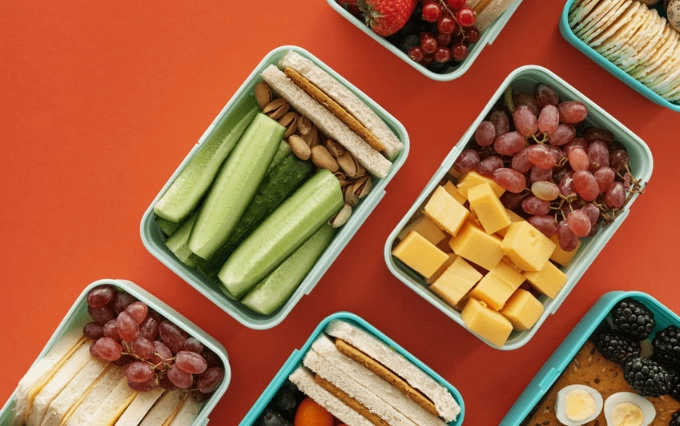
Choosing teeth friendly snacks isn't about deprivation. It's about smarter swaps and understanding the simple science happening in your mouth every time you eat.
What's Inside This Guide
Why Your Snack Choice Matters More Than You Think
Every time you eat, bacteria in your mouth feast on the carbohydrates (sugars and starches) left behind. Their waste product is acid. This acid attack can last for 20-30 minutes after you finish eating, softening your tooth enamel—the hard, protective outer layer.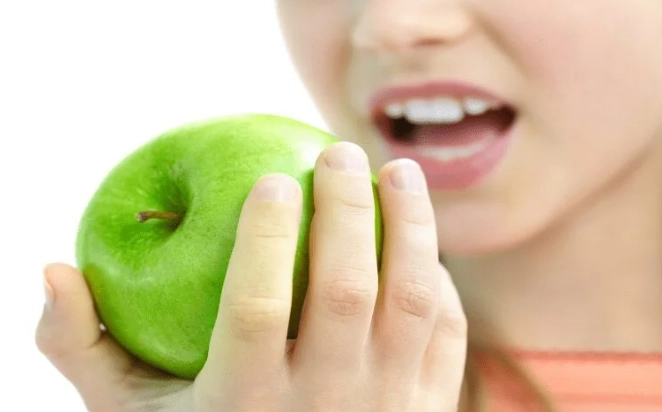
Grazing throughout the day means your teeth are under near-constant acid assault, with no time for saliva to do its repair work. Saliva is your mouth's natural defense; it washes away food particles, neutralizes acids, and delivers minerals like calcium and phosphate to remineralize enamel.
So, the goal with teeth friendly snacks isn't just to avoid sugar. It's to choose foods that either minimize acid production, stimulate protective saliva, or actually contribute minerals to the repair process.
The Grazing Effect: Eating a chocolate bar in one sitting causes one 30-minute acid attack. Sipping a sugary coffee over two hours causes a continuous acid attack for 120 minutes. Frequency often trumps total sugar when it comes to cavity risk.
The Three Principles of a Truly Tooth-Friendly Snack
Forget complicated rules. A great teeth friendly snack usually hits one or more of these marks: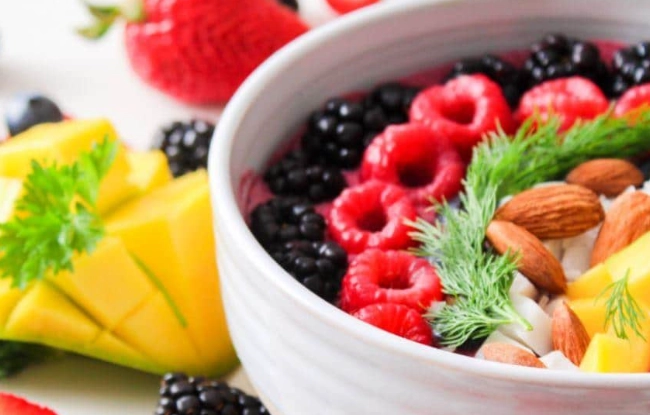
1. It Needs Your Saliva to Work
Crunchy, fibrous fruits and vegetables like apples, carrots, and celery require a lot of chewing. This chewing action stimulates a flood of saliva, which helps cleanse the mouth. They also have a mild abrasive action that can help scrub away some plaque. Think of them as nature's toothbrush.
2. It's Rich in Calcium, Phosphorus, or Casein
These are the building blocks of strong teeth. Snacks like cheese, plain yogurt, and milk don't just sit there passively. They can help deposit minerals back onto the enamel surface in a process called remineralization. Cheese, in particular, is a superstar—it raises the pH in your mouth, reducing acidity.
3. It Has a High Water Content and Neutral pH
Foods like cucumbers, melons, and pears are mostly water. This dilutes any natural sugars they contain and helps rinse the mouth. They are also less likely to be acidic compared to citrus fruits.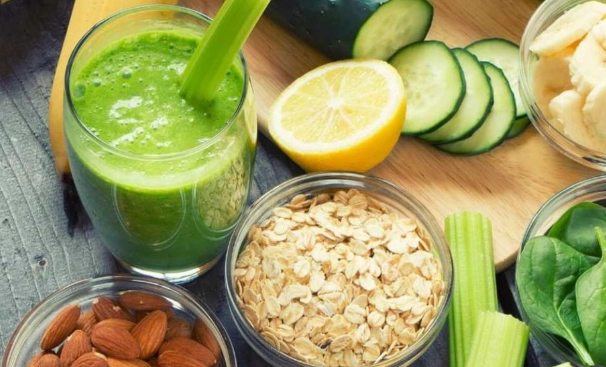
The Ultimate List of Teeth Friendly Snacks
Here’s a practical breakdown. Don't just take my word for it; organizations like the American Dental Association (ADA) consistently highlight dairy, crunchy veggies, and nuts as smart choices for oral health.
| Snack Category & Examples | Why It's Tooth-Friendly | Pro Tip / Watch Out |
|---|---|---|
| Cheese (Cheddar, Swiss, Mozzarella cubes) | Raises mouth pH, provides calcium/phosphate, stimulates saliva. | Opt for aged, harder cheeses. String cheese is a great portable option. |
| Crunchy Vegetables (Carrot sticks, celery, bell pepper strips) | High water content, fibrous texture cleanses teeth, stimulates saliva. | Pair with hummus (check for low added sugar) for protein. |
| Nuts & Seeds (Almonds, cashews, pumpkin seeds) | Low in carbohydrates, high in minerals like calcium and phosphorus. | Choose raw or dry-roasted without sugary coatings. Avoid very hard nuts if you have dental work. |
| Plain Yogurt or Kefir (Greek yogurt, unsweetened) | High in calcium and casein protein. Probiotics may benefit gum health. | Must be plain. Flavored yogurts are often loaded with sugar. Add your own berries. |
| Firm Fruits (Apple slices, pear wedges) | Chewing stimulates saliva. Natural sugars are less cavity-promoting than added sugars. | Eat whole, not juiced. The skin provides fiber. Best consumed as part of a meal. |
| Hard-Boiled Eggs | Zero carbohydrates, so no fuel for bacteria. Rich in vitamin D, which aids calcium absorption. | A perfect, filling snack with no downside for teeth. Keep a few in the fridge. |
My personal go-to? A few cubes of sharp cheddar with some apple slices. The cheese counteracts the mild acidity of the apple, and it's far more satisfying than a bag of chips.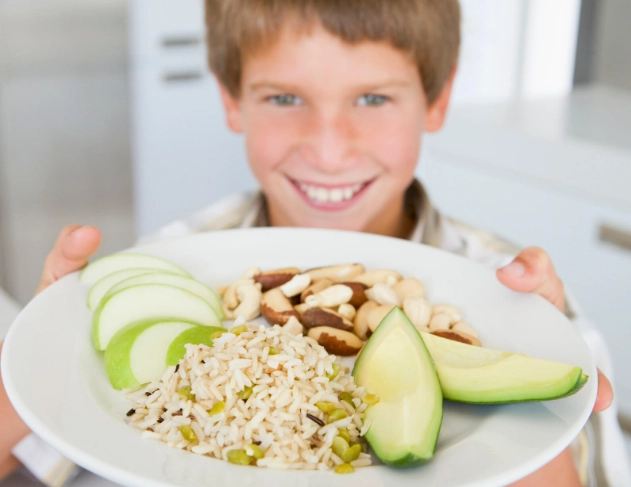
Common Snack Traps: The "Healthy" Foods That Harm Teeth
This is where most people get tripped up. They swap a candy bar for something marketed as healthy, not realizing it's just as bad—or worse—for their teeth.
Dried Fruit (Raisins, apricots, mango): It's concentrated sugar that's incredibly sticky. It clings to grooves in your teeth, feeding bacteria for a long time. A raisin is more cariogenic (cavity-causing) than a fresh grape.
Citrus Fruits & Constant Lemon Water: Oranges, grapefruits, and lemons are highly acidic. Sipping lemon water all day is like giving your enamel an acid bath. Enjoy them, but do it in one sitting and rinse with water afterward.
Sports Drinks & Vitamin Waters: Often as sugary and acidic as soda. They bathe the teeth in a damaging solution. If you need electrolytes, drink them quickly through a straw during intense activity, not while working at your desk.
Starchy, Processed Snacks: Crackers, pretzels, and chips. They're low in sugar but high in refined starch. This starch breaks down into simple sugars in the mouth and forms a sticky paste that adheres to teeth.
I had a patient, an avid runner, who couldn't understand why he had new cavities. He'd swapped soda for a popular sports drink and snacked on raisins for energy. His "healthy" habits were the direct cause.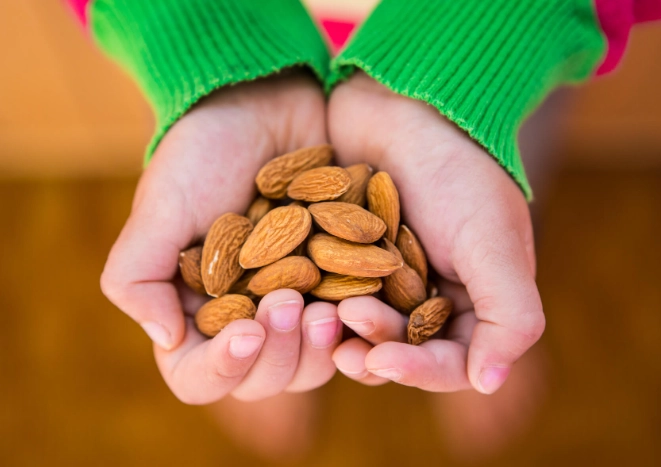
An Expert's Non-Obvious Take on Snacking and Oral Health
Here's a perspective you won't find on every listicle: we're starting to understand the role of the oral microbiome. It's not just about starving "bad" bacteria; it's about feeding the "good" ones.
Emerging research, like that summarized in reports from the National Institute of Dental and Craniofacial Research (NIDCR), suggests that a diverse diet rich in fiber and certain prebiotics (food for good bacteria) can promote a more balanced oral ecosystem. What does this mean for snacking?
Those crunchy vegetables and fibrous fruits aren't just scrubbing—they're providing substrates that support a healthier bacterial community. Polyphenols in foods like cranberries (unsweetened!) and green tea can also interfere with the ability of harmful bacteria to stick to teeth.
The future of teeth friendly snacks might look beyond just acid and sugar, toward foods that actively nurture a resilient oral environment.
Your Top Snacking Questions Answered
Snacking doesn't have to be a dental disaster. By choosing foods that work with your body's natural defenses—saliva and remineralization—you can enjoy satisfying bites all day long and still keep your smile healthy. Start with one swap. Maybe it's cheese instead of crackers, or an apple instead of raisins. Your teeth will notice the difference.