Let's talk about overbites. You might think it's just about how your smile looks, maybe your top teeth cover the bottom ones a bit too much. I did too, until I started seeing patients like Sarah. She came in complaining of constant jaw clicking and headaches. Her overbite, which she'd lived with for 30 years, wasn't just a cosmetic thing—it was slowly wearing down her back teeth and stressing her jaw joint. Correcting an overbite is one of the most common reasons people seek orthodontic treatment, but the "why" and "how" are often misunderstood. It's not a one-size-fits-all process, and the journey from diagnosis to a finished smile involves choices about appliances, timelines, and yes, costs. If you're considering fixing your bite, you need the full picture, not just the marketing brochures.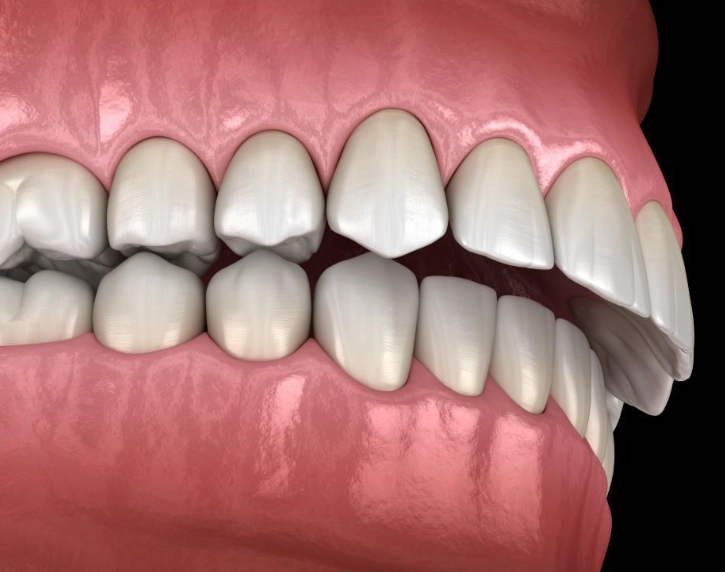
What's Inside This Guide
What Exactly Is an Overbite (And What It Isn't)?
First, a quick clarification people often get wrong. An overbite refers to the vertical overlap of your upper front teeth over the lower ones. A little overlap (2-3 millimeters) is normal. When it's excessive, that's a deep bite. An overjet is the horizontal gap—think "buck teeth" where the top teeth stick out forward. Many people have a combination. Your dentist or orthodontist measures this during an exam.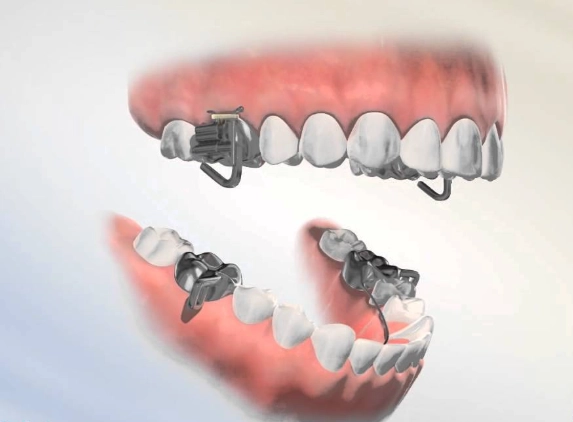
Overbites are usually categorized by their cause:
- Dental Overbite: The problem is mostly with the position of the teeth. Your jawbones might be in a relatively okay position, but the teeth have erupted or tilted in a way that creates a deep overlap. This is often more straightforward to correct with braces or aligners alone.
- Skeletal Overbite: Here, the issue is in the jawbones themselves. The lower jaw might be too far back (retrognathic) or the upper jaw too far forward. Fixing this often requires more than just moving teeth; it might involve growth modification in kids or jaw surgery in adults.
A key point most blogs miss: Not all overbites need aggressive treatment. A mild dental overbite in an adult with no symptoms might just need monitoring. The decision to treat hinges on whether it's causing or will likely cause problems. Don't let anyone pressure you into treatment without explaining the functional "why."
Why You Should Consider Fixing an Overbite
Sure, a more balanced smile is a great benefit. But the health reasons are what truly justify the investment of time and money. Leaving a significant overbite untreated is like ignoring a slow leak in your roof.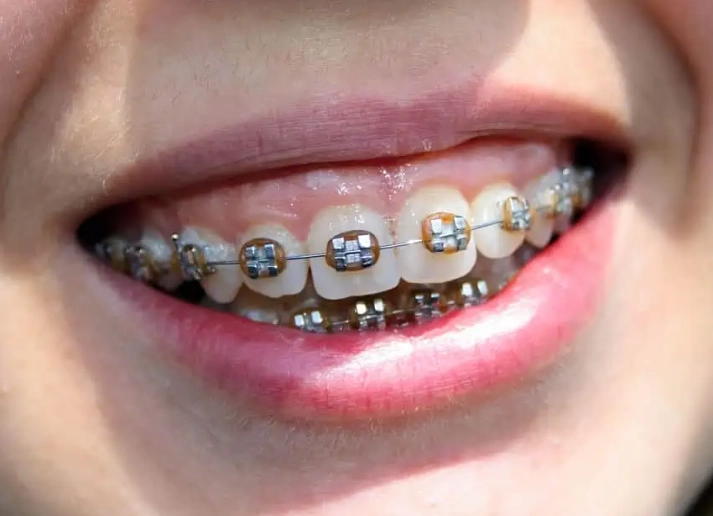
The Hidden Damage You Might Not Feel Yet
Excessive force on a few teeth. Your lower front teeth can constantly hit the back of your upper front teeth or even dig into the palate. This leads to:
- Excessive Wear: The enamel on the edges of your front teeth wears down flat. I've seen patients in their 40s with the tooth wear of someone in their 70s.
- Gum Damage: Those lower teeth can traumatize the gums behind the upper front teeth, leading to recession and sensitivity.
- Jaw Joint (TMJ) Stress: Your jaw muscles work overtime to find a comfortable resting position, which often doesn't exist. This is a prime recipe for tension headaches, jaw pain, clicking, and even conditions like TMD (temporomandibular disorder). Sarah's headaches? Classic.
- Chewing Inefficiency: It's harder to tear into food properly, which can affect digestion over time.
According to the American Association of Orthodontists, correcting bite issues is fundamentally about improving oral health and function, not just aesthetics.
How to Fix an Overbite: Your Treatment Options Explained
This is where it gets practical. The best method depends on your age, the severity and type of your overbite, and your lifestyle. Let's break down the tools of the trade.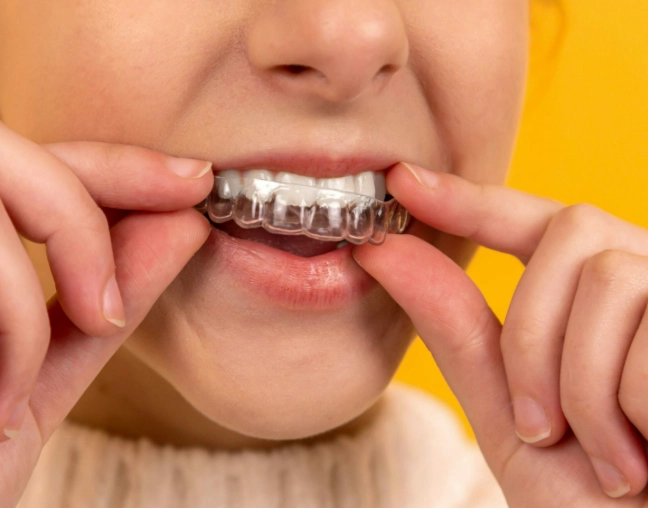
1. Traditional Braces (Metal or Ceramic)
The gold standard for control, especially for complex or skeletal cases. Brackets and wires allow the orthodontist to precisely position each tooth and use auxiliary mechanics like elastics (rubber bands) that are crucial for correcting an overbite. Elastics connect hooks on the upper and lower braces, gently pulling the jaws into better alignment. The downside? They're the most visible option and require diligent cleaning.
2. Clear Aligners (Like Invisalign)
Yes, Invisalign for overbite correction is a real and effective option for many adults and teens. The technology has advanced massively. Aligners can now incorporate features like "attachments" (tooth-colored bumps) and precision cuts for elastics to guide teeth vertically and adjust the bite. The big advantage is aesthetics and removability. The big caveat: they require extreme patient compliance. You must wear them 22+ hours a day. For severe skeletal overbites, braces still often offer more predictable control.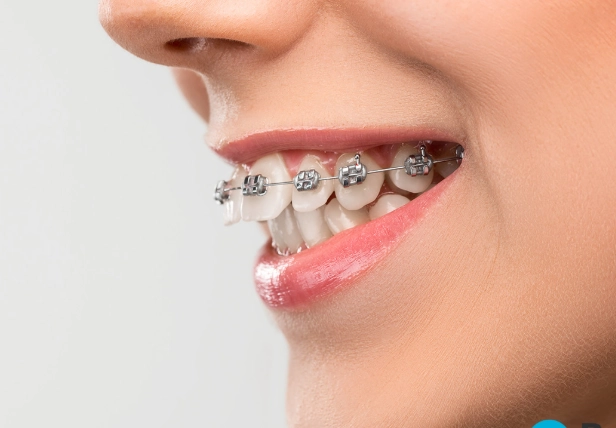
3. Other Appliances You Might Encounter
- Bite Plates: A removable acrylic appliance that sits on the roof of your mouth, preventing the back teeth from touching so the front ones can be guided into place. Common in Phase 1 treatment for kids.
- Headgear: Less common today, but still used in specific growing patients to guide jaw growth.
- Jaw Surgery (Orthognathic Surgery): For adults with severe skeletal discrepancies where moving teeth alone won't create a stable, functional bite. This is a major procedure coordinated between an orthodontist and an oral surgeon.
| Treatment Option | Best For | Key Advantage | Key Consideration |
|---|---|---|---|
| Metal Braces | All ages, complex cases, severe overbites, maximum control needed. | Most predictable and powerful tool; handles everything. | Most visible; requires careful oral hygiene. |
| Ceramic Braces | Teens & adults wanting a less noticeable fixed option. | Less visible than metal; same control. | More fragile and can stain if not cared for. |
| Clear Aligners (Invisalign) | Mild to moderate dental overbites in compliant patients. | Nearly invisible; removable for eating & cleaning. | 100% dependent on patient wear time; not for everyone. |
| Jaw Surgery + Braces | Adults with severe skeletal overbites affecting function & profile. | Only way to correct major jaw imbalance; improves airway, face shape. | Major surgery with significant recovery; longest total treatment time. |
Breaking Down Overbite Correction Cost
Let's talk numbers, because this is a major factor. The overbite correction cost isn't a flat fee. It's a range based on complexity, location, and the provider's experience. Think of it as an investment spanning 1-3 years.
- Traditional Braces: Typically range from $3,000 to $7,000+.
- Clear Aligners (Invisalign): Often comparable to braces, sometimes slightly higher, ranging from $3,500 to $8,000+.
- Orthognathic Surgery: This is a separate major cost, often $20,000 to $40,000+, but insurance may cover a portion if it's deemed medically necessary (e.g., for sleep apnea or severe dysfunction).
What does that fee cover? Usually, it's comprehensive: all appliances, adjustments, retainers, and monitoring for a standard treatment period. Most orthodontists offer payment plans. My advice: Don't choose based on price alone. A cheaper plan might cut corners on diagnostics or retention, leading to relapse. Get 2-3 consultations. The right orthodontist will explain the value behind their fee.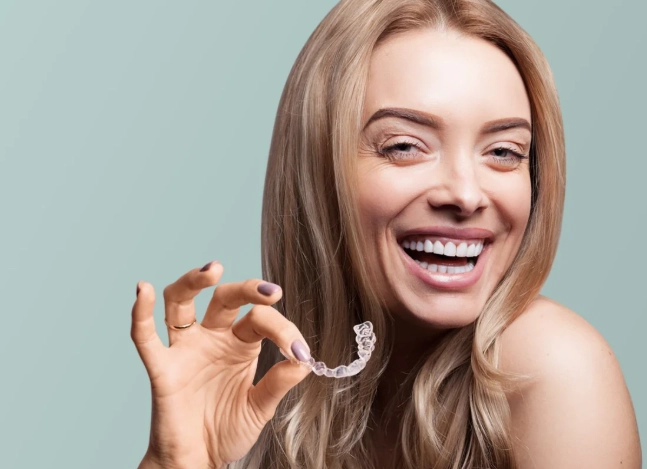
Watch out for this: Some general dentists offer aligners at a steep discount. While they may be fine for simple cases, correcting a bite is complex orthodontics. An orthodontist has 2-3 years of specialized training beyond dental school specifically in tooth movement and jaw relationships. For a functional issue like an overbite, that expertise matters.
What to Expect During Treatment: A Realistic Timeline
So you've decided to go for it. What's next? The process is more marathon than sprint.
Phase 1: Records & Planning. This involves X-rays (like a panoramic and cephalometric film), photos, and digital scans or impressions. Your orthodontist uses these to create a detailed plan. This stage is critical—it's where the roadmap is drawn.
Phase 2: Active Treatment. You get your braces or first set of aligners. For overbite correction, the initial months often focus on aligning and leveling the arches. The actual bite correction usually happens in the middle to later stages, frequently involving elastics. This phase can last 18-30 months on average.
Phase 3: Retention. The most important phase everyone underestimates. The braces come off, and you get retainers. Teeth have a memory and want to shift back. Wearing your retainers as instructed is non-negotiable. I tell my patients retention is for life, starting with full-time wear and transitioning to nightly wear indefinitely.