Quick Navigation
- The First 24-48 Hours: The “What Did I Do?” Phase
- The First Week: The Healing Kick-Starts
- Weeks 2-4: The Reattachment Process (The Magic Happens Here)
- The Long-Term Timeline: From Recovery to Maintenance
- Your Essential Post-Deep Cleaning Care Kit (The Non-Negotiables)
- Answering the “But What About...?” Questions (The Real Concerns)
- When to Actually Worry (Call Your Dentist)
- The Bottom Line: Reframing Your Perspective
Let's be honest. You leave the dentist's office after a scaling and root planing session (that's the official name for a deep cleaning) feeling a mix of relief and... well, a bit of worry. Your mouth feels strange, maybe a little tender, and you're probably wondering what you've just signed up for. Is the soreness normal? Why do my gums look different? Did I just waste my money?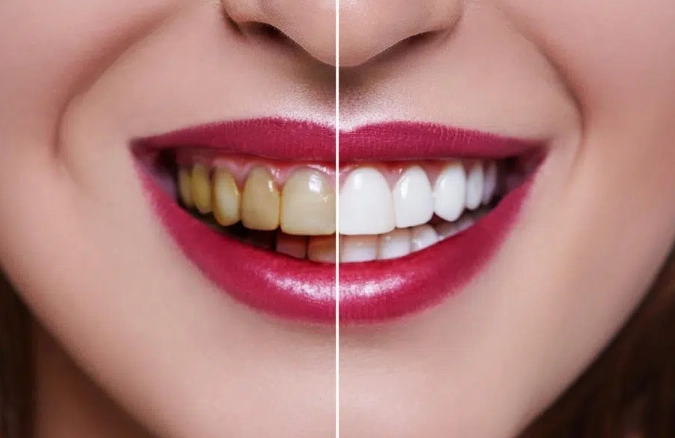
I remember a friend of mine panicking after her first deep clean. She called me saying her teeth looked longer and there were gaps she'd never noticed before. She was convinced the hygienist had messed up. Turns out, that's a super common reaction. What she was seeing wasn't damage, but the start of the healing process after years of tartar buildup had been removed.
That's why we're going to walk through this, step by step. No jargon, no sugar-coating. Just a clear, honest look at what happens to your gums after a deep cleaning, from the first few hours to the months down the line. Think of it as your roadmap to recovery.
The First 24-48 Hours: The “What Did I Do?” Phase
Right after the anesthesia wears off, you'll become acutely aware of your mouth. This initial period is where most of the immediate sensations kick in.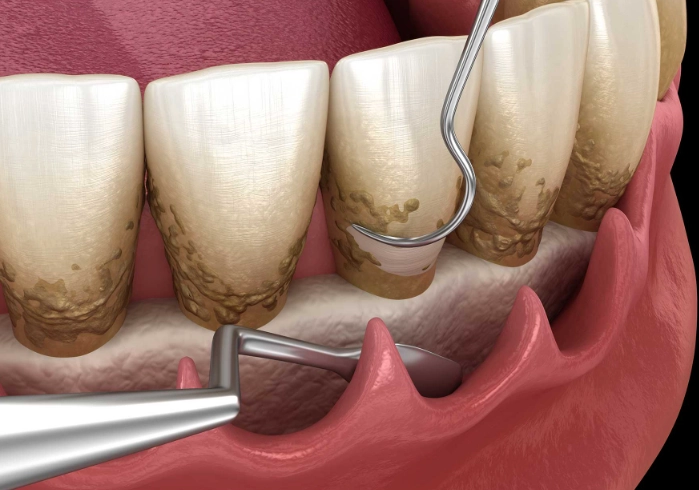
Note: Your experience can vary based on how extensive your deep cleaning was (a full mouth vs. one quadrant) and how severe your gum disease (periodontitis) was to begin with. More inflammation beforehand usually means a bit more sensitivity after.
The number one thing people notice is sensitivity. Hot coffee, ice cream, even cold air can cause a sharp, zinging sensation. This happens because the procedure cleans plaque and calculus (tartar) from the root surfaces of your teeth, areas that have been covered and protected by gunk—and possibly swollen gums—for years. Exposing them is a bit of a shock to the system. It's temporary, but it can be startling.
Then there's the soreness and tenderness. Your gums have just been through a workout. The hygienist worked carefully under your gumline to clean areas you can't reach. It's a bit like having a deep muscle massage for a muscle that's been tight for a long time—it feels better afterward, but it's tender to the touch for a day or two. You might notice this most when chewing or brushing gently.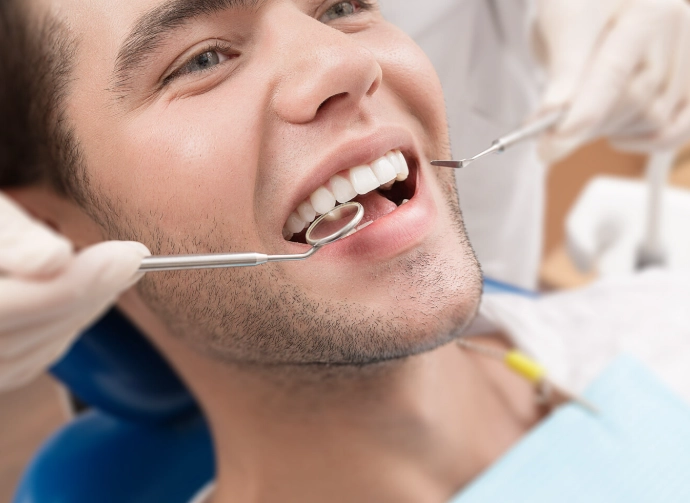
And yes, a little bleeding is normal. Don't freak out if you see pink in your saliva when you rinse. The gum tissue is inflamed and has been instrumented. It will settle down. The key is to be gentle but not avoid cleaning the area altogether.
This is the phase where you might regret your life choices. But hang in there.
The First Week: The Healing Kick-Starts
This is where you start to see and feel tangible changes. The initial shock subsides, and your body's repair crew gets to work.
What happens to your gums after a deep cleaning in this stage is fascinating. The inflammation that was causing chronic redness and puffiness begins to recede. Think of it like a swollen ankle going down. As the swelling reduces, two things can happen that often cause concern:
- Your teeth might appear longer. This is the “gap” or “long in the tooth” phenomenon my friend freaked out about. In reality, your gums are simply returning to their proper, healthy height now that the diseased, swollen tissue is healing. The tartar that was filling space between your teeth is also gone, which can create small triangular gaps (open gingival embrasures). These often fill in slightly as the gum tissue tightens up over the next few weeks.
- The gum color changes. They shift from an angry, beefy red to a healthier, pale pink or coral pink. This is a good sign. It means blood flow is normalizing and infection is clearing.
Sensitivity usually starts to diminish, though it might still linger with extreme temperatures. The soreness is mostly gone. The big task for you during this week is meticulous but gentle oral hygiene. You have to keep the area clean to allow healing, but you can't scrub it like you're cleaning a tile grout. It's a delicate balance.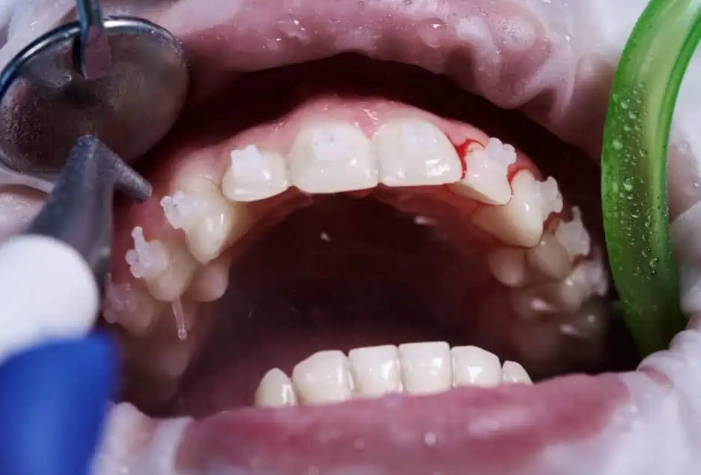
Weeks 2-4: The Reattachment Process (The Magic Happens Here)
This is the critical, less visible phase. While the surface looks better, the real heroics are happening underneath, where the gum tissue is reattaching to the now-clean root surfaces.
Before the cleaning, the space between your gum and tooth (the pocket) was filled with bacteria and toxins. The gum was essentially “unhooked” from the tooth, held away by the infection. After a deep cleaning, once the irritants are removed, the gum tissue can begin to snuggle back up against the tooth. This is called clinical attachment gain.
Key Point: The goal isn't necessarily for the gum to grow back to its original height (that's often not possible if bone loss occurred). The goal is for the existing gum to form a tight, healthy seal against the tooth, making the pocket shallower. A shallower pocket is easier for you to clean and prevents bacteria from setting up camp again.
You'll likely have a follow-up appointment with your dentist or periodontist around the 4-6 week mark. They'll re-measure your gum pockets to see how much healing and tightening has occurred. This is the report card for your healing and your home care. Seeing those numbers go down is incredibly satisfying.
By the end of this month, most of the sensitivity should be resolved. Your gums should feel firmer, not spongy, when you press them with your tongue.
The Long-Term Timeline: From Recovery to Maintenance
Healing isn't a one-month-and-done deal. Full tissue remodeling and strengthening can take several months. Here’s a rough guide:
| Time After Deep Cleaning | What's Happening to Your Gums | What You'll Likely Feel/Notice |
|---|---|---|
| 1-2 Days | Initial trauma healing begins. Inflammation response peaks then starts to subside. | Tenderness, sensitivity, minor bleeding. |
| 1 Week | Surface healing. Reduction in swelling and redness. Gums start to tighten. | Less soreness. Gums look pinker, teeth may look longer. |
| 2-4 Weeks | Early tissue reattachment. Collagen fibers begin re-anchoring to the root. | Gums feel firmer. Sensitivity fading. Gaps may start to feel less pronounced. |
| 1-3 Months | Maturation of the gum attachment. Pocket depths reduce significantly. | Gums are comfortable, healthy pink, and don't bleed with proper brushing/flossing. |
| 3-6 Months+ | Long-term stabilization. The healed tissue becomes more resilient. | Your new normal. Maintenance is key to prevent backsliding. |
Understanding this timeline is crucial because it sets realistic expectations. You won't have perfect gums in a week. The process of what happens to your gums after a deep cleaning is a marathon, not a sprint.
Your Essential Post-Deep Cleaning Care Kit (The Non-Negotiables)
Your dentist's work is only 50% of the equation. Your home care determines the other 50%. Here’s what you absolutely need to do, and frankly, what a lot of people get lazy about after a few weeks.
Tools of the Trade
- An Ultra-Soft Toothbrush: Ditch the medium or hard bristles. They're too abrasive on healing gums and exposed roots. Look for a brush labeled “soft” or “extra soft.”
- Gentle Flossing: Don't snap the floss down. Gently guide it between teeth, curve it into a C-shape against one tooth, and slide it up and down slightly under the gumline, then repeat on the adjacent tooth. If flossing is too difficult, ask your hygienist about alternatives like soft picks or interdental brushes. The American Dental Association has a great guide on proper flossing techniques.
- Antimicrobial Rinse (if prescribed): Your dentist might give you a prescription chlorhexidine gluconate rinse (like Perioguard). It's a powerful anti-plaque agent. Use it exactly as directed, usually for a short period (1-2 weeks), as it can stain teeth with long-term use. It's a helpful crutch during the initial healing phase.
- Fluoride Toothpaste for Sensitive Teeth: This isn't just marketing. Toothpastes with potassium nitrate or stannous fluoride help block the tiny tubules in exposed dentin that cause sensitivity. Give it a few weeks of consistent use to build up its effect.
What to Avoid (The Temptation List)
For at least the first 48-72 hours, and sometimes longer depending on your sensitivity:
- Extremely hot or cold foods/drinks. Let that soup or coffee cool down a bit.
- Crunchy, sharp, or sticky foods. Think chips, nuts, hard candies, caramel. They can physically irritate the gums.
- Smoking or using tobacco products. This is a big one. Nicotine constricts blood vessels, drastically reducing blood flow and oxygen to the healing tissue. It can literally cause the healing to fail. If there was ever a time to quit, it's now.
- Aggressive brushing. No “scrubbing” allowed. Use gentle, circular motions.
Answering the “But What About...?” Questions (The Real Concerns)
Let's tackle the specific worries that keep people up at night after their procedure.
“My gums are receding more! Is this normal?”
This is the biggest fear. As the unhealthy, puffy swelling goes down, the gum line stabilizes at its new, healthy level. It's not that the gum is actively receding because of the cleaning; it's that the false, swollen height is gone, revealing the true height. Any further recession after this point is usually due to aggressive brushing or ongoing disease, not the procedure itself.
“Why are there black triangles between my teeth now?”
Those small gaps near the gumline? They were always there, filled with calculus and swollen gum papilla. Removing the calculus and reducing swelling unveils them. Sometimes, as the gum tissue matures and thickens over months, these spaces become slightly less noticeable. But their primary cause is bone loss that occurred from the past disease. The deep cleaning didn't create the bone loss; it just uncovered its consequence.
“The sensitivity isn't going away. Is this permanent?”
For the vast majority, no. Root sensitivity after a deep cleaning usually improves dramatically within a few weeks. If it persists for months, talk to your dentist. They can apply in-office desensitizing agents (like fluoride varnishes) or recommend stronger prescription toothpaste. Persistent sensitivity can sometimes indicate a need for further evaluation, like checking for cracked teeth or other issues.
“My gums still bleed a little when I floss. Did it not work?”
A tiny bit of bleeding during the first week or two of re-establishing flossing is common as the tissue is still delicate. However, if you're 4-6 weeks out and your gums still bleed consistently with gentle flossing, it's a red flag. It likely means there's still inflammation present, either because plaque is being missed or because the pockets are too deep for you to clean effectively. Report this to your dentist—it might indicate a need for more frequent cleanings (periodontal maintenance every 3-4 months instead of every 6) or even localized re-treatment.
When to Actually Worry (Call Your Dentist)
Most of what happens to your gums after a deep cleaning is normal healing. But be alert for signs of infection or poor healing:
- Throbbing, severe pain that isn't relieved by over-the-counter pain relievers like ibuprofen.
- Increasing swelling inside your mouth or in your face/neck.
- Pus oozing from your gums.
- Fever.
- Heavy bleeding that doesn't stop with gentle pressure after 20 minutes.
- A foul taste or odor that doesn't go away with rinsing and cleaning.
These are rare, but don't hesitate to call if you experience them. It's better to get checked.
The Bottom Line: Reframing Your Perspective
A deep cleaning isn't a punishment. It's a reset button for your gums. The process of what happens to your gums after a deep cleaning is your body taking advantage of a clean slate to finally heal from a chronic, low-grade infection (gingivitis or periodontitis) that you may not have even fully felt.
The initial phases can be uncomfortable and a bit visually surprising. But that's the old disease leaving the building. The tenderness, the sensitivity, the changed appearance—they're all signs of transition from a diseased state to a healthy one.
The long-term outcome? Gums that don't bleed, breath that's fresher, a foundation for your teeth that's stable and healthy, and potentially saving yourself from more invasive (and expensive) treatments like gum grafts or tooth extractions down the road. You've invested in the foundation of your smile. Now, with careful daily care and regular professional maintenance, you get to protect that investment for years to come.
It's a fresh start. Your gums will thank you for it.