Quick Navigation
- What Is Gum Recession in a Child, Anyway?
- Why Is My Child's Gum Line Receding? The Top Culprits
- Spotting the Signs: What Does Gum Recession in a Child Look Like?
- The Professional Diagnosis: What the Dentist Will Do
- How Do You Treat Receding Gums in Children? The Treatment Roadmap
- The Home Care Arsenal: What Parents Can Do Every Day
- Answers to the Questions You're Probably Searching For
- Prevention: The Best Treatment of All
Seeing your child smile is one of life's simple joys. But what if you notice something off about that smile—specifically, that the pink gum tissue around their teeth seems to be pulling back? That's receding gums, and yes, it can happen to kids too. It's not just an adult problem. When my friend's eight-year-old was diagnosed with early gum recession, it was a real wake-up call for our whole parent group. We all thought gum issues were for later in life.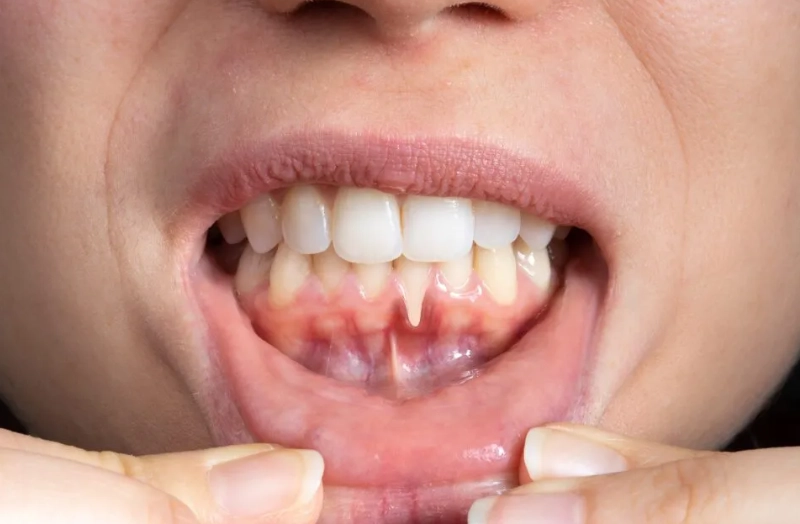
We were wrong. And if you're here asking "how do you treat receding gums in children?", you've likely spotted the same worrying sign. Let's cut through the confusion. This isn't about scaring you; it's about giving you clear, actionable steps. Treatment for a child is vastly different from treatment for an adult, and getting it right early is absolutely critical for protecting their permanent teeth.
What Is Gum Recession in a Child, Anyway?
Gum recession, or gingival recession, is when the margin of the gum tissue that surrounds the teeth wears away or pulls back, exposing more of the tooth or the tooth's root. In kids, this is particularly concerning because their gum tissue and the underlying bone are still developing. Exposed roots aren't just sensitive; they're more vulnerable to decay and can jeopardize the long-term health of the tooth, whether it's a baby tooth or a permanent one coming in.
Here's the thing many parents miss: receding gums in children is often a symptom, not the disease itself. It's your child's mouth waving a red flag. Ignoring it and hoping it'll just get better is, frankly, one of the worst things you can do. The damage can become permanent.
Why Is My Child's Gum Line Receding? The Top Culprits
Before we jump into how do you treat receding gums in children, we have to play detective. You need to know the "why" to choose the right "how." The causes in kids often differ from adults (goodbye, decades of aggressive brushing as the main suspect).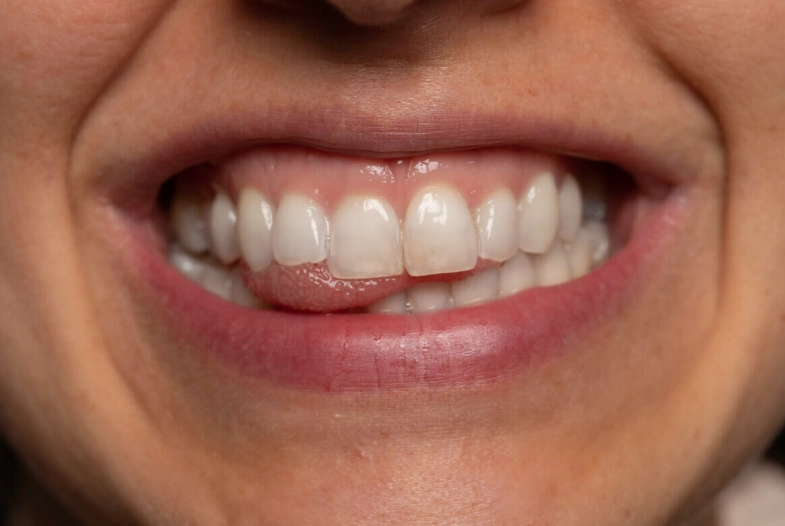
Brushing Too Hard (The Classic Mistake)
This is probably the first thing your dentist will ask about. Kids, especially when they're proud of brushing by themselves, can go at their teeth like they're scrubbing a dirty tile floor. That stiff-bristled brush and sawing motion is a one-way ticket to traumatizing delicate gum tissue. I've seen it—the enthusiastic scrub that makes you cringe. This mechanical abrasion literally wears the gum away over time.
Crooked Teeth or a Misaligned Bite
When teeth are crowded or come in at odd angles, they can sit too far outside the protective shell of the jawbone. The gum tissue covering that bone is then stretched thin over the root surface, making it fragile and prone to receding. It's like trying to stretch a small piece of fabric over a large frame; eventually, it tears or pulls back.
Underlying Gum Disease (Yes, in Kids)
While less common than in adults, children can develop gingivitis (inflamed gums) which, if left unchecked, can progress. The American Academy of Periodontology notes that aggressive forms of periodontitis can occur in young people. Chronic inflammation from plaque and tartar buildup destroys the tissue and bone that hold the tooth in place, leading to recession. It's a silent process that doesn't always hurt at first.
Habits: The Silent Gum Killers
Thumb sucking, tongue thrusting, lip biting, or even chewing on pencils or toys. These repetitive pressures can physically push the gums back over time. A persistent habit past the age of 4 or 5 is often a major contributor.
Genetic Predisposition
Sometimes, it's just the cards they were dealt. Some kids naturally have thinner, more delicate gum tissue or a lack of sufficient keratinized gum (the tough, attached gum) around certain teeth, making them more susceptible to recession even with normal care.
Spotting the Signs: What Does Gum Recession in a Child Look Like?
You don't need to be a dentist. Look for these clues during your child's regular brushing routine:
- Longer-looking teeth: This is the most obvious sign. The tooth appears elongated because more of its surface is visible.
- Visible notch near the gum line: You might see a small, yellow or brownish indentation (the root surface) right where the gum has pulled away.
- Redness or swelling along the gum margin, though sometimes the recession itself isn't inflamed.
- Complaints of sensitivity, especially to cold drinks, ice cream, or even air. The root surface doesn't have a protective enamel layer like the crown of the tooth.
- Bleeding gums when brushing or flossing, which points to accompanying inflammation.
If you see any of these, it's time to schedule a dental visit. Don't wait for the six-month checkup.
The Professional Diagnosis: What the Dentist Will Do
When you bring your child in, the dentist or pediatric periodontist won't just glance and guess. They'll do a proper assessment, which is the foundation for any effective treatment plan. This usually involves:
- Measuring pocket depths: Using a tiny ruler (probe) to check the spaces between the gum and tooth. Deeper pockets can indicate tissue loss.
- Checking for plaque and tartar: The main sources of bacterial inflammation.
- Evaluating your child's bite and tooth alignment.
- Asking detailed questions about oral hygiene habits (you'll be quizzed on brushing technique!) and other habits.
- Possibly taking X-rays to see the level of the underlying bone supporting the tooth.
This diagnosis is key. The approach to how do you treat receding gums in children whose main issue is aggressive brushing is worlds apart from treating a child with recession due to a deep bite or gum disease.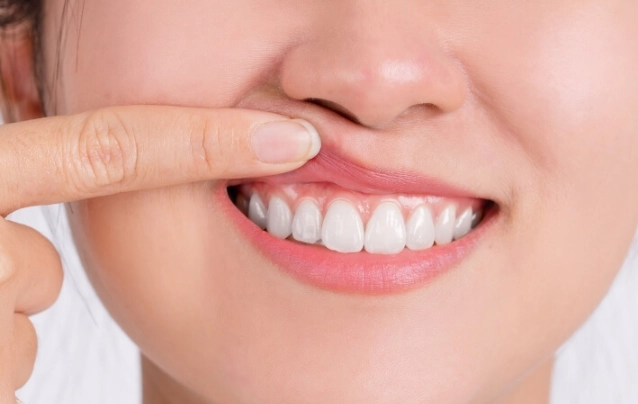
How Do You Treat Receding Gums in Children? The Treatment Roadmap
Alright, here's the core of it. Treatment is almost always conservative first, aiming to stop the recession in its tracks and manage the cause. Surgery is a last resort for kids, reserved for severe, progressive cases. Let's break down the options, from simplest to most complex.
Step 1: Master the Basics - Behavioral and Hygiene Correction
This is where most treatments start and often where they succeed.
The Brushing Overhaul: Ditch the hard brush. Immediately. Switch to an ultra-soft bristled toothbrush, specifically designed for sensitive gums. Teach the "modified Bass technique"—angling the brush at 45 degrees toward the gum line and using gentle, short, circular or vibrating motions, not back-and-forth scrubbing. Supervision is non-negotiable until the habit is ingrained. The American Dental Association's MouthHealthy site has great visual guides on proper technique for all ages.
Habit Counseling: If thumb sucking or another oral habit is the villain, your dentist will discuss strategies to help your child stop. This might involve positive reinforcement, reminder devices, or, in some cases, a simple habit-breaking appliance.
Professional Cleaning (Scaling): If there's tartar (calculus) buildup below the gum line, it needs to be professionally removed. This eliminates a major source of irritation and allows the gum tissue to heal snugly against the tooth again. For inflammation, the dentist might recommend an antibacterial mouthwash (like chlorhexidine, but only for short-term use under guidance) or topical antimicrobial gels.
Honestly, if the cause is just overzealous brushing and mild inflammation, this step alone—correcting technique and getting a cleaning—can halt the recession and even allow for some minor improvement. The tissue is remarkably resilient in kids.
Step 2: Addressing the Structural Issues
If misalignment is the root cause (pun intended), hygiene alone won't fix it.
Orthodontic Evaluation: This is a big one. An orthodontist can assess if braces or other appliances are needed to properly align the teeth. Bringing a tooth into a better position within the bone can often solve the gum recession problem by removing the excessive force or placing the tooth under a healthier band of gum tissue. It's a long-term fix that addresses the core problem.
Bite Adjustment (Occlusal Adjustment): In rare cases, if a child is grinding their teeth (bruxism) or has a bite that puts excessive force on one specific tooth, the dentist might gently reshape a tiny bit of enamel to balance the bite and reduce the traumatic force on that area. This is a very conservative procedure.
Step 3: Surgical Interventions (The Last Resort)
Surgery for gum recession in a child is uncommon and only considered when:
- The recession is severe and progressing rapidly.
- The root exposure is causing significant sensitivity or high risk of decay.
- All conservative measures have failed to stabilize the situation.
- The child is at an appropriate age and can cooperate with the procedure and aftercare.
The main surgical option is a gingival graft. This involves taking a small piece of tissue (usually from the roof of the mouth or using donor tissue) and attaching it over the exposed root to cover it and thicken the gum area. It sounds intense, but pediatric periodontists are skilled at these procedures. The goal is to protect the tooth for the long haul.
The Home Care Arsenal: What Parents Can Do Every Day
Treatment doesn't end at the dentist's door. Your daily routine is the frontline defense. Here’s your actionable checklist:
| Tool/Step | What to Do & Why | Parent Pro Tip |
|---|---|---|
| Toothbrush | Use an ultra-soft, small-headed brush. Manual or powered is fine, but ensure the powered one has a pressure sensor. | Let your child pick a fun color or character—it increases buy-in for gentle brushing. |
| Toothpaste | Use a fluoride toothpaste for sensitivity (like those with stannous fluoride or potassium nitrate). A pea-sized amount is enough. | If your child hates the "numb" feeling of some sensitive toothpastes, try different brands. Consistency matters more than the specific active ingredient. |
| Flossing | Non-negotiable. It removes plaque between teeth where brushes can't reach, preventing interproximal recession. Use floss picks or a water flosser if string floss is a battle. | Do it for them until they have the dexterity (usually around age 10). Make it a calm, nightly ritual, not a war. |
| Diet Watch | Limit acidic drinks (soda, sports drinks, citrus juices) and sticky sweets. Acid erodes enamel and irritates exposed roots. | Offer water or milk as the main drink. If they have something acidic, use a straw to bypass teeth and don't brush immediately after—wait 30 minutes. |
| Regular Checks | Once a week, during brushing, gently lift their lip and look at the gum line. Look for changes in color, swelling, or more exposed tooth. | Frame it as "let's check how healthy your gums are getting!" not "let me see the problem." Positive reinforcement. |
My personal rule? I stopped saying "brush your teeth." I started saying "clean your teeth and massage your gums gently." The change in language subtly reinforced the need for care, not force.
Answers to the Questions You're Probably Searching For
This is the million-dollar question. The honest answer is: the gum tissue itself doesn't "grow back" like a skinned knee. However, in children, once the cause is removed (e.g., they stop brushing too hard, inflammation is controlled), the gum tissue can often heal, become less swollen, and reattach to the tooth more tightly. This can give the appearance of the gum line improving and covering a bit more of the tooth. It's not true regeneration, but it's a very good clinical outcome. For significant root coverage, a graft might be needed.
It's not a "rush to the ER at midnight" emergency, but it is a "schedule a dental appointment within the next week or two" urgency. Progressive recession won't fix itself, and early intervention is always simpler, cheaper, and less invasive.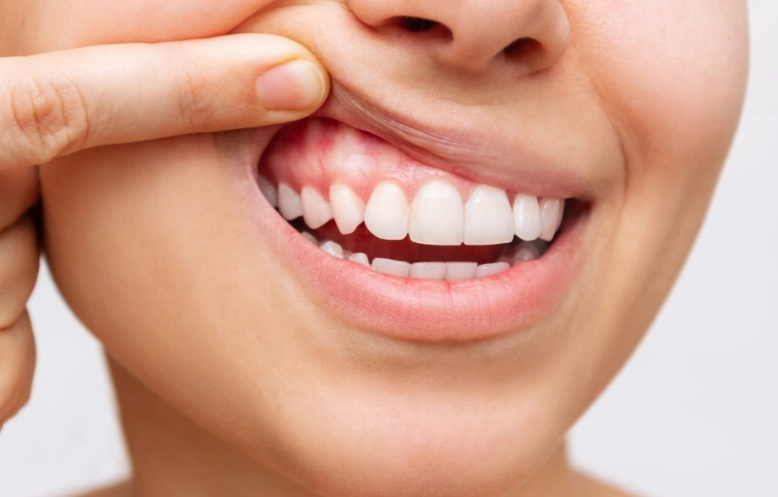
Start with your pediatric dentist or general family dentist. They can manage most cases. If the recession is severe, complex, or not responding to initial treatment, they will refer you to a pediatric periodontist. This is a dentist with several extra years of training specifically in gum diseases and surgeries in children. The American Academy of Periodontology's website has a find-a-specialist tool.
While rare, certain systemic conditions or genetic disorders (like Papillon-Lefèvre Syndrome) can cause severe gum and bone loss in children. This is why a professional evaluation is so critical. Your dentist will look for other signs and ask about overall health. For the vast majority of kids, recession is localized and related to the causes we've discussed.
Prevention: The Best Treatment of All
Thinking about how do you treat receding gums in children leads you right back to this: stopping it before it starts.
- Start dental visits early, by the first birthday or first tooth. This gets kids comfortable and lets the dentist monitor gum health from the start.
- Teach gentle brushing from day one. Model it yourself. Make "soft circles" your family mantra.
- Be vigilant about habits. Gently discourage prolonged thumb sucking past toddlerhood.
- Promote a balanced, low-sugar diet. Good nutrition supports healthy gum tissue.
- Don't skip fluoride. Strong teeth are less prone to the decay that can complicate recession.
Look, finding out your child has receding gums can be stressful. But knowledge is power. You now know it's not a hopeless situation. The path to answering "how do you treat receding gums in children" starts with a calm assessment, a partnership with a good dentist, and a commitment to gentle, consistent care at home. The goal isn't just to fix today's problem—it's to set up your child for a lifetime of healthy gums and a confident smile. That's a goal worth the effort.