That sudden, sharp zing when your toothbrush hits a certain spot. It makes you flinch, maybe even skip that area. If brushing your teeth feels like a mini torture session, you're dealing with dentin hypersensitivity. It's incredibly common, but that doesn't mean you have to live with it. The pain is a signal, not a life sentence. Often, the very act meant to clean your teeth—brushing—is triggering the problem due to a few easily corrected mistakes.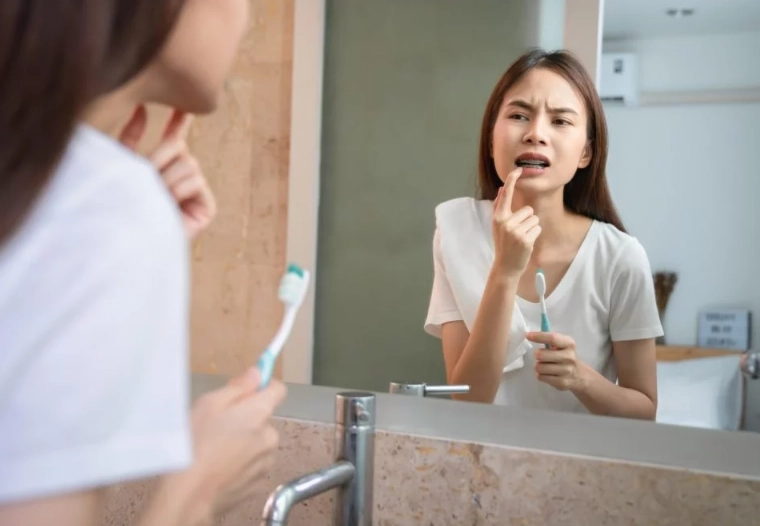
What You'll Find in This Guide
Why Brushing Triggers That Sharp Pain
Let's get under the surface. Your tooth has a hard, protective shell called enamel. Under that is a softer layer called dentin, which is full of microscopic tubules leading directly to the nerve center (the pulp). When enamel wears down or gums recede, these tubules get exposed.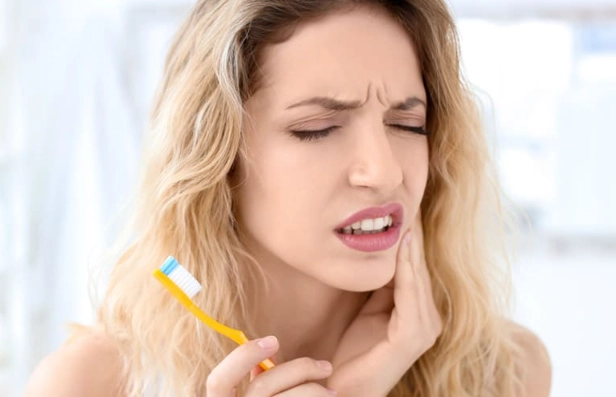
Brushing, especially with cold water or certain toothpastes, creates stimuli—temperature, pressure, acidity—that travel down these open tubes straight to the nerve. Zap.
The Main Culprits Behind the Sensitivity
Overzealous Brushing: This is the big one I see constantly. People think harder scrubbing equals cleaner teeth. It doesn't. It erodes enamel and traumatizes gums, causing them to recede. A medium or hard-bristled brush used with gusto is a recipe for sensitivity.
Acidic Diet & Drinks: Soda, citrus fruits, wine, sports drinks. Acid softens enamel. Brushing immediately after consuming them is like scrubbing softened chalk—you brush the enamel away.
Gum Recession: Often from brushing too hard or gum disease. It exposes the dentin on the tooth root, which isn't covered by hard enamel.
Toothpaste Abrasiveness: Some whitening or tartar control toothpastes have higher RDA (Relative Dentin Abrasivity) values. Used long-term with a hard brush, they can contribute to wear.
A subtle mistake few talk about: Brushing in a strict, timed two-minute routine right after a glass of orange juice or coffee. The acid attack plus mechanical abrasion is a double whammy. Wait at least 30 minutes after eating or drinking anything acidic before you brush. Rinse with water or a fluoride mouthwash in the meantime.
How to Brush Without the Pain (The Right Way)
Fixing your technique is the fastest, cheapest way to reduce sensitivity. It's not just about being gentle; it's about being smart.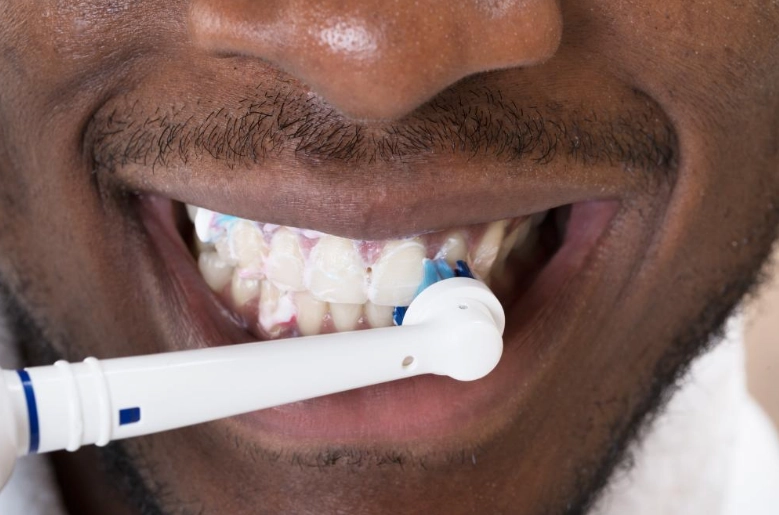
Your New Brushing Toolkit & Method
The Brush: Get a soft-bristled toothbrush. Not "medium," not "extra soft" unless your dentist says so—just "soft." Look for rounded and polished bristle tips. The head should be small enough to comfortably reach your back teeth.
The Motion: Ditch the aggressive back-and-forth sawing. Use short, gentle strokes, angling the brush at 45 degrees toward your gumline. The goal is to massage the gums and clean the plaque, not scrub the tooth surface off. Think of polishing an eggshell, not sanding a piece of wood.
The Pressure: If you're squashing the bristles flat against your teeth, you're pressing too hard. Some electric toothbrushes have pressure sensors that light up when you're overdoing it—a useful feature.
Here’s a quick mental checklist for your next brush:
- Soft brush, check.
- 45-degree angle toward gums, check.
- Gentle, circular or short back-and-forth motions, check.
- Two minutes total, but no aggressive scrubbing, check.
- Spit, don't rinse excessively after brushing to leave fluoride on teeth.
Professional & Home Care Solutions That Work
Once your technique is sorted, you can layer in products and treatments that actively block those painful tubules and strengthen enamel.
At-Home Desensitizing Arsenal
Potassium Nitrate Toothpaste: This is the gold standard for sensitive teeth toothpaste. It works by calming the nerve inside the tooth. The key? Consistency. You need to use it twice daily for at least 2-4 weeks to feel the full effect. Don't jump between brands; stick with one.
Stannous Fluoride or NovaMin Toothpaste: These work differently by creating a protective layer over the exposed tubules. They're excellent options, sometimes found in prescription-strength forms from your dentist.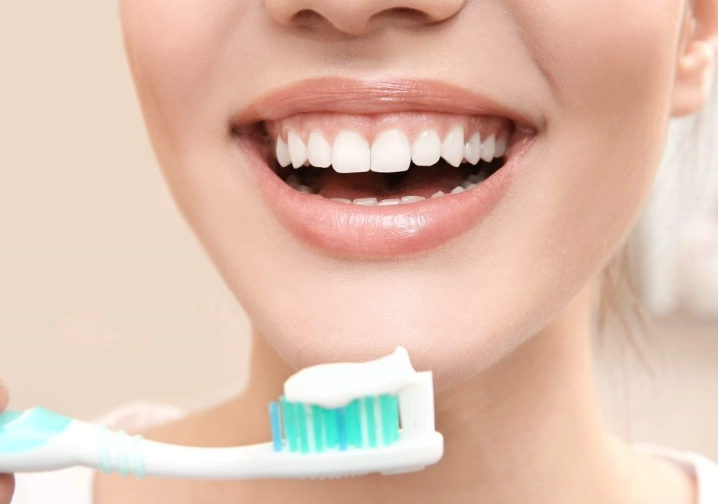
Fluoride Mouthwash: A daily alcohol-free fluoride rinse (like ACT or Colgate Prevident) helps remineralize weakened enamel. Use it at a different time than brushing, like after lunch.
The Application Trick: After brushing at night, take a pea-sized amount of your desensitizing toothpaste and rub it directly onto the sensitive spots with a clean finger. Leave it on. Don't rinse. This gives it prolonged contact time to work its magic while you sleep.
When to See a Dentist: The Professional Fixes
If home care isn't cutting it after a month, the issue might need professional intervention. This isn't failure; it's smart escalation.
In-Office Fluoride Varnish: A high-concentration fluoride treatment painted onto your teeth. It hardens on contact and provides a strong barrier. Quick and effective.
Desensitizing Agents: Your dentist can apply compounds like Gluma or sealants that literally plug the exposed dentin tubules. The relief can be immediate.
Addressing the Root Cause: Maybe your sensitivity is from a small cavity, a cracked tooth, or a worn filling. Or perhaps significant gum recession requires a gum graft. A proper diagnosis rules these out. The American Dental Association emphasizes that persistent sensitivity warrants a dental exam to rule out serious issues.
Think of it this way: home care manages the symptom. A dentist can often treat the underlying structural cause.
Your Top Questions on Sensitive Teeth, Answered
The journey to a pain-free brush starts tonight. Swap to a soft brush, ease up on the pressure, and commit to a desensitizing toothpaste for a full month. Pay attention to those acidic foods. If the zing persists, make the call to your dentist—it's a sign you need a professional ally. You don't have to dread brushing your teeth. With the right knowledge and a few changes, you can turn it back into the simple, healthy habit it's meant to be.