In This Guide
- So, Why Do People Even Get Braces?
- Your Menu of Options: The Different Types of Braces Explained
- The Nitty-Gritty: The Process, The Pain, and The Daily Grind
- The Million-Dollar Question: How Much Do Braces Actually Cost?
- Common Questions & Concerns (The Stuff You're Really Wondering)
- Making the Decision: Is It Right for You?
Let's be real for a second. The idea of getting braces on your teeth can feel like a huge deal. It's not just about the look—metal mouth, right?—it's about the commitment, the cost, the potential discomfort, and that nagging feeling of not knowing what you're really signing up for. I remember walking into my orthodontist's office for the first time, a bundle of nerves, bombarded with pamphlets and terms I didn't understand. It was overwhelming.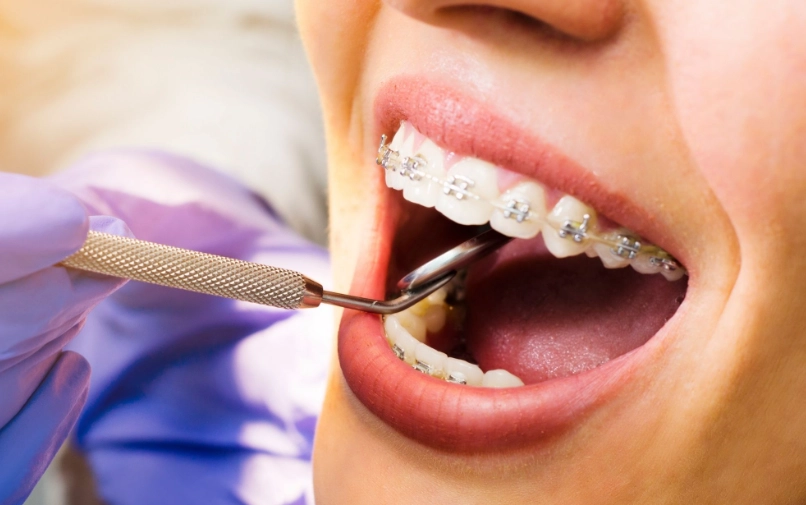
That's why I wanted to put this guide together. Not as a dry, medical textbook, but as a straight-talking chat about what it's actually like to live with braces on your teeth. We'll cut through the jargon, look at the real costs (both financial and lifestyle), and talk about the good, the bad, and the occasionally annoying aspects of orthodontic treatment. Whether you're considering them for yourself or your child, my goal is to give you the full picture, so you can walk into that consultation feeling informed and ready.
So, Why Do People Even Get Braces?
It's way more than just wanting perfectly straight teeth for Instagram. Sure, aesthetics are a big motivator—I won't downplay that. But the reasons run much deeper into your oral health. Think of crooked or misaligned teeth like a car with wheels out of alignment. It might run, but it'll cause uneven wear, strain, and bigger problems down the road.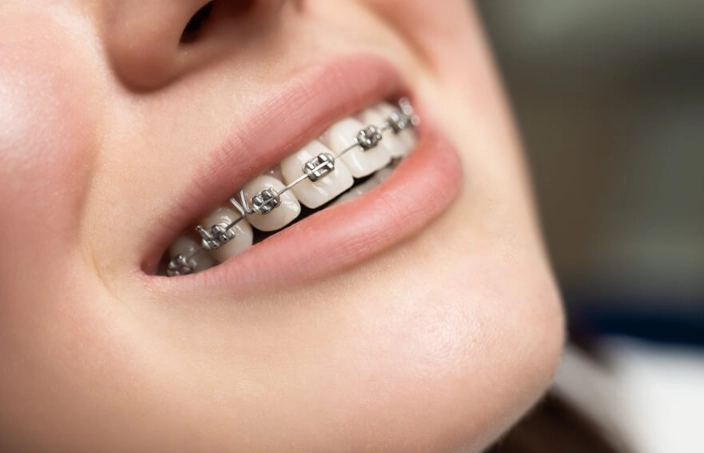
Here’s what braces on teeth actually fix:
- Overcrowding & Spacing: Teeth that are too close together are a nightmare to clean. Flossing becomes a tactical mission, and plaque builds up in places your brush can't reach, leading to cavities and gum disease. Gaps, while sometimes charming, can affect your bite and make chewing less efficient.
- Overbite & Underbite: This is when your upper and lower jaws don't line up properly. An overbite (top teeth far over the bottom) can lead to excessive wear on your lower teeth and even gum damage. An underbite (lower jaw protrudes) can strain your jaw joints, leading to TMJ disorders and that constant, annoying jaw ache.
- Crossbite & Open Bite: These sound technical, but the effects aren't. A crossbite can cause your teeth to chip and wear unevenly. An open bite (where back teeth touch but front teeth don't) can make biting into a sandwich a comical, and frustrating, challenge.
Fixing these issues isn't just cosmetic vanity. It's about making your mouth easier to clean, preventing future pain and expensive restorative work, and ensuring your bite works the way it's supposed to. The American Association of Orthodontists (AAO) has a ton of resources on why proper alignment matters for long-term health—it's worth a look if you're on the fence about the necessity. You can check out their patient education page here.
Honestly, the health benefits alone convinced me it was worth it.
Your Menu of Options: The Different Types of Braces Explained
This is where it gets interesting. It's not just "metal or nothing" anymore. The technology has evolved, giving you choices that fit your lifestyle, budget, and how much you care about them being visible. Let's break them down, warts and all.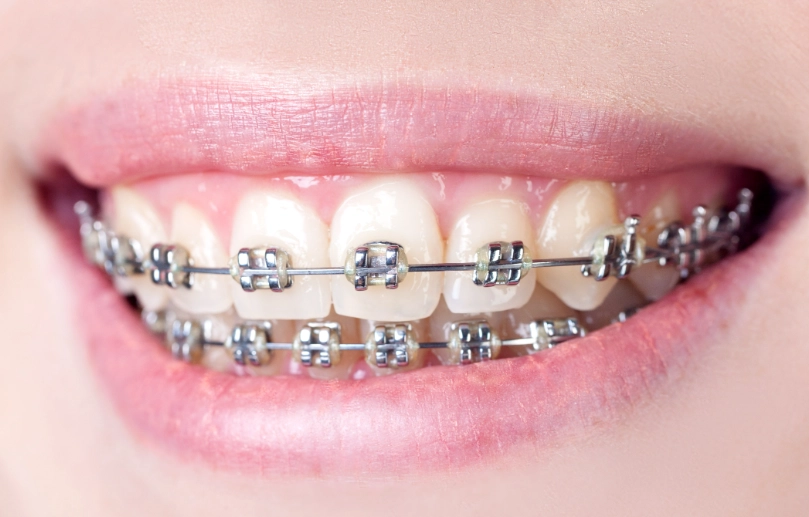
Traditional Metal Braces: The Tried-and-True Workhorse
Yep, the classic. Metal brackets glued to each tooth, connected by a wire, and held with little elastic bands (ligatures). They've come a long way—the brackets are much smaller and less "train track"-like than they were decades ago. They're the most cost-effective option and are incredibly powerful for handling complex cases. The downside? They're the most noticeable. And those elastic bands can stain if you drink a lot of coffee, red wine, or eat curry (speaking from experience—my light blue ties turned a fascinating shade of green after a turmeric-heavy meal).
Ceramic Braces: The Discreet Cousin
These function exactly like metal braces, but the brackets are made of a clear or tooth-colored ceramic material. They blend in much better, which is a huge plus for image-conscious teens and adults. But—and this is a big but—they are more fragile and can break more easily if you're not careful with hard foods. They're also typically more expensive than metal. Some people also find the ceramic can stain if you're not meticulous with hygiene, though the archwire is still metal, so they're not completely invisible.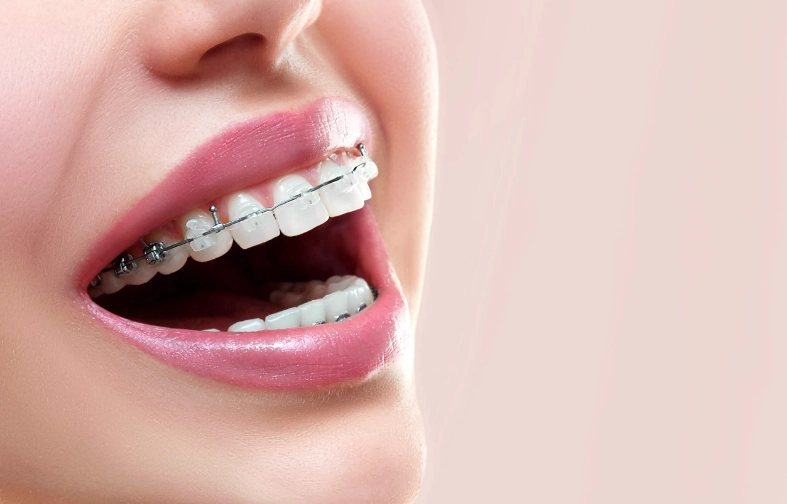
Lingual Braces: The Secret Agent
This is the truly invisible option. The brackets and wires are custom-made and fitted to the back (lingual side) of your teeth. Nobody can see them. It's a fantastic solution for models, musicians, or anyone who wants zero visual impact. The trade-offs are significant, though. They are usually the most expensive type of braces. They can be more uncomfortable for your tongue initially and may slightly affect your speech for a few weeks. They can also be trickier to clean.
Clear Aligners (Like Invisalign): The Removable Revolution
These are the series of clear, plastic trays you wear over your teeth, switching to a new set every week or two. They're virtually invisible and removable, which is their killer feature. Want to eat, floss, or have a big presentation? Pop them out. This freedom is a game-changer for many adults. But this freedom is also a trap. You have to wear them 20-22 hours a day for them to work. If you're not disciplined, your treatment will stall or fail. They're also not suitable for every type of dental correction, particularly severe rotations or bite issues. And yes, they cost about the same as ceramic braces, sometimes more.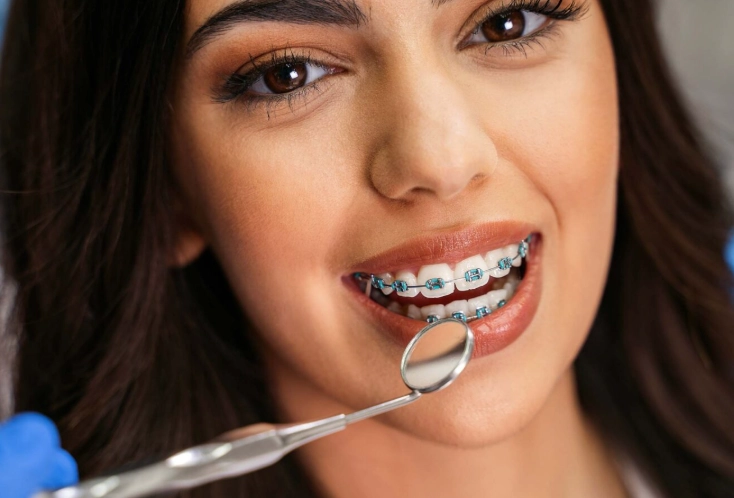
Here’s a quick comparison to help you see the differences side-by-side:
| Type of Braces | Visibility | Estimated Cost Range (Full Treatment)* | Best For | Key Consideration |
|---|---|---|---|---|
| Traditional Metal | High | $3,000 - $7,000 | All cases, especially complex; budget-conscious | Most durable, most noticeable |
| Ceramic | Low-Moderate | $4,000 - $8,000 | Adults & teens wanting less visibility | More fragile, can stain |
| Lingual | None (hidden) | $8,000 - $10,000+ | Maximum discretion, certain professions | Highest cost, adjustment period for tongue |
| Clear Aligners | Very Low | $4,000 - $8,000 | Mild to moderate cases; disciplined patients | Requires high patient compliance |
*Costs are nationwide U.S. averages and vary wildly by case complexity, region, and orthodontist. Always get a detailed quote.
Choosing the right type is a personal equation of budget, lifestyle, and dental needs.
The Nitty-Gritty: The Process, The Pain, and The Daily Grind
Okay, so you've picked your type. What now? Let's walk through the actual experience of having braces on teeth, because nobody really talks about the day-to-day.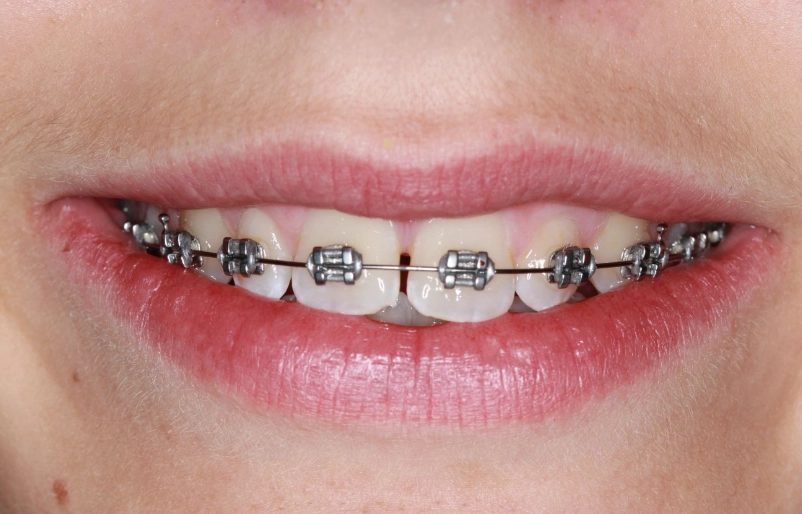
The Initial Fitting and Adjustment Period
Getting them put on doesn't hurt. It's just a long appointment where your teeth are cleaned, dried, and the brackets are glued on. The wire is threaded through, and you're done. The real fun starts a few hours later. As the wire begins to apply steady, gentle pressure to move your teeth, you'll feel a deep, persistent ache. It's not sharp pain, more like a dull, throbbing soreness. This lasts for about 3-7 days after each adjustment. Stock up on soft foods—mashed potatoes, yogurt, soup, smoothies. Over-the-counter pain relievers help. Your lips and cheeks might also get irritated as they rub against the new hardware. Orthodontic wax is your new best friend. Smear a tiny ball of it over any bracket that's poking you; it's a lifesaver.
Life with Braces: The New Normal
Once you're past the initial soreness, you settle into a routine. But your oral hygiene routine needs a major upgrade. Food gets stuck everywhere. You'll need:
- A soft-bristled brush and maybe an interdental brush (like a tiny pipe cleaner) to get under the wires.
- Water flosser/irrigator: I cannot recommend this enough. It blasts food particles out from places floss can't reach. It feels amazing and is incredibly effective.
- Fluoride mouthwash: To help strengthen enamel around the brackets and prevent white spots (decalcification) when the braces come off.
You'll also have a list of forbidden foods. Anything hard (nuts, hard candy, ice), sticky (caramel, gum), or chewy (bagels, licorice) is off the menu. It can break brackets and bend wires, setting back your treatment. Biting into apples or corn on the cob? Forget it. Cut them up.
Regular Adjustments
Every 4-8 weeks, you'll go back to the orthodontist to have the wires tightened or changed. This reactivates the pressure to keep your teeth moving. Yes, you'll have a few days of soreness again after each visit. It's a cycle.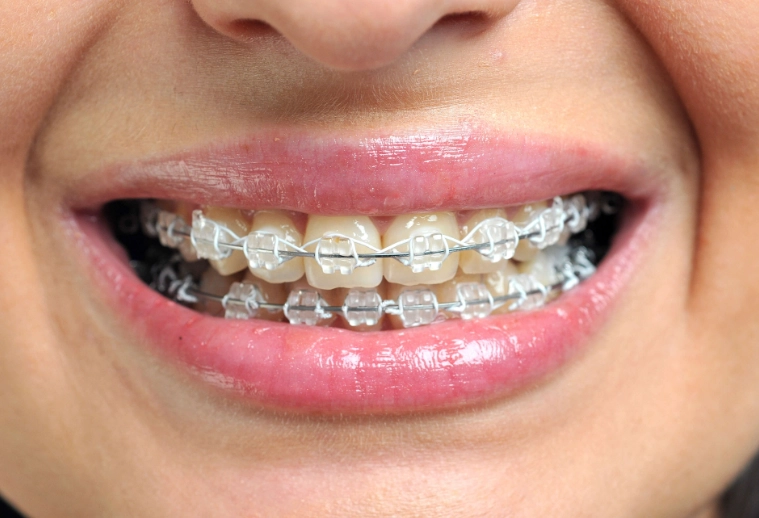
The Million-Dollar Question: How Much Do Braces Actually Cost?
This is the biggest hurdle for most people. The sticker shock is real. As the table showed, full treatment in the U.S. typically ranges from $3,000 to over $10,000. Why such a huge range?
- Case Complexity: A simple 12-month treatment for minor spacing costs far less than a 30-month treatment for a severe skeletal mismatch.
- Type of Appliance: As we saw, lingual and clear aligners command a premium.
- Geographic Location: Orthodontics in a major metro area costs more than in a rural town.
- The Orthodontist's Experience: Highly sought-after specialists may charge more.
Most orthodontists offer payment plans, often interest-free, to spread the cost over the treatment period. Dental insurance with orthodontic coverage for children (and sometimes adults) can help, but there's usually a lifetime maximum benefit (e.g., $1,500-$2,000). It's a subsidy, not full coverage. Some flexible spending accounts (FSAs) or health savings accounts (HSAs) allow you to pay with pre-tax dollars. Always, always get a detailed written treatment plan and cost estimate before you start. It should outline the total fee, what's included, the estimated treatment time, and the payment options.
Common Questions & Concerns (The Stuff You're Really Wondering)
Making the Decision: Is It Right for You?
Only a consultation with a qualified orthodontist can tell you for sure. They'll take X-rays, photographs, and impressions to create a precise diagnosis and treatment plan. Come prepared with questions. Ask about their experience with your specific type of problem and the appliance you're considering. Ask to see before-and-after photos of similar cases.
Getting braces on your teeth is a significant commitment of time, money, and effort. It's not always comfortable or convenient. But for the vast majority of people who go through with it, the result—a healthy, functional, and confident smile—is worth every moment of hassle, every bowl of soup, and every dental appointment. It's an investment in yourself that pays dividends for decades.
Take your time, do your research, and choose a path that feels right for your life.