That sudden, sharp zing when you sip ice water or bite into something sweet isn't just annoying—it's your teeth sending a distress signal. Tooth sensitivity is incredibly common, but here's the good news: it's also highly manageable. You don't have to just live with it. Effective management combines understanding the "why" behind the pain with actionable, daily strategies and knowing when to call in the pros.
Your Quick Guide to a Pain-Free Smile
Why Are My Teeth So Sensitive?
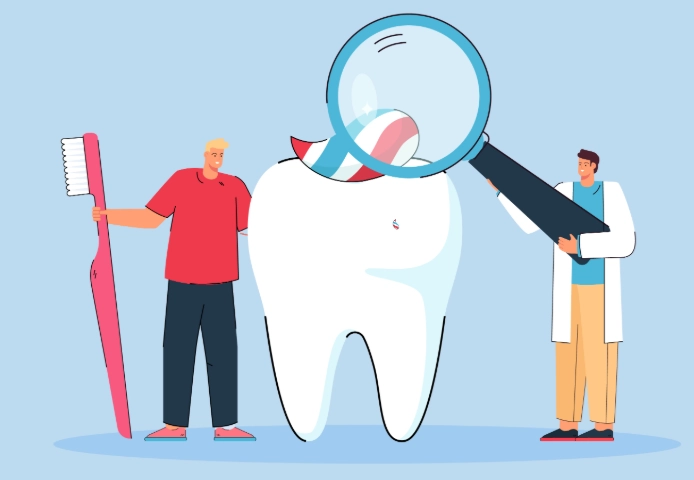
Think of your tooth like an onion. The outer layer, enamel, is the hard, protective shell. Underneath that is dentin, a porous material full of microscopic tubules. At the core is the pulp, where the nerves live. Sensitivity happens when the dentin gets exposed. Those tubules act like little highways straight to the nerve. Heat, cold, acidity—anything can zoom down there and cause that familiar jolt.
So, what strips away the protection? It's usually one of these culprits:
- Overzealous Brushing: Scrubbing too hard or using a hard-bristled brush wears down enamel and can cause gum recession. I've seen patients who think harder brushing equals cleaner teeth, and they're literally brushing their gums away.
- Acidic Foods and Drinks: Soda, citrus fruits, wine, even some salad dressings. Acid softens enamel, making it easier to erode. It's a silent process—you won't feel it happening until it's too late.
- Gum Recession: Often from gum disease or that hard brushing. It exposes the tooth root, which isn't covered by enamel at all, just a softer layer called cementum.
- Tooth Grinding (Bruxism): This habit, often during sleep, can crack enamel and expose dentin. Many people don't even know they do it until a dentist points out the flat, worn surfaces.
- Recent Dental Work: It's normal to have some temporary sensitivity after a filling, crown, or even a professional cleaning. It should settle within a few weeks.
A subtle mistake few talk about: People often blame sensitivity solely on "thin enamel." While that's part of it, the bigger issue is often dentin permeability. Even with minor enamel wear, if those tubules are wide open, you'll feel it. The goal of many treatments isn't to regrow enamel (which you can't do) but to plug those tubules or calm the nerve inside. That's a key mindset shift.
Your At-Home Sensitivity Defense Plan
This is where you take back control. Managing sensitivity daily is about gentle care and smart product choices.
How to Choose the Right Desensitizing Toothpaste
Not all sensitive toothpastes are created equal. They work by using active ingredients to block those dentin tubules or soothe the nerve. You need to use them consistently for at least 2-4 weeks to see a real difference. The biggest error? Using it like regular toothpaste—a quick brush and rinse. For maximum effect, after brushing, try smearing a little extra paste on the sensitive areas and leave it there for a few minutes before spitting out the excess.
Here’s a breakdown of the common active ingredients and what they do:
| Active Ingredient | How It Works | Common Brand Examples | Best For |
|---|---|---|---|
| Potassium Nitrate | Calms the nerve inside the tooth, reducing its ability to send pain signals. | Sensodyne (many variants), Colgate Sensitive | General, nerve-based sensitivity. Takes time to build up effect. |
| Strontium Chloride / Acetate | Physically blocks the open dentin tubules. | Some older Sensodyne formulas | Blocking tubules. Less common now. |
| Stannous Fluoride | Blocks tubules and has anti-bacterial properties, good for gum health. | Parodontax for Sensitive Teeth, Crest Gum and Sensitivity | Sensitivity linked to gum recession or gingivitis. |
| NovaMin (Calcium Sodium Phosphosilicate) | Forms a protective, tooth-like layer over exposed dentin. A physical barrier. | Sensodyne Repair & Protect, some dental office brands | Significant dentin exposure. Requires saliva to activate. |
The Gentle Brushing & Flossing Protocol
Force doesn't equal clean. A soft-bristled brush is non-negotiable. Use a gentle, circular motion, focusing on the gum line where plaque builds up. Think of it as massaging your teeth, not scrubbing a pan. Electric toothbrushes with pressure sensors are fantastic for training yourself. As for flossing, be gentle but thorough. Snapping the floss down can traumatize gums. Guide it carefully down the side of each tooth.
Smart Dietary Adjustments
You don't have to give up coffee or oranges forever. The trick is timing and technique. Don't brush your teeth immediately after having something acidic (like orange juice or soda). The enamel is in a softened state. Wait at least 30-60 minutes for saliva to naturally remineralize and harden it again. Drinking acidic beverages through a straw can help bypass your front teeth. Rinse with water afterward to neutralize the acid.
When to Seek Professional Help for Sensitive Teeth
If your at-home efforts aren't cutting it after a month, or if the pain is severe and localized to one tooth, it's time to see a dentist. This isn't a failure—it means you need a stronger intervention. Persistent sensitivity can be a symptom of a cracked tooth, a large cavity, or a failing filling, which won't get better with toothpaste alone.
Here’s what a dentist can offer:
- Prescription-Strength Fluoride Gel or Varnish: Applied in-office, this high-concentration fluoride helps strengthen enamel and dentin far more effectively than over-the-counter products.
- Dental Bonding or Sealants: For exposed root surfaces, a dentist can apply a tooth-colored resin to cover and seal the area. It's a quick, non-invasive procedure.
- A Custom Night Guard: If grinding is the culprit, a guard made from a mold of your teeth is the gold standard. The cheap boil-and-bite ones from the pharmacy often cause more problems by encouraging your jaw to shift.
- Gum Grafting: In cases of significant gum recession, a periodontist can take tissue from another part of your mouth to cover the exposed root. It's more involved but can be a permanent solution.
- Root Canal Therapy: This is the last resort for severe, untreatable sensitivity. It removes the inflamed nerve entirely. It sounds scary, but it's a highly successful procedure to eliminate pain and save the tooth.
Building Long-Term Habits to Protect Your Smile
Managing tooth sensitivity isn't a one-time fix; it's a lifestyle adjustment. Consistency is everything. Stick with your desensitizing toothpaste even after you feel better—it's maintenance. Get regular check-ups and cleanings. Your hygienist can spot early enamel wear or gum issues you might miss. And be mindful of your habits. If you catch yourself clenching during the day, place your tongue between your teeth to break the cycle.
Remember, enamel doesn't grow back, but dentin can remineralize to some degree, and those tubules can stay plugged with the right care. You're not just masking pain; you're actively improving the health of your teeth.
Your Top Sensitivity Questions, Answered