Let's be honest. A night guard for teeth grinding isn't a glamorous purchase. You won't show it off to friends. But if you're one of the millions who grind or clench their teeth at night (a condition called bruxism), getting the right one might be the most important health investment you make this year. It's not just about saving your teeth from wearing down to nubs—though that's a big part of it. It's about stopping the morning headaches that feel like a vise on your temples, easing the constant ache in your jaw joints (TMJs), and finally getting a restful sleep without your own body working against you.
I've worked as a consultant in dental sleep medicine for over a decade. The most common regret I hear? "I wish I hadn't waited so long." People endure years of pain, spend thousands on cracked fillings and crowns, all while a relatively simple device could have put a stop to it.
What's Inside This Guide?
- What Exactly Is a Night Guard and How Does It Work?
- The Night Guard Spectrum: From Dentist-Made to Drugstore
- How to Choose the Right Night Guard for You
- Life With Your Night Guard: Fitting, Care, and Real Expectations
- Beyond the Guard: Addressing the Root of Grinding
- Your Top Night Guard Questions, Answered
What Exactly Is a Night Guard and How Does It Work?
Think of a night guard as a shock absorber and a spacer. When you grind or clench, immense force is applied to a very small surface area—the tips of your teeth. Over time, this erodes enamel, causes microfractures, and can lead to teeth becoming shorter, sensitive, or even cracked.
The guard, typically worn on the upper teeth, creates a physical barrier. It does two critical things:
- Redistributes Force: Instead of tooth-on-tooth contact, the force is spread across the entire surface of the guard and the arch of your teeth.
- Provides a Sliding Surface: It allows your lower jaw to slide slightly, which can help relax the overworked masseter muscles (the big chewing muscles in your cheeks).
It's a misconception that a guard "cures" grinding. It manages the damage. For many, the muscle relaxation it provides can actually reduce the intensity and frequency of episodes. The American Dental Association notes that bruxism is a common behavior often linked to stress and sleep disorders, and an occlusal guard (their term for it) is a primary management tool.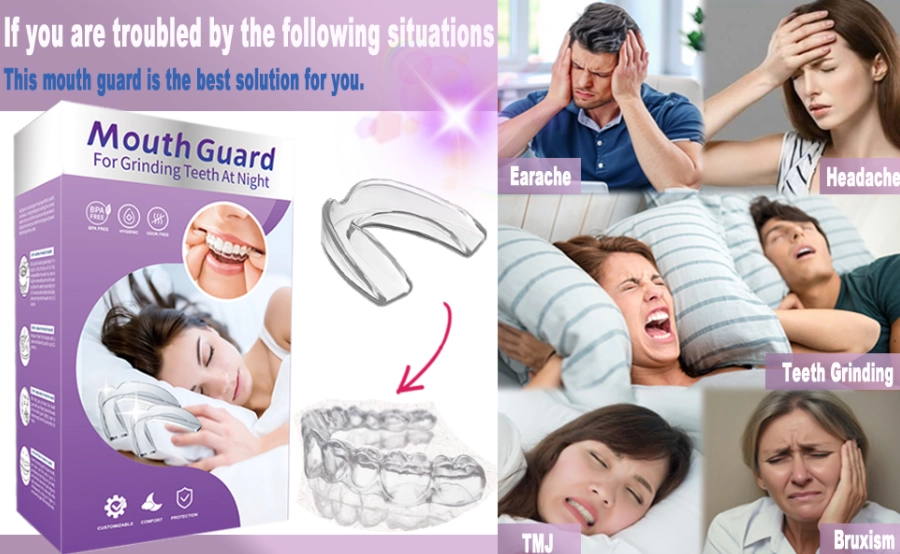
How do you know if you need one? Your dentist might point out flat, worn teeth. But your body gives signals too: waking with a tight, sore jaw, frequent dull headaches centered at your temples, tooth sensitivity for no clear reason, or even noticing that your jaw muscles look enlarged ("square jaw"). Your partner might hear the grinding. If this sounds familiar, talking to a dentist is your next step.
The Night Guard Spectrum: From Dentist-Made to Drugstore
Not all night guards are created equal. The differences aren't just about comfort; they're about safety, effectiveness, and long-term cost. Here’s the breakdown.
| Type | How It's Made | Average Cost (USD) | Best For | The Reality Check |
|---|---|---|---|---|
| Custom Hard Acrylic (Dentist-Made) | Dental impressions sent to a lab. Durable, medical-grade acrylic. | $500 - $1,000+ | Heavy grinders, clenchers, long-term use, TMJ disorder. | The gold standard. Precise fit protects teeth and jaw joints best. Lasts 5+ years. |
| Dual-Laminate / Soft-Core (Dentist-Made) | Lab-made with a hard exterior and soft interior lining. | $400 - $800 | Those who find hard guards uncomfortable but need durability. | Excellent balance. Soft layer cushions, hard shell prevents bite-through. |
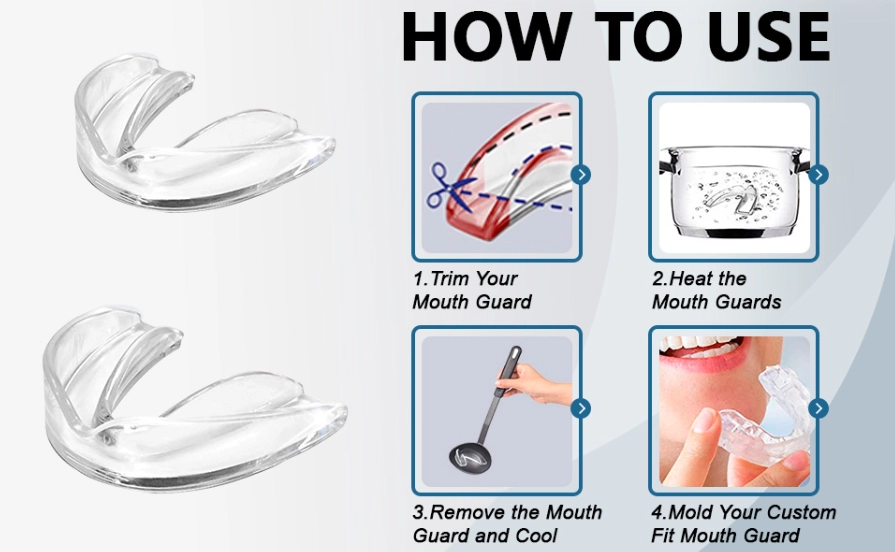
| Boil-and-Bite (Store-Bought) | You soften it in hot water and bite down to mold it. | $20 - $100 | Trying out guard therapy, temporary use, very tight budget. | Fit is mediocre. Often too thick, can trigger more grinding. May dislodge. Replace every 6-12 months. |
| Direct-to-Consumer (Online Impression Kit) | You take putty impressions at home, mail them in. | $100 - $300 | Cost-conscious seekers of a better fit than boil-and-bite. | Hit or miss. Quality varies wildly. Your impression skills are key. Lacks professional bite analysis. |
Here's the expert nuance most blogs miss: a poorly fitted, bulky guard can actually increase clenching. Your jaw muscles might work harder against the foreign object. I've seen patients who bought a thick, soft boil-and-bite guard and their morning headache got worse. The guard was protecting their teeth from wear, but it became a chew toy, exacerbating the muscle strain.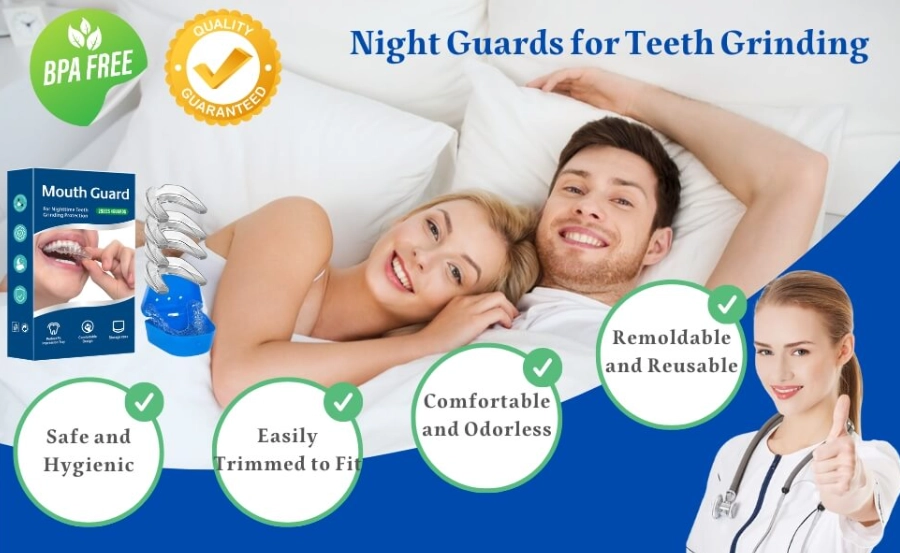
How to Choose the Right Night Guard for You
This isn't a one-size-fits-all decision. Your choice depends on the severity of your bruxism, your anatomy, and your budget. Let's walk through the decision points.
Scenario 1: The Heavy Grinder or Chronic Clencher
You wake up exhausted, your jaw is constantly sore, and your dentist has mentioned significant wear. You likely need a custom hard acrylic guard. Yes, it's the most expensive upfront. But it's the most precise, durable, and therapeutic. It's designed to hold your jaw in an optimal, slightly relaxed position (called "mutually protected occlusion"), not just block contact. This is a medical device, not just a piece of plastic. Insurance often covers part of the cost if you have a documented bruxism diagnosis.
Scenario 2: The "I Think I Grind" or Occasional User
Your symptoms are mild—maybe some occasional morning tightness. You're not sure if you'll tolerate a guard. A dual-laminate guard is a great starting point if you can swing it. If budget is the primary constraint, a reputable direct-to-consumer brand (read lots of independent reviews) can be a middle ground. Consider it an experiment. If it helps, you've validated the need. If it doesn't fit right or makes things worse, you know a professional option is necessary.
The Boil-and-Bite Caveat
I only recommend these for two situations: as a very short-term holdover until you get a professional guard (you're waiting for your dental appointment), or for someone who grinds only during periods of extreme stress (finals week, a big project) a few times a year. They are not a long-term solution.
Life With Your Night Guard: Fitting, Care, and Real Expectations
You've got your guard. Now what? The first week is an adjustment period. It might feel bulky. You might produce more saliva. This is normal. Wear it for an hour or two before bed to get used to the sensation.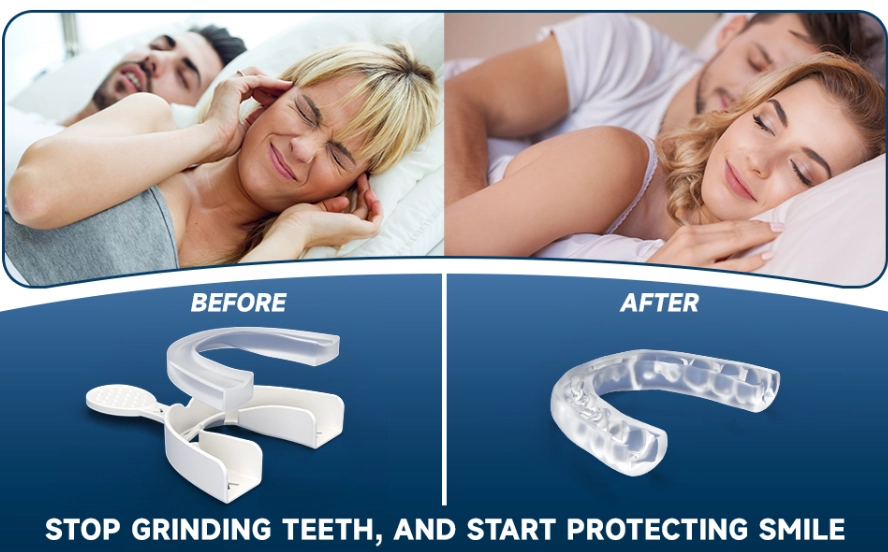
Cleaning is non-negotiable. A dirty guard is a petri dish in your mouth and can cause infections or stomach issues. Never use toothpaste—the abrasives scratch it. Use a soft brush and antibacterial soap or a dedicated cleaner. Soak it weekly in a diluted vinegar solution (1:3 with water) to dissolve tartar. Always let it air-dry fully before storing in its vented case.
Realistic expectations: Your jaw soreness and headaches should improve within days to a couple of weeks. The guard stopping tooth wear is immediate. It might not eliminate grinding sounds entirely. The goal is damage control and symptom relief.
Beyond the Guard: Addressing the Root of Grinding
A night guard is a fantastic management tool, but it's treating a symptom. Bruxism is often a signpost for other issues. Think of the guard as your helmet while you work on fixing the bike trail.
- Stress & Anxiety: This is the big one. Consider stress-reduction techniques—mindfulness, therapy, regular exercise. Your jaw is a common place to hold physical tension.
- Sleep Apnea: There's a strong link. Your body might grind as a reflex to try and open a blocked airway. If you snore loudly, gasp for air at night, or have crushing daytime fatigue, ask your doctor about a sleep study. This is crucial.
- Caffeine & Alcohol: Both can exacerbate grinding, especially later in the day.
- Jaw Alignment & Posture: A dentist or physical therapist specializing in TMJ can assess this.
Addressing these areas can, over time, reduce your reliance on the guard or at least make your bruxism more manageable.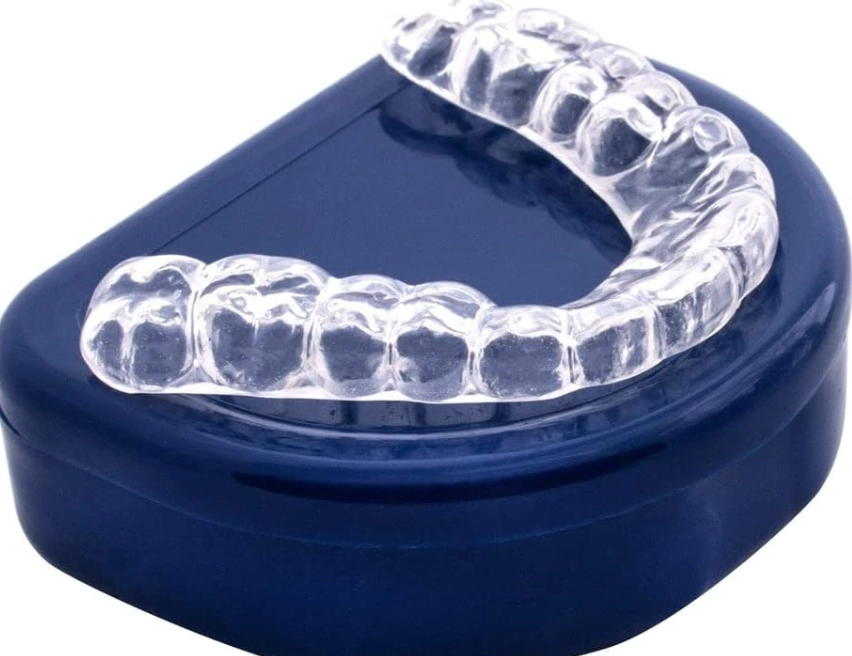
Your Top Night Guard Questions, Answered
It doesn't cure bruxism, but it acts as a crucial protective barrier. It prevents the upper and lower teeth from making destructive contact, absorbing the force and redistributing it. This stops the wear and tear on your enamel, reduces muscle strain in your jaw, and can significantly lessen headaches and jaw pain. Think of it like a helmet for your teeth—it doesn't prevent the fall, but it prevents the injury.
The biggest mistake is using toothpaste. The abrasives in toothpaste can create microscopic scratches on the guard's surface, making it a perfect home for bacteria and causing it to yellow faster. Instead, brush it daily with a soft toothbrush and mild, non-abrasive soap or a dedicated denture cleaner. Soak it weekly in a solution of one part white vinegar to three parts water for 15 minutes to kill bacteria and dissolve tartar, then rinse thoroughly. Always let it air-dry on a clean towel, not in a closed case.
 How long should a professionally made night guard last?
A high-quality, dentist-made night guard, with proper care, should last between 3 to 5 years, sometimes longer. The lifespan depends entirely on the severity of your grinding (clenchers often wear them out slower than vigorous grinders) and your maintenance routine. Signs you need a replacement include visible thinning, cracks, holes, a loose fit, or persistent pain returning despite using the guard. Don't wait until it's completely perforated—a compromised guard is ineffective.
Absolutely, and it might be even more important. Clenching involves sustained, intense pressure that can crack teeth and cause severe muscular pain. A properly fitted guard, especially a hard or dual-laminate one, provides a stable platform that prevents your jaw muscles from fully engaging at their maximum force. It can interrupt the clenching reflex and give your muscles a chance to relax, often providing more immediate relief from tension headaches and TMJ discomfort than for grinding alone.
Investing in a night guard for teeth grinding isn't exciting. But the payoff—preserving your natural smile, ending chronic pain, and sleeping peacefully—is one of the most practical forms of self-care you can give yourself. Start the conversation with your dentist. Your future self, with intact teeth and a relaxed jaw, will thank you.