What's Inside This Guide
Let's be honest, we all know sugar is bad for our teeth. Your dentist has said it, your mom said it, even the TV said it. But here's the thing most people get wrong: it's not just how much sugar you eat, it's how often and in what form you consume it. I've seen patients who swear they barely touch sweets but are baffled by their recurring cavities. The real story of sugar and tooth decay is more nuanced, and frankly, more interesting.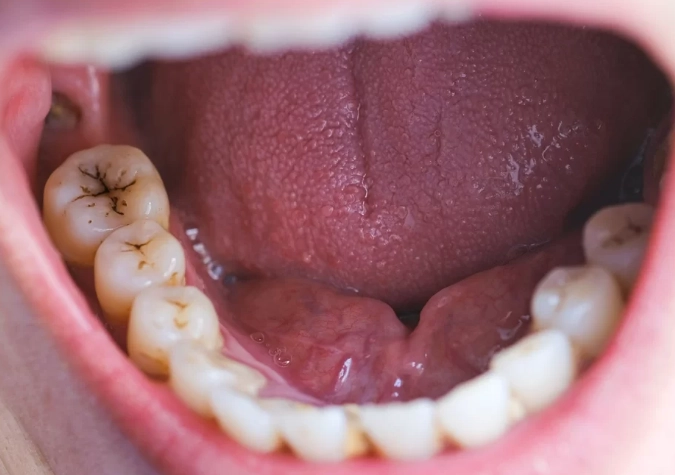
This isn't about guilt-tripping you into giving up dessert forever. It's about understanding the mechanics so you can make smarter choices. Because you can enjoy sugar and still have healthy teeth—you just need to know the rules of the game.
How Does Sugar Actually Cause Cavities? (The Acid Attack Cycle)
Forget the old "sugar eats your teeth" line. It's not the sugar itself doing the drilling. The villain is the bacteria living in dental plaque—a sticky film on your teeth. The main culprit is a strain called Streptococcus mutans. These bacteria love sugar (specifically, fermentable carbohydrates) more than you do.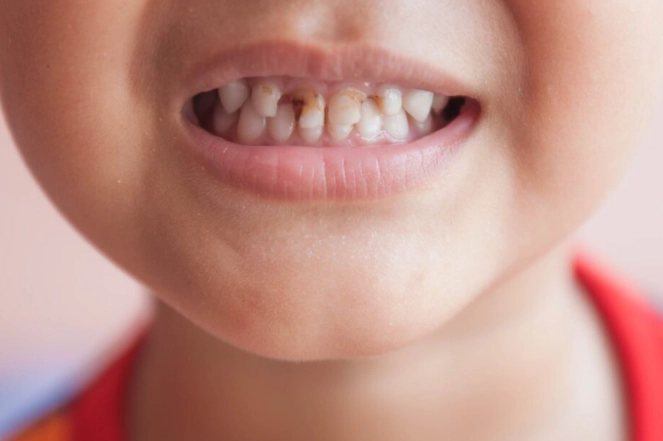
Here’s the step-by-step breakdown of what dentists call the "acid attack":
- Step 1: The Feast. You eat a cookie, drink a soda, or even have a piece of bread. Sugars and starches linger in your mouth.
- Step 2: The Party. The bacteria metabolize these sugars. It's their primary food source.
- Step 3: The Byproduct. As they digest the sugar, they produce acids (mainly lactic acid) as a waste product.
- Step 4: The Attack. This acid starts to dissolve the mineral crystals (calcium and phosphate) in your tooth enamel. This process is called demineralization.
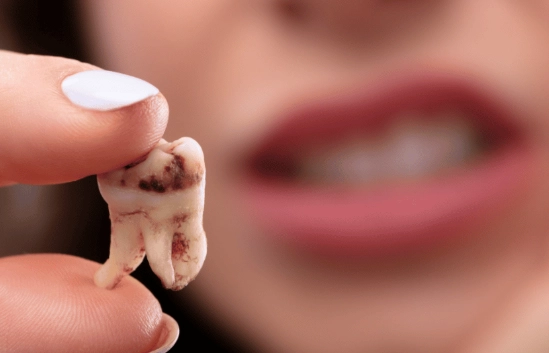
Now, your mouth isn't defenseless. Your saliva is the hero here. It works to dilute and wash away the acids and sugars, and it contains minerals that can repair the enamel through remineralization. The problem starts when acid attacks happen more frequently than your saliva can repair them. That's when a weak spot forms, and eventually, a cavity (a hole) develops.
The Key Insight Most People Miss: The length of the acid attack matters more than the amount of sugar in one sitting. Sipping a sugary latte for an hour creates one long, sustained acid attack. Eating a chocolate bar quickly and then drinking water creates a shorter, more manageable one. Frequency is your enemy.
Beyond Candy: The Sneaky Places Sugar Hides in Your Diet
This is where people get tripped up. You might avoid obvious candy, but your teeth are under constant assault from other sources. The World Health Organization recommends limiting free sugars to less than 10% of total energy intake, but these sugars are everywhere.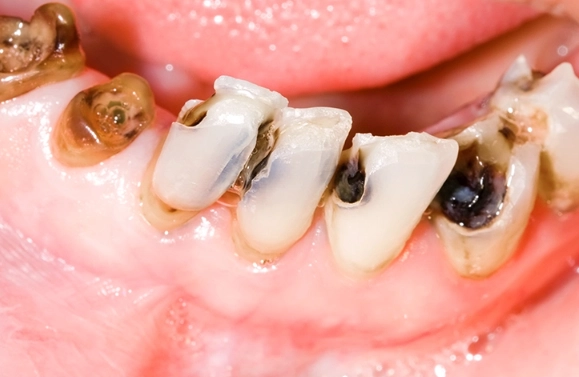
Let's look at a typical day. Breakfast might be a "healthy" flavored yogurt and a glass of orange juice. Lunch could be a store-bought pasta salad with a sweet dressing and a can of iced tea. An afternoon snack might be a granola bar or dried fruit. Dinner? Maybe a stir-fry sauce loaded with sugar or a glass of wine. Every single one of these is a sugar event for your oral bacteria.
| Common "Healthy" or Unsuspected Item | Approximate Teaspoons of Sugar (1 tsp ≈ 4g) | Why It's a Problem for Teeth |
|---|---|---|
| Flavored Yogurt (single serve) | 4-7 tsp | Often eaten slowly, coats teeth, acidic. |
| Granola Bar | 3-5 tsp | Sticky, gets lodged in grooves. |
| Barbecue Sauce (2 tbsp) | 3-4 tsp | High sugar, acidic, often not associated with sweets. |
| Dried Cranberries or Mango | High concentration, often added sugar | Extremely sticky and adhesive. Clings to teeth for a long time. |
| Sports Drink | 5-9 tsp | Acidic, sipped over time, bathes teeth in sugar-acid bath. |
| Instant Oatmeal (flavored packet) | 3-4 tsp | Mushy, sticks to teeth easily. |
See the pattern? It's the stickiness and the frequency. A raisin or a cracker can be just as cariogenic (cavity-causing) as a gummy bear because it physically sticks in the pits and fissures of your molars, providing a long-term sugar supply for bacteria.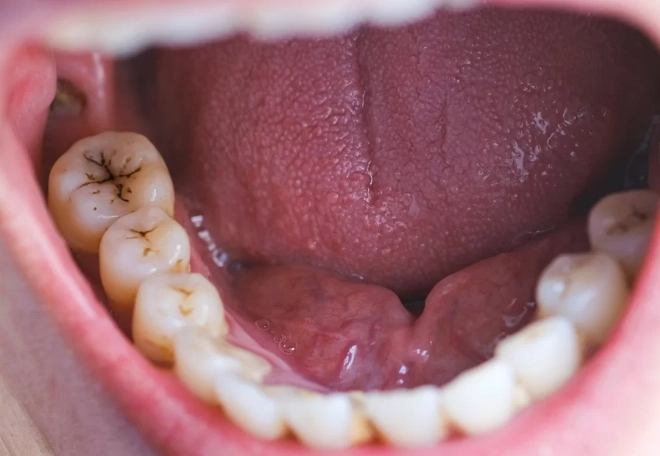
Your Action Plan: Practical Strategies to Protect Your Teeth
Knowing the problem is half the battle. Here’s the other half—a realistic, actionable defense plan. You don't need perfection, just smarter habits.
1. Rethink Your Eating and Drinking Patterns
This is the single most effective change. Cluster your sugar intake. If you want dessert, have it with your meal, not as a separate snack two hours later. During a meal, saliva flow is higher, helping to neutralize acids. Avoid grazing and sipping on sugary or acidic drinks throughout the day. Drink sweetened coffee or soda quickly, with a meal, and then switch to water. Use a straw for sugary drinks to bypass your front teeth somewhat.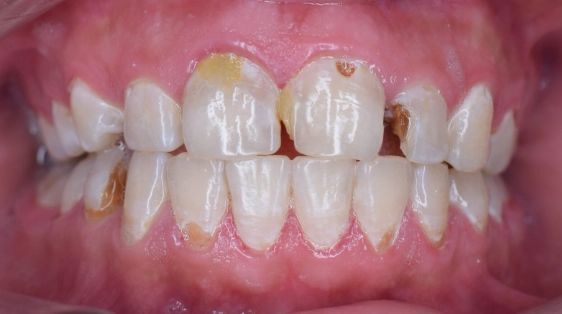
2. Choose Tooth-Friendly Alternatives
When you need a snack, think of cheese, nuts, or plain yogurt. Cheese can actually help neutralize plaque acid. If you crave sweet, fresh fruit is a better choice than dried fruit or juice—the fiber and water content help clean teeth. Sugar-free gum sweetened with xylitol is a great choice after a meal; it stimulates saliva flow and xylitol actually interferes with the bacteria's ability to produce acid.
3. Master the Timing of Your Oral Hygiene
Brushing right after a sugary or acidic snack is a common mistake. Your enamel is soft. Wait at least 30-60 minutes. In the meantime, rinse vigorously with water. Chew that xylitol gum. Floss at night to remove the food particles bacteria would feast on overnight. Use a fluoride toothpaste—fluoride is like armor for your enamel, making it more resistant to acid attacks and aiding in remineralization.
A Personal Observation: I've noticed the patients who struggle most with cavities are often the "healthy grazers"—sipping lemon water all day, eating small meals of dried fruit and crackers. Their constant, low-level acid exposure overwhelms their saliva's repair mechanisms. Sometimes, eating less frequently is the better dental strategy.
4. Leverage Your Saliva
Stay hydrated with water. Dry mouth is a cavity risk factory. If you take medications that cause dry mouth, talk to your doctor or dentist. They might recommend specific rinses or saliva substitutes.
Your Top Questions on Sugar and Teeth, Answered
The relationship between sugar and tooth decay isn't a simple on/off switch. It's a balance between attack and repair. By understanding the hidden sources of sugar, managing the frequency of exposure, and timing your oral care wisely, you tip the scales heavily in favor of your saliva's natural repair system. You don't have to live in fear of sugar, just a little more respect for its power—and the power of your own habits to counter it.