Quick Navigation
- Forget Everything You Think You Know: The Step-by-Step Guide to Brushing Teeth
- The Tools of the Trade: Picking Your Weapon
- The Top 5 Mistakes Everyone Makes (And How to Fix Them)
- Special Situations: It's Not One-Size-Fits-All
- What About Flossing and Mouthwash?
- Answers to the Weird Questions You Were Afraid to Ask
- Putting It All Together: Your Daily Game Plan
- Final Thoughts
Okay, let's be honest. You've been brushing your teeth since you were what, five? It feels like the most basic task in the world. Grab brush, add paste, scrub for a bit, rinse, done. Right?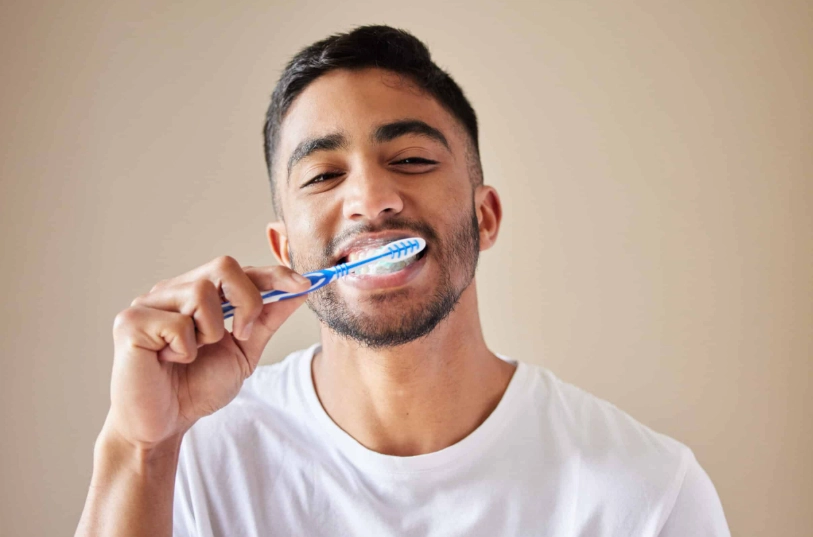
Well, I thought so too, until a dentist friend of mine looked at my technique and basically winced. Turns out, I was making almost every mistake in the book. I was brushing way too hard, going way too fast, and missing entire sections of my mouth. I was so confident, yet so wrong. And the consequences weren't just about cavities—I was actually wearing down my enamel and irritating my gums. Not great.
So, I went down a rabbit hole. I talked to dentists, read studies from places like the American Dental Association (ADA), and even watched tutorials from periodontal specialists. What I learned completely changed my routine. This isn't about shaming anyone. It's about sharing what actually works, so you can get the most out of those two minutes, twice a day.
Forget Everything You Think You Know: The Step-by-Step Guide to Brushing Teeth
This is the core of it all. The proper way to brush your teeth. We're going to break it down slowly, because the devil is in the details.
Step 1: The Setup (It's More Important Than You Think)
First, your tools matter. You don't need the fanciest electric brush on the market (though they can help), but you do need the right basics.
- Toothbrush: Soft bristles. Always soft. Medium and hard bristles can damage gums and enamel over time. The head should be small enough to comfortably reach the back teeth.
- Toothpaste: A fluoride toothpaste. Fluoride is your enamel's best friend, helping to remineralize and strengthen it. The fancy whitening or herbal versions are fine, but fluoride is the non-negotiable active ingredient.
- Water: Just a damp brush. Don't soak it under the tap before adding paste—it creates too much foam too fast, making you want to spit and finish early.
Step 2: The Angle & The Motion (The Secret Sauce)
This is where most routines fall apart. You don't brush straight on.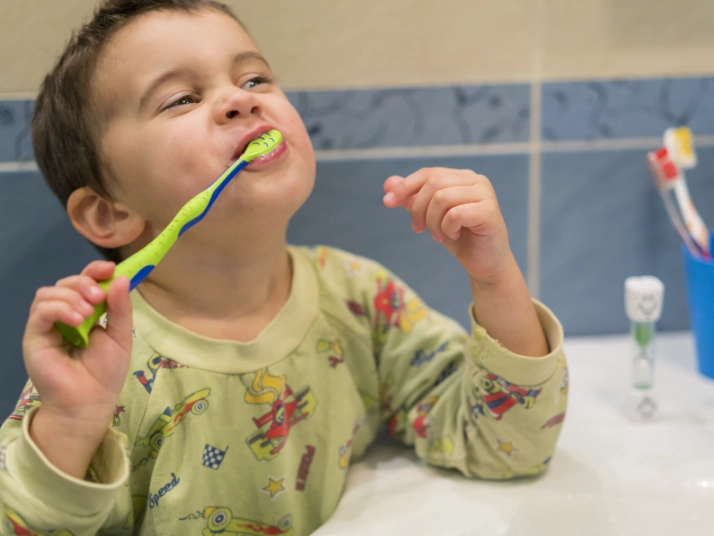
Position your brush at a 45-degree angle to your gums. The bristles should be aimed where your tooth meets your gum—that sulcus, or little groove, is where plaque loves to hide. This angle is the cornerstone of the Bass Technique, which is widely recommended by periodontists for effective plaque removal at the gumline.
The motion is a gentle jiggle or short back-and-forth vibratory movement. Think of it as dislodging plaque, not scrubbing a stain off a pot. Cover just one or two teeth at a time.
Scrub straight up and down? That's for cleaning fence posts, not teeth.
Step 3: The Systematic Route (Don't Just Wander!)
Your mouth has four quadrants: upper right, upper left, lower right, lower left. Pick one and stick to it. Spend about 30 seconds on each quadrant for a full two minutes.
- Outer Surfaces: Start with the cheek-side surfaces of your teeth in your chosen quadrant, using that 45-degree angle.
- Inner Surfaces: Move to the tongue-side surfaces. For your front teeth, tilt the brush vertically and use an up-and-down motion with the tip of the brush.
- Chewing Surfaces: Hold the brush flat and use a gentle scrubbing motion on the tops of your molars and premolars, where grooves and pits trap food.
Don't forget the very back side of your last molars! It's a commonly missed spot.
Step 4: The Tongue & The Finish
Gently brush your tongue from back to front to remove bacteria and freshen breath. Then, spit out the excess toothpaste.
So, that's the fundamental blueprint for how to brush your teeth effectively. But honestly, just knowing the steps isn't enough. You need to know why they matter and what traps to avoid.
The Tools of the Trade: Picking Your Weapon
Manual vs. electric. It's the great debate. Here's my take after using both.
| Feature | Manual Toothbrush | Electric Toothbrush (Oscillating-Rotating) |
|---|---|---|
| Control | Full control over pressure and motion. This is good if you're disciplined, bad if you tend to scrub too hard. | Does the motion for you. Good for lazy or aggressive brushers. Many have pressure sensors that light up if you push too hard. |
| Effectiveness | Excellent when used with perfect technique (the Bass method). | Studies, including those summarized by the American Dental Association (ADA), generally show a slight edge in plaque removal and reducing gingivitis for powered brushes. |
| Cost & Convenience | Cheap, easy to travel with, no charging. | Higher upfront cost, requires charging, bulkier for travel. |
| My Personal Verdict | I keep a manual for travel. It's perfectly fine if you're mindful. | I use an electric daily. The timer ensures I brush for two full minutes, and the pressure sensor saved my gums from myself. |
The best brush is the one you'll use correctly and consistently. If an electric brush makes you more likely to brush properly for two minutes, it's worth it.
The Top 5 Mistakes Everyone Makes (And How to Fix Them)
Let's diagnose the common failures. See if any of these sound familiar.
- Brushing Too Hard: This is the big one. You're not cleaning a grill. Aggressive scrubbing wears down enamel (which doesn't grow back) and causes gums to recede. Fix: Use a gentle touch. Imagine you're polishing an eggshell. If your bristles are splayed out within a month, you're pushing way too hard.
- Brushing Too Fast: The two-minute rule exists for a reason. Rushing through in 45 seconds leaves plaque behind, especially between teeth and at the gumline. Fix: Use a timer. Your phone has one, or most electric brushes have built-in timers.
- Using a Worn-Out Brush: Frayed, bent bristles don't clean effectively. Fix: Change your brush (or brush head) every 3-4 months, or sooner if the bristles look worn.
- Brushing Right After Eating/Drinking Acid: Had orange juice, soda, or wine? Your enamel is in a temporarily softened state. Brushing immediately can wear it away. Fix: Wait at least 30-60 minutes after eating or drinking anything acidic before you brush. Rinse with water in the meantime.
- Ignoring the Gumline: Plaque builds up where the tooth meets the gum, not just on the shiny part of the tooth you can see. This is the prime spot for gingivitis to start. Fix: Remember that 45-degree angle! Aim those bristles at the gumline.
I was guilty of the first two for years. I thought a quick, powerful scrub was efficient. I was wrong on both counts.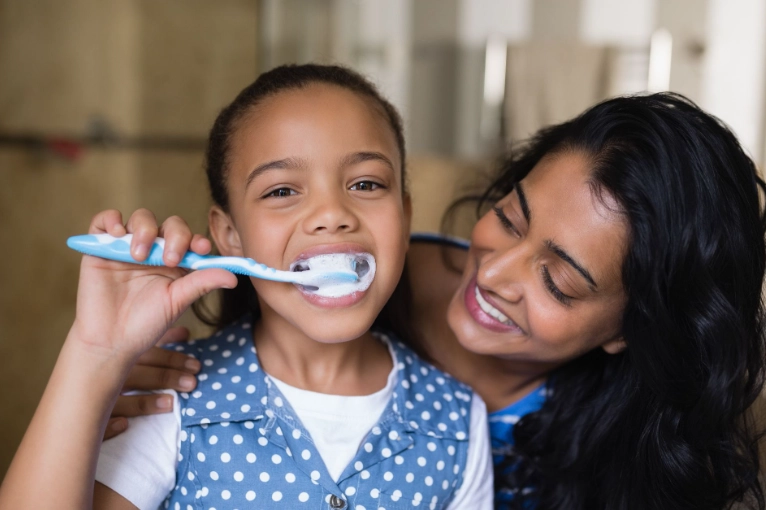
Special Situations: It's Not One-Size-Fits-All
The basic how to brush teeth method works for most, but life throws curveballs.
If You Have Sensitive Teeth
That sharp zing is a sign. Often, it's caused by receding gums or worn enamel (maybe from, ahem, brushing too hard).
- Use a toothpaste formulated for sensitive teeth (with ingredients like potassium nitrate or stannous fluoride). It takes a few weeks of consistent use to build up the effect.
- Be extra gentle. Seriously. Let the toothpaste do the work.
- Use a soft or extra-soft bristled brush.
- If sensitivity is sudden or severe, see a dentist to rule out cavities or cracks.
If You Have Braces or Aligners
Braces are plaque magnets. How to brush teeth with braces requires more time and specialized tools.
You'll need an interdental brush (like a little pipe cleaner) to get under the wires and around the brackets, in addition to your regular brushing. An electric brush with an orthodontic brush head can be super helpful. Take your time—this is non-negotiable.
For clear aligners (like Invisalign), you must brush your teeth before putting them back in. Otherwise, you're trapping plaque and food against your teeth for hours, inviting decay.
If You Have Dental Implants or Crowns
The artificial crown itself can't decay, but the tooth structure at the gumline and the surrounding gums absolutely can. Plaque buildup here can lead to peri-implantitis, a major cause of implant failure. Brush gently around these areas with a soft brush. Flossing is critical.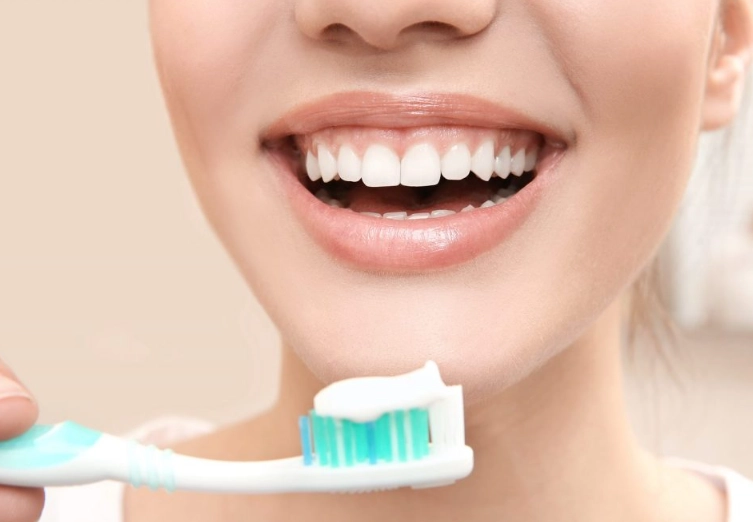
What About Flossing and Mouthwash?
Brushing alone only cleans about 60% of your tooth surfaces. The sides? That's floss's job.
Floss before you brush.
Why? It dislodges gunk from between teeth, allowing the fluoride in your toothpaste to better reach those interdental areas when you brush afterward. Don't just snap it down—curve it into a C-shape against one tooth, slide it up and down gently, then curve it against the neighboring tooth.
Mouthwash is an adjunct, not a replacement. A therapeutic mouthwash (like one with fluoride or essential oils) can be helpful. But if you use it, use it at a different time of day than brushing (e.g., after lunch) to prolong fluoride exposure. Avoid alcohol-based ones if you have a dry mouth—they can make it worse.
Answers to the Weird Questions You Were Afraid to Ask
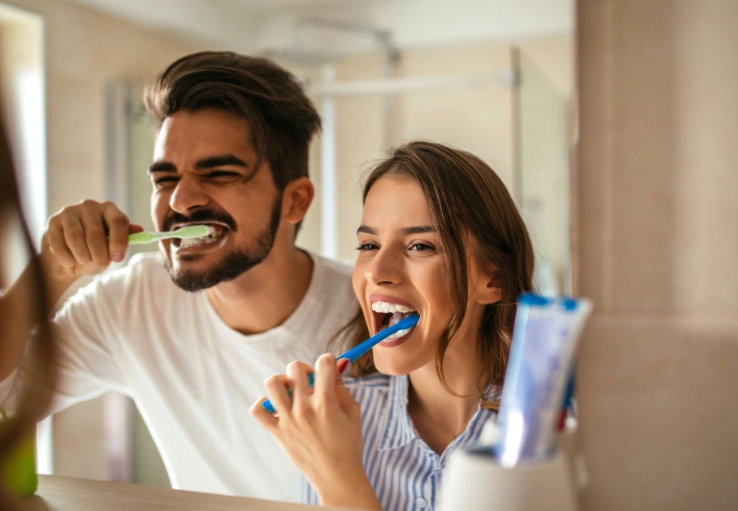
Putting It All Together: Your Daily Game Plan
So, after all this, what does the ideal day look like?
Morning: Brush for two minutes using the technique above. Spit, don't rinse. Go about your day.
After Lunch/Meals: Rinse well with water. Chew sugar-free gum if you want. Maybe use mouthwash if that's your thing.
Evening (The Most Important Session): Floss carefully. Then, brush thoroughly for two full minutes, paying extra attention to your problem areas. Spit out the paste. Do not eat or drink anything besides water after this.
It seems simple when laid out, but each step has a purpose. The evening routine removes the day's accumulation of plaque and gives fluoride all night to work.
Final Thoughts
Learning how to brush teeth properly feels a bit like learning to tie your shoes again as an adult. You think you've got it, but there's a more efficient, safer way that actually works better in the long run.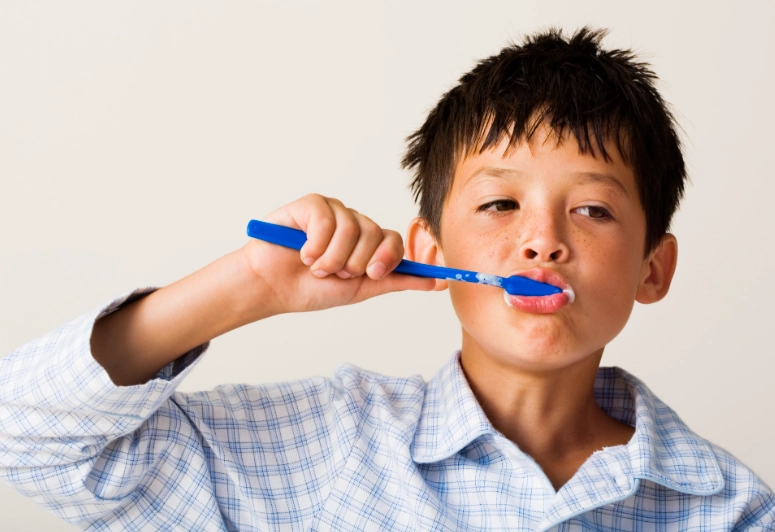
It's not about perfection every single time. Life happens. But aiming for this standard most of the time will make a tangible difference. Your next dental checkup will likely be smoother (less scraping!), your gums will feel firmer, and that fresh feeling will last longer.
I learned this the hard way, through a little gum recession and a lot of dentist feedback. You don't have to. Grab your soft brush, angle it, go gentle, and take your time. Your future self will thank you.
And remember, brushing is your primary defense, but it's not a solo act. Regular check-ups with a dental professional are essential. They can catch things you can't see and give you personalized advice, which is always better than a generic article online—even one as detailed as this!