That sudden, sharp zing when you sip ice water or bite into something sweet isn't just annoying—it's your teeth sending a distress signal. You're not imagining it, and you're definitely not alone. I've spent years talking to patients who thought they just had to live with sensitive teeth. The truth is, that pain is almost always a symptom of an underlying issue you can actually address. Let's cut through the noise and talk about what's really going on beneath the surface.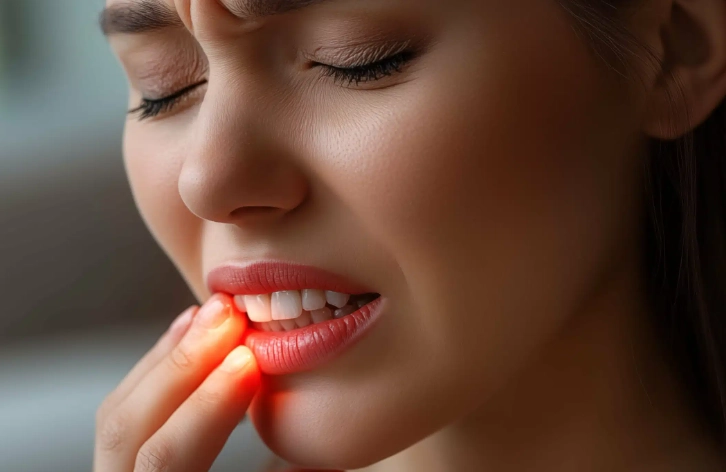
At its core, tooth sensitivity (or dentinal hypersensitivity, if you want the technical term) happens when the protective layers of your tooth are compromised. Think of your tooth like an onion. The hard, white outer shell is the enamel. Beneath that is a softer layer called dentin, which is full of microscopic tubules leading straight to the nerve center (the pulp). When enamel wears down or gums recede, exposing that dentin, hot, cold, sweet, or acidic stimuli can travel down those tubules and trigger that familiar jolt of pain.
What's Inside This Guide
#1 Culprit: Enamel Erosion (It's Not Just Sugar)
Everyone blames sugar for sensitive teeth, but acid is the real villain when it comes to eroding enamel. Sugar feeds bacteria that *produce* acid, but many things we consume are directly acidic. This is a nuance most articles miss.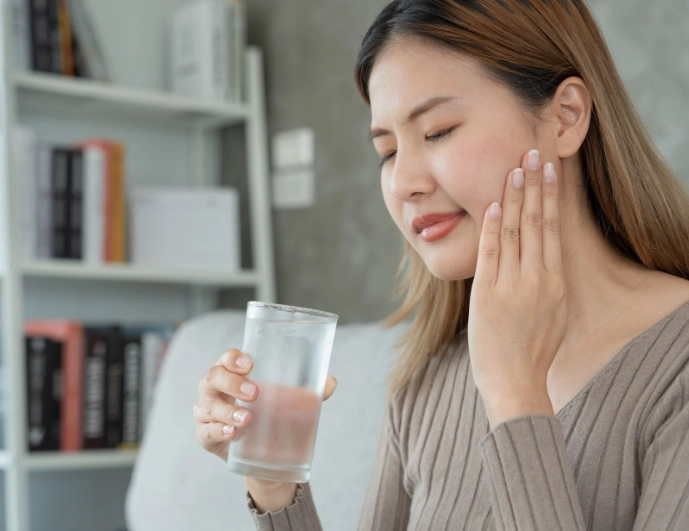
Enamel doesn't grow back. Once it's gone, it's gone. So the causes aren't just about what you eat, but *how* you consume it.
- Dietary Acids: This goes beyond soda. Citrus fruits (lemons, oranges, grapefruit), sports drinks, energy drinks, wine (especially white), and even some sparkling waters have a low pH. Sipping on lemon water all day is a classic way to slowly dissolve your enamel.
- Gastric Acid: This is a big one people don't connect. If you have frequent heartburn, acid reflux (GERD), or an eating disorder like bulimia, stomach acid in your mouth is incredibly corrosive. The acid from your stomach is far stronger than dietary acids.
- Brushing Too Soon: Here's a common mistake: brushing your teeth immediately after vomiting or drinking acidic beverages. Your enamel is in a softened state from the acid attack. Brushing then is like scrubbing a soft stone—you'll wear it away faster. Wait at least 30 minutes to let your saliva remineralize the surface.
Quick Tip: Use a straw for acidic drinks. It bypasses your front teeth. And rinse with water—not brush—after consuming anything acidic.
The Silent Problem: Gum Recession
Your gums are supposed to cover and protect the roots of your teeth. When they pull back, they expose cementum—a much softer material than enamel that covers the root. This area is packed with those pain-transmitting tubules and has zero armor against triggers.
Causes of gum recession aren't always aggressive brushing.
How Gum Disease Plays a Role
Periodontal (gum) disease is an inflammatory response to bacterial plaque. As the infection progresses, it destroys the bone and gum tissue that hold your teeth in place. Recession is a major sign. If your sensitivity is accompanied by bleeding gums, bad breath, or teeth feeling loose, gum disease is a likely culprit. The American Dental Association notes that periodontal disease is a leading cause of tooth loss in adults.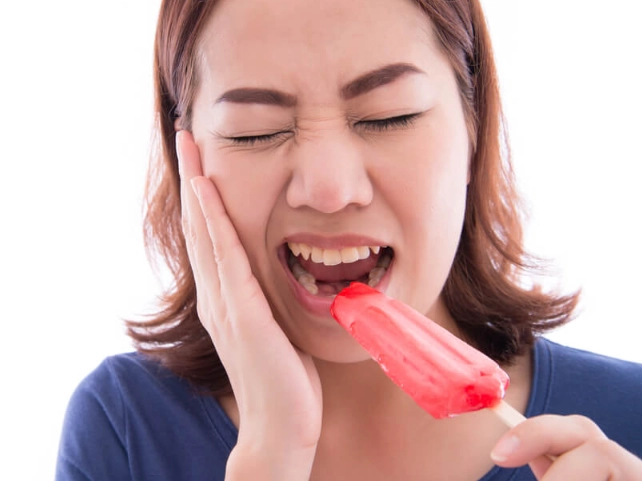
The Brushing Paradox
Yes, brushing too hard with a hard-bristled toothbrush can mechanically scrape gums away. But brushing *too little* or poorly leads to plaque buildup, which causes gum disease... which also leads to recession. It's about technique, not force. Use a soft-bristled brush and let the bristles do the work at a 45-degree angle to the gumline.
Grinding and Wear: The Slow Grind
Bruxism—clenching or grinding your teeth—often happens at night while you sleep. You might not even know you're doing it until a partner complains about the noise, or your dentist points out flattened, worn-down teeth.
This constant, intense pressure doesn't just cause jaw pain and headaches. It literally sandpapers away your enamel, especially on the biting surfaces, thinning it until the sensitive dentin is exposed. It can also cause tiny cracks in the enamel (craze lines) that allow sensations to penetrate.
Stress is a huge trigger for bruxism. Waking up with sore jaw muscles or a dull headache are telltale signs. The solution isn't just a nightguard (though that's crucial for protection). Managing stress through exercise, meditation, or therapy can address the root cause.
Whitening and Sensitivity: The Trade-Off
Almost all peroxide-based whitening products (gels, strips, in-office treatments) cause temporary sensitivity. The peroxide penetrates the enamel to break down stains, but it can also temporarily inflame the pulp (the nerve) and increase fluid flow in those dentinal tubules.
This sensitivity usually subsides a day or two after you stop treatment. The mistake people make is using whitening products too frequently or for longer than directed, hoping for faster results. This just prolongs the sensitivity. If you have existing sensitivity, talk to your dentist about lower-concentration products or ones containing potassium nitrate or fluoride to help block the pain during treatment.
Be wary of DIY whitening hacks like brushing with baking soda or activated charcoal. These are highly abrasive and can scratch away enamel, making sensitivity worse in the long run for a short-term brightness boost.
When It's More Serious: Decay and Cracks
Sensitivity can be an early warning sign of a cavity. As decay eats through the enamel and into the dentin, it creates a direct pathway to the nerve. The pain might start as just sensitivity to sweet things or cold, then progress to a persistent ache.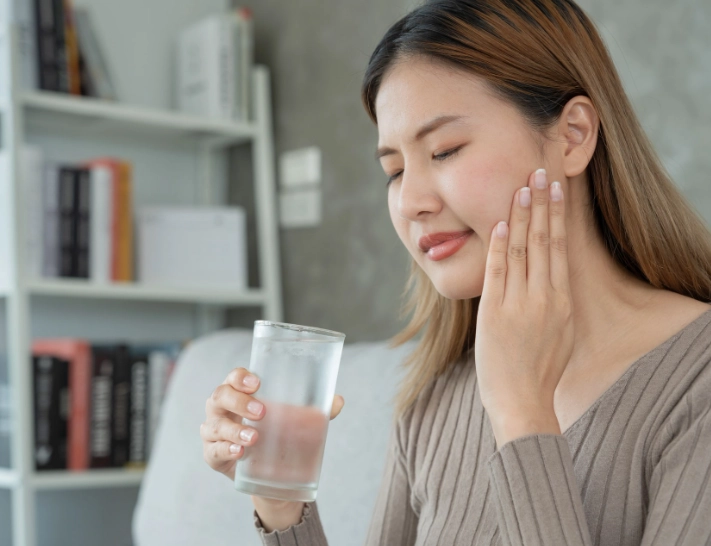
A cracked tooth is another serious cause. The crack can be microscopic, running from the chewing surface down toward the root. It flexes when you bite, irritating the pulp. The pain is often sharp and erratic—it might hurt when you release a bite, not just when you clamp down. This type of sensitivity won't get better with toothpaste; it needs professional intervention, often a crown, to hold the tooth together.
If your sensitivity is localized to one tooth and is severe or lingering, don't wait. See a dentist. A filling or crown can often eliminate the pain completely by sealing off the exposed areas.
Sensitivity After Dental Work
It's common to have some sensitivity after routine cleanings, fillings, or crown placements. During a cleaning, if there's significant tartar buildup below the gumline, removing it can briefly expose root surfaces. The tooth just needs time to "toughen up" a bit.
With fillings, especially deep ones, the process of preparing the tooth can irritate the nerve. Also, the different thermal conductivity of the filling material (like silver amalgam) compared to your natural tooth can sometimes transmit temperature changes more readily. This usually settles within a few weeks. If it doesn't, the filling might be high, causing excessive pressure when you bite, or there could be a microscopic gap allowing leakage.
What to Do Now: Immediate Relief & Long-Term Fixes
Okay, so you have sensitive teeth. What can you actually do about it?
Immediate, At-Home Strategies
- Switch to a Desensitizing Toothpaste: Look for potassium nitrate or stannous fluoride on the label. These ingredients work by either calming the nerve signal or blocking the dentinal tubules. The key is consistency—use it twice daily for at least two weeks to see full effect. Don't rinse heavily after brushing; just spit out the excess to leave a protective film.
- Use a Soft-Bristled Brush & Gentle Technique: Seriously, stop scrubbing. Think of it as massaging your teeth and gums.
- Fluoride is Your Friend: Use a fluoride mouthwash daily (one without alcohol, which can be drying). Ask your dentist about a prescription-strength fluoride gel for home use.
- Mind Your Diet: For a week, try cutting out obviously acidic foods and drinks. See if you notice a difference. It can be that direct.
Professional Treatments
If home care isn't enough, your dentist has stronger tools:
- In-Office Fluoride Varnish: A high-concentration fluoride treatment painted onto sensitive areas. It forms a strong protective layer.
- Dental Bonding: A tooth-colored resin can be applied to cover exposed root surfaces. This is a more permanent physical barrier.
- Gum Grafting: For severe recession, a periodontist can take a small piece of tissue from your palate and graft it over the exposed root. It protects the root and can improve aesthetics.
- Root Canal: This is the last resort for severe, untreatable sensitivity. It removes the nerve entirely, so the tooth can no longer feel pain. It sounds extreme, but it's a reliable way to eliminate pain while preserving the tooth structure.