Let’s get this out of the way first: you are not too old. The idea that braces are just for teenagers is as outdated as flip phones. Walk into any orthodontist’s office today, and you’ll see more adults in the waiting room than kids. The American Association of Orthodontists reports that adults now make up nearly 30% of all orthodontic patients. Why the shift? People are living longer, keeping their natural teeth, and realizing that a straight smile isn’t just about vanity—it’s about health, function, and a massive confidence boost at any age.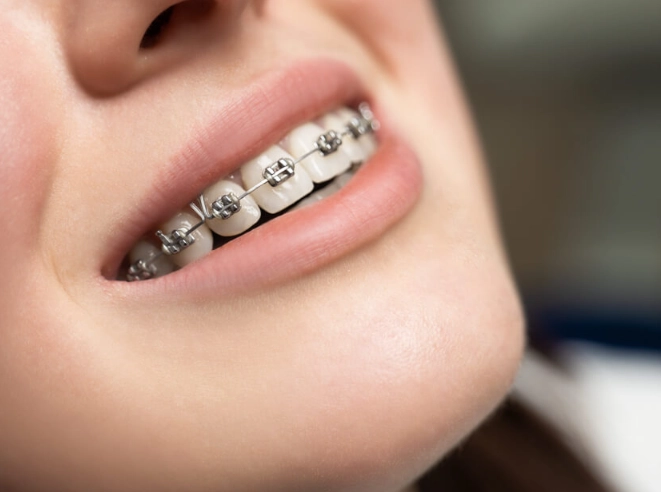
But adult treatment is different. The stakes feel higher. You’re making this decision for yourself, often juggling career, family, and budget. The process can seem daunting. This guide cuts through the noise. We’ll walk through the real options, the hidden costs nobody talks about, and how to find an orthodontist who gets it.
What’s Inside This Guide
Am I Too Old for Braces?
No. Your teeth don’t know how old your driver’s license says you are. They move in response to gentle, consistent pressure, a biological process that works at 15, 35, or 65. The real difference isn’t age; it’s the condition of your mouth.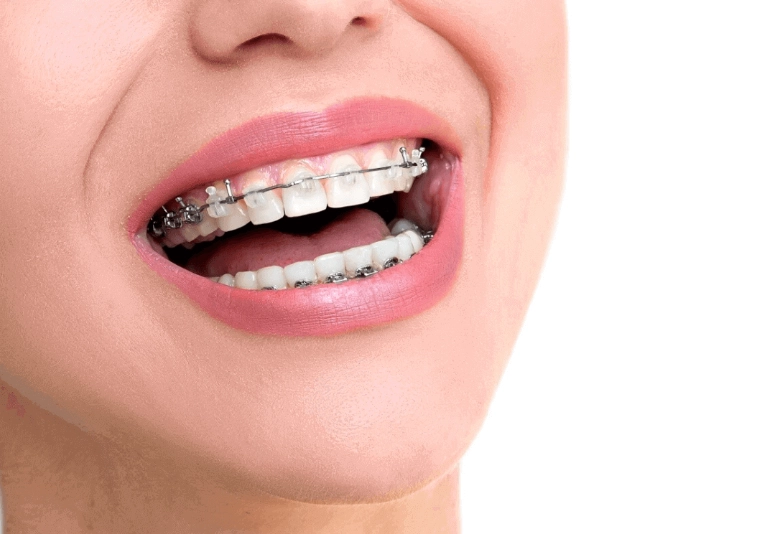
Adults often have wear and tear—fillings, crowns, maybe some gum recession. This doesn’t rule you out; it just means your treatment plan needs to be more sophisticated. An experienced orthodontist will work around existing dental work and monitor your gum health closely. The one legitimate challenge? Healing is slightly slower. Treatment might take a few months longer than for a teen, but the result is just as stable.
A Non-Consensus View: Many adults fixate on closing a front gap or straightening one crooked tooth. But the bigger win is often functional. Proper alignment reduces abnormal wear on teeth, eases jaw joint strain, and makes cleaning between teeth possible. Fixing the bite can prevent decades of future dental problems. Don’t just think about the Instagram smile; think about chewing without discomfort at 70.
Exploring Adult Orthodontic Treatment Options
You have more choices than ever. The best one depends on your lifestyle, the complexity of your case, and, frankly, your budget.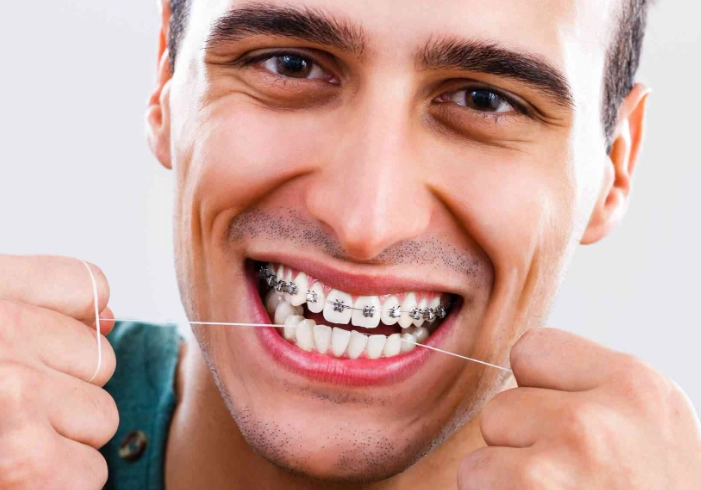
| Option | Best For | Pros | Cons & Considerations |
|---|---|---|---|
| Traditional Metal Braces | Complex cases, severe crowding, significant bite issues. The most predictable and powerful tool. | Most effective for difficult movements. Often the fastest option. No patient compliance needed (they’re always on). | Most noticeable. Can irritate cheeks. Requires diligent cleaning around brackets. |
| Ceramic ("Clear") Braces | Adults who want a less noticeable fixed option but have a case too complex for clear aligners. | Brackets blend with tooth color. Same effectiveness as metal. Good alternative if aligners aren’t suitable. | More expensive than metal. Brackets can stain if you drink lots of coffee/red wine. Slightly more fragile. |
| Lingual Braces | The ultimate in hidden fixed treatment. Placed behind the teeth. | Completely invisible from the front. Effective for complex cases. | Can be uncomfortable on the tongue initially. Often the most expensive option. Not all orthodontists are trained in them. |
| Clear Aligners (e.g., Invisalign) | Mild to moderate crowding/spacing. Adults who prioritize discretion and flexibility. | Nearly invisible. Removable for eating, drinking, and cleaning. Fewer emergency visits for broken wires. | Requires high discipline (must be worn 22+ hrs/day). Not ideal for all bite corrections. Can be lost or damaged. |
Here’s the insider tip most websites won’t tell you: The orthodontist’s skill matters more than the brand name of the product. A great orthodontist with generic ceramic braces will give you a better result than a mediocre one with the fanciest aligner system. The tool is only as good as the craftsman.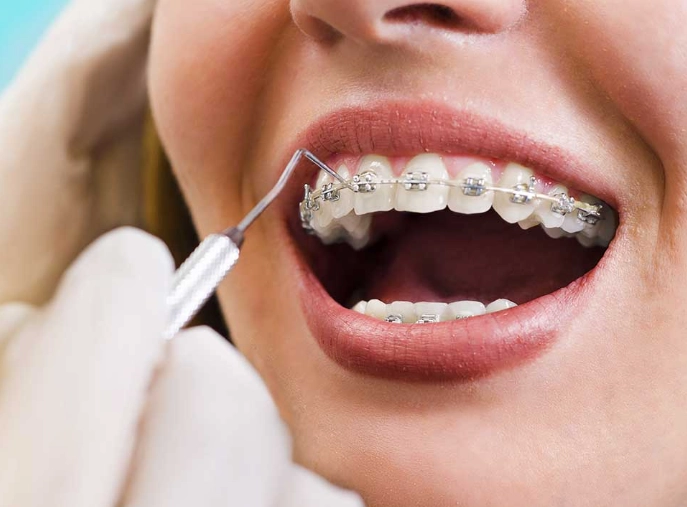
What to Expect: The Adult Treatment Process
It’s a marathon, not a sprint. Knowing the steps helps manage expectations.
Step 1: The Consultation (The Most Important Appointment)
This is a two-way interview. They assess you, you assess them. A good consultation includes digital scans or impressions, X-rays, photos, and a thorough exam of your teeth, gums, and jaw. The orthodontist should explain your issues in plain English and present multiple viable treatment plans—not just push one product. Ask to see before/after photos of similar adult cases they’ve treated.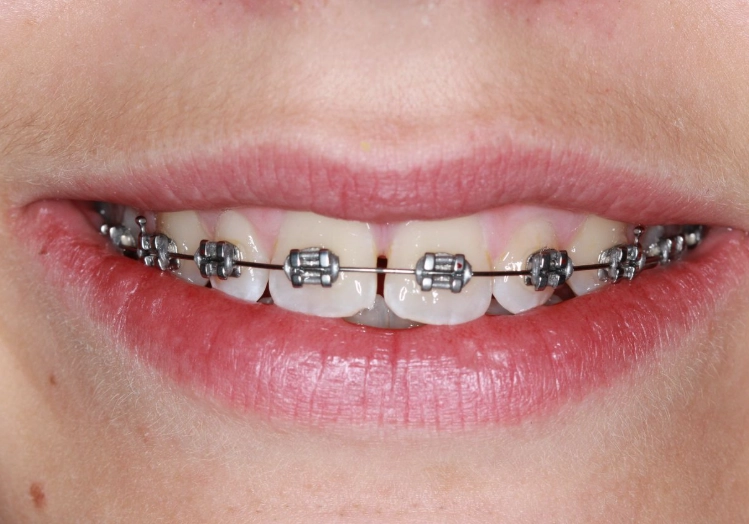
Step 2: The Pre-Treatment Phase
You might need a dental cleaning or work from your general dentist first (like replacing an old filling). If you have significant gum disease, that must be under control before any braces go on. This phase is critical and often overlooked. Starting orthodontics on unhealthy gums is a recipe for disaster.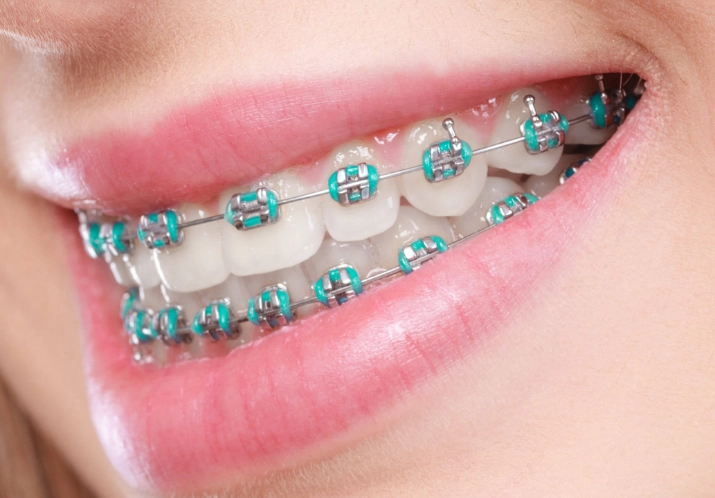
Step 3: Active Treatment
This is the 12-30 month period of adjustments. Appointments are usually every 6-10 weeks. You’ll feel pressure and some soreness for a few days after each adjustment—it’s normal. Communication is key. If a wire is poking you or an aligner feels off, call the office. Don’t suffer silently.
Step 4: Retention (Forever)
This is the part people underestimate. When the braces come off, you get retainers. You must wear them as directed, typically full-time for months, then nightly… forever. Teeth have memory and will shift back if you don’t. I’ve seen too many adults who had braces as teens and didn’t wear their retainer, leading to a second round of treatment. Budget for potential retainer replacement every few years.
How to Choose the Right Orthodontist
Don’t just Google "orthodontist near me" and pick the first one. Do your homework.
Check Credentials: Ensure they are a specialist. Look for membership in the American Association of Orthodontists (AAO). This means they completed an additional 2-3 years of residency training specifically in orthodontics after dental school.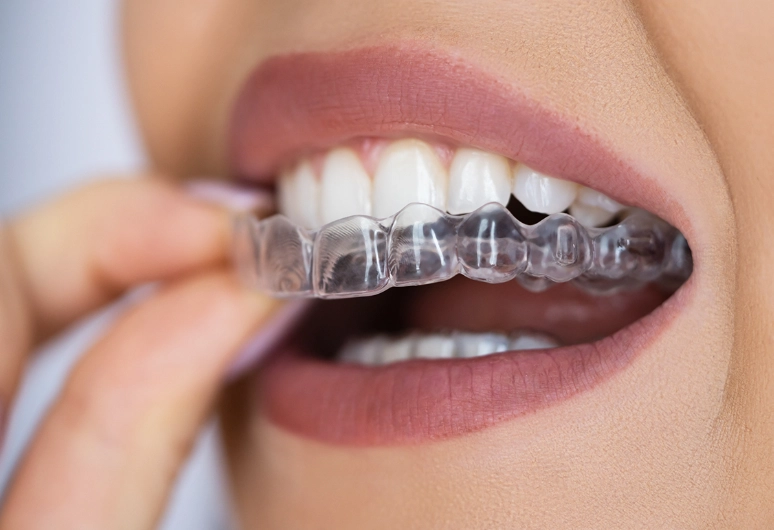
Read Reviews, But Wisely: Look for patterns. Do multiple reviews mention the doctor’s patience with adults? Or a chaotic front desk? Trust the trends.
Consult Multiple Offices: I recommend consultations with at least two different providers. Compare their diagnoses, proposed plans, and fees. Pay attention to how they make you feel. Do they listen? Do they explain things clearly, or do they rush you? The relationship lasts years.
Ask About Technology: Do they use digital scanners (more comfortable than old putty impressions)? Do they show digital simulations of your potential results? Modern tech often translates to a more predictable and comfortable experience.
The Real Cost of Adult Orthodontics
Let’s talk money. Adult braces are a significant investment, typically ranging from $3,000 to $8,000+ depending on complexity, location, and the type of appliance. Invisalign often falls in a similar range to traditional braces.
Most dental insurance plans for adults have a lifetime orthodontic benefit, often around $1,500-$2,000. It’s a help, but it rarely covers the full cost. The key question to ask the orthodontist’s financial coordinator: "What is the total fee, and what does it include?" (e.g., all appointments, retainers, emergency visits).
Nearly all practices offer payment plans, often interest-free. You might pay a down payment and then monthly installments over the course of treatment. Don’t be shy about discussing this. They want to make it work for you.
Consider it an investment in your long-term dental health. Straight teeth are easier to clean, reducing future costs for cavities and gum disease. The confidence boost? Priceless.
Maintenance and Daily Life with Braces
Your oral hygiene routine needs an upgrade. Food gets trapped easily. Invest in a water flosser and interdental brushes. If you have aligners, clean them daily with a soft toothbrush—never hot water, which can warp them.
Diet adjustments are real. Say goodbye to whole apples, hard candies, and chewing ice. With traditional braces, sticky foods like caramel are your enemy. It’s temporary, but breaking a bracket means an extra appointment and can delay treatment.
Discomfort is manageable. Over-the-counter pain relievers and orthodontic wax (for poking wires) are your friends. Your mouth toughens up after the first few weeks.
Your Top Questions, Answered
I have some gum recession and a crown on my molar. Can I still get Invisalign?
How long will treatment actually take as an adult?
Will I have a lisp with Invisalign or lingual braces?
Is the result permanent after the braces come off?
What happens if I move cities during treatment?