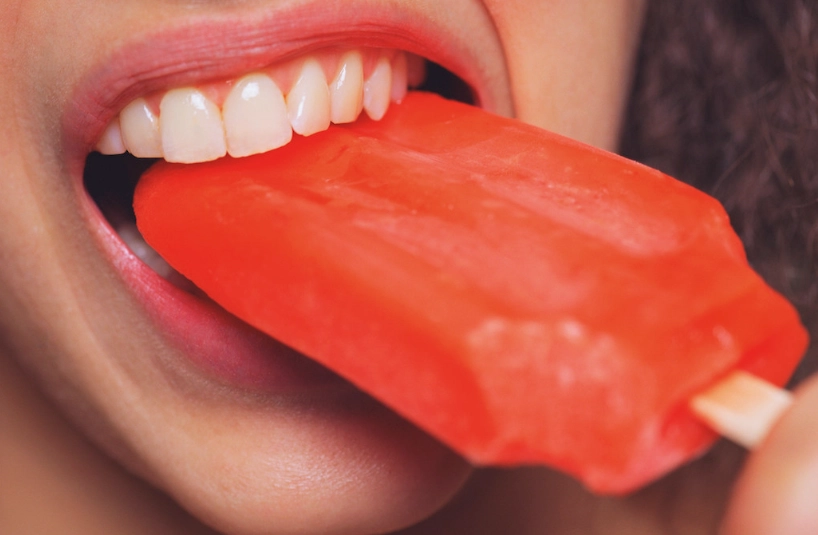
That sudden, sharp zing when you sip ice water or bite into something sweet isn't just annoying. It's a signal. Your tooth is telling you something is wrong. I've seen countless patients who thought tooth sensitivity was just a quirk they had to live with. They'd avoid cold drinks, chew carefully, and hope for the best. But here's the thing: sensitive teeth are almost always a symptom, not a permanent condition. Ignoring it can sometimes let a small problem become a big, expensive one.
Your Quick Guide to Understanding Sensitive Teeth
What's Actually Happening When You Feel That Pain?
Underneath the hard, white enamel of your tooth is a softer layer called dentin. Dentin is full of microscopic tubules—tiny tunnels—that lead directly to the tooth's nerve center (the pulp). When the protective enamel wears down or your gums recede, exposing this dentin, triggers like temperature or sugar can travel down those tubules and hit the nerve. That's the jolt you feel.
Think of it like a house with faulty insulation. When the insulation (enamel/gums) is gone, you feel every draft (cold drink) directly.
The 8 Most Common Culprits Behind Your Sensitive Teeth
It's rarely just one thing. Often, it's a combination of habits and conditions. Let's break them down.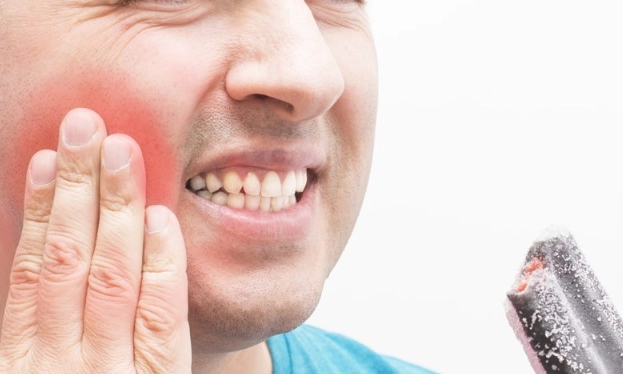
| Cause | How It Leads to Sensitivity | What It Often Feels Like |
|---|---|---|
| Brushing Too Hard | Scrubs away enamel and causes gum recession over time. This is a huge one people miss. A medium-hard brush and aggressive scrubbing is like using sandpaper on your teeth. | Generalized sensitivity, especially along the gumline. Teeth might look notched or worn near the gums. |
| Acidic Foods & Drinks | Soda, citrus, wine, sports drinks—they soften and dissolve enamel. Sipping on acidic drinks throughout the day is a constant acid bath. | A dull, all-over ache or sharp pain with cold/sweet. Teeth may appear slightly more translucent or yellow. |
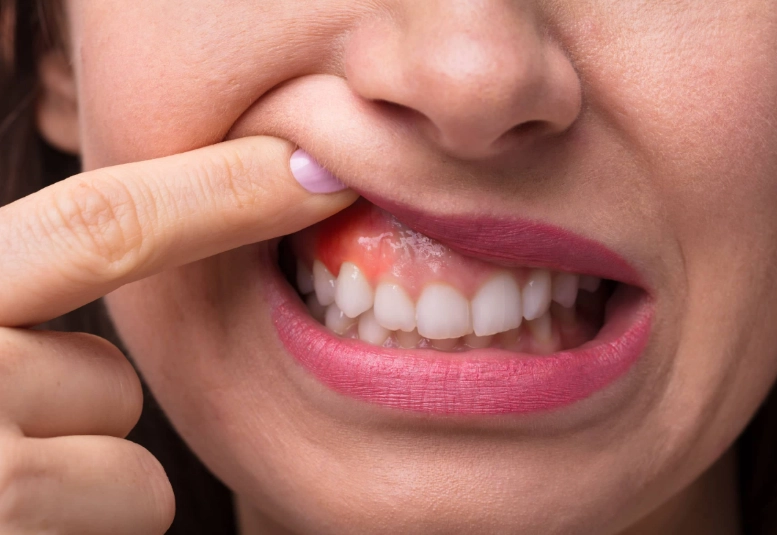
| Gum Recession | Gums pull back, exposing the dentin on the tooth root, which isn't covered by hard enamel. This can be from hard brushing, gum disease, or genetics. | Localized sharp pain, often on one or two teeth, right at the gumline. The tooth might look "longer." |
| Tooth Grinding (Bruxism) | Wears down enamel, often flattening the biting surfaces and creating micro-cracks. Many people grind at night and don't even know it. | Sensitivity on the tops of teeth, plus possible jaw pain or headaches upon waking. |
| Recent Dental Work | Fillings, cleanings, or whitening can temporarily inflame the nerve. It usually subsides in a few weeks. | Temporary sensitivity in the treated area, triggered by extreme temperatures. |
| A Cracked Tooth or Filling | A crack allows stimuli to reach the pulp. Even a hairline crack you can't see can cause significant pain. | Sharp, shooting pain when biting down in a specific spot. May come and go. |
| Tooth Decay (Cavities) | Decay eats through enamel and into dentin, creating a direct highway to the nerve. | Sensitivity that starts in one spot and may progress to constant ache. Often triggered by sweets. |
| Whitening Products | Peroxide-based gels can temporarily open dentin tubules. This is why sensitivity is a common side effect. | Temporary, generalized sensitivity during and shortly after a whitening treatment. |
A subtle mistake I see often: People switch to a "sensitive" toothpaste but continue brushing with a hard-bristled brush and a sawing motion. The toothpaste can't out-heal the damage you're doing every morning. The tool and technique matter just as much as the paste.
How to Find Relief: From Your Bathroom to the Dentist's Chair
You don't have to just endure it. The approach depends on the cause.
What You Can Do at Home Tonight
Start here. These changes can make a dramatic difference in a few weeks.
- Switch your toothbrush. Get an extra-soft bristled brush. Seriously, soft is enough to clean plaque. Hold it like a pencil, not a hammer.
- Use a sensitivity toothpaste correctly. Look for potassium nitrate or stannous fluoride. Don't rinse after brushing—just spit. Let it sit on your teeth. This isn't a quick fix; it needs consistent use for 2-4 weeks to block those tubules.
- Change your sipping habits. Don't nurse acidic drinks. Use a straw for coffee or soda to bypass teeth. After something acidic, rinse with water and wait at least 30 minutes before brushing (brushing softened enamel wears it away faster).
- Try a fluoride mouthwash. A daily rinse with fluoride can help strengthen enamel. The American Dental Association (ADA) Seal of Acceptance is a good thing to look for on the label.
When You Need to See a Dentist
If home care isn't cutting it after a month, or if the pain is severe or localized to one tooth, it's time for a professional opinion.
- Professional Fluoride or Desensitizing Treatments: These are high-concentration gels or varnishes applied in-office that can seal tubules more effectively than over-the-counter products.
- Bonding or Sealants: For exposed root surfaces, a dentist can apply a tooth-colored resin to cover and protect the sensitive area.
- A Gum Graft: If significant gum recession is the cause, a small amount of tissue can be taken from elsewhere in the mouth and attached to cover the root. This is a more involved procedure.
- A Night Guard: If grinding is the culprit, a custom-fit guard from your dentist protects your teeth from nightly wear and tear.
- Root Canal: This is the last resort. If the nerve is irreversibly damaged or the decay is deep, removing the nerve tissue (pulp) will eliminate sensitivity. It sounds scary, but it's a highly effective way to save a tooth that's causing constant pain.
What Most People Get Wrong (And How to Fix It)
Beyond the hard brushing, here are two less obvious pitfalls.
Mistake 1: Using whitening toothpaste for sensitive teeth. It's counterproductive. Most whitening toothpastes are abrasive to remove stains, which can further wear enamel. If you have sensitivity, choose a paste formulated for it, not one that promises whitening.
Mistake 2: Assuming receding gums will "grow back." Gum tissue, once lost, does not regenerate on its own. The goal is to stop the recession from getting worse (by fixing your brushing technique and treating gum disease) and then protect the exposed area. Waiting only exposes more root surface.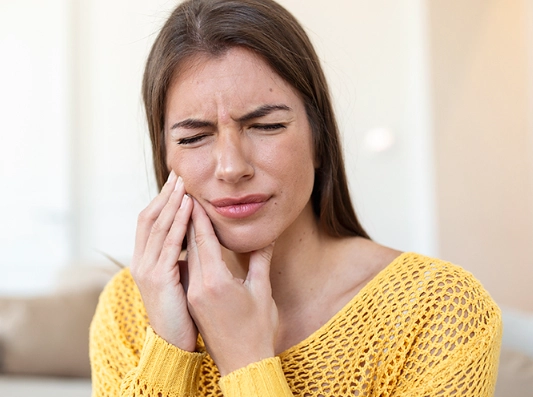
Your Sensitive Teeth Questions, Answered
The bottom line? That zing is a message. Listen to it. Start with the gentle home care strategies—softer brush, sensitive toothpaste, smarter eating habits. Give it a few weeks of consistency. If the signal keeps firing, have a conversation with your dentist. Pinpointing the exact cause is the fastest way to shut off the pain for good and protect your smile down the road.