I've been a dentist for over a decade, and the single most common misconception I hear is that brushing and flossing alone are enough for a healthy mouth. They're not. Not even close. The truth is, your diet is the primary battlefield where the war for your oral health is won or lost every single day. Every sip, every snack, every meal is a vote for either decay or resilience.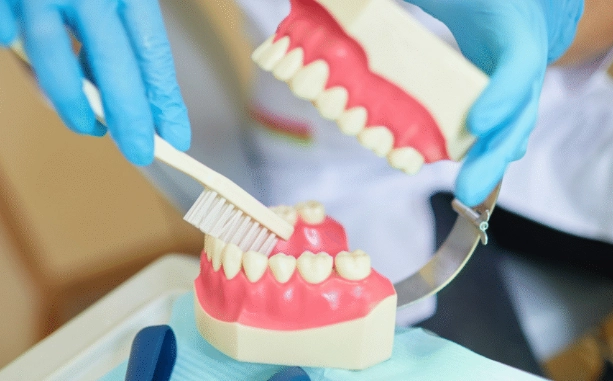
Think of your mouth as a complex ecosystem. The food you introduce directly fuels the bacteria living there. Feed them sugar, and they throw acid parties that dissolve your enamel. Feed them the right stuff, and you cultivate a peaceful, healthy environment. It's that direct.
What You'll Learn in This Guide
The Two Main Culprits: Sugar and Acid
Let's get specific. Most damage comes from two things: fermentable carbohydrates (sugar) and dietary acids.
1. Sugar: The Bacteria's Buffet
When you eat sugar or refined carbs (like white bread, crackers, pasta), you're not just feeding yourself. You're providing a feast for Streptococcus mutans and other acid-producing bacteria. They metabolize these sugars and excrete acid as a waste product. This acid drops the pH in your mouth below a critical threshold (around 5.5), starting a process called demineralization—it literally leaches calcium and phosphate out of your enamel.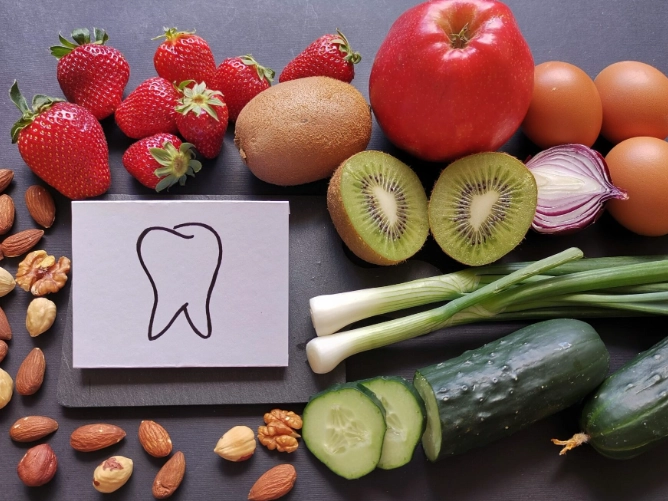
The sticky mistake? People fixate on candy but ignore the stealth sugars. That "healthy" granola bar, the flavored yogurt, the ketchup on your fries, the glass of orange juice. They all count. Frequency is the killer. Sipping a sweet latte for two hours is far worse than eating a chocolate bar in three minutes because it extends the acid attack.
2. Dietary Acid: The Direct Assault
This is the one many health-conscious people get wrong. You can avoid sugar completely and still wreck your teeth with acid. This is enamel erosion, a different process from cavities. The acid in food and drink directly dissolves the enamel.
I had a patient, a fitness enthusiast, who came in with severe, uniform erosion on the front of all her teeth. She was horrified. The cause? Drinking fresh lemon water throughout the day for "alkalizing" and detoxing. Her intentions were good, but the constant citric acid bath had stripped her enamel thin and translucent.
The pH Danger Zone
Enamel begins to dissolve at a pH of about 5.5. For context: pure water is 7.0 (neutral). Here's where common drinks land: Battery Acid: ~1.0 | Lemon Juice: ~2.0 | Cola: ~2.5 | Orange Juice: ~3.5 | Black Coffee: ~5.0 | Milk: ~6.7. Sipping anything below pH 5.5 keeps your teeth in the danger zone.
Building a Tooth-Friendly Diet: What to Eat More Of
It's not all about avoidance. A proactive diet actively strengthens teeth. Focus on these categories:
| Food Category | Why It Helps | Top Examples |
|---|---|---|
| High-Fiber, Crunchy Fruits & Veggies | Mechanically cleans surfaces, stimulates saliva flow (nature's mouthwash). Saliva contains calcium and phosphate to repair enamel. | Apples, carrots, celery, cucumbers, leafy greens. |
| Dairy & Calcium-Fortified Foods | Provides raw materials (calcium, phosphate, casein) for enamel remineralization. Raises mouth pH. | Cheese (especially hard cheeses), milk, plain yogurt. |
| Lean Proteins & Nuts | Rich in phosphorus, crucial for enamel strength. Low in fermentable carbs. | Chicken, fish, eggs, almonds, peanuts. |
| Water (Especially Fluoridated) | Hydrates gums, washes away food particles, fluoride integrates into enamel structure, making it more acid-resistant. | Tap water (in fluoridated areas) is best. |
A quick tip: ending a meal with a cube of cheese or a handful of almonds is a fantastic habit. It helps neutralize acids and deliver minerals right when your teeth need them most.
It's Not Just What You Eat, It's When and How
This is where strategy comes in. You can eat an acidic food and cause minimal damage if you're smart about it.
The Golden Rule: Limit eating occasions. Your mouth needs recovery time between acid challenges. Aim for 3 meals and 1-2 snacks at most, rather than constant grazing.
Pair smartly. If you want an acidic food (like berries or a vinaigrette), eat it as part of a meal with protective foods. The cheese on your salad, the milk in your smoothie, the chicken with your tomato sauce—they all help buffer the acid.
Drink wisely. Use a straw for acidic drinks to bypass your teeth. Don't swish wine or soda around your mouth. And please, don't hold a drink in your mouth before swallowing. I see this with kids and sports drinks all the time.
The most critical, overlooked timing rule? Do NOT brush your teeth immediately after consuming something acidic. Your enamel is softened. Brushing then is like scrubbing a soft rock—you'll wear it away. Wait at least 30 minutes. Rinse with water or chew sugar-free gum with xylitol to speed up neutralization first.
Common Diet Mistakes That Destroy Teeth
Let's bust some myths and highlight subtle errors.
Mistake 1: The "Sugar-Free" Trap. Sugar-free soda is still highly acidic. Sugar-free candies often contain citric or malic acid for tang. Always check labels.
Mistake 2: The "Healthy" Sipping Habit. Apple cider vinegar tonics, lemon water, kombucha, sports drinks. Sipping these over hours is a guaranteed path to erosion. Drink them quickly, at meal times, and follow with water.
Mistake 3: Overlooking Sticky "Healthy" Foods. Dried fruit (raisins, mango), granola bars, even some whole-grain breads stick in grooves and fissures, providing a long-lasting sugar source for bacteria. If you eat them, be extra diligent with cleaning afterward.
Mistake 4: The Bedtime Snack. Saliva flow nearly stops during sleep. Eating or drinking anything sugary or acidic right before bed (even milk for kids) gives bacteria all night to work without interruption. Water only after your final brush.
I remember a young adult patient who had cavities between every back tooth. He brushed faithfully. The culprit? A nightly habit of eating a bowl of sugary cereal while watching TV, then going straight to bed without re-brushing. We changed that one habit, and his decay rate plummeted.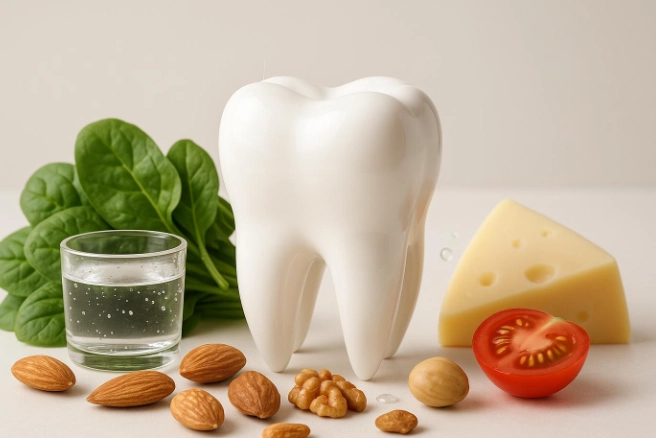
Your Top Questions on Diet and Teeth, Answered
Your diet is the most consistent factor in your oral health. Brushing and flossing are the cleanup crew, but what you eat sets the stage. Start by auditing your drinks—are you sipping anything acidic all day? Then, look at your snacking frequency. Small, strategic shifts, like swapping an afternoon soda for water and a piece of cheese, can make a profound difference over months and years. Your teeth aren't just passive bystanders; they're a living record of your daily choices. Make those choices count.