Quick Navigation
- What Exactly is "Crown Recementation"?
- The Big Question: Can Your Crown Even Be Re-Glued?
- Breaking Down the Cost Factors: What You're Really Paying For
- Real Numbers: A Price Range Breakdown
- Dental Insurance and Recementation: Will It Help?
- Recementation vs. New Crown: A Decision Guide
- What to Expect During the Appointment
- Aftercare: Making Your Re-Glued Crown Last
- Frequently Asked Questions (The Stuff You're Really Searching For)
- The Bottom Line: Getting Your Answer
Let's be real. You're probably reading this because you just felt that unsettling pop or click, followed by the weird, hollow sensation of a crown rolling around in your mouth. Or maybe you found it in your lunch. First thing – don't panic. It happens way more often than you'd think. The second thought that inevitably follows is about your wallet. How much does it cost to glue a crown back on a tooth? Is it a quick, cheap fix, or are you looking at another major dental bill?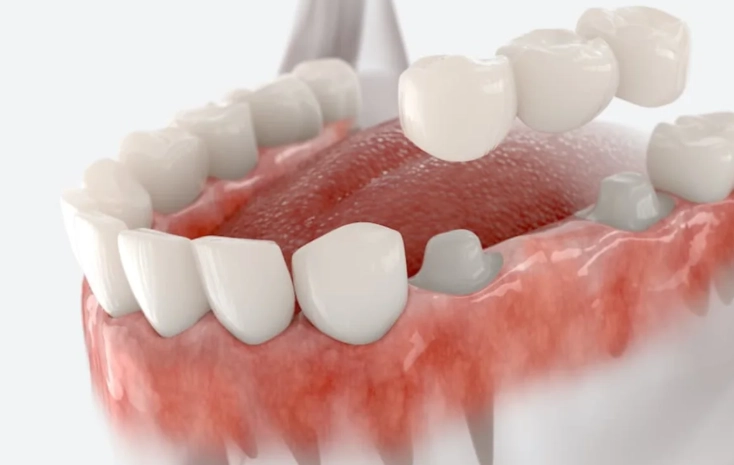
I've talked to dentists, read through endless patient forums (some stories are wild), and looked at fee guides to get you a straight answer. The short version? It's not one price. It can range from a surprisingly affordable $50 to a more sobering $500 or more. Why such a huge gap? That's what we're going to unpack, piece by piece.
This isn't just about a number. It's about understanding what you're paying for, when a simple re-glue is possible, and when you might be facing a bigger problem (and a bigger bill). We'll cover everything from the five-minute chairside fix to the scenarios that require a whole new crown.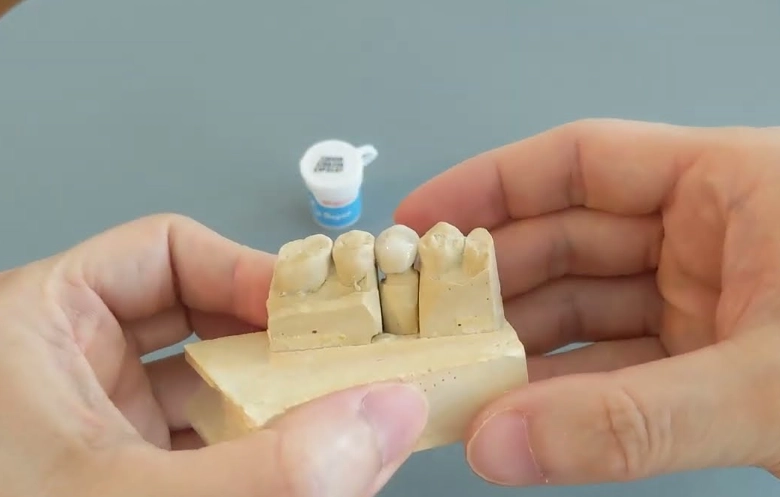
Key Takeaway Right Up Front: The average cost to recement (re-glue) an existing, undamaged crown typically falls between $100 and $300. But that's just the starting point. The final number depends on a handful of critical factors we'll explore below.
What Exactly is "Crown Recementation"?
Before we talk money, let's be clear on the procedure. Recementation is the process of cleaning your existing crown and the underlying tooth stub (called the abutment), then using a strong, permanent dental cement to bond it back into place. It sounds simple, and when conditions are perfect, it can be.
But here's where dentists earn their fee. It's not just about slapping on some glue. They need to:
- Thoroughly remove all the old cement from inside the crown and off your tooth. Any leftover gunk creates a gap, leading to a bad fit and a quick failure.
- Assess the health of the tooth underneath. Is there new decay? Has the tooth structure changed?
- Check the crown itself for cracks, chips, or wear. A damaged crown usually can't be reused.
- Ensure a perfectly dry, clean field. Saliva is the enemy of a strong bond.
- Apply the new cement precisely and seat the crown with perfect pressure and alignment.
A good recementation, done right, should last for many more years. A rushed job might last a few weeks. So, part of what you're paying for is the dentist's skill and time to do it properly.
The Big Question: Can Your Crown Even Be Re-Glued?
Not every popped crown is a candidate for a simple recementation. This is the first and most important cost determinant. Let's break down the scenarios.
Important: Do NOT try to glue the crown back on yourself with superglue, household adhesive, or anything else. These are toxic, can cause severe damage to your tooth and gums, and make a professional repair impossible (and much more expensive). Keep the crown safe and see a dentist.
The Ideal Scenario (Lower Cost)
Your crown came off cleanly, in one piece. You found it quickly, and it looks intact. The tooth underneath doesn't hurt and looks normal (maybe a little stubby). In this case, the answer to "how much does it cost to glue a crown back on a tooth?" is likely at the lower end of the scale. The dentist just needs to do the cleaning and bonding steps.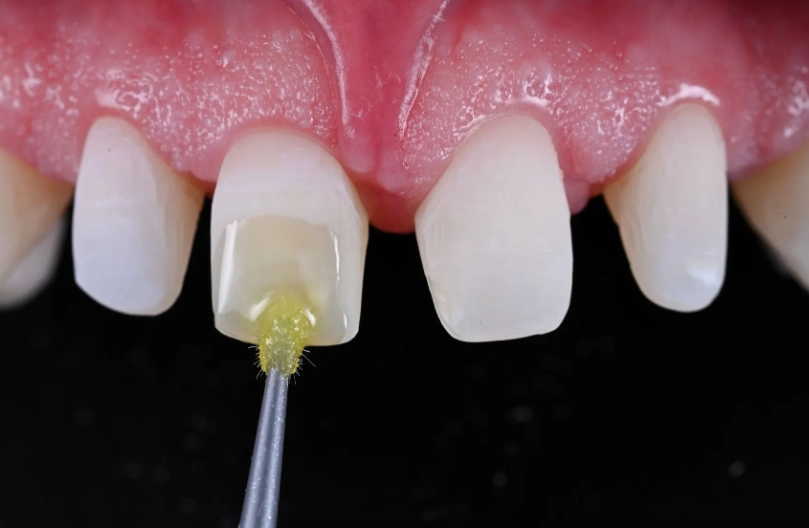
The Complicated Scenarios (Higher Cost)
This is where the price climbs. If any of the following are true, the process becomes more involved:
- New Decay: This is the most common reason a crown fails. If bacteria have sneaked under the margin and created a new cavity on your natural tooth, that decay MUST be drilled out and filled before the crown can go back on. That's an additional procedure.
- Damaged Crown: A chip on the chewing surface, a crack running down the side, or a broken porcelain layer means the crown is compromised. It often needs to be replaced entirely.
- Lost Crown: You swallowed it, the dog ate it, or it went down the drain. Now you need a brand-new crown fabricated, which is a completely different (and costly) procedure.
- Tooth Damage: Did part of the actual tooth break off when the crown came loose? That requires assessment and potentially a build-up or even a root canal.
See how the simple question of cost depends entirely on what the dentist finds when you open your mouth?
Breaking Down the Cost Factors: What You're Really Paying For
Let's dissect the variables that take the price from $50 to $500+. Understanding these helps you make sense of any quote.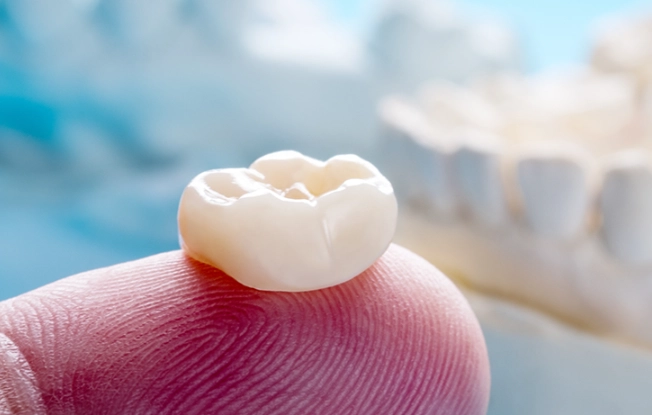
| Cost Factor | Impact on Price | Why It Matters |
|---|---|---|
| 1. Complexity of the Case | High | Simple recementation vs. decay removal vs. new crown fabrication. This is the #1 driver. |
| 2. Type of Dentist & Location | High | A general dentist in a suburban practice often charges less than a prosthodontist (crown specialist) in a major city downtown office. Overhead costs vary wildly. |
| 3. Geographic Region | Medium-High | Dental fees in New York City or San Francisco are consistently higher than in rural Midwest towns. The American Dental Association's surveys on dental fees clearly show these regional variations. |
| 4. Dental Insurance | Variable | Most plans cover recementation, often under "minor repairs." But you'll need to check your copay/coinsurance and annual maximum. It might be covered at 50-80%. |
| 5. Type of Cement Used | Low-Medium | Temporary vs. permanent cement. Some stronger, more aesthetic permanent cements cost the dentist more. |
| 6. Need for X-rays | Low | The dentist will almost always need a new X-ray to check the root and bone health under the tooth. This is a separate, small fee. |
The location factor is huge. I've seen quotes from dental offices in the same city differ by $150 for the same procedure. It pays to call around, though in a genuine dental emergency, you might not have that luxury.
Real Numbers: A Price Range Breakdown
Okay, enough theory. Let's talk actual dollars. These ranges are based on U.S. national averages, fee guide data, and anecdotal reports. Remember, you must get a formal estimate from your dentist.
The Basic Recementation
This is for that ideal, undamaged crown and tooth.
- Low End: $50 - $150. You might find this at a dental school clinic (supervised by licensed professors, a great budget option) or with some discount dental plans.
- Typical Range: $100 - $300. This is what most people with insurance or paying cash at a general dentist can expect.
- High End: $250 - $400+. Seen at high-cost urban areas or specialist offices (prosthodontists).
So, when someone asks "how much does it cost to glue a crown back on a tooth?" in a straightforward case, $150 is a very reasonable ballpark to have in mind.
Recementation with Added Work
If the tooth needs a new filling or "build-up" core before the crown can be reattached, add $100 - $400 to the recementation fee. A simple filling is on the lower end; a large core build-up is on the higher end.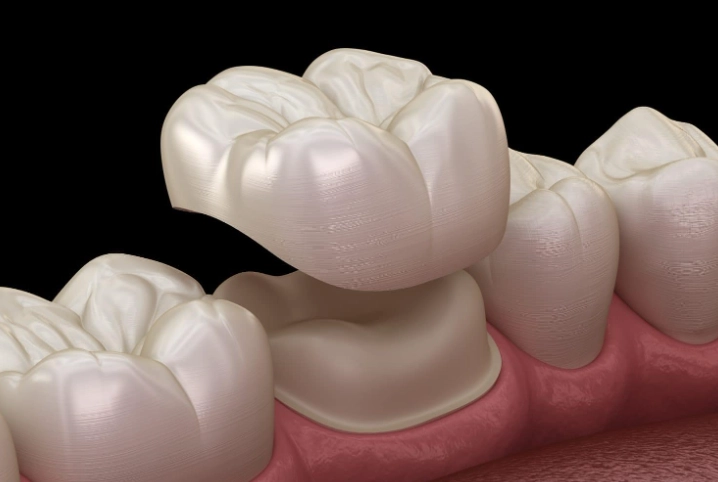
The Nuclear Option: New Crown Needed
If the crown is damaged or the tooth needs major work, the conversation shifts from recementation to replacement. A brand-new porcelain-fused-to-metal (PFM) crown typically costs $1,000 - $1,500. An all-ceramic or zirconia crown can be $1,200 - $2,000+. This is why protecting your existing crown is so important!
Dental Insurance and Recementation: Will It Help?
Most likely, yes. Recementation is usually considered a minor procedure or repair. Here's how it typically works:
- It falls under your plan's "basic" or "minor restorative" coverage tier.
- Coverage is often 50% to 80%, after you've met your annual deductible.
- There is usually no waiting period for this type of repair.
Crucial Tip: Always call your insurance company BEFORE the appointment. Ask: "What is my coinsurance for crown recementation (D2950 is the common dental code)? Has my deductible been met?" This prevents surprise bills.
For reliable, general information on dental procedures and codes that insurers use, you can refer to resources like the American Dental Association's website. It helps to be familiar with the terminology, like the code D2950 which is often used for "recementing a crown."
Recementation vs. New Crown: A Decision Guide
How do you and your dentist decide which path to take? It's not always black and white. Use this as a thinking guide.
Stick with Recementation IF:
- The crown is intact, fits perfectly, and is less than 10-15 years old.
- The underlying tooth is healthy with no new decay.
- The crown's aesthetics (color, shape) are still good.
- Cost is the primary concern. Recementation is almost always the far more affordable choice.
Consider a New Crown IF:
- The crown is cracked, chipped, or worn thin.
- There is significant decay underneath that weakens the tooth structure.
- The crown is very old (15+ years) and the margins are no longer sealed.
- You've never liked the way it looked (color mismatch, shape). Now's your chance to upgrade.
- The crown has come off multiple times before (indicating a poor fit or underlying issue).
The dentist's recommendation is key here. They have a clinical view you don't. If they strongly advise a new crown due to decay or damage, trying to force a recementation is usually false economy—it will fail soon, and you'll pay twice.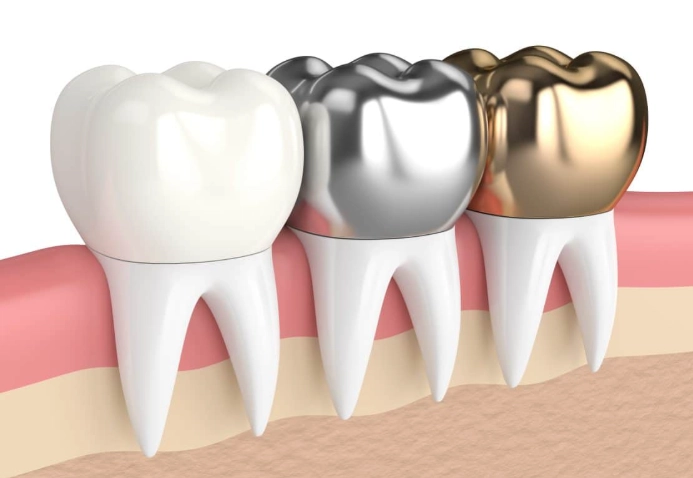
What to Expect During the Appointment
Knowing the steps can ease the anxiety. A straightforward recementation is often quick.
- Examination & X-ray: The dentist will look at the tooth and crown, and likely take a quick X-ray to check the root.
- Cleaning: They'll meticulously clean all old cement off your tooth and the inside of the crown. This takes time and precision.
- Trial Fit: They'll check the dry fit of the clean crown.
- Isolation: They'll use cotton rolls or a rubber dam to keep the tooth absolutely dry.
- Cementation: The new cement is placed in the crown, it's seated on your tooth, and you bite down on a special stick to hold it under pressure as the cement sets.
- Clean-up & Check: Excess cement is flicked away, and they check your bite to make sure it feels normal.
The whole thing can take 20-40 minutes. It's usually painless, though if the exposed tooth is sensitive, they might use a little anesthetic.
Aftercare: Making Your Re-Glued Crown Last
You've paid to fix it. Now, keep it there.
The 24-Hour Rule: Avoid chewing directly on that side for a full day to let the cement reach full strength. Stick to softer foods.
- Be mindful of your enemies: Extremely sticky foods (taffy, caramel), very hard foods (nuts, hard candy, ice), and using your teeth as tools are the main culprits for popping crowns.
- If you have a night grinding (bruxism) habit, ask your dentist about a nightguard. The constant pressure is a major cause of failure.
- Maintain impeccable hygiene. Floss gently but daily around the crown margin to prevent the decay that causes the next failure.
Frequently Asked Questions (The Stuff You're Really Searching For)
The Bottom Line: Getting Your Answer
So, to circle back to the burning question: How much does it cost to glue a crown back on a tooth?
The most honest, practical answer is: Anywhere from $100 to $300 for the standard, no-complications procedure. Budget for the higher end if you live in an expensive city. Hope for the lower end if your crown is pristine and you have a good relationship with a general dentist.
The price tag for fixing a loose crown is almost always less than the anxiety of not knowing.
The smartest move is to call your dentist, explain what happened, and get an examination and a firm estimate. Ask them to explain why the cost is what it is. Are they just recementing, or is there a filling needed? Knowing the "why" turns a scary bill into a understood investment in your health.
Put the crown in a small container, avoid chewing on that side, and make the call. Getting it done right the first time is the ultimate way to save money and hassle on your dental care.