Quick Guide
Let's be honest. When my friend's kid got his first cavity in a baby tooth, her first thought was, "Well, it's going to fall out anyway, right?" I think a lot of parents have that moment. It's a baby tooth. A placeholder. It seems almost logical to downplay it. But here's the thing I learned after talking to a pediatric dentist – that logic is completely backwards. The health of those little milk teeth sets the stage for everything that comes after.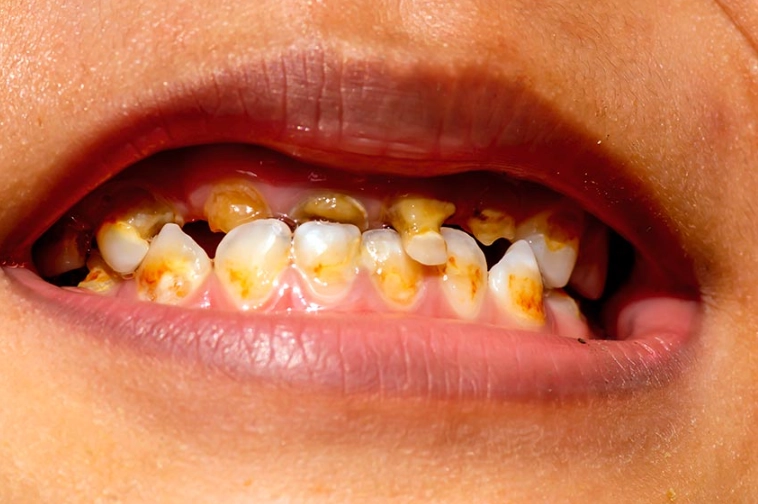
So, what happens if milk teeth decay? It's not just a tiny brown spot. It's the start of a chain reaction. Think of it like finding a small crack in the foundation of a house you're planning to live in for decades. You wouldn't ignore it. You'd fix it immediately. Baby teeth are the foundation for the adult smile. Ignoring decay in them is one of the biggest mistakes you can make for your child's long-term dental health, and it can lead to problems that are way more expensive and painful to fix down the line.
The Immediate Fallout: What Your Child Feels Right Now
We often think about the future, but decay is causing trouble right this minute. The first thing that happens is often invisible to us.
Pain and Discomfort (The Silent Sufferer)
Kids are notoriously bad at articulating tooth pain. They might not say, "My molar hurts when I chew." Instead, they become fussy eaters. They suddenly hate foods they used to love, especially anything cold, sweet, or hard. They might chew only on one side of their mouth. You might notice them flinching when drinking a cold glass of milk. This isn't picky eating; it's pain avoidance. I've seen a child who absolutely refused to eat apples, and the parents just thought it was a phase. Turns out, a cavity on a back tooth made biting into anything crunchy pure misery.
As the decay digs deeper, past the hard enamel and into the softer dentin, the pain becomes more constant. It can wake them up at night. It can make them irritable. They might start touching their face or cheek. This is the body's alarm system going off, and it's cruel to let a child live with it because we think the tooth is "just" a baby tooth.
Infection and Abscesses: The Real Danger Zone
This is where things get serious. If the decay isn't stopped, bacteria will eventually reach the pulp of the tooth – the part with the nerves and blood vessels. Then you get an infection. The tooth might turn a dark grayish color. The gums around it can become red, swollen, and tender. You might even see a little pimple-like bump on the gums near the root. That's an abscess, a pocket of pus.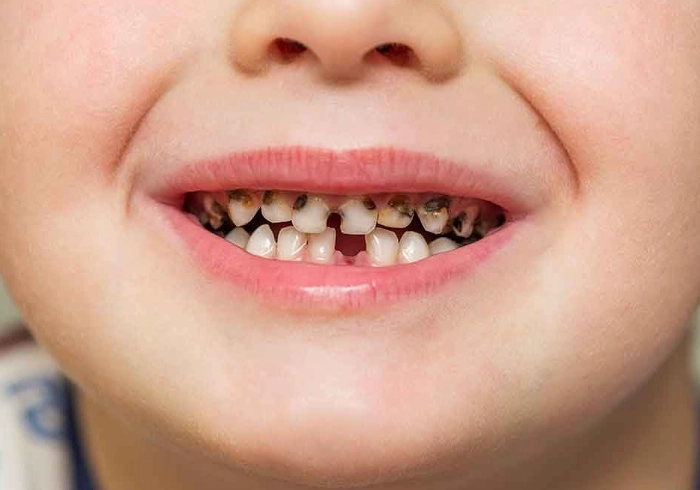
The pain from an abscess is intense. It's a deep, throbbing pain that painkillers often barely touch. It requires immediate professional intervention, usually antibiotics and likely either a baby root canal (pulpotomy) or extraction. Letting it get to this point is, frankly, a failure of care. It's preventable.
The Long-Term Chain Reaction: How a Tiny Cavity Messes Up the Future
This is the part most parents don't see coming. The consequences of milk tooth decay echo for years, long after the baby tooth is gone.
The Permanent Tooth Under Siege
Baby teeth aren't isolated. They sit directly on top of the developing permanent teeth in the jawbone. A severe infection from decay in a milk tooth can actually damage the enamel of the adult tooth growing beneath it. Dentists call this "Turner's Tooth." The permanent tooth can erupt with white or brown spots, weak, pitted, or discolored enamel. It's more prone to cavities from day one. So, what happens if milk teeth decay badly? You can get a permanently compromised adult tooth before it even sees the light of day. That's a lifetime of extra dental work right there.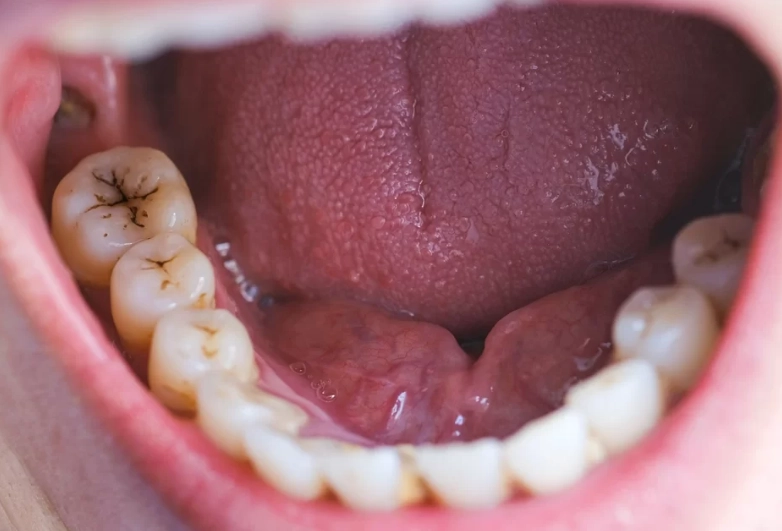
The Spacing Catastrophe
Baby teeth have a critical job: they are space holders. They keep the correct amount of room open in the jaw for the larger adult teeth to come in straight. If a milk tooth is lost too early because of decay (say, at age 4 instead of age 10), the teeth next to it start to drift into that empty space. They close the gap.
By the time the adult tooth is ready to erupt years later, there's no room for it. It comes in crooked, impacted, or in the wrong place entirely. This almost always guarantees the need for orthodontic treatment (braces) later on. We're talking thousands of dollars and years of appliances, all because a $200 filling on a baby tooth wasn't done. It's the ultimate false economy.
Speech and Chewing: The Functional Loss
We don't think about it, but teeth are essential tools. Front teeth (especially the incisors) are crucial for forming certain sounds like "th," "f," and "v." Losing them early to decay can cause a lisp or other speech impediments that may require speech therapy to correct later.
Back teeth are for grinding food. If they're painful or missing, a child can't chew properly. They might swallow food whole, leading to digestive issues, or they might avoid nutritious, fibrous foods like meats and raw vegetables. This can impact their overall nutrition and growth. It's a subtle, insidious effect that's hard to trace back to a bad tooth.
What Does the Dentist Actually Do? A Look at Treatment Options
Okay, so you've found a cavity or the dentist has. Panic isn't helpful. Action is. Here's what the process looks like, from simple to more complex.
The goal of pediatric dentistry is always to preserve the baby tooth until its natural time to fall out, if at all possible. Extraction is a last resort.
| Treatment | What It Is | When It's Used | The Goal |
|---|---|---|---|
| Fluoride Varnish / Silver Diamine Fluoride (SDF) | A liquid brushed on to stop a very early cavity from growing. | Tiny, initial decay spots. It's non-invasive. | Arrest the decay, buy time, often turns the spot black but stops it. |
| Tooth-Colored Filling (Composite) | Removing the decay and filling the hole with a white material. | Small to medium-sized cavities in any tooth. | Restore function and shape, prevent further decay. |
| Stainless Steel Crown ("Cap") | A pre-formed metal crown placed over the tooth. | Large decay, after a baby root canal, or on teeth with weak enamel. | Provide a strong, full-coverage restoration for a badly broken-down tooth. |
| Pulpotomy ("Baby Root Canal") | Removing infected pulp from the crown part of the tooth, leaving healthy root pulp. | Deep decay that has reached the pulp but the root is not infected. | Save a severely infected tooth, relieve pain, avoid extraction. |
| Tooth Extraction | Removing the tooth entirely. | Tooth is too damaged to save, severe abscess, risk to adult tooth. | Remove source of infection/pain. MUST be followed by a space maintainer. |
| Space Maintainer | A small custom metal or plastic appliance. | AFTER any early extraction of a back baby tooth. | Hold the space open so the adult tooth can erupt normally. |
A lot of parents get nervous about crowns or pulpotomies for baby teeth. "Isn't that overkill?" But the alternative – extraction and the ensuing orthodontic nightmare – is usually far worse. The crown protects what's left of the tooth and allows it to function normally until it's ready to come out on its own schedule.
The space maintainer is the unsung hero here. If a tooth must come out, this little device is non-negotiable.
Answering Your Burning Questions (The Stuff You're Really Searching For)
This is the million-dollar question. The official stance from organizations like the American Academy of Pediatric Dentistry (AAPD) is a clear no. Decay is an active disease process. It doesn't just sit there. It grows.
However, in the real world, there's a tiny gray area. If the cavity is *incredibly* superficial, the tooth is very loose (like, about to fall out in weeks), and there is zero pain or infection, a dentist *might* monitor it very closely. But this is a rare exception, not a rule. Banking on a tooth falling out before the decay hits the nerve is a risky gamble with poor odds. Most of the time, the decay wins the race.
This is a huge barrier. The fear is real. First, choose a pediatric dentist, not a general dentist. Their whole office is designed for kids. They use different words ("sleepy juice" instead of anesthesia, "tooth counter" instead of explorer).
Second, don't transfer your own anxiety. Don't say, "It won't hurt" (that introduces the idea of hurt). Say, "The dentist is going to count your teeth and make them super strong." Role-play at home. There are great kids' books about going to the dentist. For necessary treatment, ask about sedation options. Nitrous oxide ("laughing gas") is very safe and effective for mild anxiety. For more extensive work, oral conscious sedation or even general anesthesia in a hospital setting might be the kindest option for a very fearful or young child. It's about creating a positive association, not a traumatic one.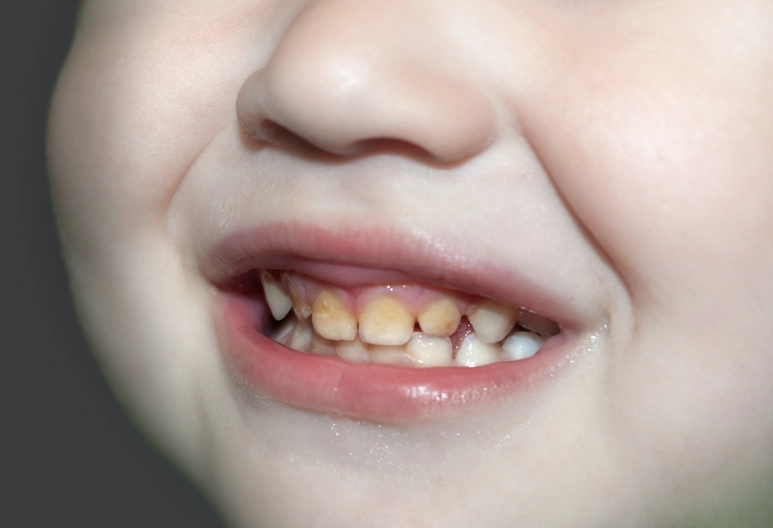
Prevention is absolutely possible, and it's way easier than treatment. It boils down to a few key habits:
- Wipe, then Brush: Even before teeth erupt, wipe gums with a soft cloth. Start brushing with a rice-grain-sized smear of fluoride toothpaste as soon as the first tooth appears.
- You Do the Brushing: Kids don't have the manual dexterity to brush effectively until about age 7 or 8. Let them "practice," but you must do the thorough brushing twice a day, especially at night.
- Mind the Bottle and Sippy Cup: Never put a child to bed with a bottle of milk, formula, or juice. The sugar pools around the teeth all night. Water only at bedtime. Limit juice to mealtimes, and dilute it heavily.
- Smart Snacking: Constant grazing fuels cavity-causing bacteria. Stick to scheduled meals and snacks. Choose cheese, yogurt, fruits, and veggies over crackers, cookies, and dried fruit (which is sticky and sugary).
- First Dental Visit by Age 1: This is the AAPD guideline. It's not for a cleaning, but for a risk assessment, education, and getting the child comfortable. It establishes a "dental home."
- Consider Sealants: Once the permanent molars come in (around ages 6 and 12), ask about sealants. They are a protective plastic coating applied to the chewing surfaces to prevent decay in those deep grooves.
I know, it sounds like a lot. But honestly, establishing a two-minute brushing routine is far less stressful than dealing with the aftermath of asking, "What happens if milk teeth decay?" from a hospital chair.
The Bottom Line: Shifting Your Mindset
The biggest hurdle isn't knowledge; it's perception. We have to stop viewing baby teeth as disposable. They are not practice teeth. They are the first and most important phase of your child's dental development.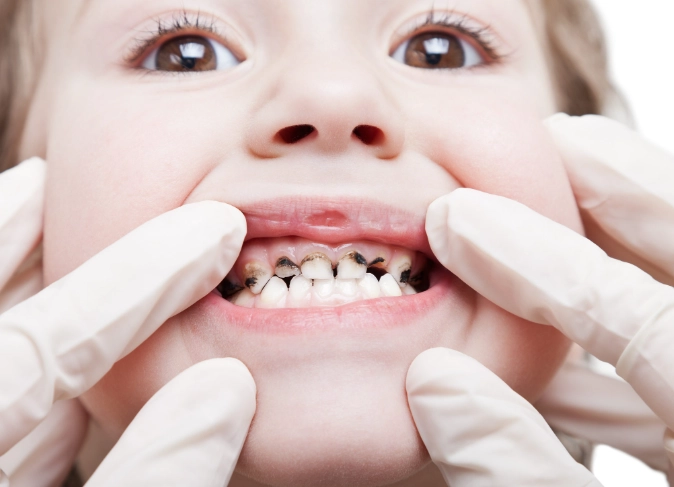
Ignoring decay because the tooth will fall out is like ignoring a leaky pipe in your basement because you plan to remodel the kitchen in five years. The damage it does in the meantime can be catastrophic and far more costly to repair.
Talk to a pediatric dentist. Get a plan. It's one of the best investments you'll ever make in your child's health, confidence, and future smile. Trust me, their adult self will thank you for it.