In This Article
- What is Deep Cleaning Actually Doing? (It's More Than Just Time)
- The Single Biggest Factor That Determines How Long Your Cleaning Takes
- Other Key Factors That Influence the Clock
- A Realistic Appointment-by-Appointment Timeline
- What Does It Feel Like? The Discomfort vs. Time Trade-Off
- Your Role Before and After: How You Can Influence Success (and Maybe Even Time)
- Common Questions People Forget to Ask (But Should)
- The Final Word on Time
If you're sitting there wondering, "How long does teeth deep cleaning take?" because you've just been told you need one, take a deep breath. You're not alone. I remember the first time my dentist mentioned it to me. My mind immediately jumped to visions of being stuck in the chair for hours on end, and I started mentally rescheduling my entire week. The anxiety was real. But here's the thing – it's rarely as bad as we build it up to be in our heads. The actual time it takes is one of the biggest concerns people have, right up there with cost and discomfort.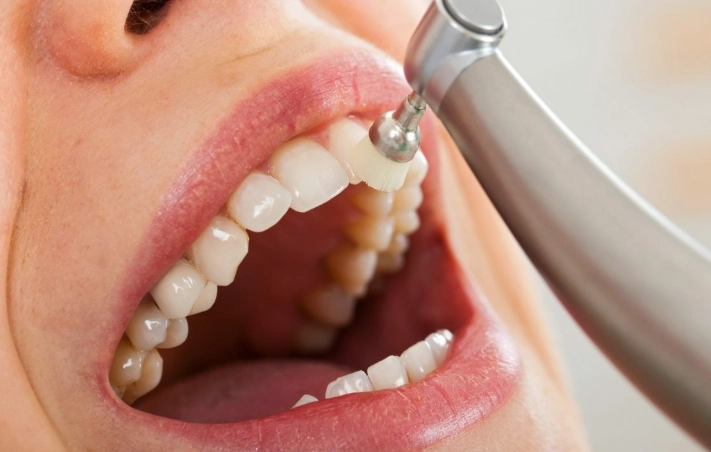
So let's cut to the chase and then dive into the nitty-gritty. A typical deep cleaning, which your dentist might call scaling and root planing, usually takes between one to two hours per quadrant. Wait, per quadrant? Yeah, that's the kicker. Your mouth is divided into four quadrants (upper right, upper left, lower right, lower left), and often, the cleaning is split over two or more separate appointments. So, the total chair time for your entire mouth can easily range from 2 to 4 hours, sometimes more, but spread out. That's the broad answer, but as with anything in health, the devil is in the details. Your specific situation is what really dictates the clock.
Why does it take so much longer than your regular six-month polish? That's because a deep cleaning is a completely different beast. It's a therapeutic procedure for active gum disease (periodontitis), not preventive maintenance. The goal is to meticulously remove hardened tartar (calculus) and bacterial toxins from deep under your gums, all the way down to the roots of your teeth where regular brushing and flossing – and even your hygienist's tools during a regular cleaning – simply can't reach. It's detailed, precision work. Rushing it isn't an option if you want it to be effective.
What is Deep Cleaning Actually Doing? (It's More Than Just Time)
Before we get more into the timeline, it helps to understand what's happening during those minutes in the chair. Calling it a "cleaning" is almost an understatement. It's really a two-part, non-surgical periodontal therapy.
- Scaling: This is the part where the dentist or hygienist uses special instruments (ultrasonic scalers and/or manual curettes) to literally scrape the tartar off the tooth surfaces, both above and, crucially, below the gumline. That sub-gingival (under the gum) tartar is the main culprit causing inflammation and bone loss.
- Root Planing: After the big chunks of calculus are gone, this step smooths the root surfaces. Why smooth them? A rough root is a paradise for bacteria to re-attach. Smoothing it out makes it harder for plaque and tartar to stick again and helps your gum tissue reattach to the tooth more healthily.
Think of it like cleaning a heavily stained, rough brick wall versus a smooth, glazed tile wall. The brick takes forever because you have to dig into every pore. That's your tooth root with tartar. The goal of deep cleaning is to turn it back into that glazed tile.
Quick Comparison: Your regular cleaning (prophylaxis) is like dusting and vacuuming the living room. It's for maintenance. A deep cleaning (scaling and root planing) is like pulling out all the furniture, scrubbing the baseboards, shampooing the carpet, and dealing with a mold problem in the corner you didn't see. It's a treatment for an existing problem.
The Single Biggest Factor That Determines How Long Your Cleaning Takes
If I had to pick one thing that changes the answer to "how long does teeth deep cleaning take?" more than anything else, it's this: the severity of your gum disease.
Your dentist measures this with a probe, checking the pockets (spaces) between your gums and teeth. Healthy pockets are 1-3 millimeters deep. When you have periodontitis, these pockets deepen as the gum detaches and bone is lost. 4mm is a warning sign. 5mm and above usually means a deep cleaning is necessary.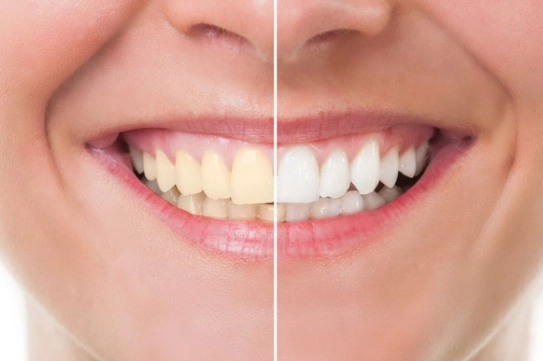
Here’s the simple truth: More tartar + deeper pockets = more time. It's that straightforward. If you have deep 6-7mm pockets with heavy calculus buildup, cleaning each tooth is a meticulous, time-consuming excavation. If your case is more moderate, with generalized 4-5mm pockets and lighter buildup, the process will be faster.
Other Key Factors That Influence the Clock
While disease severity is king, a whole court of other factors play a role. Let's break them down.
| Factor | How It Affects Time | Why It Matters |
|---|---|---|
| Number of Quadrants Treated | Directly proportional. 1 quadrant = ~1 hr, 4 quadrants = ~4 hrs total (usually split). | Most people don't do all four at once. It's uncomfortable and requires a lot of local anesthetic. Spacing it out is standard. |
| Amount & Hardness of Tartar | Heavy, rock-like calculus takes far longer to remove than thinner, softer deposits. | This is often linked to time since last cleaning and oral hygiene habits. Long neglect means harder work. |
| Tooth Anatomy & Alignment | Crowded teeth, root furcations (splits), and deep grooves create hiding spots, increasing time. | Some mouths are just architecturally more challenging to clean, even for a pro. |
| Use of Numbing Agents | Adding time for injection and waiting for numbness to set in (5-10 mins). | Essential for comfort during deep work below gums. The time is worth it for a pain-free experience. |
| Patient Cooperation & Comfort | Needing frequent breaks, gag reflex, or difficulty keeping mouth open can extend time. | Communicate with your dental team! They can help you get comfortable. |
| Technology Used | Ultrasonic scalers can be faster for bulk removal, but manual tools are needed for fine-tuning. | A combination is often used. Some newer systems may improve efficiency slightly. |
See what I mean? It's not a one-size-fits-all answer. When you ask your dentist, "How long will MY deep cleaning take?" they are mentally running through this checklist based on what they saw on your x-rays and during your probing.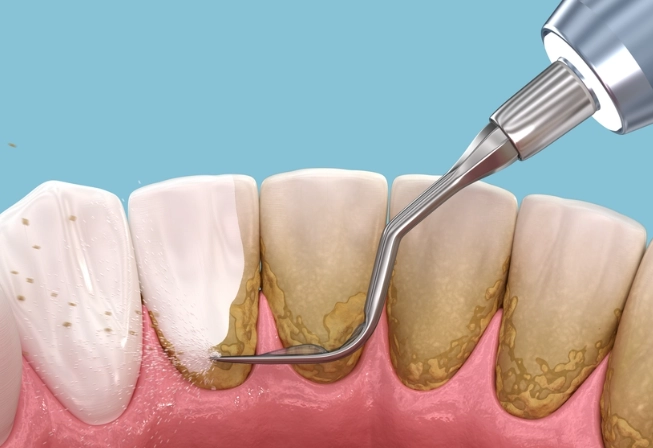
A Realistic Appointment-by-Appointment Timeline
Let's walk through what a typical treatment plan looks like for a full-mouth case. This is the schedule my own periodontist laid out for me, and it's pretty common.
First Appointment (Assessment & First Half): This one is often the longest. You'll come in, they'll review your x-rays, and usually start with one half of your mouth (e.g., the upper and lower right quadrants). They'll apply a topical gel, then administer local anesthetic injections to numb that entire side. That process itself can take 5-10 minutes, plus a few more for it to fully take effect. Then the scaling and root planing begins. For two quadrants with moderate disease, you're looking at a solid 60 to 90 minutes of active cleaning time. Add in pre-op chat, post-op instructions, and scheduling your next visit, and you can easily be in the office for 1.5 to 2 hours.
Second Appointment (The Other Half): Usually scheduled 1-2 weeks later. This one often goes a bit quicker. You know the drill (pun not intended), the team knows you, and the process is familiar. The active cleaning time might be similar, but the overall appointment might feel smoother and slightly shorter. Still, block out 1 to 1.5 hours of your day.
Re-Evaluation Appointment (The Most Important Follow-Up): This is non-negotiable and is usually 4-6 weeks after your last cleaning session. It's NOT another cleaning. It's a check-up to see how your gums have healed. They'll probe your pockets again. This appointment is shorter, maybe 30-45 minutes. The goal is to see if the therapy worked. If pockets are reduced and gums are less inflamed, great! You'll move into a periodontal maintenance schedule (cleanings every 3-4 months). If some deep pockets remain, they might discuss localized retreatment or other options.
Don't Skip This! I've heard of people finishing their two cleaning appointments and thinking they're done forever. The re-eval is critical. It's the only way to know if the investment of your time and money actually paid off by improving your oral health. Skipping it is like taking antibiotics for 5 days instead of the full 10 and assuming the infection is gone.
What Does It Feel Like? The Discomfort vs. Time Trade-Off
Let's be honest, this is the other big question alongside "how long does teeth deep cleaning take?". The numbness from the local anesthetic means you shouldn't feel sharp pain during the procedure. What you will feel is pressure, vibrations from the ultrasonic scaler (like a buzzing), and the sensation of scraping. It's weird, but not typically painful. Some areas might be more sensitive than others, especially if the inflammation is severe. A good clinician will check in with you and can give more anesthetic if needed.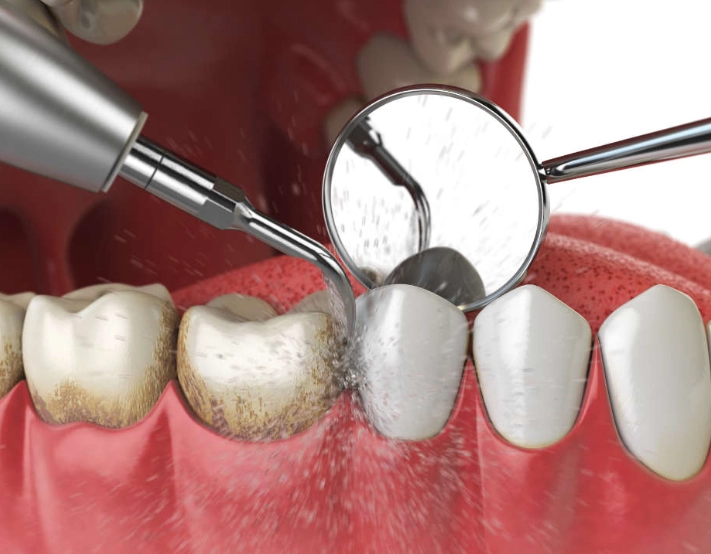
Now, the after-effects are where the real experience lies. Once the numbness wears off, you can expect some soreness and tenderness in your gums for a day or two, like they've had a serious workout. Your teeth might feel a bit sensitive to temperature, especially if the roots are now more exposed (a sign the swollen gums have receded to a healthier level). This is normal. Over-the-counter pain relievers, soft foods, and avoiding extreme temperatures usually manage it just fine.
Is it pleasant? No. But is it worse than the alternative of losing teeth to gum disease? Not even close. It's a manageable discomfort for a long-term gain. The time spent in the chair is an investment in keeping your teeth.
Your Role Before and After: How You Can Influence Success (and Maybe Even Time)
You're not just a passive participant. What you do before and after can impact the procedure's effectiveness and potentially even how smoothly it goes.
Before the Appointment:
Take any pre-medication if prescribed (e.g., for a heart condition). Eat a good meal beforehand, as you'll be numb and not eating for a while after. Brush and floss well – it just makes the starting point a tiny bit easier for them.
Aftercare is Everything:
This is where you truly control the long-term outcome. The deep cleaning removes the existing infection, but you must keep it clean to prevent it from coming back. Your hygienist will give you tailored instructions, which often include:
- Using a soft-bristled toothbrush, gently but thoroughly.
- Flossing daily. Non-negotiable. If flossing is hard, ask about water flossers or interdental brushes.
- Possibly using a prescription antimicrobial mouthwash like chlorhexidine for a short period.
- Coming back for periodontal maintenance cleanings every 3-4 months, not every 6. This is the key to preventing a relapse and needing another deep cleaning down the line.
If you nail your home care, your future maintenance appointments will be quicker and easier. If you slack off, the disease will return, and you'll be asking "how long does teeth deep cleaning take?" again in a few years. Trust me, you don't want to do this twice.
Common Questions People Forget to Ask (But Should)
Probably, but I wouldn't schedule a big presentation. You'll be numb for a few hours, which can make talking and drinking awkward. Some mild oozing of blood is normal. If you can, taking the rest of the day off or working from home is a nice luxury. For strenuous jobs, you might want to schedule it on a day off.
Most plans provide some coverage for periodontal therapy, but it's often subject to a separate deductible or has a co-insurance (e.g., they pay 50-80%, you pay the rest). There are also often frequency limitations (e.g., one per tooth per 24-48 months). Always get a pre-treatment estimate. The cost can be significant, so knowing your portion beforehand is crucial. The American Dental Association (ADA) has resources to help understand dental benefits.
Many general dentists are skilled at performing deep cleanings. However, for complex cases with very deep pockets, significant bone loss, or medical complications, they may refer you to a periodontist (a gum specialist). Periodontists have advanced training and may use additional techniques or technologies. There's no right answer, but a referral is a sign your dentist is prioritizing the best outcome for you.
The initial soreness subsides in a few days. The redness and puffiness (inflammation) should improve noticeably within a week. True, firm healing and pocket reduction are measured at that 4-6 week re-evaluation appointment. Your gums may appear slightly more "receded" because the swollen, diseased tissue has shrunk down to a healthier, tighter fit.
This is like asking if you can put a band-aid on a deep cut that needs stitches. If you have active gum disease with deep pockets, a regular cleaning only cleans above the gumline. It leaves the disease-causing bacteria and tartar untouched below. It will not stop the progression of bone loss. It's a waste of time and money for your condition. The American Academy of Periodontology (AAP) is very clear that scaling and root planing is the foundational treatment for chronic periodontitis.
The Final Word on Time
So, when you boil it all down, how long does teeth deep cleaning take? You're committing to a process, not a single event. It's a short-term investment of a few hours of chair time, spread over a few weeks, to secure the long-term health of your smile.
The exact number of minutes is less important than understanding why it takes that long and what you're achieving in that time. It's meticulous work to save your teeth from a silent, destructive disease. The discomfort is temporary. The peace of mind and the preservation of your natural teeth? That's permanent.
The best advice I can give is to have an open conversation with your dentist or hygienist. Ask them: "Based on my x-rays and pocket depths, what's your estimate for how long my deep cleaning will take?" and "What does the typical appointment plan look like for a case like mine?" They can give you the personalized timeline that all this general information points toward.
Then, block out the time in your calendar, take a deep breath, and get it done. Your future self will thank you for every minute of it.