It's 2 AM. The world is quiet, but a throbbing, insistent pain in your tooth is screaming for attention. You can't sleep, you can't think, and the dentist's office is hours from opening. This scenario is a special kind of misery. Nighttime toothaches often feel worse because there are fewer distractions, and lying down can increase blood pressure in the head, intensifying the pain from an inflamed pulp or abscess. The goal isn't just to survive until morning—it's to find effective, fast relief so you can get some rest and think clearly about your next steps.
Your Quick Action Guide
Why Does Tooth Pain Get Worse at Night?
It's not your imagination. There are physiological reasons a toothache amplifies after dark. When you lie down, more blood flows to your head, increasing pressure inside your teeth and gums. If you already have inflammation—from a deep cavity, a cracked tooth, or an abscess—this extra pressure pushes on the nerve, making the throbbing unbearable. The quiet of night also means you're hyper-focused on the pain. There's no work, no TV, just you and the pounding in your jaw. Understanding this helps you fight back strategically, starting with your posture.
Immediate Actions for Fast Tooth Pain Relief
Before you reach for anything, do these two things. They cost nothing and can make a significant difference.
Prop Yourself Up
This is the single most effective and immediate change you can make. Grab an extra pillow or two. The goal is to keep your head elevated above the level of your heart. By sitting up more, you reduce the blood pressure surge to your head and the painful throbbing often subsides enough to let you breathe and plan your next move. It sounds too simple, but it works.
Apply a Cold Compress (The Right Way)
Don't just slap an ice pack on your cheek. Wrap a thin towel around an ice pack or a bag of frozen peas. Apply it to the outside of your cheek, over the painful area, for 15-20 minutes. The cold constricts blood vessels, reducing inflammation and numbing the pain signals. Take it off for 20 minutes, then reapply if needed. Never apply heat to a sudden toothache—it can increase swelling and make an infection spread faster.
Pro Tip: If you don't have an ice pack, a bag of frozen vegetables (peas or corn work well) conforms perfectly to your face. Just remember to label it so you don't cook it later!
Cleaning and Temporary Fixes
Often, nighttime pain is triggered by food debris trapped in a cavity or under the gumline. Your first line of defense is a thorough, gentle clean.
Floss Carefully: This isn't about vigorous scrubbing. Take a piece of floss and gently work it around the painful tooth. The goal is to dislodge any trapped food particle that might be pressing on the nerve. If you feel a sharp pain when the floss goes between two teeth, you might have a cavity there. Be gentle but thorough.
Rinse with Warm Salt Water: Mix half a teaspoon of salt in a glass of warm (not hot) water. Swish it gently around your mouth for 30 seconds, focusing on the painful area. Spit it out. Salt water is a mild antiseptic that can reduce inflammation in the gums and help clean out debris. It's safe and you can repeat it every few hours.
The Temporary Filling Kit (For Lost Fillings/Crowns): If your pain is because a filling fell out or a crown came loose, exposing the sensitive inner tooth, a drugstore temporary filling material can be a lifesaver. Brands like Dentemp are available at most pharmacies. Clean the area, dry it with a cotton swab, and follow the kit's instructions to plug the hole. This seals the nerve from air, saliva, and food, which are often the main triggers of that sharp, shooting pain. It's a temporary fix until you see a dentist, but it can mean the difference between agony and sleep.
Natural Remedies & Over-the-Counter Medication
Clove Oil: A Potent but Precise Natural Remedy
Clove oil contains eugenol, a natural anesthetic and antiseptic. It's been used in dentistry for ages. Here's the crucial part most guides get wrong: Never pour pure clove oil directly onto your gums or into a cavity. It can burn your tissue. The correct way is to dilute it. Put one or two drops of clove oil on a cotton ball, then mix it with a drop of a carrier oil like olive oil. Gently bite down on the cotton ball, placing it against the painful tooth (not the gum) for 10-15 minutes. The numbing effect is real but temporary.
Choosing the Right Painkiller
Not all over-the-counter pain meds are equal for toothaches. Ibuprofen (Advil, Motrin) is generally more effective than acetaminophen (Tylenol) for dental pain because it reduces inflammation, which is often the root cause of the throbbing. If you can take NSAIDs, a dose of ibuprofen according to the package instructions can provide significant relief. Acetaminophen is a good alternative if you can't take ibuprofen, but it only masks the pain, not the inflammation. For severe pain, some dentists recommend alternating ibuprofen and acetaminophen (staggering doses by a few hours), but you should consult a pharmacist or doctor before trying this, especially if you have other health conditions.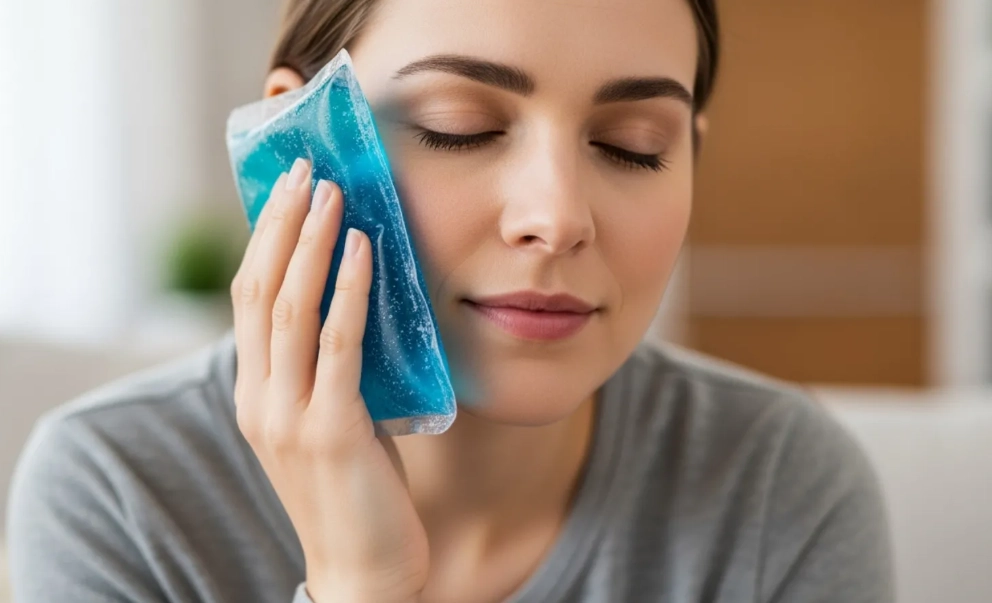
Warning: Never place a crushed aspirin or any painkiller directly against your gum or tooth. This is an old wives' tale that can cause a severe chemical burn to your soft tissue, creating a painful ulcer on top of your toothache.
Red Flags: When It's a True Dental Emergency
All home remedies are temporary. Some situations mean you shouldn't wait until morning. If you experience any of the following, you need to seek emergency dental care or go to an emergency room:
- Facial Swelling: Especially if it's spreading to your cheek, under your jaw, or around your eye. This indicates a spreading infection that can become dangerous.
- Difficulty Breathing or Swallowing: This is a major red flag for a severe infection that could be blocking your airway.
- Fever: A fever paired with a toothache signals your body is fighting a systemic infection.
- Uncontrolled Bleeding: Following an injury or extraction.
- Trauma: A tooth knocked out or severely broken from an accident. For a knocked-out permanent tooth, place it back in the socket if possible, or keep it in milk or saliva and get to a dentist immediately—time is critical.
Many areas have emergency dental services or hospital dental departments. A quick online search for "emergency dentist near me" or "[your city] dental emergency" can find help. The American Dental Association's Find-a-Dentist tool can also be filtered for emergency care.
Your Nighttime Toothache Questions Answered
 Getting through a night of tooth pain is about smart, sequential actions. Start with posture and cold therapy. Move to gentle cleaning. Use targeted remedies like clove oil or OTC medication wisely. Most importantly, know the warning signs that mean you need professional help now, not later. Once the sun is up, your first call should be to a dentist to address the underlying cause—because these home remedies are a bridge to treatment, not a substitute for it.