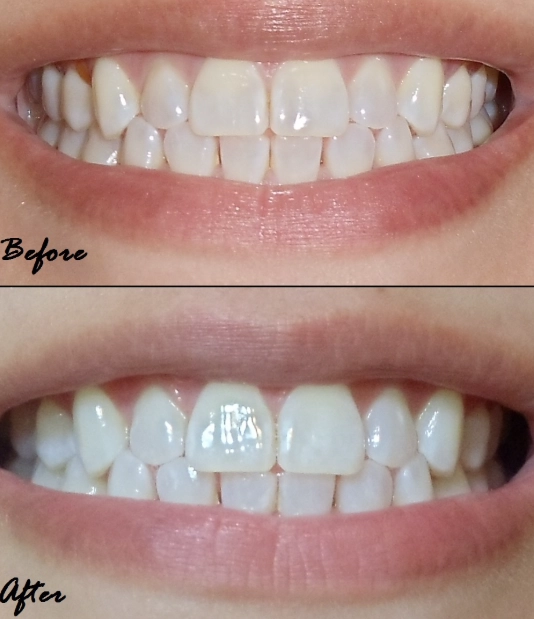
Let's be real. You bought the box of Crest 3D White Whitestrips, you're excited, and you want to know one thing: how long until I see whiter teeth? The short, honest answer is most people notice a visible difference after 3 to 4 days of consistent use. A full treatment course, typically 10 to 14 days depending on the product, delivers the maximum result promised on the box. But that timeline isn't a guarantee for everyone. Your starting point, your habits, and even how you apply the strips can speed things up or slow them down. I've used these strips for years and made every mistake in the book—from over-enthusiastic application to ignoring sensitivity warnings. This guide will walk you through the real-world timeline, the factors that actually matter, and how to get the best results without the common pitfalls.
Your Whitening Journey at a Glance
The Day-by-Day Whitening Timeline
Think of teeth whitening not as an on/off switch, but as a gradual fade. The peroxide gel in the strips needs time to penetrate your enamel and break down stains. Here's what you can realistically expect, based on the product line. Crest's own clinical studies, which you can find summarized on their official site, form the basis for these ranges.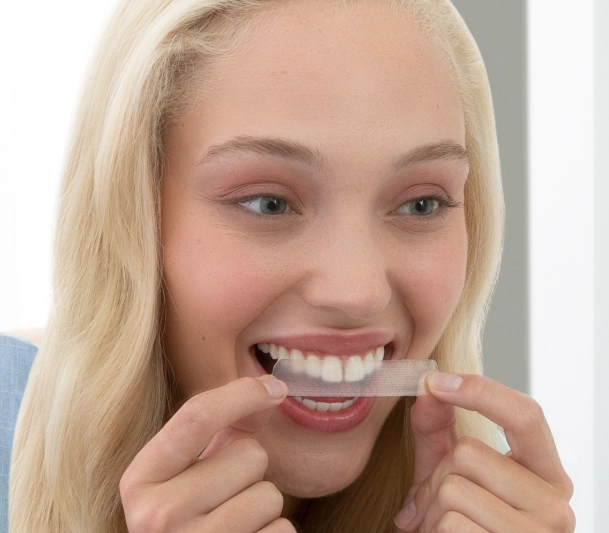
| Product Name (Typical Treatment Length) | First Noticeable Change | Mid-Point Results | Full Final Results |
|---|---|---|---|
| Crest 3D White Whitestrips Classic (10 days) | Day 3-4 | Day 5-6 (Clear lightening) | Day 10 (Up to 1 shade whiter per 3 days of treatment) |
| Crest 3D White Whitestrips Professional Effects (20 days) | Day 5-7 | Day 10-12 (Significant improvement) | Day 20 (Up to 14 shades whiter, per Crest) |
| Crest 3D White Whitestrips 1 Hour Express (7 treatments) | After 1st use* | Day 3-4 | Day 7 |
| Crest 3D White Luxe Whitestrips (14-20 days) | Day 4-5 | Day 7-10 | Day 14-20 |
*A quick note on the "1 Hour Express" claim: You might see a slight brightness after the first 1-hour session, but it's often subtle. Don't be discouraged if you don't. The cumulative effect is what counts.
The "shades whiter" metric is a dental industry standard. One shade is a perceptible difference. Jumping 3-4 shades is a transformation most friends would comment on.
What Speeds Up or Slows Down Your Results?
Here’s where most generic articles stop. They give you the standard timeline and call it a day. But your teeth aren't standard. The biggest factor isn't the strip—it's what's underneath it.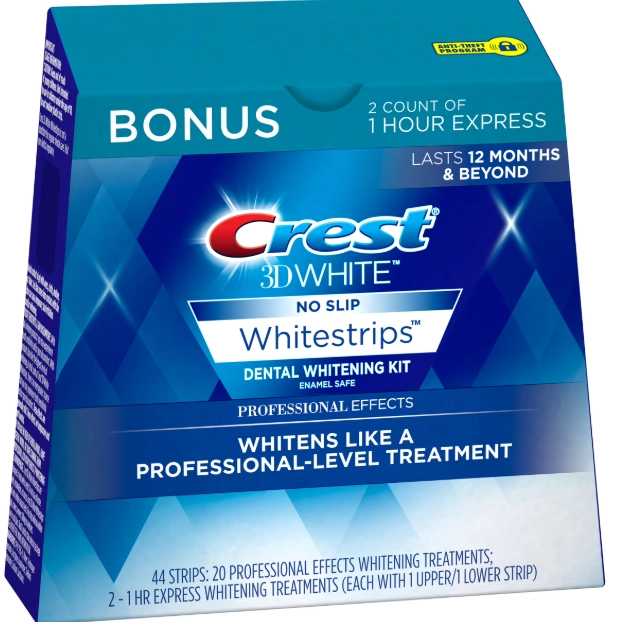
Your Starting Point: The Stain Type
Extrinsic stains (on the surface) from coffee, red wine, or smoking lighten faster. The peroxide attacks them first. Intrinsic stains (within the tooth) from aging, trauma, or certain medications like tetracycline are tougher and take longer. If your discoloration is deep, the 10-day Classic strips might only make a dent. A longer regimen like Professional Effects is a better match.
The Sneaky Factor: Tooth Hydration
This is a subtle point most miss. Teeth are slightly porous. A dehydrated tooth (think first thing in the morning) can whiten slightly faster because the peroxide penetrates more easily. But this also increases sensitivity risk. Whitening right after a long, dry sleep might not be the best move if you have sensitive teeth.
Your Anatomy and Application
Misshapen teeth, tight contacts, or gum recession create tiny gaps where the strip doesn't lay perfectly flat. The gel can't contact the enamel evenly. Result? Uneven whitening or slower progress in those spots. I learned this the hard way with a slightly rotated canine. The back of it stayed darker for days until I started gently molding the strip around it.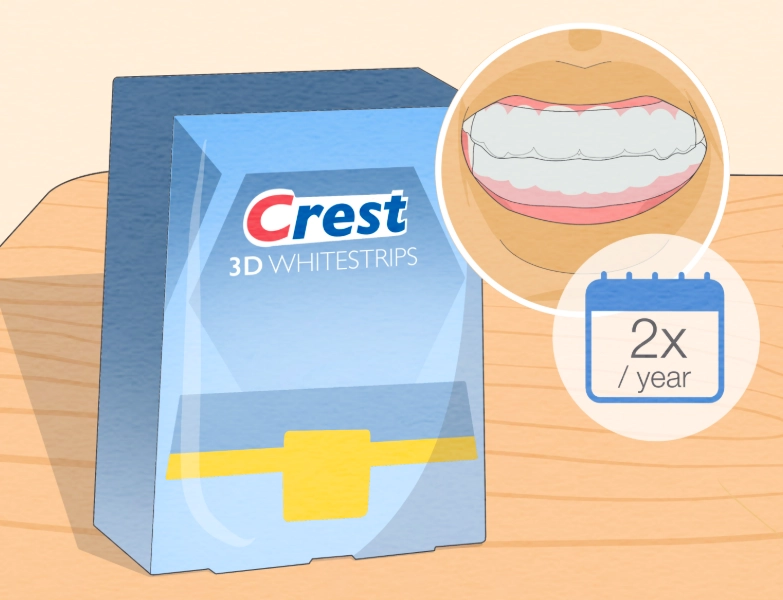
How to Use Crest Whitening Strips for Best Results
Following the instructions matters, but these are the nuances the instruction leaflet doesn't have space for.
Prep is Everything. Brush and floss before applying, not after. You want to remove plaque so the gel contacts pure enamel. But wait 30 minutes after brushing. Brushing can microscopically roughen the enamel, and applying peroxide immediately after can increase sensitivity. A quick rinse with water is fine.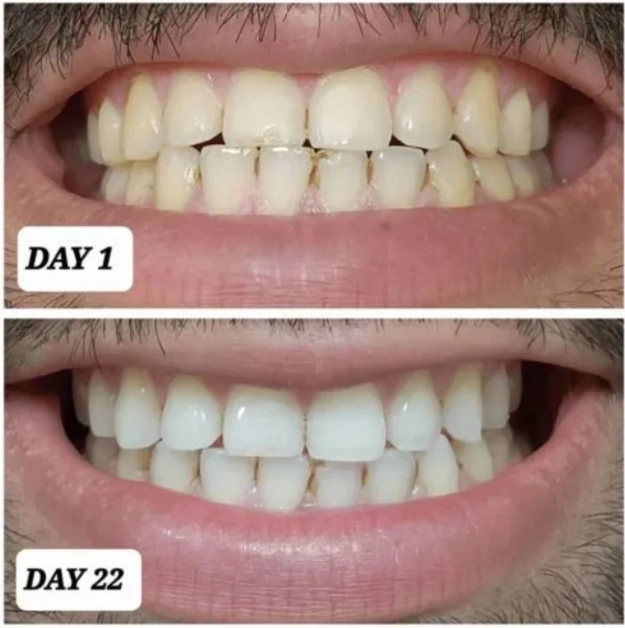
The Application Ritual.
- Dry your teeth with a tissue. A dry surface helps the adhesive stick.
- Apply the top arch first, then the bottom. It's easier.
- Press the strip firmly from the center outwards, smoothing it over every tooth. Use your fingernail to tuck it slightly under the gumline on the front—but not on the gums. This prevents a weird un-whitened line near your gums.
- Fold the excess strip behind your teeth. Don't cut it. Folding it creates a better hold.
During the Treatment. Don't drink anything. Saliva will wash the gel away. Try not to talk excessively—it loosens the strips. If a strip peels, just press it back. A little gel leakage is normal but swallow sparingly; it can irritate your throat.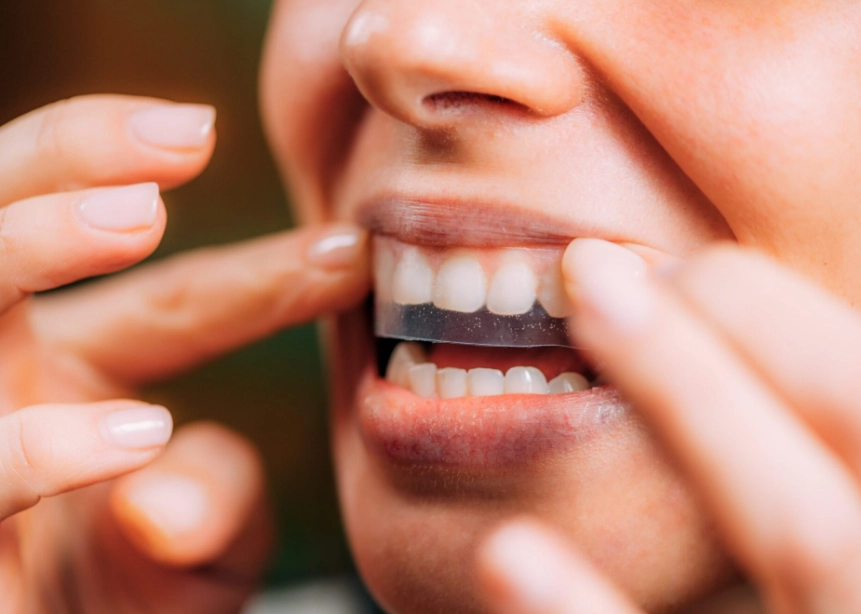
The Removal and Aftercare. After your time is up, peel from the back forward. Rinse your mouth gently. Do not brush your teeth for at least an hour. Your enamel is temporarily more permeable. Wait for it to re-harden. This is a critical step to avoid staining your newly cleaned pores with, say, a post-whitening coffee.
How to Make Your Whitening Results Last
You've put in the work. Now, keep it. Whitening isn't permanent. Without maintenance, stains come back in 1-6 months.
The First 48 Hours Are Critical. Your enamel pores are wide open. Avoid all dark liquids (coffee, tea, cola, red wine), dark sauces (soy, tomato), and smoking. If you must drink coffee, use a straw. It sounds silly, but it bypasses your front teeth.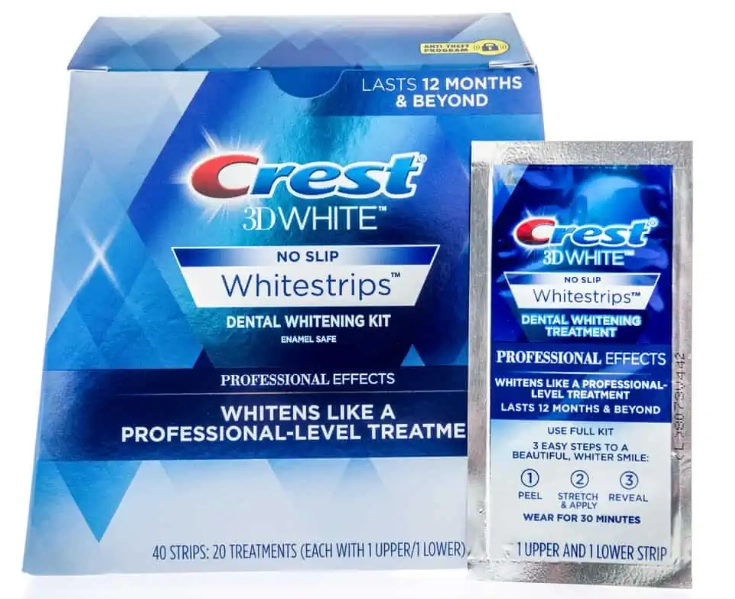
The Maintenance Schedule.
- Daily: Use a whitening toothpaste. It's a gentle abrasive that polishes away new surface stains.
- Weekly/Bi-weekly: Consider a single "touch-up" strip once every 2-4 weeks. Crest sells maintenance kits for this. Don't overdo it.
- Dietary Habits: Rinse with water after consuming staining foods or drinks. It dilutes the pigments before they settle.
Your results will fade. That's biology. But with a smart routine, you can keep a noticeably brighter smile for a year or more before needing another full treatment.