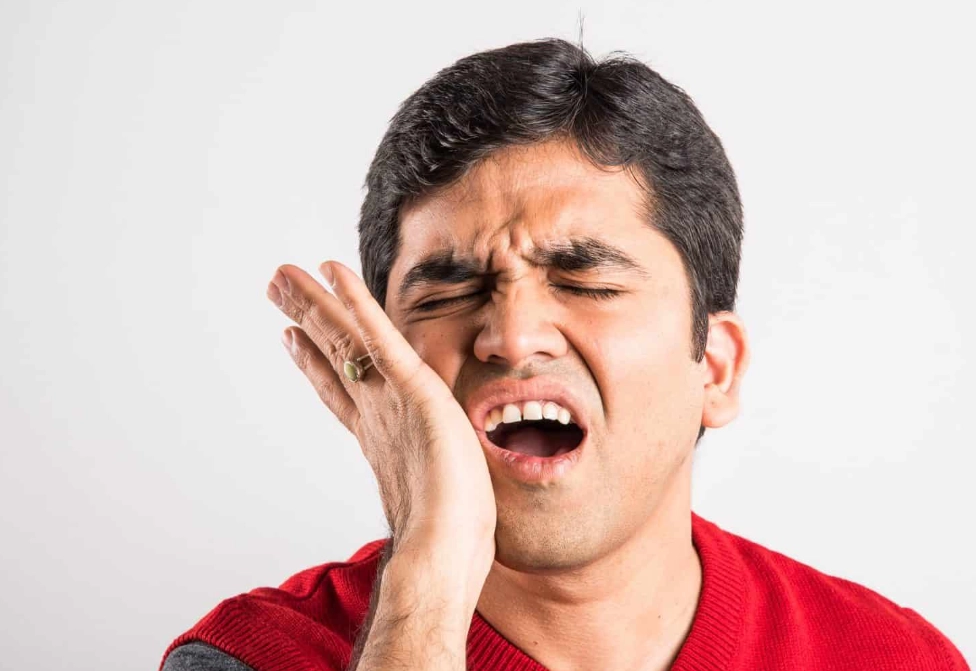
That sudden, sharp, throbbing agony in your tooth isn't just distracting—it feels like a full-blown emergency. You're searching for answers because the pain is unbearable, and the dentist's office is closed. I've been there, both as a patient and, in my professional experience, advising countless people in your exact situation. This guide cuts through the noise. We'll cover what you can do right now for safe relief, what you must avoid, and the critical signs that mean you need to drop everything and seek emergency dental care.
Quick Navigation: Your Tooth Pain Relief Roadmap
Immediate Actions to Take When Tooth Pain Strikes
First, don't panic. Panic makes pain feel worse. Take a deep breath and systematically assess the situation. Your goal in the first 30 minutes is damage control and gathering information.
Step 1: Locate and Identify the Pain. Is it one specific tooth, or a general area? Does tapping on it with a clean spoon handle cause a lightning bolt of pain (a classic sign of an abscess or cracked tooth)? Is the pain constant and throbbing, or sharp and intermittent? This info is gold for when you eventually talk to a dentist.
Step 2: Check for Obvious Triggers. Is there food packed between your teeth? Gently floss around the painful area. Sometimes, a piece of popcorn hull or meat fiber can cause immense pressure. Rinse vigorously with warm water. Look in the mirror. Do you see a large cavity, a broken filling, or swelling on your gum near the root?
Step 3: Contact a Dental Professional. Even if it's 2 AM, this is your most important step. Call your dentist's emergency line. If you don't have a dentist, search for "emergency dentist near me" or "24-hour dental clinic." Many dental associations, like the American Dental Association, maintain resources to find care. Leave a message detailing your symptoms. This starts the clock and gets you in the queue. Knowing an appointment is coming can reduce anxiety, which itself lessens pain perception.
Step 4: Consider Over-the-Counter Pain Relief. If you can safely take them, non-steroidal anti-inflammatory drugs (NSAIDs) like ibuprofen (Advil, Motrin) are often more effective for dental pain than acetaminophen (Tylenol) because they reduce inflammation. A common and effective protocol dentists recommend is alternating ibuprofen and acetaminophen (e.g., ibuprofen, then 3 hours later acetaminophen, then 3 hours later ibuprofen again). Critical: Always follow package dosage instructions and never exceed the maximum daily dose. Consult a pharmacist or doctor if you have liver/kidney issues, stomach ulcers, or are on other medications.
How to Use Home Remedies Safely and Effectively
These are temporary measures to take the edge off until you see a dentist. They treat symptoms, not the cause.
Top-Tier Relief Methods (Backed by Logic)
- Cold Compress (The Gold Standard): Apply an ice pack or a bag of frozen peas wrapped in a thin towel to the outside of your cheek, over the painful area. Do this for 15-20 minutes on, then 20 minutes off. The cold constricts blood vessels, reducing inflammation and throbbing. It's simple and incredibly effective for swelling and acute pain.
- Salt Water Rinse: Dissolve half a teaspoon of salt in a cup of warm (not hot) water. Swish gently for 30 seconds, then spit. This is not just an old wives' tale. It's a mild antiseptic that can help loosen debris, soothe inflamed gums, and reduce bacteria in a contaminated area. Do this 2-3 times a day.
- Elevation: If you're trying to sleep, prop your head up with an extra pillow. Keeping your head above your heart can reduce blood pressure in the area, potentially lessening that pounding sensation.
Methods with Mixed Reviews (Use with Caution)
Clove oil is often touted. It contains eugenol, a natural anesthetic. The problem? Pure clove oil is extremely potent and can burn your gum tissue if applied directly. If you use it, dilute one drop in a teaspoon of a carrier oil (like olive oil), soak a cotton ball, and dab it only on the tooth (avoid gums). Frankly, I find the risk of chemical burn often outweighs the benefit. A topical oral anesthetic gel containing benzocaine (like Orajel) from the pharmacy is a safer, more controlled option for numbing the surface, though its effect is shallow and short-lived.
Crucial Mistakes That Can Make Your Pain Worse
In desperation, people try things that cause more harm. Let's be clear on what not to do.
| What NOT to Do | Why It's Harmful | The Safer Alternative |
|---|---|---|
| Putting aspirin or painkiller directly on the gum | This is a chemical burn waiting to happen. It can ulcerate and severely damage your soft tissue, creating a painful sore on top of your toothache. | Swallow the medication as directed with water. Systemic relief is what you need. |
| Using a sharp object (pin, needle) to probe a cavity | You risk breaking off more tooth, pushing debris deeper, or puncturing your gum or pulp, introducing new bacteria and causing a worse infection. | Use gentle, warm water rinses to dislodge food. Floss carefully. |
| Applying excessive heat to the face | As mentioned, heat promotes swelling and can accelerate the spread of an existing infection. | Use only cold compresses externally. |
| Ignoring the pain and hoping it goes away | Severe tooth pain almost never resolves on its own. The underlying problem (infection, crack, decay) will progress, leading to more complex, painful, and expensive treatment later. | Take immediate action with home care and make a dental appointment your top priority. |
Red Flags: When Home Care Isn't Enough
This is the most critical section. Home remedies are a bridge to professional care, not a destination. If you experience any of the following, you are facing a dental emergency and need to see a dentist or visit an emergency room immediately.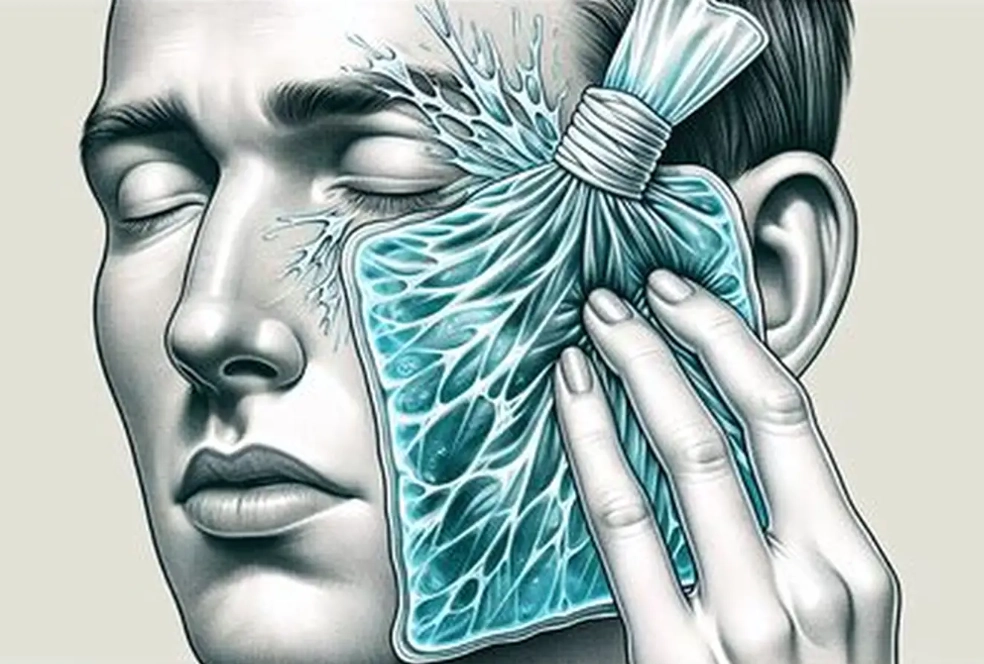
- Facial Swelling: Any noticeable swelling in your cheek, jaw, or under your eye. This indicates a spreading infection that can become life-threatening if it moves into deeper spaces in your neck or head (a condition called Ludwig's Angina).
- Fever: A fever paired with a toothache is your body's signal of a systemic infection. Don't wait.
- Difficulty Breathing or Swallowing: This is a 911-level emergency. Swelling can obstruct airways.
- Pain So Severe You Can't Sleep or Function: This level of pain typically means the nerve inside your tooth (the pulp) is dying or infected (irreversible pulpitis or abscess). It requires professional intervention like a root canal or extraction.
- A Bad Taste or Pus Drainage: This is a clear sign of an abscess that has ruptured. While the pressure release might bring temporary relief, the infection source is still active and needs treatment.
I once had a patient who waited three days with a swollen jaw because the pain "wasn't that bad" after the abscess burst. He ended up needing IV antibiotics and hospitalization. The infection had started to track into his neck. Don't be that person.
Preventing the Next Dental Emergency
Once this crisis is over, think long-term. An unbearable toothache is usually the finale of a long-running problem.
Schedule a Dental Exam: Even if the pain subsides, see a dentist. The cause is still there. It might be a cavity under an old filling, a hairline crack, or gum disease.
Master Your Oral Hygiene: This isn't just about brushing twice a day. It's about technique and consistency. Use a soft-bristled brush, fluoride toothpaste, and don't forget to floss or use interdental brushes to clean between teeth where cavities often start.
Address Grinding (Bruxism): Do you wake up with a sore jaw? You might be grinding your teeth at night, which can cause cracks and lead to pain. A dentist can fit you for a night guard.
Create a Dental Emergency Kit: Keep these items on hand: dental floss, sterile gauze, a small container with a lid (for a lost tooth/crown), temporary dental cement (available at pharmacies), ibuprofen, and the contact info for your dentist and a local emergency clinic.
Your Urgent Tooth Pain Questions Answered
The pain is mostly at night and wakes me up. Why is it worse then?
I have a visible hole in my tooth and the pain is gone. Am I in the clear?
Can a sinus infection feel like unbearable tooth pain?
What if I'm allergic to common painkillers like ibuprofen?
A temporary crown fell off and the tooth is now incredibly sensitive. What should I do first?