Let's be honest. The "best" natural mouthwash doesn't exist in a one-size-fits-all bottle. What works perfectly for your friend with gum issues might do nothing for your sensitivity or leave a weird aftertaste you hate. After years of trying formulas and talking to dentists, I've learned the best one is the one that matches your specific mouth chemistry and health goals. This guide cuts through the marketing fluff and shows you how to find it.
What You'll Learn in This Guide
What Does "Natural Mouthwash" Actually Mean? (And The Label Trap)
This is where most people get tripped up. "Natural" isn't a regulated term like "organic." A company can slap it on a bottle containing mostly water, a dash of peppermint oil, and a bunch of synthetic preservatives. For me, a true natural mouthwash prioritizes plant-based, mineral, or enzymatically-derived ingredients and avoids harsh synthetics.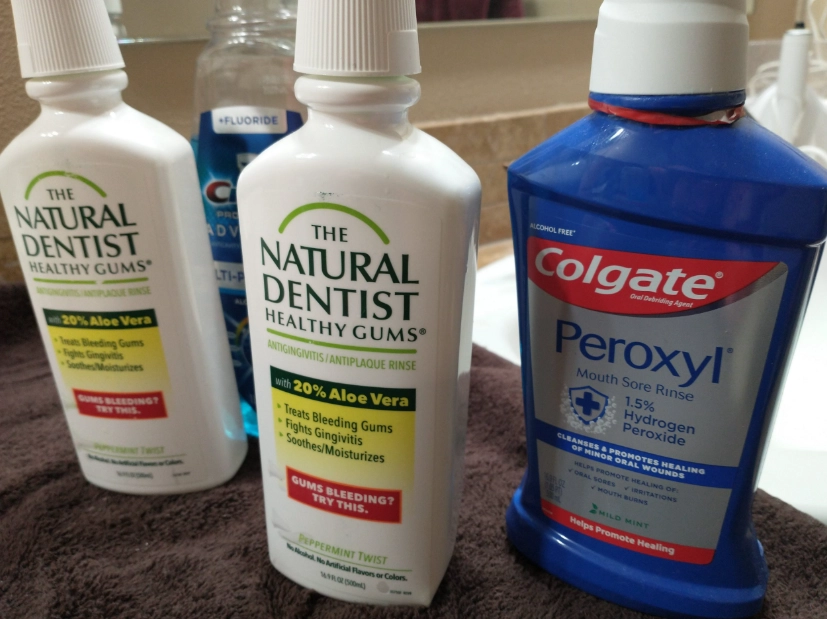
The big ones to watch out for and typically avoid in a natural formula:
- Alcohol (Ethanol): Dries out your mouth. A dry mouth is a breeding ground for bad bacteria and can worsen bad breath long-term.
- Sodium Lauryl Sulfate (SLS): A foaming agent that can cause canker sores or irritation for many.
- Artificial Colors & Sweeteners: Like FD&C Blue No. 1 or saccharin. Completely unnecessary and potential irritants.
- Triclosan: An antibacterial agent with lingering health and environmental concerns. The FDA has banned it in soaps, and it has no place in your mouthwash.
- Chlorhexidine: A powerful prescription-grade antimicrobial for short-term use only. It stains teeth and disrupts your oral microbiome balance if used casually.
So, what should you look for? Effective, gentle ingredients that work with your body.
Key Natural Ingredients & What They Do
Here’s a breakdown of common heroes in natural mouthwash formulas:
| Ingredient | Primary Benefit | Best For | A Quick Note |
|---|---|---|---|
| Xylitol | Fights cavity-causing bacteria, reduces plaque, stimulates saliva. | Cavity prevention, dry mouth. | Not a sweetener gimmick. Studies, like those referenced by the American Dental Association, show it's genuinely anti-cariogenic. Dogs, keep away. |
| Aloe Vera | Soothes and heals irritated gum tissue. | Gingivitis, sensitive gums, canker sores. | Look for it high on the ingredient list, not just as a token addition. |
| Tea Tree Oil | Antibacterial and antifungal properties. | Fighting bad breath (halitosis), mild gum inflammation. | Potent stuff. Must be properly diluted. The taste is… medicinal. |
| CoQ10 | Supports gum cell health and repair. | Supporting gum health, especially if you have recession or inflammation. | More of a long-term supporter than an instant freshener. |
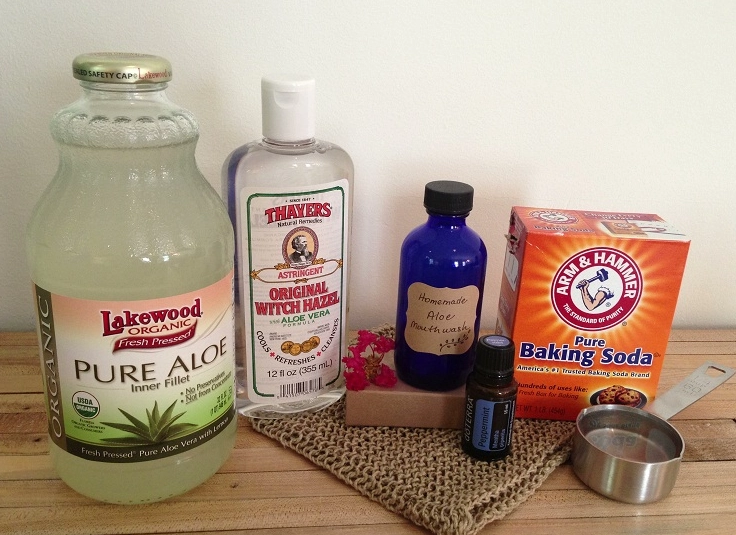
| Baking Soda (Sodium Bicarbonate) | Neutralizes acids, gently polishes, balances pH. | Acidic mouths, stain removal, overall balance. | A classic for a reason. Simple and effective. |
| Essential Oils (Peppermint, Spearmint, Clove) | Fresh breath, some antibacterial action. | Providing a clean feel and natural flavor. | Quality matters. Synthetic fragrances aren't the same. |
| Hydrogen Peroxide (Food Grade) | Mild antiseptic, whitening, oxygenates the mouth. | Whitening, killing anaerobic bad-breath bacteria. | Use low concentrations (1-3%). Can cause sensitivity if overused. |
A Non-Consensus View: Everyone talks about killing bacteria. The real goal of a good natural mouthwash should be balance, not sterility. Your mouth needs good bacteria. Nuking everything with harsh antiseptics can backfire. Look for ingredients like xylitol and baking soda that disrupt bad bacteria without creating a wasteland.
How to Choose the Best Natural Mouthwash: A Step-by-Step Guide
Stop browsing aimlessly. Answer these questions first.
Step 1: Identify Your #1 Oral Health Goal. Be specific. Is it fresh breath that lasts? Soothing red, puffy gums? Preventing cavities between dental cleanings? Managing dry mouth? Whitening without chemicals? Your main goal dictates the key ingredient you need.
Step 2: Consider Your Sensitivities. Do you get canker sores easily? Avoid SLS. Does alcohol make your mouth feel like a desert? Obviously, avoid it. Hate strong, medicinal flavors? Skip tea tree oil or clove-heavy formulas. Read the ingredient list like a food allergy label.
Step 3: Decide on Fluoride. This is a personal choice. Fluoride is a naturally occurring mineral and the gold standard for cavity remineralization. Many "natural" brands exclude it. If you're cavity-prone and don't get fluoride elsewhere, a natural formula with fluoride (like stannous fluoride) can be a powerful, evidence-based choice. If you're strictly fluoride-free, you must be extra diligent with xylitol and diet.
Step 4: Flavor & Experience Matter. If you hate the taste or feel, you won't use it consistently. Some are sweet (xylitol), some are salty (baking soda), some are herbal. There's no best here, only your preference.
Step 5: Check the pH. This is a pro tip few consider. Your mouth's ideal pH is slightly alkaline. Many commercial mouthwashes are acidic. A good natural mouthwash should have a neutral to slightly alkaline pH (around 7-8.5) to help maintain a healthy oral environment. Some brands list this on the bottle.
Top Natural Mouthwash Types & What They're Best For
Based on the goals above, here’s how popular categories stack up.
1. The Cavity-Fighter & Dry Mouth Soother. Look for: High Xylitol content (first ingredient after water), often combined with aloe vera and electrolytes. These don't always have a strong minty kick. They work by creating an environment where cavity-causing bacteria can't thrive and by promoting saliva. Best if: You get cavities easily, have a dry mouth from medication or breathing, or want a gentle, daily rinse.
2. The Gum Health & Inflammation Soother. Look for: Aloe Vera, CoQ10, Tea Tree Oil, and/or herbal blends (like sage, echinacea). These often have a milder flavor and focus on tissue health. I've found them incredibly helpful during periods of mild gingivitis when my gums felt tender. Best if: Your gums bleed when you floss, you have sensitivity at the gumline, or you're recovering from dental work.
3. The Breath Freshener & pH Balancer. Look for: Baking soda as a star ingredient, with zinc compounds and essential oils. Baking soda neutralizes odors at the source (acids from bacteria) rather than just masking them. Zinc salts can neutralize sulfur compounds that cause bad breath. This is my go-to after coffee or garlic. Best if: Chronic halitosis is your concern, or you want a clean, non-sweet feel.
4. The Whitening Rinse. Look for: Food-grade hydrogen peroxide at a safe concentration (1-3%). It oxygenates the mouth and can lift surface stains. Often paired with baking soda. Important: This is for maintenance, not magic. Don't expect laser whitening results. And if you have sensitivity, proceed with caution or use it only a few times a week. Best if: You want to maintain professional whitening or combat daily staining from coffee/tea.
A product can, of course, fit multiple categories. The point is to know which engine is under the hood.
Using Natural Mouthwash: Best Practices & Common Mistakes
Using it wrong can waste your money and effort.
- Timing is Everything: Don't rinse immediately after brushing, especially with fluoride toothpaste. You'll wash away the concentrated fluoride. Wait 30 minutes. I use mouthwash at a separate time, like after lunch.
- Swish Long Enough: 30 seconds is the bare minimum. For gum health benefits, a full 60 seconds is better. Let it get everywhere.
- Don't Eat or Drink Right After: Give the active ingredients at least 30 minutes to do their work. Sipping coffee right after is a reset button.
- It's Not a Substitute: This is the biggest mistake. Mouthwash, natural or not, cannot replace mechanical cleaning. It's an adjunct to proper brushing and flossing. Plaque is a biofilm that must be physically disrupted.
I made the "immediate rinse" mistake for years, wondering why my efforts felt futile. A hygienist finally pointed it out.