You know the feeling. You wake up, and before you even open your eyes, you feel it—a dull, aching tightness in your jaw, temples throbbing, maybe even a tooth that feels tender. Your partner might have nudged you awake again for grinding noises. This is sleep bruxism, and it’s more than just an annoying habit. It’s your body running a marathon with your jaw muscles all night, and it can lead to cracked teeth, chronic pain, and expensive dental bills. The good news? You can stop it. This isn't about a single magic trick; it's about understanding the 'why' and building a personalized toolkit of 'hows.' Let's get into what actually works.
What You’ll Find in This Guide
Why Do We Clench Our Teeth at Night?
Most people think it's just stress. And while stress and anxiety are huge, headline-grabbing triggers, they're not the whole story. In my years of researching this, I've seen too many people blame their job, only to find the root cause was something else entirely. The American Sleep Association notes that sleep bruxism is often related to micro-arousals during sleep—your brain briefly waking up, sometimes linked to breathing issues.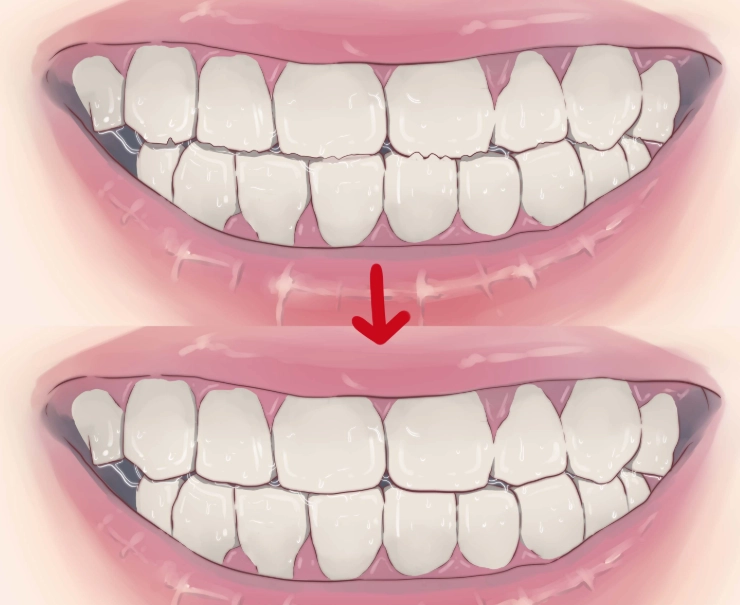
Here’s the breakdown of common culprits:
Sleep Disordered Breathing: This is the one many dentists miss. If you have undiagnosed mild sleep apnea or even just habitual snoring, your brain might be clenching your jaw to try and open your airway. It’s a primitive reflex. If you snore or wake up gasping, this needs to be your first suspicion.
Stress and Anxiety: The classic. Daytime tension doesn't vanish when you sleep. It manifests as physical tension, often in the jaw—one of the body's primary stress-holding areas.
Malocclusion (Bad Bite): If your teeth don't fit together comfortably, your jaw muscles might work overtime at night trying to find a “stable” position that doesn't exist. It’s like your bite is a puzzle with pieces that don’t quite match.
Lifestyle Triggers: Caffeine, alcohol (especially close to bedtime), nicotine, and even certain antidepressants (SSRIs) are known to increase bruxism activity. Recreational drugs like MDMA or cocaine are major triggers, but that's a different conversation.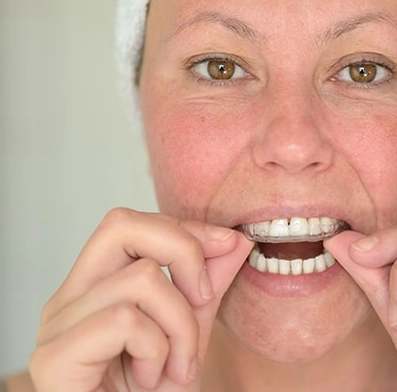
Genetics: It often runs in families. If your parents ground their teeth, your odds are higher.
The Real Damage: It’s More Than Just a Headache
Think this is just a minor issue? Let's talk costs—both to your health and your wallet.
Morning jaw soreness and tension headaches are just the opening act. Long-term, uncontrolled clenching and grinding lead to:
Tooth Damage: We're talking flattened, chipped, fractured, or loose teeth. I've seen molars worn down to stumps. Enamel doesn't grow back. The force you generate at night is immense, up to six times stronger than daytime chewing.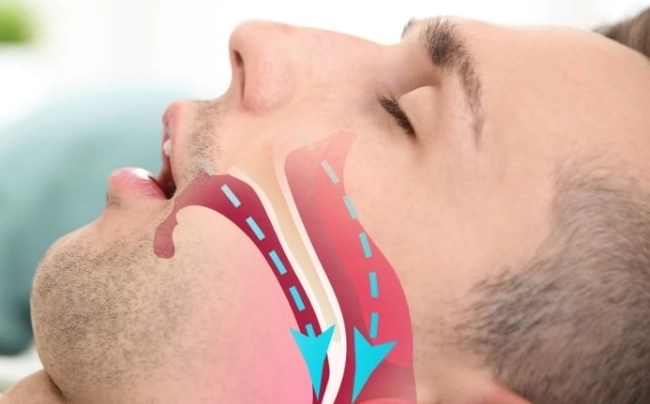
Temporomandibular Joint Disorders (TMD/TMJ): This is the hinge connecting your jaw to your skull. Constant strain inflames it, leading to pain not just in the jaw, but radiating to your ears, neck, and shoulders. You might get clicking, popping, or even locking of the jaw.
Chronic Pain: It sets off a cycle of muscle pain (myofascial pain) that can turn into daily migraines and neck problems.
The Dental Bill: Crowns, root canals, bridges, implants—these are the multi-thousand-dollar consequences of ignoring bruxism. A custom night guard from your dentist (costing a few hundred) looks like a bargain in comparison.
How to Stop Teeth Clenching: Immediate Actions and Long-Term Strategies
This is your action plan. Start with the easy, free stuff tonight, and build from there.
Tonight's Game Plan (The Immediate Fixes)
Jaw Relaxation Before Bed: This isn't just “try to relax.” Do this: place your tongue gently on the roof of your mouth, just behind your front teeth. Let your teeth part slightly. Breathe deeply for two minutes. This is the natural, resting jaw position. Practice it while reading or watching TV.
The Warm Compress: Apply a warm washcloth to the sides of your face (over the masseter muscles) for 10-15 minutes before bed. It helps loosen tight muscles. I prefer this over ice for nighttime prep.
Sleep Position: Try to sleep on your back. Sleeping on your stomach or side smashes your jaw into awkward angles, encouraging clenching. Use pillows to support your head and neck alignment.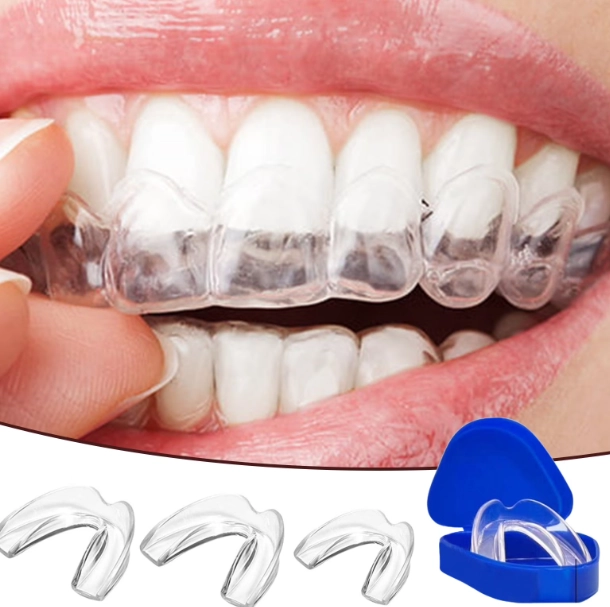
Building Your Long-Term Defense
These are habits that address the root causes.
Stress Management That Actually Works: “Reduce stress” is useless advice. Be specific. A 10-minute guided meditation using an app like Headspace or Calm before bed can signal to your nervous system that it's time to downshift. Journaling for 5 minutes to dump worries from your brain onto paper is surprisingly effective. It’s not about eliminating stress, but creating a buffer between your day and your sleep.
Sleep Hygiene Audit: This means your pre-bed routine and environment. Dim lights an hour before bed. No screens in bed—seriously. Keep your room cool, dark, and quiet. A consistent sleep schedule (even on weekends) trains your brain for better, calmer sleep cycles, reducing those micro-arousals linked to clenching.
Dietary Tweaks: Cut off caffeine by 2 PM. See if it makes a difference. Alcohol might make you fall asleep faster, but it ruins sleep quality in the second half of the night, often increasing bruxism. Stay hydrated during the day—dehydration can increase muscle cramping.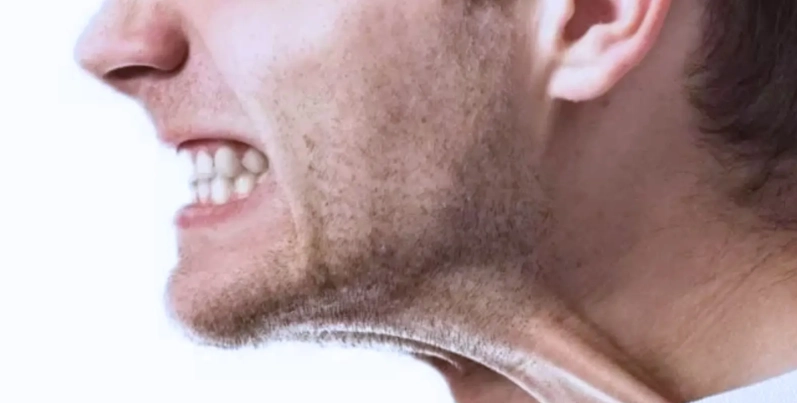
Physical Therapy for Your Jaw: Yes, this is a thing. Gentle jaw stretches during the day can help. One simple one: open your mouth as wide as is comfortable, hold for 5 seconds, close slowly. Repeat 5 times. Don't force it or push through pain. Massaging the tight muscles in your cheeks (the masseters) with your fingers can also help release tension.
When to See a Pro: Your Treatment Options Explained
If lifestyle changes aren't enough, or if your symptoms are severe, professional help is crucial. Here’s what to expect, so you can walk in informed.
1. The Dentist: Your First Stop for Protection
Your dentist will examine your teeth for wear, check your jaw joint, and likely recommend an occlusal guard (night guard). Not all guards are equal.
| Type of Guard | How It's Made | Pros | Cons | Best For |
|---|---|---|---|---|
| Custom-Fit (Hard Acrylic) | Dentist takes impressions of your teeth, lab-made. | Durable, perfect fit, protects teeth effectively, allows jaw to move naturally. | Most expensive ($300-$800). Can feel bulky initially. | Most people, especially heavy grinders/clenchers. |
| Custom-Fit (Soft) | Same as above, but made from softer material. | More comfortable initially, good for clenchers. | Less durable, can be chewed through by aggressive grinders. | Primarily clenchers (less grinding). |
| Boil-and-Bite (OTC) | You soften it in hot water and bite down to shape it. | Cheap ($20-$60), easily available. | Poor fit can worsen clenching, less durable, can misalign jaw if poorly fitted. | Temporary use or mild, occasional symptoms. Use with caution. |
My take? The custom hard acrylic guard is almost always worth the investment. A poorly fitted OTC guard can actually train your jaw to clench harder, making the problem worse. Your dentist might also suggest Botox injections into the masseter muscles. This weakens the muscle just enough to reduce clenching force, but doesn't affect chewing. Effects last 3-4 months. It's a legitimate medical treatment for severe cases.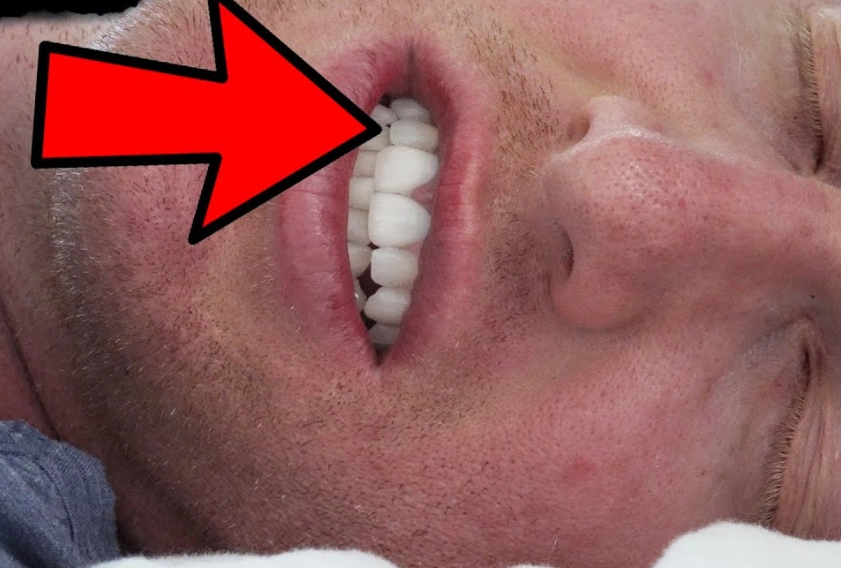
2. The Sleep Specialist: Getting to the Root Cause
If your dentist suspects sleep apnea or other sleep disorders, they'll refer you to a sleep specialist. A sleep study (polysomnography) can definitively diagnose sleep apnea. Treatment, often with a CPAP machine, can miraculously stop bruxism overnight if that was the primary trigger. It’s the ultimate “treat the cause, not the symptom” move.
3. Other Helpful Pros
A Physical Therapist specializing in TMD can teach you exercises, manual therapy, and posture correction. A mental health professional can help with anxiety management through CBT or other therapies. A massage therapist familiar with myofascial release can work on your neck, shoulders, and jaw muscles.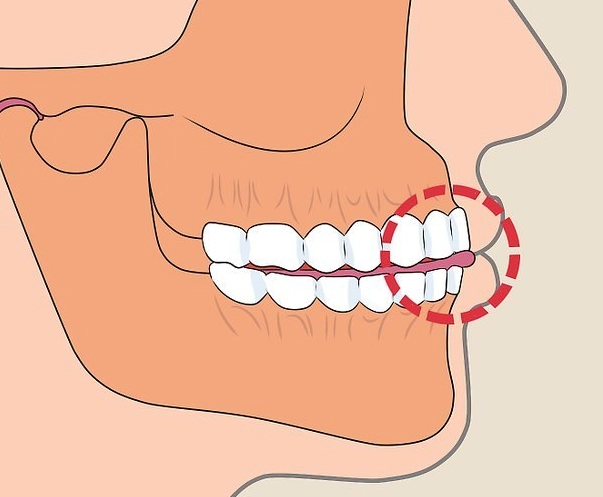
Your Top Teeth Clenching Questions, Answered
Can a mouth guard completely stop me from clenching?
No, and that's a critical distinction. A mouth guard is primarily a protective device. It creates a physical barrier between your teeth, preventing damage and, for some, reducing muscle activity by providing a smooth surface that discourages clenching. However, your brain may still send the signal to clench. The goal of the guard is to save your teeth while you work on the underlying causes (stress, sleep apnea, etc.) that stop the signal itself.
Is there a link between teeth clenching and sleep apnea?
Absolutely, and it's a strong one. Research, including studies cited by the American Academy of Dental Sleep Medicine, shows a high correlation. The theory is that clenching/jaw tightening is a reflex to help open a collapsing airway during sleep. If you clench and have other risk factors like snoring, obesity, or daytime sleepiness, discussing a sleep evaluation with your doctor is non-negotiable. Treating the apnea often resolves the bruxism.
How do I know if I'm clenching at night if I live alone?
The symptoms are your clues. Waking up with a tight, sore jaw or temples is the biggest one. Unexplained tooth sensitivity (especially to cold) or teeth that feel slightly loose. Check for wear: do the biting edges of your front teeth look flat, chipped, or see-through at the tips? You can also try the “tongue test.” When you wake up, see if the sides of your tongue are scalloped or indented from pressing against your teeth all night—a classic sign.
If I stop clenching, will my teeth go back to normal?
The damage to your tooth enamel is permanent; it doesn't regenerate. However, stopping the clenching prevents further damage. Any mobility (looseness) in teeth may improve once the constant pressure is removed. The muscle pain, headaches, and joint issues can significantly improve or resolve completely. Think of it as stopping the bleeding before you worry about the scar.
My child grinds their teeth at night. Should I be worried?
Pediatric bruxism is very common, especially as baby teeth fall out and adult teeth come in. It's often related to those changing jaw and tooth positions. Most kids outgrow it by adolescence. Worry less about the sound and more about symptoms: complain of jaw/face pain, headaches, or visible excessive tooth wear. If present, a pediatric dentist visit is wise. They rarely need a night guard unless there's significant damage or pain.