Let's cut to the chase. Yes, Crest 3D White Strips do work to whiten teeth. I've seen it in my practice and in clinical studies. But that simple "yes" hides a mountain of nuance. The real question isn't if they work, but how well they work for your specific situation, what you can realistically expect, and whether they're the right choice compared to other options. As a dentist, I've had patients thrilled with the results and others disappointed because their expectations were out of sync with reality. This guide will walk you through exactly how these strips function, who they're best for, the mistakes that ruin results, and how to use them safely for a genuinely brighter smile.
In This Article
How Do Crest White Strips Actually Work?
The magic (and science) behind Crest White Strips is hydrogen peroxide gel. It's the same active ingredient used in many professional in-office whitening treatments, just at a lower concentration you can manage at home.
Here’s the basic process: you apply a flexible plastic strip coated with this peroxide gel to your teeth. The strip keeps the gel pressed against the enamel. Over the next 30 minutes (or whatever the specific product's time is), the peroxide breaks down. As it breaks down, it releases oxygen molecules. These oxygen particles penetrate the microscopic pores in your tooth enamel and break apart the long-chain stain molecules trapped inside the dentin layer underneath. It's like a chemical bleach for your teeth, breaking complex, dark-colored compounds into smaller, colorless pieces.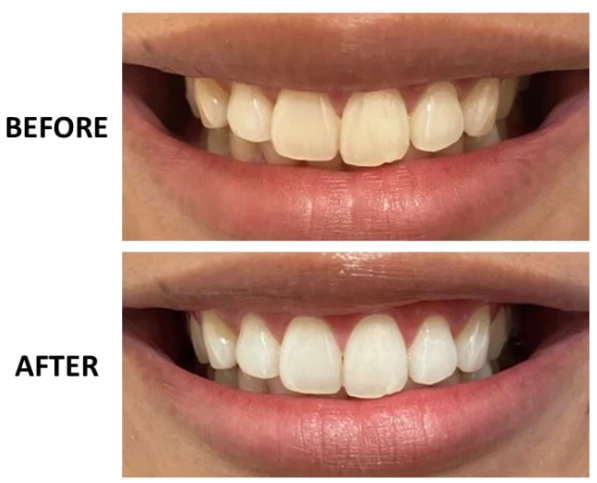
The concentration of hydrogen peroxide is key. Over-the-counter strips like Crest typically range from about 6% to 10% hydrogen peroxide. Professional treatments can go much higher. This lower concentration is why you need repeated applications over days or weeks—it's a gentler, cumulative process.
A crucial detail most people miss: The strips primarily work on extrinsic stains (coffee, tea, wine, tobacco) and some intrinsic yellowness from aging. They are not effective on stains from tetracycline antibiotics or fluorosis, which are deep within the tooth's structure. They also won't whiten dental work like crowns, veneers, or fillings.
What Results Can You Realistically Expect?
Marketing shows dazzling, uniform Hollywood smiles. Reality is more varied. Most people will see a noticeable difference, but the degree depends heavily on your starting point.
Typical Results: With consistent use of a standard 14-day kit, you can expect teeth to become 2 to 4 shades lighter on a dental shade guide. For many, this is the difference between "yellowish" and "light beige" or "white." It's a significant improvement, but it's rarely a radical, 10-shade jump unless your teeth were only mildly stained to begin with.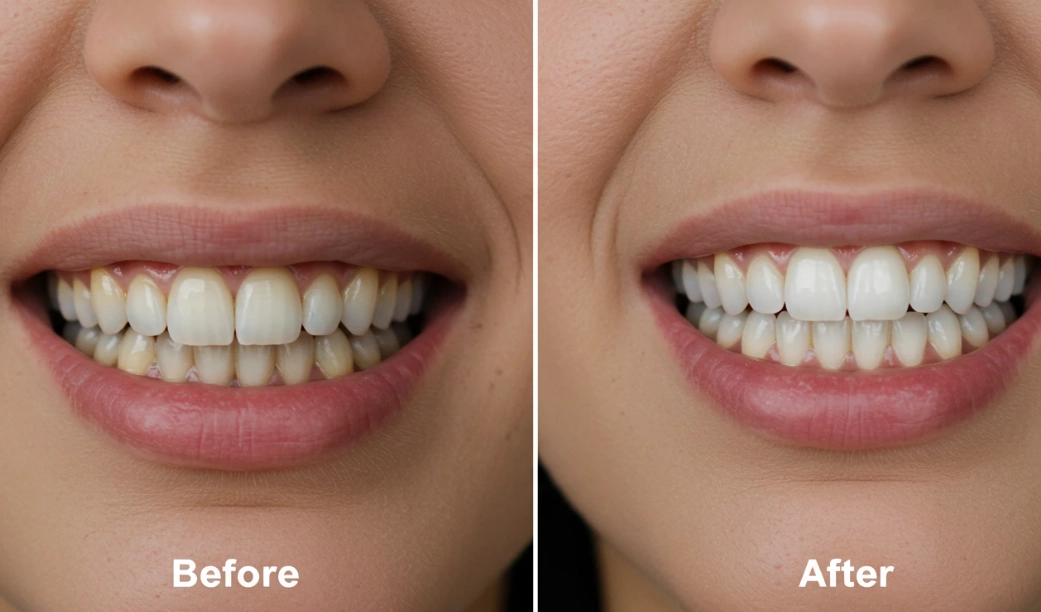
Timeline: You might notice a change after 3-4 days. The most dramatic shift often happens in the middle of the treatment. The final few days usually offer diminishing returns.
Duration: This isn't permanent. Without maintenance, results typically last 6 months to a year. Your diet (hello, coffee!), smoking habits, and oral hygiene will determine how quickly stains creep back. Using a whitening toothpaste can help prolong the effects.
Here’s a quick comparison of popular Crest lines to set expectations:
| Product Line | Key Feature | Best For | Realistic Outcome |
|---|---|---|---|
| Crest 3D White Professional Effects | 14-day treatment, 1-hour wait between strips | First-time users, moderate staining | Reliable, noticeable lightening across all teeth. |
| Crest 3D White Luxe Supreme Flexfit | "Flexfit" technology, 10-minute wear time | Busy people, sensitivity-prone users | Convenient, slightly more comfortable, similar results to Professional Effects. |
| Crest 3D White Brilliance | 2-step system (strip + serum), 5-minute wear | Quick touch-ups, maintenance, very mild staining | Subtle brightening, not for deep stains. |
How to Use Crest White Strips Correctly (The Mistakes Everyone Makes)
Following the instructions seems obvious, but I've seen countless patients botch this. It's not just about sticking them on.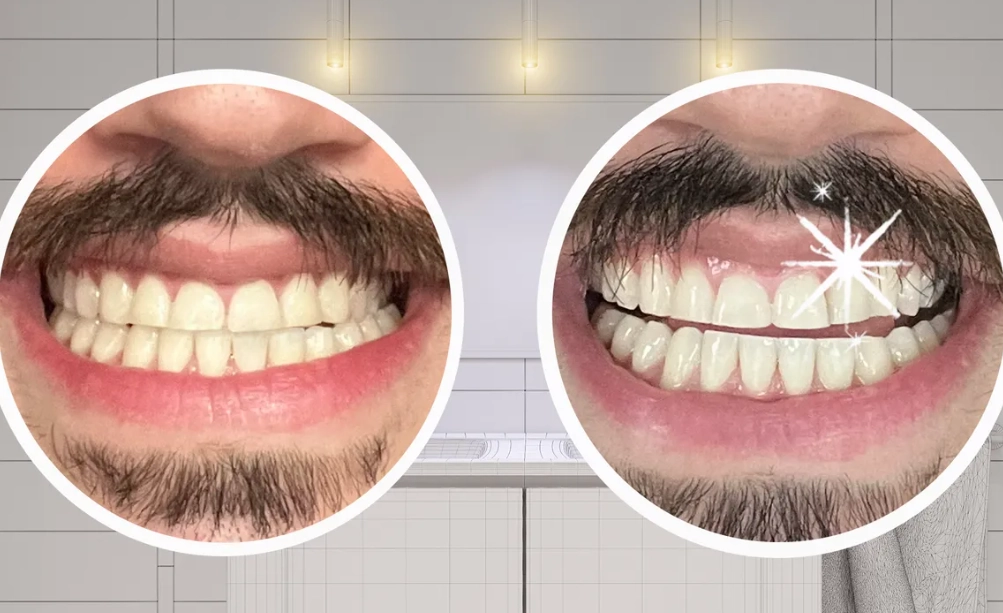
The Step-by-Step That Actually Matters
1. Start with Clean, Dry Teeth. Brush and floss, but do NOT use toothpaste right before. Toothpaste can leave a film. Just use water and dry your teeth with a tissue. A dry surface helps the strip adhere.
2. Apply with Precision, Not Haste. Peel the strip from the backing. Apply the gel side to your teeth, starting with the front center and pressing outward. Use your fingers to smooth it down, ensuring contact with every tooth surface, especially near the gums. The top strip usually goes on first.
3. The Gum Line is Critical. Fold the excess strip over the back of your teeth if you can. The biggest mistake is leaving a gap between the strip and your gum line. That's where stains are often darkest, and if the gel doesn't touch it, it won't whiten. You'll end up with a two-toned tooth—whiter in the middle, darker at the gum.
4. Set a Timer. Religiously. Do not guess. Do not "leave them on a bit longer for better results." Overexposure increases sensitivity risk without improving efficacy. When the time is up, peel from the back teeth forward, discard, and rinse your mouth.
5. Post-Whitening Care. Avoid deeply colored foods and drinks (coffee, red wine, soy sauce, berries) for at least an hour. Your enamel pores are temporarily more open and will soak up new stains faster.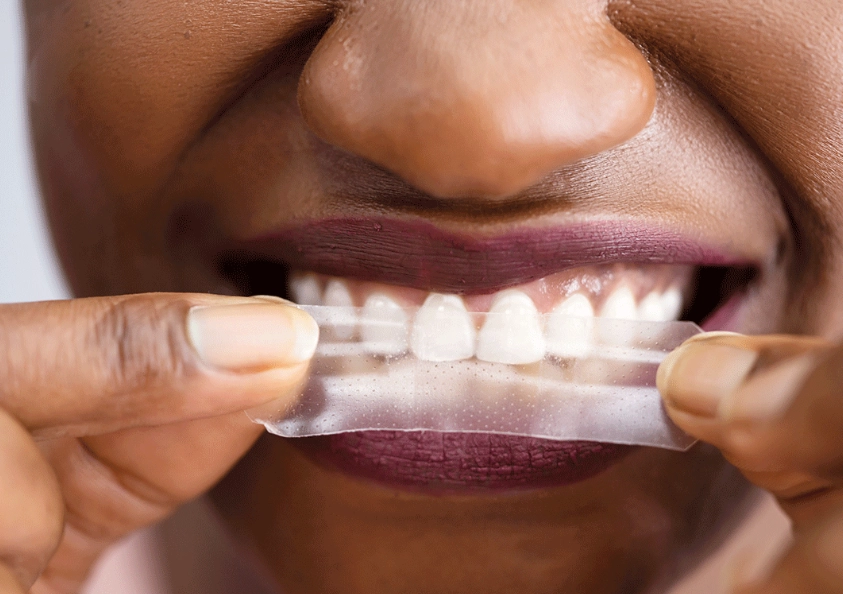
Common Pitfall: People think pressing the strip hard against the gums will help. It just squeezes the gel out, leaving less active ingredient on the teeth. A firm, even press is what you want.
Are They Safe? Dealing with Tooth Sensitivity
Safety is a top concern. Crest White Strips are approved by the American Dental Association (ADA) and are generally safe for most people with healthy teeth and gums. The ADA Seal of Acceptance means they've been tested for safety and efficacy.
But safety doesn't mean side-effect-free. Tooth sensitivity is the most common issue. That zing when you drink something cold? That's the peroxide irritating the nerve inside your tooth. For most, it's temporary and mild.
Here’s what I tell my patients to manage sensitivity: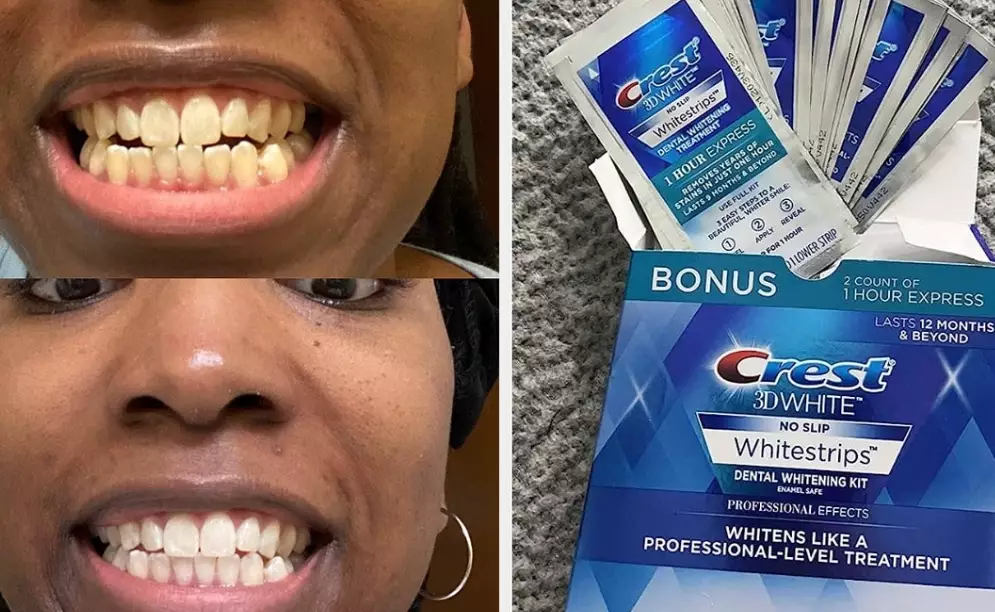
Use a toothpaste for sensitive teeth (like Sensodyne) for two weeks before starting and throughout the treatment. The potassium nitrate helps calm the nerve.
Shorten the wear time. If 30 minutes is too much, try 20. Consistency with a shorter time is better than skipping days.
Space out applications. Instead of daily, try every other day. It gives your teeth a break.
Who should avoid them? People with untreated cavities, cracked teeth, severe gum recession, or worn enamel. The gel can penetrate these areas and cause severe pain or damage. If your gums are receding, the exposed root surface (dentin) is much more porous and sensitive than enamel. Whitening that area is a bad idea. Always check with your dentist first if you have any dental concerns.
Crest Strips vs. Other Whitening Methods
Strips aren't your only option. How do they stack up?
Whitening Toothpaste: Only removes surface stains with mild abrasives. Doesn't change the intrinsic tooth color. Good for maintenance, not for real whitening.
Whitening Mouthwash/Rinses: Very weak. The peroxide is too diluted, and contact time is seconds. Minimal effect at best.
Tray-Based Kits (from dentist or store-bought): These use custom or boil-and-bite trays filled with gel. They can be more effective than strips because the gel can cover more tooth surface evenly, especially if you have crooked teeth where strips don't fit well. But they can be messier and also cause sensitivity.
In-Office Professional Whitening: The gold standard for speed and results. Uses high-concentration peroxide (25-40%) with special lights or lasers to accelerate the process. You can see 8+ shades of difference in one hour. It's significantly more expensive ($500-$1000), and sensitivity is more common but managed by the dentist.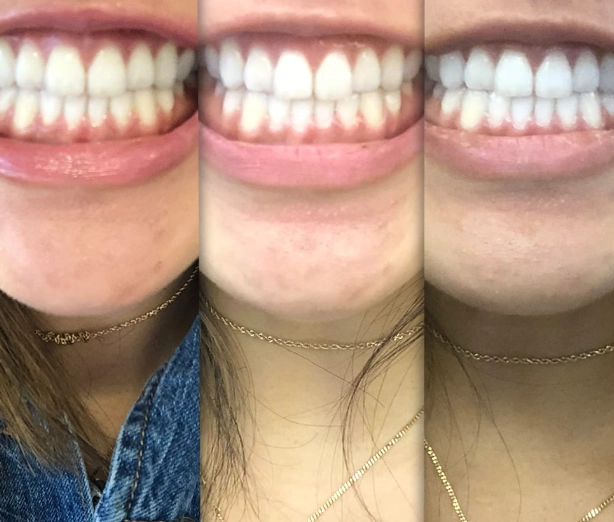
The verdict: Crest Strips hit a sweet spot of cost, convenience, and proven effectiveness. They're not the strongest, but they're a reliable, accessible middle ground.
Your Crest White Strips Questions Answered
My teeth feel sensitive after using strips. Should I stop?
Mild, temporary sensitivity is normal. Don't stop immediately—try shortening your next application by 10 minutes and use a sensitivity toothpaste. If the pain is sharp and lingering, pause for a day or two. Persistent severe pain means you should discontinue and talk to your dentist; you might have an underlying issue like a small cavity.
Why aren't the gaps between my teeth getting whiter?
This is a major limitation of strips. The plastic can't physically push into the tight contact points between teeth. The gel only works where it makes direct contact. For those interproximal stains, professional flossing and possibly a professional cleaning are needed first. Strips maintain the new color but can't always create it in those spaces.
Can I use Crest White Strips on crowns or veneers?
No. Peroxide bleach does not work on porcelain, composite resin, or any dental restorative material. It only works on natural tooth structure. Using strips on a mouth with crowns will lead to uneven whitening—your natural teeth will lighten, but your crowns will stay the same color, creating a mismatch.
How long should I wait after a dental cleaning to use whitening strips?
This is actually the perfect time. A cleaning removes the surface plaque and tartar that can block the whitening gel, allowing for more even penetration and better results. You can start the same day.
Are the "1-hour" or "2-hour" express strips as good as the 14-day kits?
They use a higher peroxide concentration for a shorter, more intense burst. They can work well for some, but the risk of sensitivity and gum irritation is higher. For a first-timer or someone prone to sensitivity, the gradual approach of a multi-day kit is often more comfortable and allows you to control the level of whitening more easily.
So, do Crest White Strips work? Absolutely. They're a scientifically-backed, convenient tool for brightening your smile. Manage your expectations, follow the directions closely, prioritize your dental health, and you'll likely be pleased with the outcome. It's one of the few over-the-counter cosmetic products that genuinely delivers on its core promise.