That sharp, shooting pain when you sip something cold or bite into something sweet isn't just annoying—it's your teeth screaming for help. For millions, Sensodyne is the first name that comes to mind. You've seen the ads, maybe you've even tried a tube. But here's the thing most articles don't tell you: not all Sensodyne toothpastes are the same, and using them wrong can leave you wondering why it's not working as well as you hoped.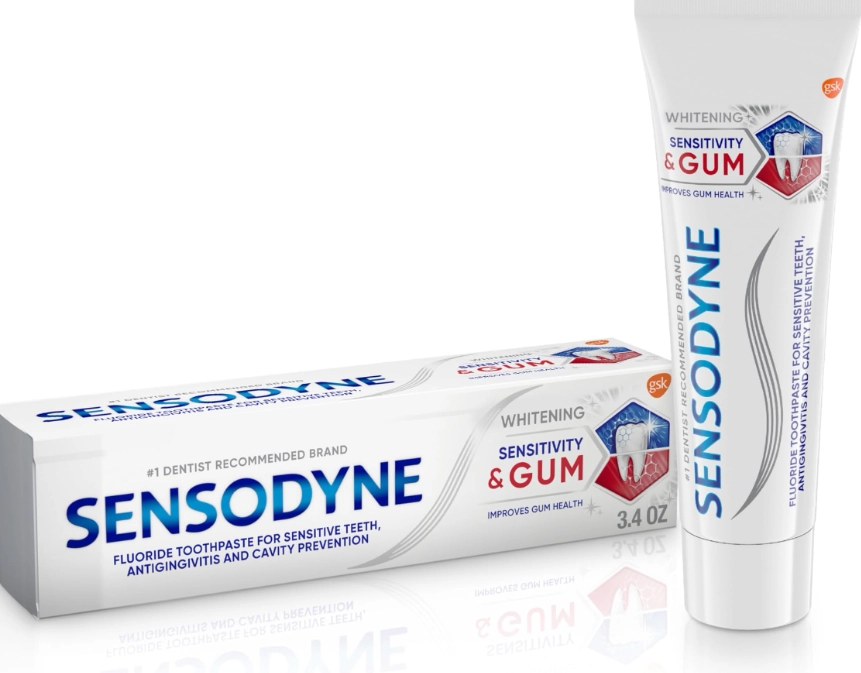
I've been in dental hygiene for over a decade, and I've seen patients cycle through different Sensodyne formulas, confused. They'd say, "The Rapid Relief worked for a bit, then it stopped." The problem usually wasn't the toothpaste; it was a mismatch between their specific type of sensitivity and the technology they were using. This guide cuts through the marketing to show you how Sensodyne's desensitizing toothpaste actually works on a microscopic level, how to decode the different boxes on the shelf, and the critical mistakes people make that sabotage their results.
What's Inside This Guide
- How Sensodyne Actually Stops the Pain: Two Main Roads to Relief
- Decoding the Sensodyne Aisle: Which Formula is For You?
- The 3 Most Common Mistakes When Using Desensitizing Toothpaste
- Beyond the Paste: Habits That Make or Break Your Sensitivity Management
- Your Sensodyne Questions, Answered (Without the Fluff)
How Sensodyne Actually Stops the Pain: Two Main Roads to Relief
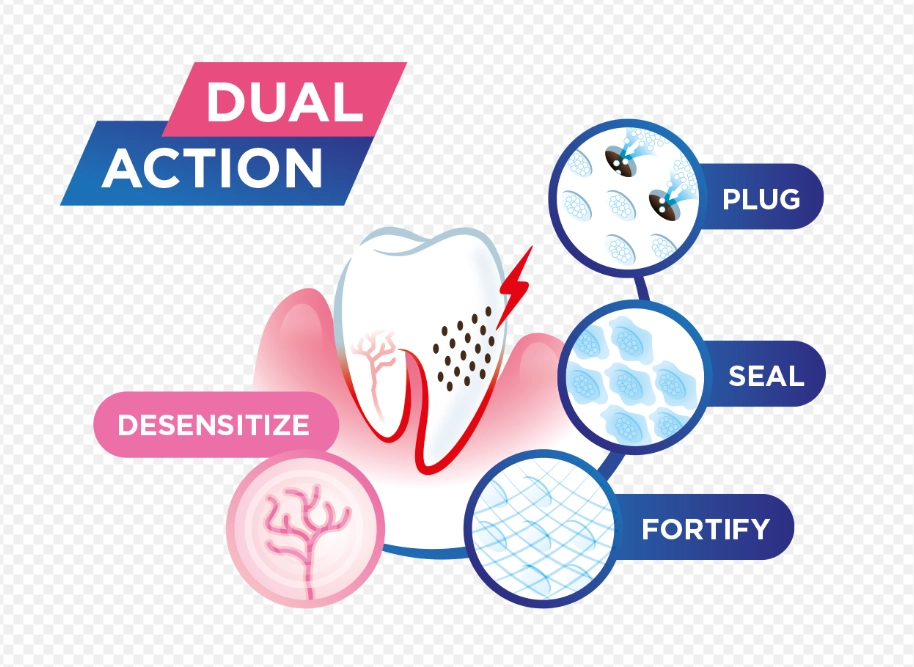
First, let's get the science straight. Tooth sensitivity happens when the dentin layer underneath your hard enamel gets exposed. Dentin is full of microscopic tubes called dentinal tubules that lead straight to the nerve. Hot, cold, acidic, or sweet stimuli travel down these tubes like a highway, triggering that jolt of pain.
Sensodyne uses two primary active ingredient strategies to block this highway. They work in fundamentally different ways, and this is the most important thing to understand.
1. The Nerve Calmer: Potassium Nitrate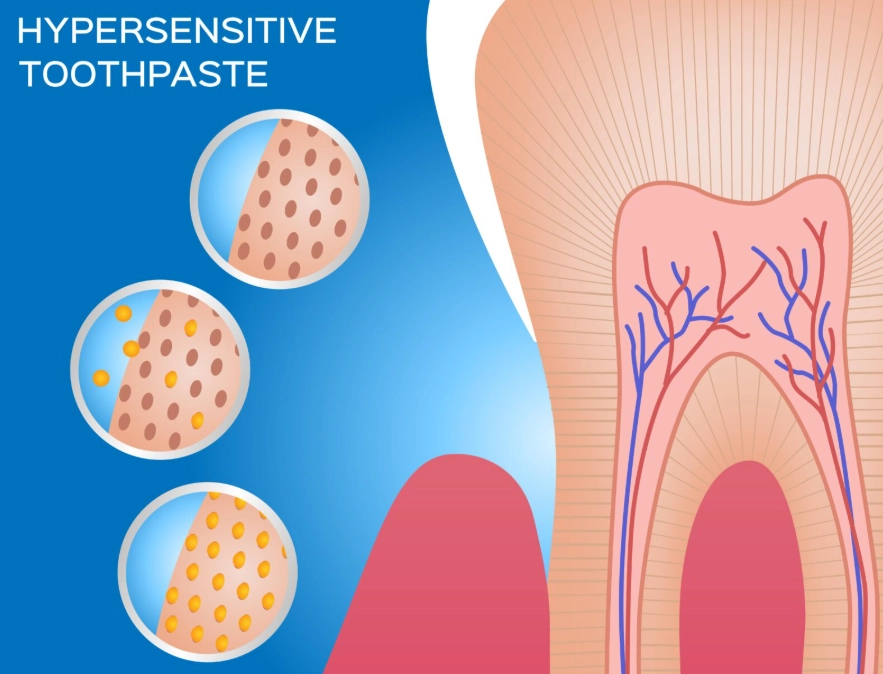
This is the classic Sensodyne ingredient. Potassium nitrate works by desensitizing the nerve itself. It soaks into the dentinal tubules and calms the nerve's response to stimuli. Think of it like turning down the volume on a loud alarm. It doesn't plug the tubes; it makes the nerve at the end less reactive.
2. The Physical Blocker: Stannous Fluoride or NovaMin
This is the newer, more aggressive approach. Ingredients like stannous fluoride (in Sensodyne Rapid Relief, Complete Protection) and NovaMin (in Sensodyne Repair & Protect) work by physically occluding or sealing those open dentinal tubules. They create a protective layer over the exposed dentin, literally building a barrier over the highway entrances.
Stannous fluoride does double duty—it seals tubules and fights bacteria/gingivitis. NovaMin is a bioactive glass that binds to the tooth and releases calcium and phosphate, mimicking tooth structure to fill in the microscopic gaps.
Here’s the kicker many miss: If your sensitivity is caused by recent gum recession or aggressive brushing (exposing root surfaces), a physical blocker like stannous fluoride is often more immediately effective than a nerve calmer. It's like fixing a leaky pipe versus just mopping the floor.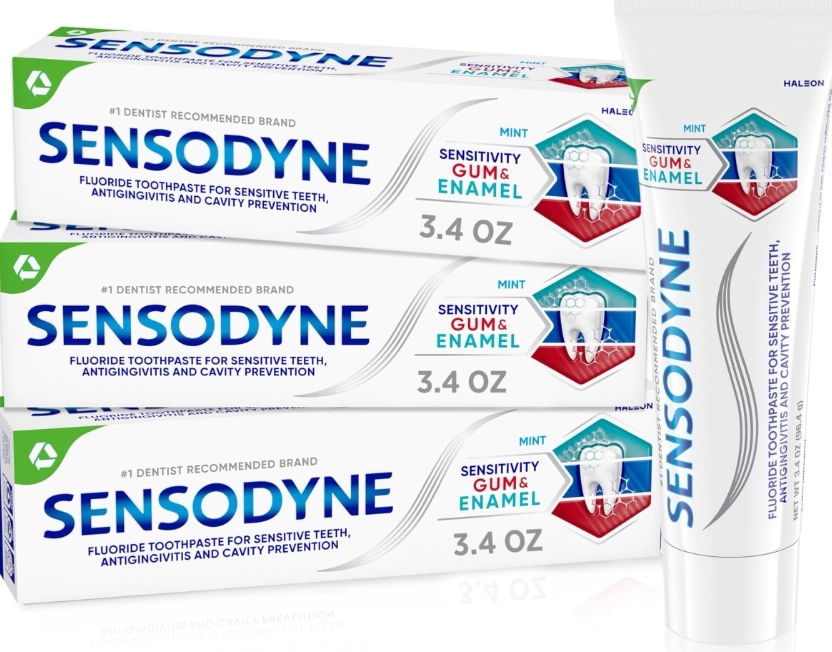
Decoding the Sensodyne Aisle: Which Formula is For You?
Walking down the oral care aisle is overwhelming. Let's break down the major players. This isn't about which is "best" overall, but which is best for your specific situation.
| Sensodyne Variant | Key Active Ingredient(s) | How It Works | Best For Someone Who... | My Notes |
|---|---|---|---|---|
| Repair & Protect | NovaMin (Bioactive Glass) | Physically rebuilds a protective layer over exposed dentin. | Has persistent, significant sensitivity; wants a long-lasting repair effect. | This is the "gold standard" for tubule occlusion. The effect can be very durable if used consistently. The taste is a bit chalky to some. |
| Rapid Relief | Stannous Fluoride | Seals dentinal tubules and fights bacteria/plaque. | Wants fast relief (can start in 3 days); also has gum inflammation or worries about gingivitis. | Fast-acting. The stannous fluoride can sometimes cause mild surface staining, which is easily polished off by your hygienist. |
| Complete Protection | Stannous Fluoride | Seals tubules, plus anti-cavity, anti-gingivitis, anti-plaque, breath-freshening. | Wants an "all-in-one" solution for overall oral health plus sensitivity. | A great daily driver if you have multiple concerns. Similar staining potential as Rapid Relief. |
| True White / Extra Whitening | Potassium Nitrate | Calms the nerve inside the tooth. | Has mild to moderate sensitivity and is primarily looking to whiten teeth. | The whitening agents are gentle, but if your sensitivity is severe, the nerve-calming approach might feel slower. Manage expectations. |
| Pronamel (Sensodyne line) | Potassium Nitrate, Fluoride | Calms nerves and strengthens enamel against acid erosion. | Sensitivity is triggered by acidic foods/drinks (soda, wine, fruit) or acid reflux. | This is a specific tool for an erosion problem. If your sensitivity is from cold air or brushing, a blocker might be better. |
Personal take? I often recommend patients start with a physical blocker (Repair & Protect or Rapid Relief) for 4-6 weeks to get the open tubules under control, then, if desired, they can switch to a maintenance formula like one with potassium nitrate. It's like using spackle to fill a hole before you paint.
The 3 Most Common Mistakes When Using Desensitizing Toothpaste
This is where I see people go wrong every single week.
Mistake 1: Rinsing Immediately After Brushing. You brush for two minutes, then swish and spit with a giant mouthful of water. You just washed away most of the active ingredient before it could do its job. For toothpastes with NovaMin or stannous fluoride, that sealing process needs contact time.
Mistake 2: Using It Like a Painkiller. Dab a little on your finger, rub it on the sensitive spot, and expect instant magic. Desensitizing toothpaste is not a topical analgesic like Orajel. It's a treatment that requires consistent, full-coverage application to alter the tooth structure or nerve response.
Mistake 3: Quitting Too Soon (or Switching Too Often). "I used it for three days and nothing happened." Especially with potassium nitrate formulas, you're in it for the long haul. Give any formula at least two full weeks of proper, twice-daily use before you judge it. Jumping between different technologies every few days resets the clock.
Beyond the Paste: Habits That Make or Break Your Sensitivity Management
Sensodyne is a management tool, not a cure. If you're grinding your teeth at night (bruxism), brushing with a hard-bristled brush like you're scrubbing a floor, or drinking multiple sodas a day, you are constantly creating new exposed dentin. The toothpaste is trying to patch holes on a sinking ship.
- Your Brush Matters More Than You Think: Use an ultra-soft bristle brush. Always. The American Dental Association (ADA) recommends soft bristles for a reason. Hard bristles wear away gum tissue and root surface.
- Technique is Everything: Don't scrub back and forth. Use gentle, circular motions at a 45-degree angle to the gumline. Let the bristles do the work.
- Acid Attacks: Don't brush your teeth immediately after vomiting or consuming acidic drinks like orange juice or soda. The acid softens enamel, and brushing then can wear it away. Rinse with water or a fluoride mouthwash and wait 30-60 minutes before brushing.
- See Your Dentist: Sensitivity can be a symptom of a cracked tooth, a failing filling, or decay. Sensodyne won't fix those. A proper diagnosis is step one.
Your Sensodyne Questions, Answered (Without the Fluff)
I've been using Sensodyne for months, but the pain came back after a dental cleaning. Did the hygienist ruin my teeth?
Can I use Sensodyne Repair & Protect if I have crowns or veneers?
 Is it okay for kids with sensitive teeth to use Sensodyne?
I use a prescription fluoride toothpaste from my dentist. Can I alternate it with Sensodyne?
Why does my sensitivity feel worse sometimes even when I'm using the toothpaste correctly?
 The bottom line isn't just to buy Sensodyne. It's to understand why you're buying a specific formula and how to use it as part of a broader strategy. Match the technology to your type of sensitivity, use it with the right technique, and pair it with gentle oral habits. That's how you move from chasing momentary numbness to achieving lasting comfort and getting back to enjoying your coffee—or ice cream—without that dreaded wince.