That sharp, sudden zing when you sip something cold or bite into something sweet isn't just annoying—it's your teeth screaming for help. If you're here, you've probably tried a desensitizing toothpaste or mouthwash, maybe with mixed results. I get it. For years, I thought my sensitive teeth were just something I had to live with, cycling through products that promised relief but only delivered a temporary numbing sensation. The real game-changer wasn't finding one magic product; it was understanding how they work and, more importantly, how to use them as part of a smarter oral care strategy. Let's cut through the marketing and talk about what actually helps.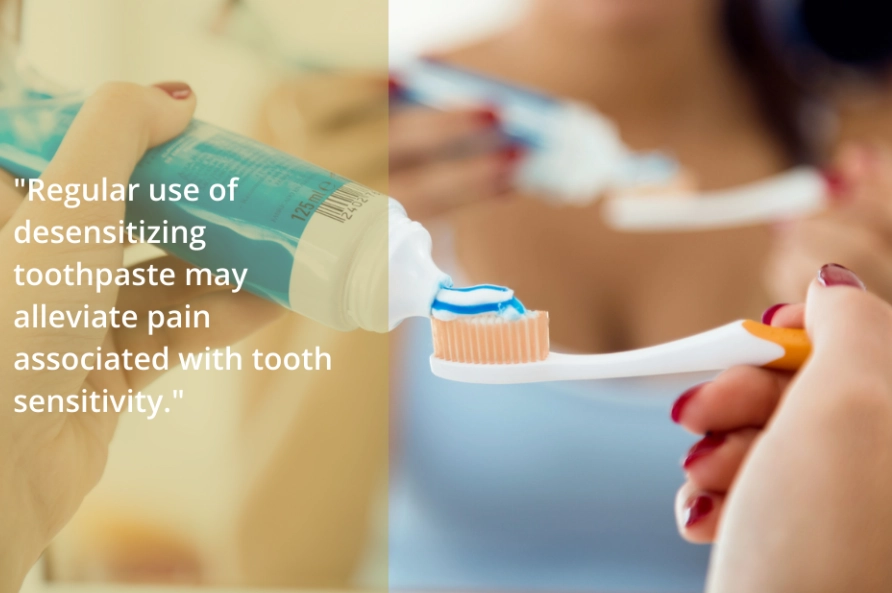
Your Quick Guide to This Article
- How Desensitizing Products Actually Stop the Pain
- Key Ingredients Decoded: Potassium vs. Stannous Fluoride
- Are You Using Them Right? Common Mistakes That Waste Your Money
- The Toothpaste & Mouthwash Combo: A Step-by-Step Routine
- What Your Sensitive Teeth Might Really Be Telling You
- Your Top Questions on Sensitive Teeth, Answered
How Desensitizing Products Actually Stop the Pain (It's Not Just Numbing)
First, let's understand the enemy. Sensitivity happens when the dentin layer under your tooth enamel becomes exposed. Dentin is full of microscopic tubes (dentinal tubules) that lead directly to the nerve. When hot, cold, acidic, or sweet stimuli hit these open tubes, fluid inside moves and triggers the nerve—hello, pain.
Desensitizing agents work by plugging these tubes or calming the nerve. It's plumbing and neurology, not magic. The American Dental Association (ADA) recognizes two primary mechanisms for relief. Some ingredients, like potassium nitrate, work on the nerve itself, gradually calming its response over time. Others, like stannous fluoride or arginine/calcium carbonate complexes, physically occlude the tubules, creating a barrier. This is a crucial distinction most people miss, and it explains why some products feel different than others.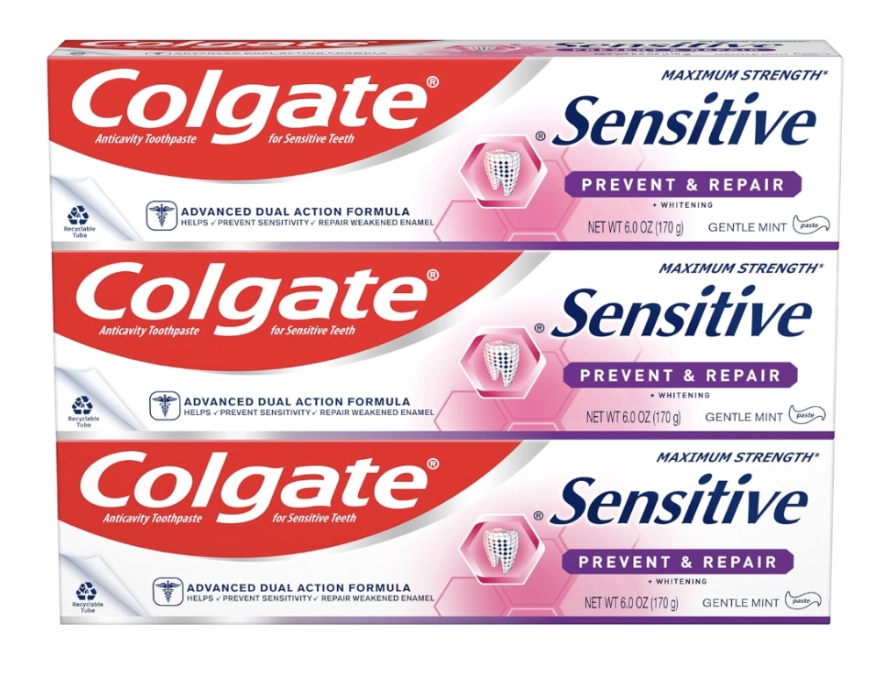
Key Ingredients Decoded: What to Look For on the Label
Not all desensitizing agents are created equal. Walking down the oral care aisle can be overwhelming. Here’s a breakdown of the major players, based on clinical evidence and my own experience with patients and products.
| Active Ingredient | How It Works | What to Expect & A Key Tip |
|---|---|---|
| Potassium Nitrate (5%) | Nerve desensitizer. It soothes the nerve endings inside the tooth, reducing their ability to send pain signals. | Relief is cumulative and can take 2-4 weeks of consistent use. Don't expect instant results. This is the most common ingredient in over-the-counter "sensitive" toothpastes. |
| Stannous Fluoride | Dual-action. It forms a protective layer over dentin tubules AND has anti-bacterial/anti-inflammatory properties that benefit gums. | Can provide faster occlusion-based relief. May cause slight staining for some users (easily polished off by a hygienist). I often prefer this for patients with sensitivity linked to gum recession. |
| Arginine + Calcium Carbonate | Natural occluding system. Arginine binds to dentin, allowing calcium carbonate to plug the tubules. | Some studies, like those cited by the manufacturer Pro-Argin™, show relief can start within 60 seconds. It's a physical barrier, so it can be disrupted by aggressive brushing or acidic foods. |
| Fluoride (Sodium Fluoride or Monofluorophosphate) | Strengthens enamel (remineralization) and can help seal microscopic openings. | The foundation of any good toothpaste. While not a specialized desensitizer alone, stronger enamel means less exposed dentin. Never use a toothpaste without fluoride for sensitivity. |
Here’s my non-consensus take: Many "natural" or "charcoal" toothpastes marketed for sensitivity lack these proven active ingredients and may even be more abrasive, worsening the problem long-term. Always check the active ingredient panel, not just the marketing claims.
Are You Using Them Right? The Mistakes That Sabotage Relief
This is where most people go wrong. You can have the best product, but technique matters more.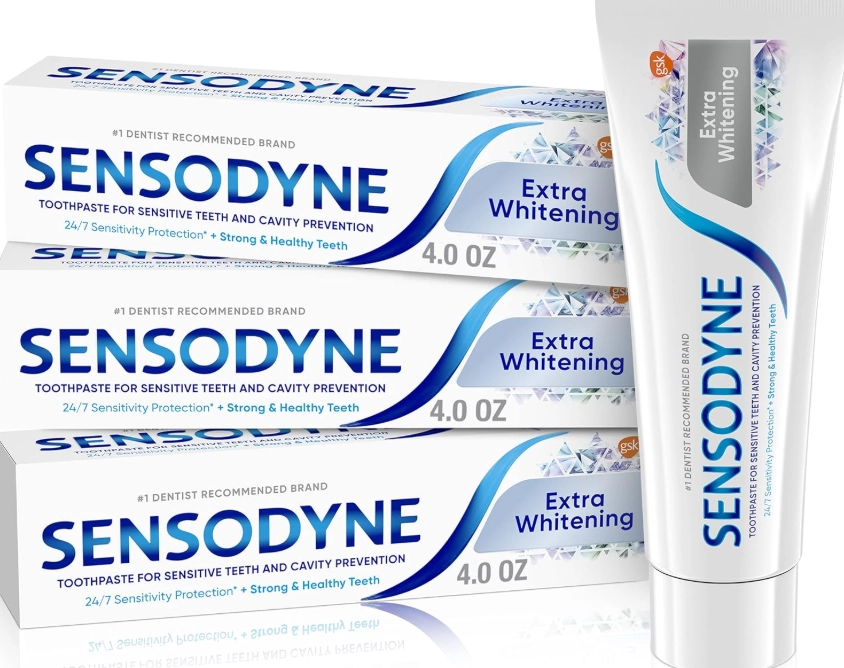
Mistake #1: Rinsing immediately after brushing. You brush with your desensitizing toothpaste for two minutes, then immediately swish and spit with water. You've just washed away most of the active ingredients before they can work. After brushing, just spit out the excess foam. Let the residual paste coat your teeth.
Mistake #2: Using a whitening toothpaste in the same routine. Whitening toothpastes often contain higher abrasives or peroxides that can increase sensitivity. Using them alternately or, worse, right after your desensitizing toothpaste, is counterproductive. If you must whiten, do it as a separate treatment and double down on your desensitizing routine during that period.
Mistake #3: Not giving it enough time. Nerve-calming agents like potassium nitrate aren't a quick fix. You need to use the product twice daily for at least two weeks to judge its effectiveness. Impatience leads to product hopping, which gets you nowhere.
Mistake #4: Ignoring the mouthwash timing. A desensitizing mouthwash isn't just a fresh-breath rinse. Use it at a separate time from brushing, like after lunch. This extends the protective effect throughout the day. And again, don't rinse with water after.
Building Your Routine: How to Layer Toothpaste and Mouthwash
Think of them as a team, not interchangeable players. Here’s a practical, daily schedule that maximizes their benefits.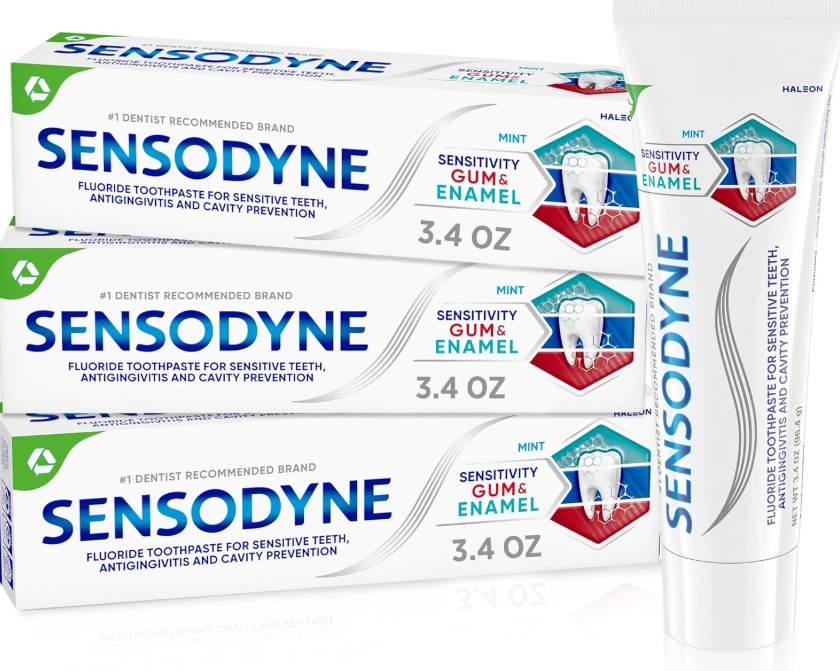
- Morning (After Breakfast): Brush with your desensitizing toothpaste for two full minutes. Use a soft-bristled brush and gentle pressure—scrubbing hard wears down enamel and gums. Spit, don't rinse. Wait at least 30 minutes before eating or drinking.
- Afternoon (Post-Lunch): Use your desensitizing mouthwash. Swish for 60 seconds as directed, making sure it flows over all tooth surfaces. Spit. Do not eat or drink for 30 minutes afterwards to let the film set.
- Evening (Before Bed): This is your most important brush. Repeat the morning routine. Saliva flow decreases at night, so letting the therapeutic ingredients work uninterrupted for 8+ hours is incredibly effective.
Let's be clear. This routine is a commitment. But it's this consistency that builds up the long-term barrier and nerve calmness that leads to lasting freedom.
What Your Sensitive Teeth Are Really Telling You: Time for a Dentist?
Desensitizing products are excellent management tools, but they're not cures for underlying problems. Sensitivity is a symptom. If your routine isn't making a dent after a month, or if the pain is severe and spontaneous, listen to your teeth—they're pointing to a bigger issue.
Common culprits that toothpaste can't fix:
Gum Recession: This is a big one, often from brushing too hard or gum disease. It exposes root surfaces, which have no protective enamel. Desensitizing products help, but addressing the cause (softer brushing, treating gum disease) is key.
A Cracked Tooth or Filling: That sharp, localized pain might be a crack. No amount of toothpaste will seal that.
Tooth Grinding (Bruxism): You might be grinding away your enamel at night. A night guard from your dentist is the solution here.
Acid Erosion: From diet (soda, citrus, wine) or acid reflux. The acid softens and dissolves enamel. You need to manage the acid exposure first.
I learned this the hard way early in my career, focusing only on the symptom of sensitivity for a patient while missing moderate gum disease. The products helped a little, but a professional cleaning and improved home care made a dramatic difference. A check-up is the smartest first or parallel step.
Your Top Questions on Sensitive Teeth, Answered
 Are there any side effects to long-term use of these products?