Let's be honest. Getting a kid to brush their teeth can feel like a nightly negotiation. Adding mouthwash to the routine? That's another battle entirely. But what if the mouthwash itself was part of the problem? Many conventional kids' mouthwashes are loaded with artificial colors, sweeteners like saccharin, and harsh alcohol that can sting sensitive mouths. As a parent who's spent years navigating pediatric dental health with my own kids, I've learned that switching to a natural mouthwash for kids isn't just a trendy choice—it's often a gentler, more effective one for building lifelong habits. The goal isn't just clean teeth; it's an oral care experience that doesn't make your child recoil.
Quick Navigation: What's Inside This Guide
Why Natural Ingredients Matter for Kids' Mouthwash
Kids are not just small adults. Their bodies are still developing, and they often swallow a significant amount of whatever goes in their mouths—toothpaste, mouthwash, you name it. The American Dental Association notes that until a child can reliably spit (usually around age 6), they should use only a smear of toothpaste. This swallowing reflex makes the ingredient list critically important.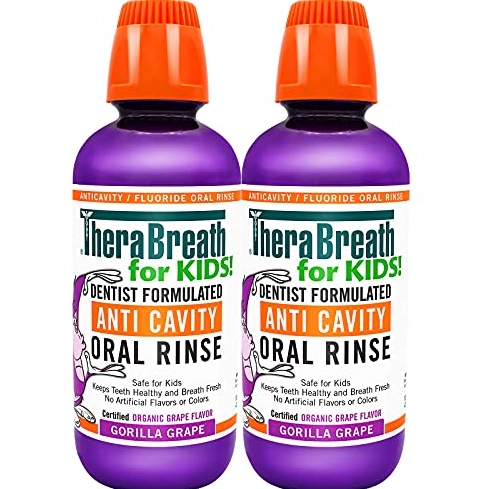
I made the switch after my then-5-year-old complained that her mouthwash "burned." It was a brand marketed with cartoon characters, but the second ingredient was alcohol. She was avoiding the whole routine because of it. A natural mouthwash for kids typically focuses on gentle, food-grade ingredients. Think of aloe vera to soothe gums, xylitol derived from birch trees to fight bacteria, and essential oils like peppermint for fresh breath without the chemical burn.
Parent Hack: The most common mistake I see is parents choosing a product based solely on flavor or packaging. The character on the bottle doesn't clean teeth—the ingredients inside do. Always flip it over and scan the list first.
Key Ingredients to Look For (And Avoid)
Navigating labels can be confusing. Here’s a breakdown of what actually helps and what might be causing more harm than good.
Green Light: Beneficial Natural Ingredients
Xylitol: This is a superstar. It's a natural sugar alcohol that bacteria in the mouth can't metabolize, which means it helps reduce cavity-causing bugs. Studies, including those referenced by the National Institutes of Health, have shown its efficacy in preventing tooth decay. Look for it high on the ingredient list.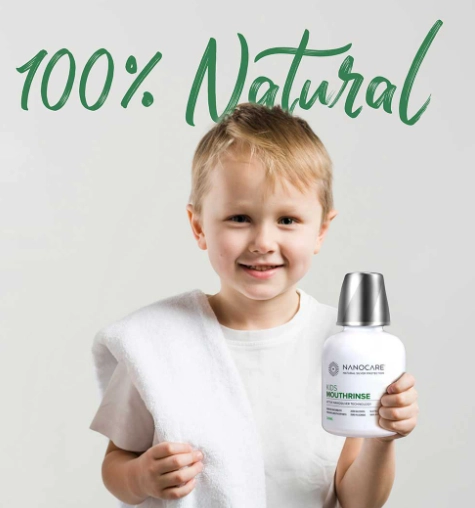
Aloe Vera: Not just for sunburns. It's incredibly soothing for inflamed or sensitive gums, which kids often have during teething or if they brush too hard.
Essential Oils (Tea Tree, Peppermint, Cinnamon): These provide natural antibacterial properties and fresh breath. Ensure they are properly diluted and from a reputable brand. Tea tree oil, for instance, is a powerful antiseptic.
Calcium and Mineral Blends: Some natural formulas include ingredients like hydroxyapatite, a form of calcium that's naturally found in teeth, to help remineralize weak spots.
Red Flag: Ingredients to Steer Clear Of
Watch Out For: Alcohol (ethanol), Sodium Lauryl Sulfate (SLS - a harsh foaming agent that can cause canker sores), Artificial Dyes (like Blue 1, Yellow 5), Artificial Sweeteners (saccharin, aspartame), and Triclosan (an antibacterial agent with potential hormonal effects).
The fluoride debate deserves its own note. Many natural brands are fluoride-free. While fluoride is proven to prevent cavities, some parents prefer to avoid it in rinse form due to swallowing concerns, especially for very young children. The decision is personal. If your child's water is fluoridated and they use fluoride toothpaste, a fluoride-free natural mouthwash might be sufficient. Always discuss this with your pediatric dentist.
How do you choose a natural mouthwash for kids?
It's not one-size-fits-all. Your choice depends on your child's age, specific needs, and even their personality.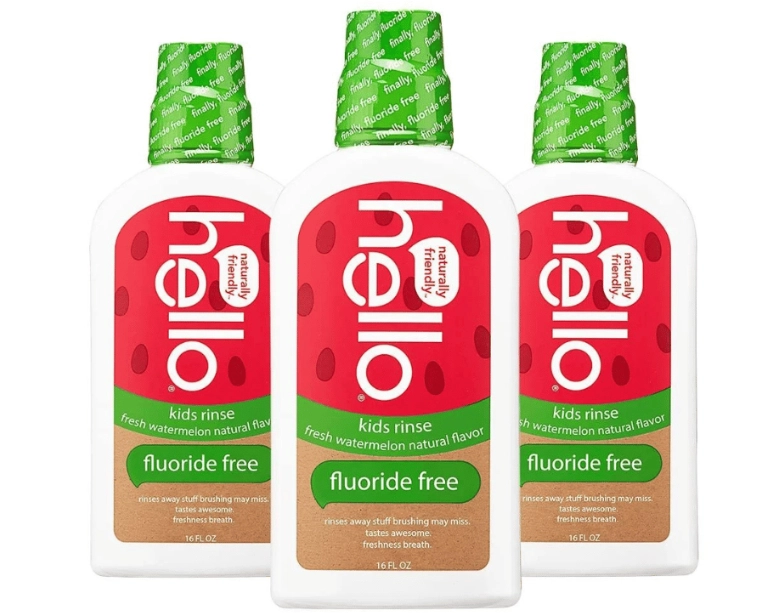
| Child's Profile | Primary Need | Ideal Ingredient Focus | Flavor Tip |
|---|---|---|---|
| Toddler (Learning to Spit) | Safety if swallowed, gum comfort | Alcohol-free, no artificial colors/sweeteners, soothing aloe | Very mild, fruity (berry, bubblegum) |
| School-Age (Cavity-Prone) | Cavity prevention, fresh breath | Xylitol, essential oils, possibly fluoride if approved by dentist | Cool mint, cinnamon (feels "grown-up") |
| Child with Sensitive Gums/Braces | Gentle cleansing, reducing inflammation | Aloe vera, chamomile, anti-inflammatory herbs | Neutral or very mild mint |
| The Flavor Skeptic | Getting them to use it at all | Same as above, but flavor is KING | Let them choose! Unusual options like watermelon or coconut-lime. |
A practical step most parents skip: buy a travel-size bottle first. Commit to a full bottle only after your kid has tried it for a week. A $3 trial saves you from a $10 bottle gathering dust under the sink.
Top Natural Kids Mouthwash Brands Reviewed
Based on hands-on testing with my kids and feedback from other parents, here are three standout brands that consistently deliver. I'm not affiliated with any of them—this is based on what actually works in a real bathroom, not a lab.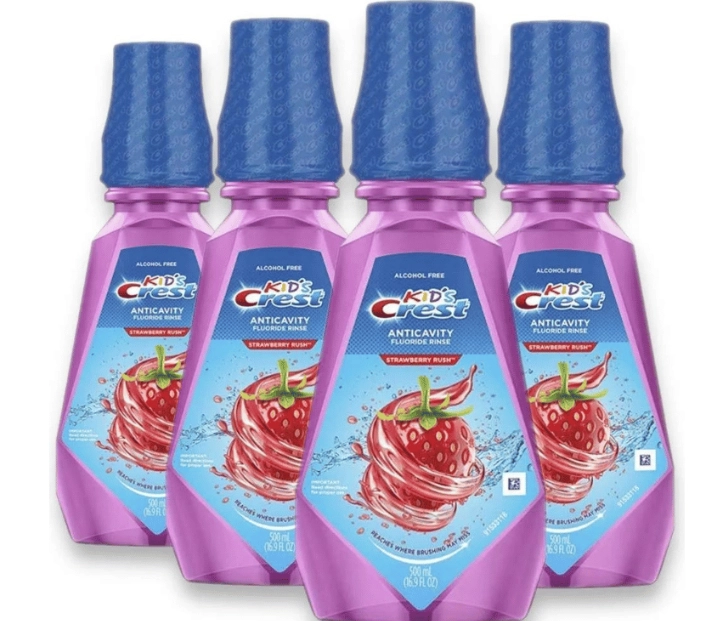
1. Hello Kids Fluoride-Free Mouthwash
This is our daily driver. It hits the sweet spot: effective, great flavors (my kids love the blue raspberry), and a clean ingredient list. No alcohol, no artificial sweeteners, and it uses erythritol and xylitol. The flavor is strong enough to feel effective but doesn't linger unpleasantly. The bottle is easy for small hands to manage. The only downside is it can be a bit sweet for some parents' taste—but that's what makes kids use it.
2. Tom's of Maine Children's Anticavity Fluoride Rinse
A classic for a reason. If you want a natural formula *with* fluoride, this is the go-to. It's made with naturally derived ingredients, no artificial colors or flavors, and is alcohol-free. The silica in it provides gentle cleaning. It's less sweet than Hello, with a more straightforward minty taste. Some kids find the flavor a bit bland, but it's incredibly reliable and trusted. Check the Environmental Working Group's guide for their positive rating on ingredient safety.
3. Radius USDA Organic Coconut Mint Mouthwash
For the ultra-conscious family. This one is USDA Organic certified, which is rare for mouthwash. The coconut mint flavor is unique and refreshing, not medicinal. It's vegan, gluten-free, and uses plant-derived ingredients. It's pricier, so I recommend it for older kids who won't waste it. The flavor is sophisticated—my teenager stole it from his younger sister.
How to make kids love using mouthwash (or at least not hate it)
The best product fails if your child refuses to use it. Here’s what worked in my house, moving from tears to routine.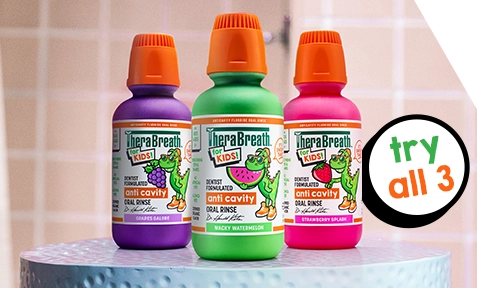
Start with a "Swish and Spit" Practice. Don't even use mouthwash at first. Use plain water. Have a contest: who can swish for 10 seconds like a chipmunk? Who can spit into the center of the sink with the most accuracy? Make it silly, not clinical.
Use a Visual Timer. Thirty seconds is an eternity for a kid. Use a fun sand timer or a 30-second video on your phone. Let them control the start button.
Turn it into a Science Experiment. For older kids, explain how xylitol "tricks" the bad bacteria. Frame mouthwash as their secret weapon against "cavity monsters." Empowerment works better than commands.
The Golden Rule: Never Force It. If they're sick, overly tired, or just having a bad day, skip it. Forcing the issue creates a negative association that's hard to break. Consistency over perfection.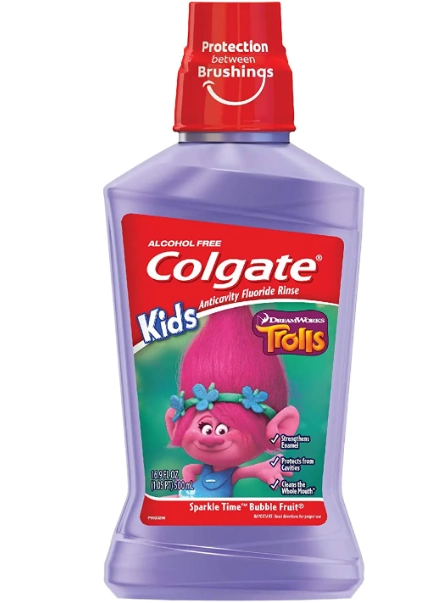
Your Natural Mouthwash Questions, Answered
Finding the right natural mouthwash for your kid is a process. It mixes a bit of science (reading labels) with a bit of art (finding a flavor they'll accept). Don't get discouraged if the first bottle isn't a hit. The investment in a gentle, effective product pays off not just in healthier teeth, but in creating a positive oral care mindset that lasts long after they've outgrown the bubblegum flavor.