For years in my practice, I'd see patients with perfectly good brushing habits who still had worn-down teeth, chronic jaw pain, or a puzzling number of cavities. I'd ask about their diet, their flossing routine, everything. It wasn't until I started asking "How do you sleep?" that the pieces clicked. The answer was often a sigh: "Not well." That's when I realized we were missing a huge piece of the oral health puzzle. Sleep disorders and oral health are locked in a two-way street most people, and even some dentists, don't fully navigate.
It's not just about feeling tired. Conditions like sleep apnea and bruxism (teeth grinding) create a hostile environment in your mouth all night long. Meanwhile, a painful tooth or infected gum can sabotage your chance of deep, restorative sleep. Let's break down this hidden connection, because fixing one can often lead to fixing the other.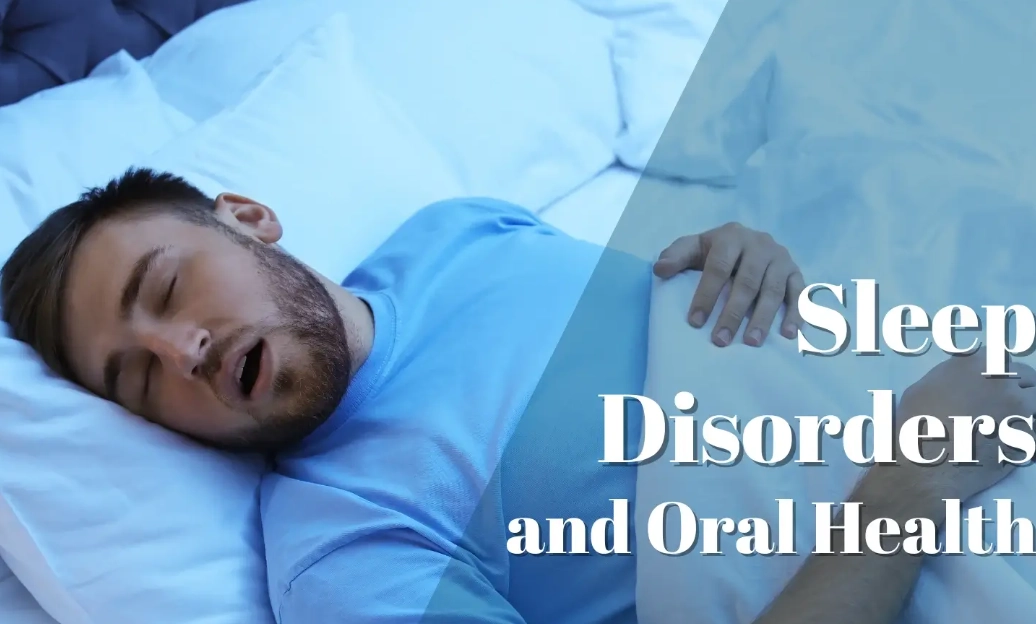
Quick Navigation: What's Inside
How Sleep Problems Wreck Your Oral Health
Think of your mouth during a troubled night. It's not at rest. It's a battlefield. Here are the main culprits.
Sleep Apnea and the Dry Mouth Disaster
Obstructive Sleep Apnea (OSA) is the big one. When you have OSA, your airway collapses or gets blocked during sleep. Your brain panics due to lack of oxygen, wakes you up just enough to gasp for air (often with a snore or choke), and you drift off again. This cycle repeats dozens, even hundreds of times a night.
The immediate oral consequence? Severe dry mouth (xerostomia). Mouth breathing is your body's emergency airway. All that air flowing over your gums, teeth, and tongue dries up protective saliva. Saliva isn't just water; it's a disinfectant, a remineralizing fluid, and a pH balancer. Without it, you're defenseless.
Bruxism: The Nightly Grind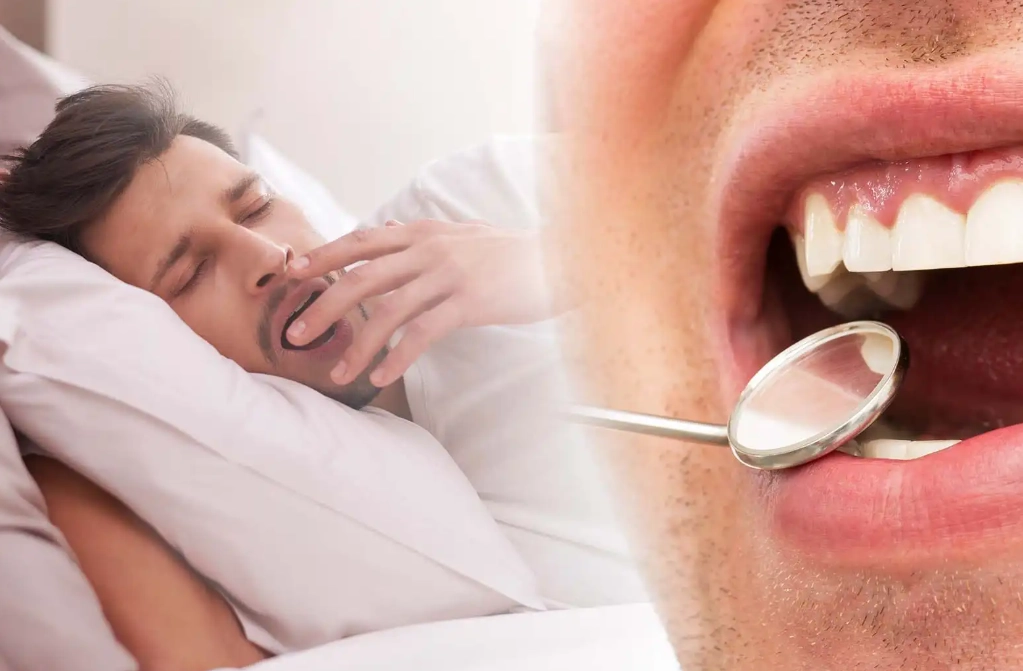
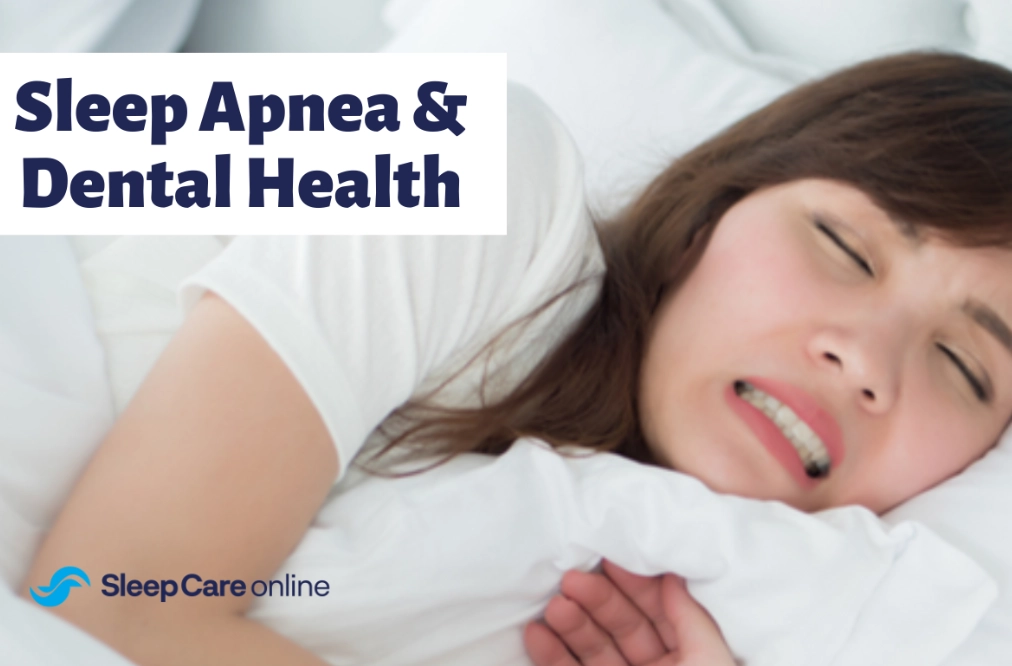
Bruxism, or teeth grinding and clenching, is often sleep's destructive partner. Many experts now see it as a neuromuscular response related to micro-arousals from sleep-disordered breathing. Your body, struggling to breathe, may grind your teeth to try and reposition the jaw to open the airway. It can also be a standalone stress response.
The damage is physical and obvious to your dentist:
- Flattened, chipped, or fractured teeth: Enamel, the hardest substance in your body, gets worn away like sandstone.
- Hyper-sensitive teeth: As enamel thins, the sensitive dentin underneath gets exposed.
- Worn-down dental work: Crowns and fillings fail faster under immense pressure.
- Muscle pain and headaches: You wake up with sore jaws, temples, or even neck pain.
- Gum recession: The excessive force can literally push your gums down over time.
I've seen molars ground down to nubs. It's a slow-motion car crash happening in someone's mouth every night.
| Sleep Disorder | Primary Oral Health Impact | Long-Term Risks |
|---|---|---|
| Obstructive Sleep Apnea (OSA) | Chronic Dry Mouth (Xerostomia) | High cavity rate, gum disease, bad breath, oral yeast infections |
| Sleep Bruxism | Tooth Wear & Jaw Muscle Damage | Cracked teeth, TMJ disorders, loss of tooth structure, costly dental repairs |
| Chronic Insomnia | Neglected Oral Hygiene & Inflammation | Worsening of existing gum disease, slower healing after dental procedures |
When Your Mouth Keeps You Awake
The traffic goes both ways. Oral problems are fantastic at disrupting sleep architecture.
Toothache or Abscess: Throbbing, persistent pain is a guaranteed sleep thief. It's often worse when lying down due to increased blood pressure in the head.
Gum Disease (Periodontitis): This isn't just "pink in the sink." It's a chronic inflammatory disease. Your body is fighting a constant bacterial infection in your gums. This systemic inflammation can make it harder to fall asleep and reduce sleep quality. Some research even suggests a potential link between the bacteria of severe gum disease and the inflammation seen in conditions like OSA.
TMJ Disorders: Pain in the temporomandibular joint (the hinge of your jaw) can make finding a comfortable sleeping position a nightmare. Every turn can trigger a sharp pain.
Ill-Fitting Dentures or Dental Appliances: Anything loose, sharp, or uncomfortable in your mouth will poke you awake. It's a simple but common problem.
Getting the Right Diagnosis: Dentist or Sleep Doctor?
This is where patients get stuck. Who do you see first? Often, your dentist might be the first to spot the clues.
Your Dentist May Notice:
- Excessive, even wear patterns on teeth not explained by diet.
- Impressions of your teeth on the sides of your tongue (crenated tongue).
- A red, irritated throat from snoring or airway turbulence.
- Receding gums that don't match your age or hygiene level.
- A small, narrow, or collapsed airway visible on a dental panoramic X-ray.
If your dentist suspects sleep apnea, they should refer you to a sleep physician or a sleep clinic for a definitive diagnosis, usually via a home sleep test or an in-lab sleep study. The gold standard treatment for moderate to severe OSA is a CPAP (Continuous Positive Airway Pressure) machine, which keeps your airway open with a gentle stream of air.
Your Action Plan for Better Sleep and a Healthier Mouth
You don't have to live with this cycle. Here's a practical, step-by-step approach.
Step 1: The Self-Assessment & Dental Visit. Pay attention to your body. Do you wake with a dry mouth, headache, or jaw pain? Does your partner complain about snoring or grinding sounds? Mention all of this at your next dental cleaning. Be specific.
Step 2: The Professional Evaluation. Follow through on referrals. If a sleep study is recommended, do it. It's not as scary as it sounds, especially the home tests. Getting a diagnosis is empowering.
Step 3: Targeted Treatment.
- For Dry Mouth (from any cause): Use alcohol-free mouth rinses (like Biotene), xylitol mints/gum to stimulate saliva, and a bedside humidifier. Talk to your doctor about medications that might be contributing.
- For Bruxism: Work with your dentist to get a properly fitted oral appliance. This could be a protective night guard or a MAD. Stress management and physical therapy for the jaw muscles can also help.
- For Gum Disease: Get a deep cleaning (scaling and root planing) and commit to impeccable home care. Controlling gum inflammation helps your overall health and sleep.
Step 4: The Lifestyle Overlap. Habits that improve sleep often improve oral health. Weight management can reduce sleep apnea severity. Reducing alcohol and avoiding heavy meals before bed improves sleep quality and reduces acid reflux, which also harms teeth. Nasal breathing exercises or strips can help transition you from mouth to nose breathing.
Your Questions Answered
My dentist says I grind my teeth, but I don't feel stressed. Could it be sleep apnea?
Absolutely, and this is a critical point often missed. While stress is a common trigger for daytime clenching, sleep bruxism is increasingly linked to respiratory effort during sleep. Your brain may be grinding your teeth as a primitive attempt to open the airway. If you have other signs like loud snoring, witnessed breathing pauses, or daytime fatigue, asking your dentist or doctor about a sleep apnea screening is a smart next step.
If I already have severe wear from grinding, what can my dentist actually do?
We start by protecting what's left. A custom-fitted night guard is essential armor to prevent further damage. For the existing damage, options depend on the severity. Minor wear might be managed with bonding or veneers. Significant loss of tooth structure often requires crowns to rebuild the teeth and restore function. The key is to treat the cause (like possible sleep apnea) first, then repair the damage. Otherwise, you'll just grind through the new dental work.
I use a CPAP machine. Why do I still wake up with a dry mouth?
This usually means you're mouth breathing despite the CPAP air pressure. The air is escaping through your mouth instead of staying in your airway. The fix is often simple: a full-face mask that covers both your nose and mouth, or a chin strap to help keep your mouth closed if you use a nasal mask. A heated humidifier attached to your CPAP unit is also non-negotiable. Talk to your CPAP supplier or sleep therapist about adjusting your setup; this is a common and solvable issue.
 Can treating my gum disease actually help me sleep better?
There's a growing body of evidence suggesting yes. Periodontitis creates a constant, low-grade inflammatory burden on your entire system. This inflammation can interfere with sleep-regulating chemicals in the body. By getting a deep cleaning and bringing the gum infection under control, you reduce that systemic inflammation. Many patients report feeling generally better and less fatigued afterward, which can translate to improved sleep. It's not a direct cure for insomnia, but it removes a significant biological roadblock to restful sleep.
Are over-the-counter boil-and-bite night guards okay for grinding?
They're better than nothing in a pinch, but I rarely recommend them long-term. They are bulky, can worsen breathing if you have airway issues, and are often chewed through quickly. More concerningly, a poorly fitted guard can push your teeth out of alignment over time. A custom guard from your dentist is thinner, more durable, and designed to distribute force evenly without changing your bite. It's an investment in prevention that saves you money on future dental repairs.
The connection between sleep disorders and oral health is real, significant, and actionable. By understanding this link, you can move from treating symptoms in isolation to addressing the root cause. Your dentist and your doctor need to be on the same team for this. Start the conversation at your next appointment. A good night's sleep and a healthy smile aren't separate goals—they're fundamentally intertwined.