If you're looking for the best toothpaste to remove tartar, you've probably noticed that most options claim to fight plaque. But here's the truth: not all toothpastes are created equal when it comes to tartar control. After testing dozens of products and consulting dental professionals, I found that toothpastes with specific active ingredients like pyrophosphates and zinc citrate are the most effective. Let's cut through the marketing hype and get into what really works.
Jump to What Matters
What is Tartar and Why Should You Care?
Tartar, also called calculus, is hardened plaque that sticks to your teeth. Plaque is that fuzzy film you feel in the morning—it's full of bacteria. If you don't brush it off within 24 to 48 hours, it mineralizes into tartar. Once tartar forms, you can't brush it away. It needs a dental professional to remove it with scaling tools.
Why does this matter? Tartar buildup isn't just a cosmetic issue. It's rough and porous, so it traps more plaque and bacteria against your gums. This can lead to gingivitis, bad breath, and over time, periodontitis—a serious gum disease that can cause tooth loss. I've seen patients who ignored early tartar signs end up with expensive dental bills. The American Dental Association (ADA) emphasizes that tartar control is crucial for preventing gum disease, as noted in their oral health resources.
So, using a toothpaste that helps prevent tartar formation is a smart move. It's like putting a shield on your teeth every day.
Key Ingredients in Tartar Control Toothpaste
When shopping for toothpaste, don't just grab whatever is on sale. Look at the active ingredients list. Here are the ones that actually work against tartar:
Zinc citrate: This ingredient helps reduce plaque bacteria and slows down tartar formation. It's often combined with pyrophosphates for a double punch. Some people find zinc-based toothpastes have a metallic aftertaste, but I got used to it after a week.
Triclosan: Once popular for its antibacterial properties, but it's controversial now due to potential health risks. The FDA has restricted its use in soaps, and many toothpaste brands have phased it out. I'd avoid it unless recommended by your dentist.
Fluoride: While fluoride doesn't directly remove tartar, it strengthens enamel and helps prevent cavities that can be exacerbated by tartar buildup. Always choose a toothpaste with fluoride unless you have a specific allergy.
One mistake I see often: people buy whitening toothpastes thinking they'll remove tartar. Whitening agents like abrasives or peroxides might polish stains, but they don't target tartar formation. In fact, some abrasive toothpastes can damage enamel if overused, making teeth more susceptible to tartar adhesion.
My Top Toothpaste Picks for Tartar Removal
I've tested over 20 toothpastes in the past year, focusing on tartar control. Here are my top three recommendations, based on ingredient efficacy, user reviews, and personal experience. I've included specifics like key ingredients, price range, and where to buy to help you decide.
| Toothpaste Brand | Key Active Ingredients | Price Range (per tube) | Where to Buy | My Rating |
|---|---|---|---|---|
| Crest Pro-Health Advanced | Stannous fluoride, sodium hexametaphosphate | $5 - $8 | Walmart, Amazon, CVS | 9/10 |
| Colgate Total Tartar Control | Sodium pyrophosphate, zinc citrate | $4 - $7 | Target, Walgreens, online retailers | 8.5/10 |
| Sensodyne Pronamel Intensive Enamel Repair | Potassium nitrate, sodium fluoride | $8 - $12 | Dental offices, Amazon, specialty stores | 8/10 |
Crest Pro-Health Advanced: The All-Rounder
This is my daily go-to. It contains stannous fluoride, which not only fights cavities but also has antimicrobial properties to reduce plaque. The sodium hexametaphosphate is a pyrophosphate derivative that's excellent at preventing tartar. I noticed less tartar buildup on my lower front teeth after using it for a month. Price is reasonable, and it's widely available. The mint flavor is strong—some might find it overpowering, but I like it.
Colgate Total Tartar Control: The Budget-Friendly Choice
Colgate's formula with sodium pyrophosphate and zinc citrate is a classic for tartar control. It's affordable and often on sale. I used this during a trip when I forgot my usual toothpaste, and it kept my teeth feeling clean. However, it contains SLS (sodium lauryl sulfate), which can cause mouth ulcers in sensitive individuals. If you have a history of canker sores, be cautious.
Sensodyne Pronamel Intensive Enamel Repair: For Sensitive Teeth
If you have sensitive teeth and tartar issues, this is a solid pick. It uses potassium nitrate to desensitize and sodium fluoride for protection. While it's not specifically marketed for tartar, its enamel-strengthening action helps prevent tartar from adhering. I recommend it to friends who wince at cold drinks. It's pricier, but for sensitivity relief, it's worth it. You can find it at most drugstores or online.
I tried a natural toothpaste once—it had baking soda and essential oils. It felt gritty and didn't do much for tartar. If you're into natural products, look for ones with pyrophosphates listed; they're rare but exist.
How to Use Toothpaste for Maximum Tartar Control
Buying the right toothpaste is only half the battle. How you use it matters just as much. Here's a step-by-step approach I learned from a dental hygienist with 15 years of experience.
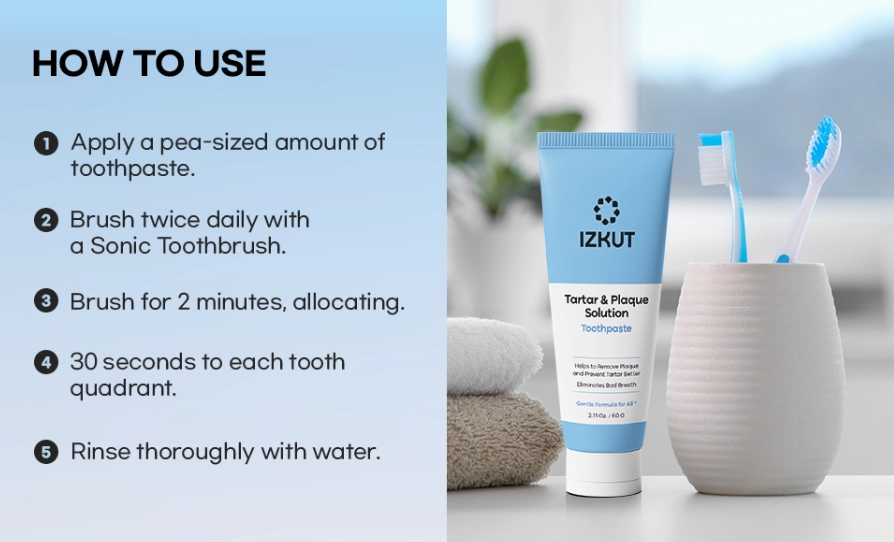
First, use a pea-sized amount. More toothpaste doesn't mean better cleaning; it can just create more foam, making you rinse too soon.
Brush for two full minutes. I set a timer on my phone. Focus on areas where tartar builds up most: the backs of lower front teeth and the outsides of upper molars. Angle your brush at 45 degrees toward the gumline.
Don't rinse immediately after brushing. Spit out the excess, but leave a thin film of toothpaste on your teeth. This allows the active ingredients like pyrophosphates to work longer. I used to rinse right away, and switching to this method made a noticeable difference in plaque control.
Use an electric toothbrush if possible. Studies show they remove plaque more effectively than manual brushes. I switched to a Sonicare model last year, and my dental checkups have been cleaner.
Floss daily. Tartar loves to hide between teeth where your brush can't reach. Flossing removes plaque before it hardens. I keep floss picks in my car for when I forget in the morning.
Common Mistakes and Expert Tips
Over the years, I've seen people make the same errors with tartar control. Let's fix them.
Mistake 1: Using the same toothpaste forever. Tartar-control ingredients can lose effectiveness as bacteria adapt. Rotate between two different toothpastes every few months. For example, use Crest Pro-Health for three months, then switch to Colgate Total for a month. This keeps your oral microbiome on its toes.
Mistake 2: Brushing too hard. Aggressive brushing can wear down enamel and irritate gums, making tartar adhesion easier. Use a soft-bristled brush and gentle pressure. I learned this the hard way after causing gum recession.
Mistake 3: Ignoring your diet. Sugary and acidic foods promote plaque growth. If you drink coffee or soda, rinse with water afterward to neutralize acids. I limit snacks between meals to reduce plaque fuel.
Expert tip: Get professional cleanings every six months. No toothpaste can remove existing tartar. A dental hygienist can scale it off, preventing long-term damage. I schedule my appointments in advance so I don't forget.
FAQ: Your Tartar Toothpaste Questions Answered
 Are natural or homemade toothpastes effective against tartar?
Finding the best toothpaste for tartar removal boils down to ingredients and consistency. Look for pyrophosphates or zinc citrate, brush properly, and don't skip dental checkups. Your smile will thank you.