Quick Guide
- Why Does Salt Water Even Work? The Simple Science Behind the Soothe
- How to Do It RIGHT: The Dentist-Approved Salt Water Rinse Recipe
- When Salt Water Shines: The Best-Case Scenarios
- The Red Flags: When Salt Water Is a Dangerous Distraction
- Salt Water vs. Other Home Remedies: A Quick Reality Check
- Your Action Plan: What to Do When Tooth Pain Strikes
- Answers to Your Burning Questions (The FAQ You Actually Need)
- The Final Swish: A Balanced, Honest Takeaway
You're reading this because your tooth hurts. Maybe it's a dull throb that won't quit, or a sharp zing when you sip something cold. And you're wondering, desperately searching for something—anything—to make it stop before you can get to a dentist. I've been there. Staring into the bathroom cabinet at 2 AM, hoping for a miracle. The internet whispers about a simple, ancient remedy: salt water. But can salt water make tooth pain go away for real, or is it just a comforting myth?
Let's cut through the noise. The short, honest answer is: it can help, but it's not a cure. Think of it as a first-aid kit for your mouth, not the emergency surgery you might need. It's a temporary, soothing band-aid that can calm things down and buy you some time. But relying on it to solve a serious dental problem is like using a band-aid on a broken arm—it might cover the surface, but the problem underneath is still raging.
Here's the bottom line upfront: A warm salt water rinse is excellent for reducing inflammation, cleaning a wound, and easing minor discomfort from issues like a loose crown, minor gum irritation, or after a dental procedure. For a severe, deep, or throbbing toothache caused by an infection or cavity, it will not make the underlying problem "go away." It's a helper, not a hero.
Why Does Salt Water Even Work? The Simple Science Behind the Soothe
It's not magic. There's some pretty straightforward biology and physics at play when you swish that salty water around. Dentists often recommend it, and for good reason. Let's break down the "how" so you understand the "why."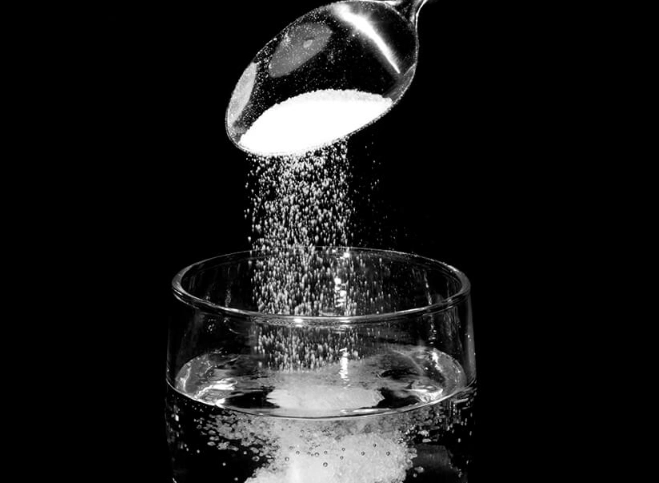
1. Osmosis is Your Friend (The Fluid Shuffle)
This sounds fancy, but it's simple. A salt water solution has a higher concentration of salt than the fluid inside your cells (like the swollen cells in your inflamed gums). Nature likes balance, so the fluid from inside the swollen tissues gets drawn out into the saltier mouth rinse. This reduces the swelling and pressure—which is a major source of pain. Less swelling often means less pain. It's like gently deflating a tiny, painful balloon in your gum tissue.
2. It's a Gentle, Natural Cleaner
Food particles stuck in a cavity or around an irritated gum flap can worsen pain and feed bacteria. Salt water can help dislodge these bits. It's also mildly antiseptic. Salt creates a harsh environment for some bacteria, making it harder for them to thrive. It doesn't kill all bacteria (don't believe anyone who says it's a complete disinfectant), but it can help reduce their numbers temporarily. The American Dental Association (ADA) notes that rinsing can help remove debris, though it doesn't replace brushing and flossing. You can read more about oral wound care on their patient resource pages.
3. The Soothing Power of Warmth
Never use hot water—you'll scald yourself. But warm water is key. The warmth increases blood flow to the area, which can help promote healing and has a natural, comforting, muscle-relaxing effect. Combine that warmth with the osmotic action of the salt, and you've got a one-two punch against inflammation.
So, when people ask can salt water make tooth pain go away, they're often feeling the combined effect of these three actions. The pain feels less because the cause (swelling, debris, bacteria) has been mildly addressed.
How to Do It RIGHT: The Dentist-Approved Salt Water Rinse Recipe
Getting it wrong can make it useless or even irritating. I've seen folks dump a tablespoon of salt into a cup and wonder why it stings. Here’s the gold-standard method.
Your Step-by-Step Guide to the Perfect Rinse
- What you need: A clean cup, warm tap water (not hot!), and table salt or sea salt (iodized is fine).
- The Ratio: This is crucial. 1/2 teaspoon of salt to 8 ounces (one cup) of warm water. That's it. More salt is not better—it can dehydrate and irritate your mouth tissues.
- Mix it up: Stir until the salt is fully dissolved. Undissolved salt crystals can be abrasive.
- The Swish: Take a comfortable mouthful. Swish vigorously, pushing the water around the painful area. Do this for 30 seconds. Not 5 seconds, not 2 minutes. Aim for 30.
- Spit, Don't Swallow: Spit it out into the sink. You don't want to ingest a lot of salt water.
- Frequency: You can do this 2-3 times a day, especially after meals. Don't overdo it; more than 4-5 times a day can start to affect your tooth enamel and soft tissues.
Some people add a pinch of baking soda to further soothe and neutralize acids. It's not necessary, but it's generally safe. The core recipe is salt and warm water.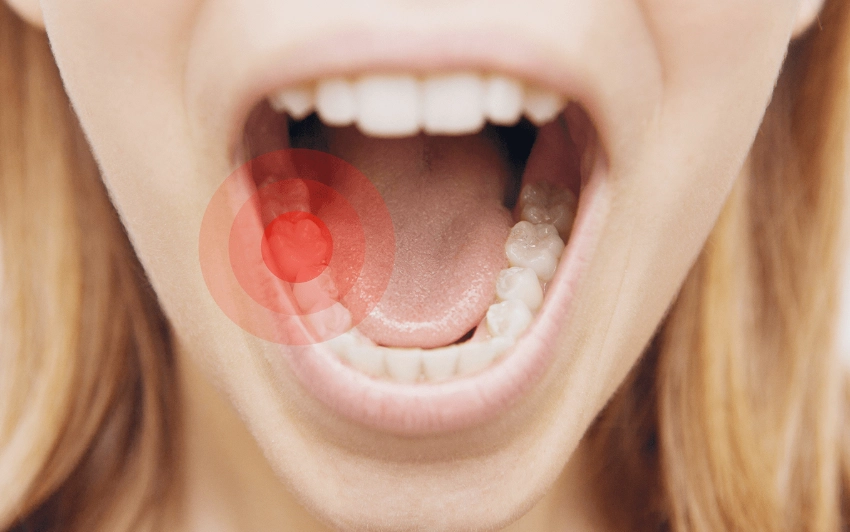
When Salt Water Shines: The Best-Case Scenarios
Let's be clear about where this remedy truly excels. It's not for every type of mouth pain. Here are the situations where asking "can salt water make tooth pain go away" gets a resounding "yes, it can really help!"
- After a Tooth Extraction or Oral Surgery: This is its superstar use. It keeps the socket clean, reduces swelling, and promotes healing. Your dentist will almost certainly tell you to do this.
- For Minor Gum Inflammation (Gingivitis): If your gums are puffy, red, and bleed a little when you floss, a salt water rinse can reduce that inflammation and tenderness.
- For Canker Sores or Minor Mouth Ulcers: It cleanses the sore and can reduce pain and healing time.
- For a Loose Crown or Temporary Filling: If it's just feeling sensitive and irritated, a rinse can clean the area and soothe it until you get it re-cemented.
- For a Small Food Impaction: If popcorn hull or something similar is wedged in your gums, swishing can help dislodge it.
In all these cases, the pain is often from surface-level irritation or controlled post-surgical healing. The salt water targets the issue directly.
The Red Flags: When Salt Water Is a Dangerous Distraction
This is the most important part of this entire article. If you have any of the following symptoms, a salt water rinse is a stopgap at best and a dangerous delay at worst. You need professional intervention, period.
? STOP. You Need a Dentist, Not a Salt Shaker, If You Have:
- Severe, Throbbing, Unrelenting Pain: Pain that keeps you up at night or isn't touched by over-the-counter painkillers.
- Visible Swelling in your cheek, jaw, or under your tongue.
- A Fever accompanying the toothache. This is a sign of spreading infection.
- A Bad Taste or Pus coming from the tooth or gums (an abscess).
- Difficulty Swallowing or Breathing. This is a medical emergency—go to an ER.
- Pain When You Bite Down that feels deep in the tooth (possible abscess or crack).
An untreated dental infection can spread to your jaw, neck, and even your bloodstream (a condition called sepsis). The National Institute of Dental and Craniofacial Research (NIDCR) provides clear information on the progression of tooth decay and the risks of infection. No amount of salt water can drain an abscess or remove deep decay. You need antibiotics, a root canal, or an extraction.
I made the mistake of rinsing with salt water for five days straight with a swollen jaw, thinking I could "beat it." I couldn't. The resulting root canal was more complex (and expensive) than if I'd gone in on day two. Learn from my stubbornness.
Salt Water vs. Other Home Remedies: A Quick Reality Check
You'll see all sorts of suggestions online. How does salt water stack up?
- Clove Oil: Contains eugenol, a natural anesthetic. It can be very effective for numbing pain, but it's potent and can burn your gums if used undiluted. Salt water is gentler for general use.
- Hydrogen Peroxide Rinse: Can help kill bacteria and is often recommended for gingivitis. However, it can be harsh and shouldn't be swallowed. Salt water is safer for frequent use.
- Over-the-Counter Pain Relievers (Ibuprofen, Acetaminophen): These address the pain signal itself. Salt water addresses a cause of the pain (inflammation). Using them together is often the best home strategy.
- Garlic, Whiskey, Aspirin on the Gum: Mostly old wives' tales. Putting aspirin directly on your gum can cause a chemical burn. Please don't.
Salt water's biggest advantage is its safety, accessibility, and gentle multi-action approach.
Your Action Plan: What to Do When Tooth Pain Strikes
Let's put this all together into a practical flowchart for your mind.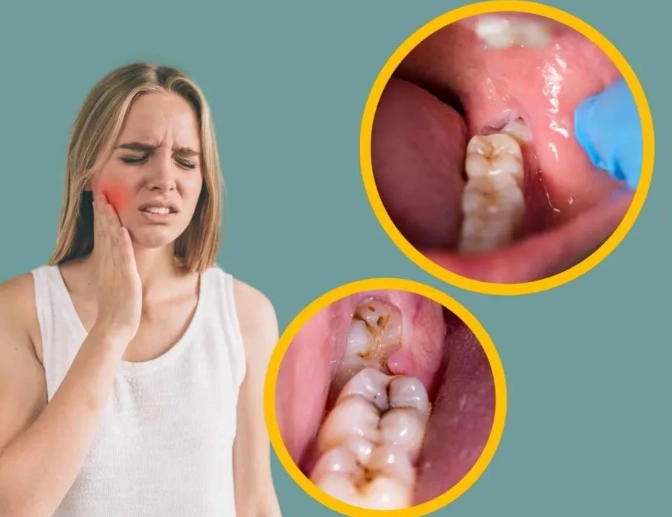
| Your Situation | Immediate Action (Salt Water's Role) | Next Step |
|---|---|---|
| Minor gum soreness, post-flossing irritation, canker sore. | YES. Use the salt water rinse 2-3x daily. It's likely all you need. | Monitor. If it doesn't improve in 3-4 days, consider a dentist visit. |
| Noticeable tooth sensitivity to hot/cold, or a mild, intermittent ache. | YES, as a temporary measure. It can soothe irritated nerves in the gums. Use a toothpaste for sensitive teeth. | Schedule a dental check-up. This is a warning sign of a cavity, worn enamel, or a small crack. |
| Severe, constant, or throbbing pain. Visible swelling or pimple on gum. | You can use it for comfort, but understand it's like using a garden hose on a house fire. | CALL YOUR DENTIST IMMEDIATELY. This is an urgent dental problem. If after hours, go to an emergency dental clinic or ER. |
| Pain after a recent filling, crown, or extraction. | YES, if your dentist instructed you to. Follow their post-op care exactly. | Some pain is normal. If it gets worse after 2-3 days or you see the signs above, call your dentist. |
Answers to Your Burning Questions (The FAQ You Actually Need)
Let's tackle the specific stuff people are secretly searching for.
Can salt water rinse heal a cavity or infection?
Absolutely not. Zero chance. Salt water cannot regenerate tooth enamel or kill a deep-seated bacterial infection inside your tooth's pulp. It's a surface-level therapy. The belief that it can make tooth pain go away by curing the problem is the most dangerous misconception about it.
Is it safe to use every day?
For a limited time to address a specific issue, yes. As a long-term, daily habit, I wouldn't recommend it. The salt is mildly abrasive and the altered pH in your mouth could, over years, contribute to enamel wear. It's a medicine, not a daily vitamin.
Can I use sea salt or Himalayan pink salt?
Sure, they work fine. The key is that it's sodium chloride. The fancy colors and minerals won't make a significant difference for a mouth rinse. Plain table salt is perfect and cheap.
What if it stings or tastes terrible?
You might be using too much salt or water that's too warm. Double-check your measurements. The rinse should be mildly saline, like tears, not like ocean water. If you have an open ulcer, it will sting a bit initially—that's normal and passes quickly.
My child has a toothache. Can they use a salt water rinse?
For kids old enough to swish and spit without swallowing (usually around age 6-8), you can use a weaker solution (1/4 tsp salt in a cup of water). But more importantly, a child's toothache is a dental appointment trigger. Don't wait.
The Final Swish: A Balanced, Honest Takeaway
So, can salt water make tooth pain go away? The nuanced truth is this: it is one of the safest, most effective, and scientifically sound home remedies for managing certain types of oral discomfort and aiding healing. It's a fantastic tool to have in your arsenal.
But its power has clear limits. It is not an alternative to professional dental care. The goal of using it should be to achieve temporary comfort and cleanliness while you arrange for a definitive diagnosis and treatment from a dentist. View it as a supportive friend who offers a comforting word and a ride to the doctor's office, not as the doctor themselves.
Your mouth is telling you something when it hurts. Listen to it. Use the salt water rinse wisely for what it's good for, and have the courage to pick up the phone when the symptoms tell you it's time for more serious help. Your future, pain-free self will thank you for it.