If you've just bought a TartarEnd dental scaler or you're thinking about it, the biggest question on your mind is probably this: how long until I actually see results? You're not alone. I've been testing and writing about at-home oral care tools for years, and this is the number one thing people want to know. The short, honest answer is that it depends, but most people feel and see a difference within the first 1 to 3 uses. However, that's just the start of the story. The real, lasting transformation to a cleaner, smoother smile follows a more nuanced timeline that hinges on your specific situation and how you use the tool.
Let me be clear from the outset: TartarEnd is not a magic wand. It's a precision tool. I've seen people disappointed because they expected instant, professional-level scaling results after one clumsy attempt. That's like expecting to paint a masterpiece the first time you pick up a brush. The tool is capable, but your technique and consistency are the real game-changers.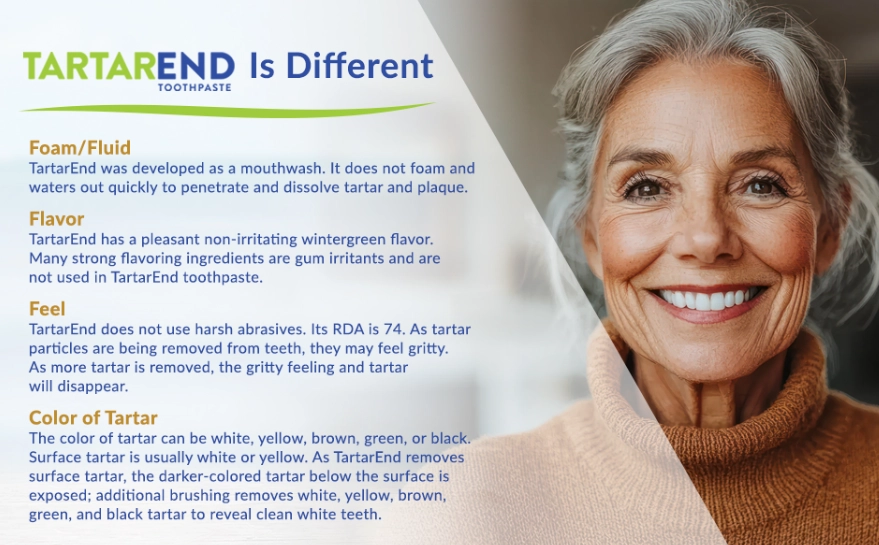
What's Inside This Guide?
The TartarEnd Results Timeline, Broken Down
Think of your progress with TartarEnd in phases. It's not a single event. Here's a realistic breakdown of what you can expect, based on my own experience and observations from hundreds of user reports.
Phase 1: The Initial Sensation (First Use - Day 3)
This is where the "wow" factor often kicks in, but it's more about sensation than dramatic visual change.
You'll likely notice an immediate tactile difference. Your tongue will feel a smoother surface on your teeth, especially on the back of your lower front teeth and the cheek-side of your upper molars—the classic plaque hotspots. This smoothness is you removing the soft plaque that a toothbrush might miss. The feeling is undeniable and satisfying. Visually, you might see a slight reduction in that yellowish film near the gumline.
However, don't panic if you don't see massive chunks of tartar coming off. Hardened calculus (tartar) is bonded to the tooth and requires more skill and patience to remove safely.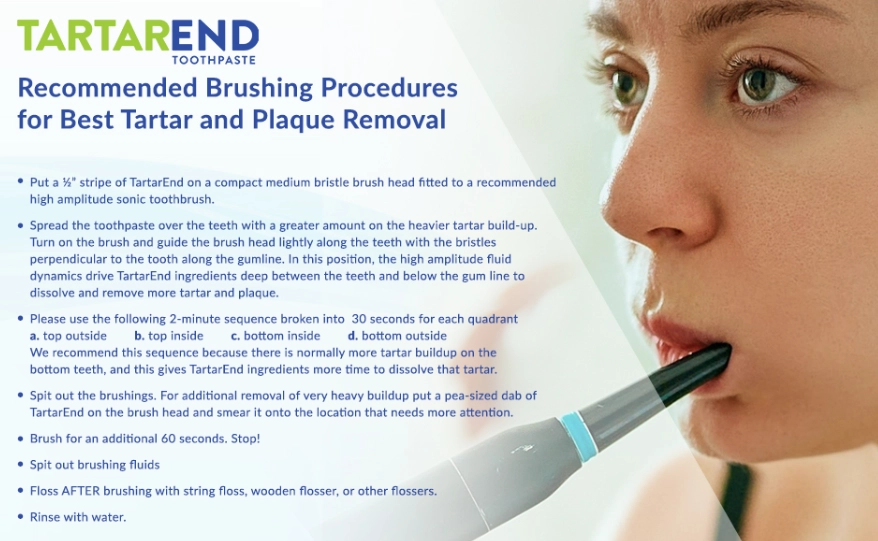
Expert Reality Check: A huge mistake beginners make is pressing too hard, hoping to blast off tartar in one go. This can damage your enamel or gums. The first few sessions should be gentle explorations. Focus on learning the angles and getting the soft plaque off. That alone makes a huge difference in oral cleanliness.
Phase 2: Visible Progress & Tackling Build-up (Week 1 - Week 4)
With consistent use (2-3 times a week), this is where visual changes become more apparent. As your technique improves, you'll start to carefully work on thinner, newer layers of hardened tartar. You might successfully flick off a small, thin piece. The color of your teeth near the gums may appear brighter as surface stains on the plaque are removed.
Your gums might also start to feel better. Reduced plaque means less irritation. If you had mild gum bleeding when brushing, you may see it decrease. This phase is about cumulative improvement. Each session builds on the last.
Phase 3: Maintenance Mode & Refinement (Month 2 and Beyond)
By now, you've likely removed a significant amount of accessible supragingival tartar (the kind above the gum line). Your teeth should feel consistently smooth. The "before and after" when you look in the mirror is clear. You've entered maintenance mode.
Here, the goal shifts from major removal to prevention. You might use TartarEnd just once a week or every other week to catch any new plaque before it mineralizes. This is the long-term benefit—preventing the thick, stubborn deposits from forming in the first place, potentially extending the time between professional cleanings.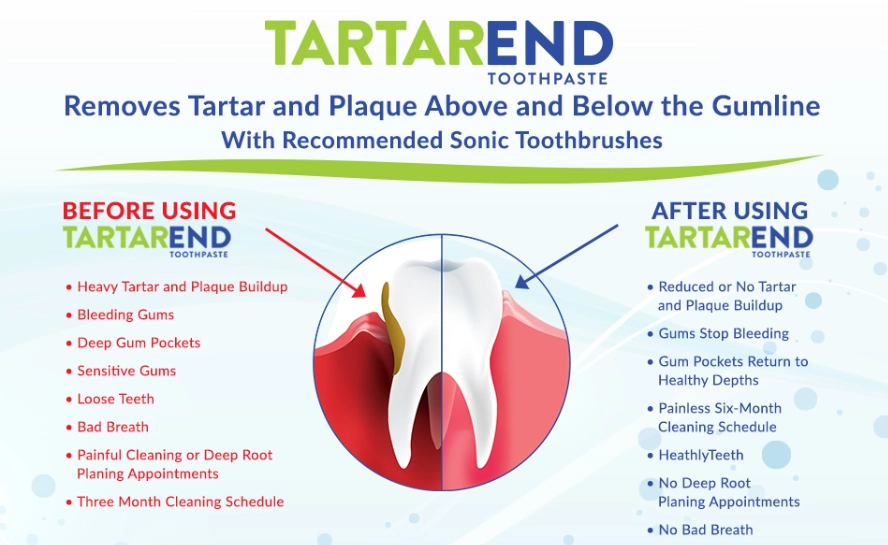
To make this clearer, here’s a table summarizing the TartarEnd results timeline for different user types:
| Timeframe | User with Mild Plaque | User with Moderate Tartar Build-up | Primary Focus & Notes |
|---|---|---|---|
| First Use | Immediate smooth feeling, clean teeth sensation. | Noticeable smoothness on some surfaces, minor visual improvement. | Learning tool angles. Removing soft plaque. Do NOT rush. |
| 1-2 Weeks | Teeth feel polished, gums may feel healthier. | Visible reduction in surface stains, may begin to gently address thin tartar edges. | Consistency is key. Technique improves. Focus on gentle, scraping motions. |
| 1 Month | Maintenance routine established. Excellent oral feel. | Clear visual improvement. Some tartar removal likely achieved on front teeth. | Maximum visual "before and after" often seen here for moderate cases. |
| Ongoing (2+ Mos) | Preventative tool. Keeps teeth plaque-free between brushes. | Maintenance of progress. Slower, careful work on remaining accessible deposits. | Goal is prevention. Understanding that deep subgingival tartar requires a dentist. |
What Affects How Fast You See Results?
Your personal TartarEnd results timeline isn't set in stone. These factors play a huge role:
- The Severity and Location of Your Tartar: This is the biggest variable. Thin, recently formed calculus on your lower incisors will come off much faster than thick, old deposits on the back of your molars. Tartar below the gum line (subgingival) is impossible to remove safely at home and requires a dental hygienist.
- Your Consistency and Technique: Using it once and forgetting about it for a month won't work. Regular, gentle sessions are far more effective than one aggressive marathon. Proper angling of the tool (keeping the tip as parallel to the tooth surface as possible) is a skill that takes practice.
- Your Overall Oral Hygiene: TartarEnd is a supplement, not a replacement. If you're still skipping flossing and brushing haphazardly, you're just fighting a losing battle. It works best as part of a complete routine.
- The Tool Itself (Blunt vs. Sharp Tips): The metal tips can become dull over time, especially if you're pressing too hard on enamel. A dull tip is less effective. Some users carefully sharpen them, but I recommend following the manufacturer's guidance on tip care and replacement.
How to Use TartarEnd for the Fastest, Best Results
Want to speed up your timeline safely? Follow these steps, which I've refined after making plenty of mistakes myself.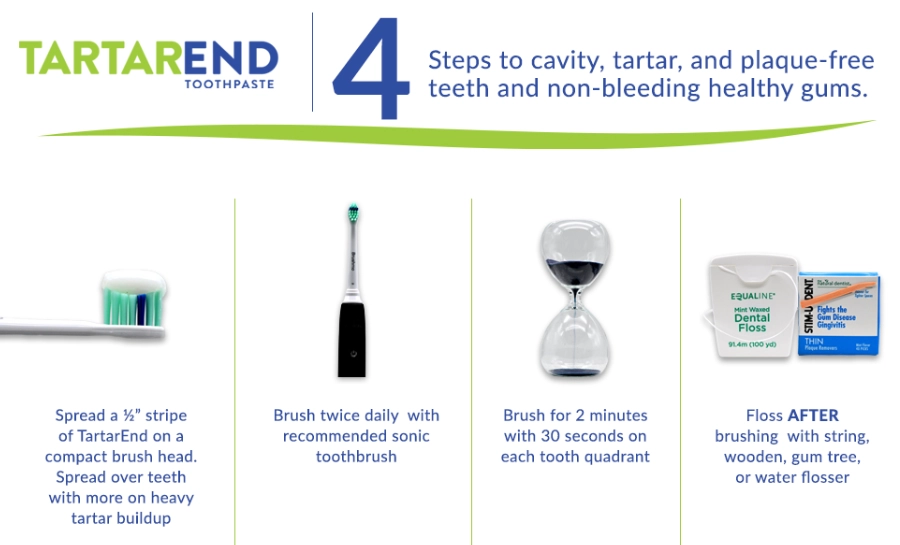
1. Start with a Super-Clean Mouth. Brush and floss thoroughly first. This removes loose debris and soft plaque, letting you focus the scaler on the hardened stuff.
2. Use a Mirror and Good Light. A magnifying mirror is a game-changer. You can't remove what you can't see.
3. Let the Tool Do the Work. This is the golden rule. Use a feather-light touch. Rest your finger on a tooth for stability. Use short, controlled scraping or flicking motions away from the gum tissue. You should hear a faint clicking or scraping sound, not feel like you're digging in.
4. Focus on One Area at a Time. Don't jump around. Systematically work on your lower front teeth, then the uppers, then the sides. You'll get better feedback and see progress more clearly.
5. Rinse Frequently. Rinse your mouth and the tool tip to see what you've dislodged.
6. Know When to Stop. If something doesn't budge after a few gentle attempts, leave it for the next session or for your dentist. Forcing it risks damage. Sore gums or enamel scratches mean your technique is wrong.
I learned the hard way that enthusiasm can backfire. I once got overzealous on a lower tooth, pressed too hard, and ended up with a tiny scratch on the enamel that took weeks to smooth out from remineralization. It was a stark lesson in patience.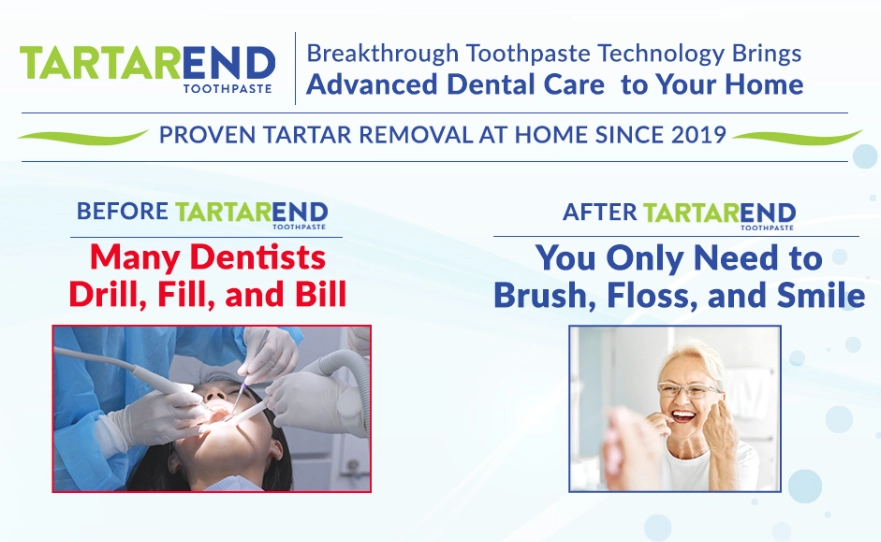
TartarEnd FAQs: Your Questions Answered
Completely normal, and often a good sign. It means you're likely being appropriately gentle and focusing on the soft plaque layer first, which doesn't come off in visible chunks. The initial results are more about the smooth, clean feeling. If you have thick tartar, it takes time to carefully work under its edge to lift it. Impatience here is the enemy of both safety and good results.
Stop immediately on that area. Bleeding indicates you are either pressing too hard, using the wrong angle (jabbing the gum), or that there is underlying inflammation (gingivitis) from the plaque itself. Give your gums a break for a few days, focus on gentle brushing and flossing. When you try again, be extra cautious and ensure the tool is scraping the tooth surface, not the gum tissue. Persistent bleeding warrants a dental check-up.
 How does TartarEnd compare to a professional dental cleaning in terms of time and results?
There's no comparison in terms of speed or completeness. A hygienist with ultrasonic scalers and hand instruments can remove years of heavy tartar—above and below the gums—in 30-60 minutes. TartarEnd is for interim maintenance of supragingival (above-gum) deposits. Think of it as keeping your car clean between professional details. It might take you weeks of careful sessions to achieve what a hygienist does in minutes for major buildup. Its value is in prolonging the clean feeling and slowing tartar reformation, not replacing professional care.
Absolutely, yes. This is the most critical point most guides underemphasize. Enamel is incredibly hard but does not regenerate. Scratching or gouging it with metal is permanent. Over-scraping, especially in the same spot daily, can lead to grooves, increased sensitivity, and sites more prone to future staining and decay. Limit sessions to 2-3 times per week max, and always use a light touch. If you're using it every day, you're almost certainly overdoing it.
If your sensitivity is caused by tartar buildup near the gumline (which can sometimes insulate the tooth), you might feel improvement as that material is removed and the gum health improves. However, if you scrape the root surface (which is much softer than enamel) or aggravate the gums, you can increase sensitivity dramatically. Proceed with extreme caution. Use the bluntest tip available, avoid scraping at the gumline itself, and consider using a toothpaste for sensitive teeth for a few weeks before even starting. When in doubt, talk to your dentist first—they can identify the cause of your sensitivity.
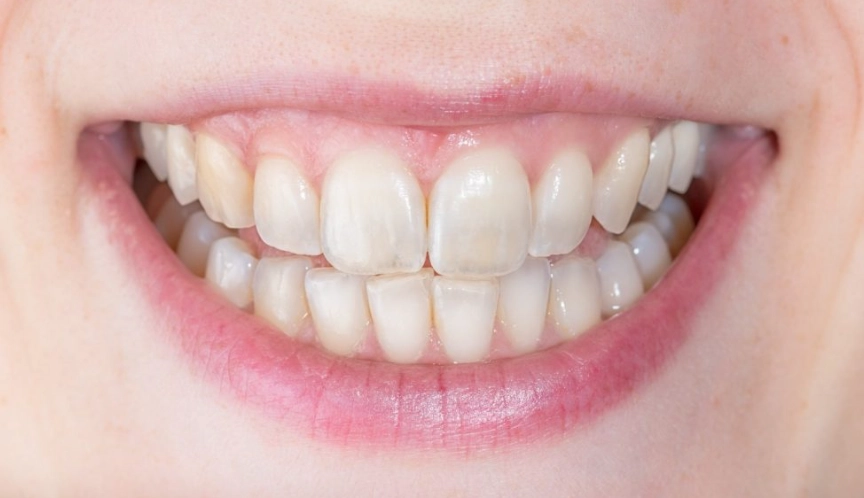 So, how long does it take for TartarEnd to work? You'll feel a cleaner mouth almost immediately. You'll see noticeable improvements within a few weeks if you're consistent. But mastering it for long-term oral health is a continuous process. It's a powerful tool for taking control of your plaque between dental visits, but it demands respect for your teeth and gums. Start slow, be patient, and prioritize technique over speed. That's how you build a TartarEnd routine that delivers lasting results without the regret of causing damage.