That sharp, zinging pain when you sip ice water or bite into something sweet isn't just annoying—it's a signal. Your teeth are telling you something's up. If you're searching for the best toothpaste for sensitive teeth, you've already taken the first step. But here's the truth most articles won't tell you: there isn't one single "best" tube for everyone. The right choice depends entirely on why your teeth are sensitive in the first place. The best sensitive teeth toothpaste is the one that targets your specific cause and that you'll use consistently. This guide will cut through the marketing hype and explain exactly how these toothpastes work, what to look for on the label, and how to use them properly—because most people get that last part wrong.
Quick Navigation: What You'll Learn
How Does Sensitivity Toothpaste Actually Work?
Let's start with the basics. Tooth sensitivity, or dentin hypersensitivity, happens when the protective outer layer of your tooth (enamel) wears down, or when your gums recede, exposing the layer underneath called dentin. Dentin is full of microscopic tubes (tubules) that lead directly to the tooth's nerve center (the pulp).
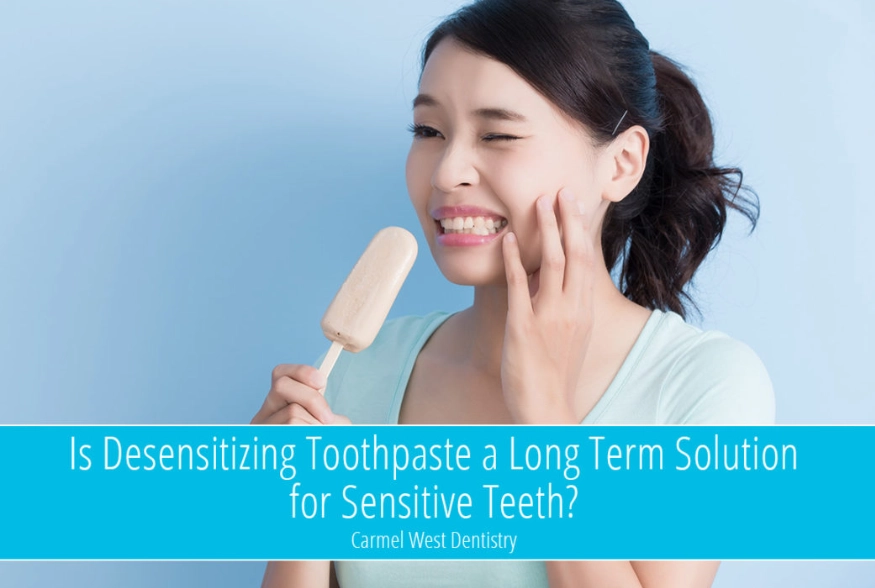
When hot, cold, sweet, or acidic stimuli hit these open tubules, fluid inside moves rapidly, triggering the nerve and causing that familiar jolt of pain.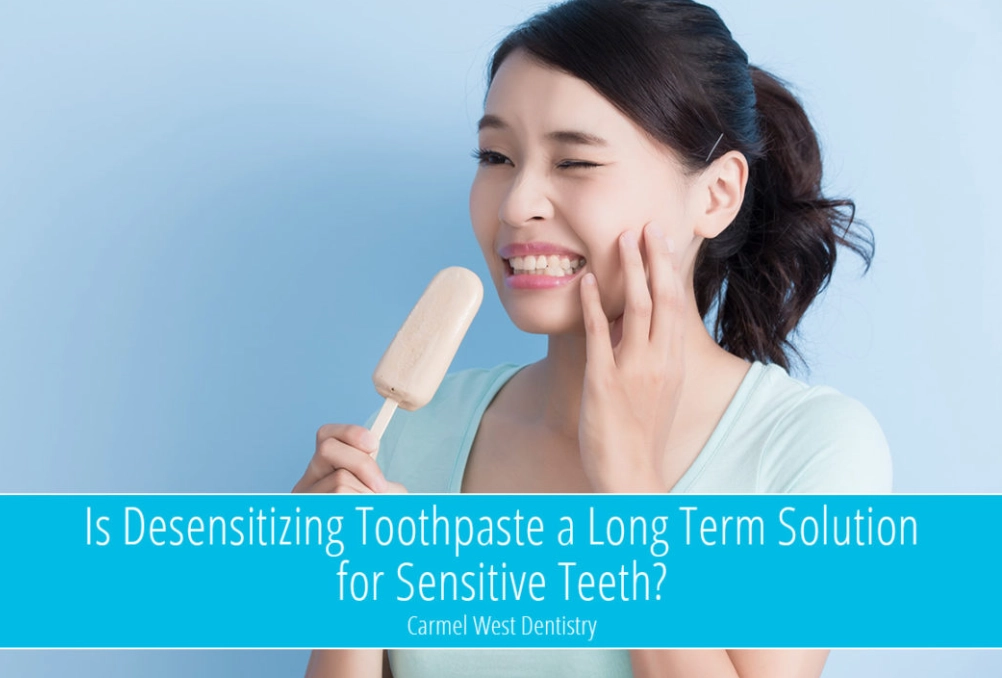
Sensitivity toothpastes work by either of two main mechanisms:
- Nerve Desensitization: Ingredients like potassium nitrate (KNO3) calm the nerve inside the tooth itself, making it less reactive to stimuli. Think of it as turning down the volume on the pain signal.
- Tubule Occlusion: Ingredients like stannous fluoride, arginine, or NovaMin physically plug up those microscopic dentin tubules, creating a barrier. This is like patching up the holes in a leaky pipe.
Some advanced formulas, like those containing stannous fluoride, do both. According to a review published in the Journal of Clinical Dentistry, stannous fluoride is particularly effective because it provides both an immediate barrier and long-term protection against sensitivity triggers.
Key Ingredients to Look For (And One to Be Wary Of)
Don't just grab the first tube that says "for sensitive teeth." Flip it over and read the active ingredients list. Here’s what you’re looking for:
| Active Ingredient | How It Works | Common Brand Examples | Time to Noticeable Relief |
|---|---|---|---|
| Potassium Nitrate | Desensitizes the nerve. A classic, well-studied option. | Sensodyne (many variants), Colgate Sensitive | 2-4 weeks of consistent use. |
| Stannous Fluoride | Occludes tubules & fights bacteria/plaque. Offers dual action. | Crest Gum & Sensitivity, Parodontax for Sensitive Teeth | Can provide relief within days; full effect in weeks. |
| Arginine + Calcium Carbonate | Forms a plug over tubules. Often marketed as "fast-acting." | Colgate Sensitive Pro-Relief (with the Instant Relief formula) | Can provide relief after a single brushing for some. |
| NovaMin (Calcium Sodium Phosphosilicate) | Forms a robust, mineral-like layer over exposed dentin. | Sensodyne Repair & Protect, some dental-office brands | Builds over several brushings; full effect takes time. |
| Fluoride (Sodium Fluoride or Sodium Monofluorophosphate) | Strengthens enamel to prevent further wear, indirectly helping sensitivity. | In almost all sensitivity toothpastes as a secondary active agent. | Long-term protection, not immediate relief. |
Now, about that ingredient to be wary of: Sodium Lauryl Sulfate (SLS). SLS is a foaming agent found in many toothpastes. For some people with sensitive mouths or canker sore tendencies, SLS can be an irritant. It doesn't cause sensitivity itself, but it can exacerbate discomfort. If you find your mouth feels raw or more sensitive after brushing, try an SLS-free sensitive toothpaste (many Sensodyne variants are SLS-free).
I've seen patients switch to an SLS-free formula and report less general mouth irritation, even if their core tooth sensitivity took the normal few weeks to improve with the active ingredient.
How to Choose Your Ideal Sensitivity Toothpaste: A Practical Guide
This is where you need to play detective. Ask yourself a few questions:
What's Your Main Goal?
Is it purely to stop the zing? Or do you also see gum issues?
- For pure, classic nerve sensitivity with hot/cold/sweet: A potassium nitrate formula is a reliable, proven starting point.
- If you have gum sensitivity, recession, or bleed easily: Go for a stannous fluoride toothpaste. It's anti-inflammatory and fights the bacteria that cause gingivitis, which often accompanies gum recession. Crest Gum & Sensitivity is a top contender here.
- If you want potentially faster relief: Look for arginine-based formulas (like Colgate Sensitive Pro-Relief) which are designed to work quickly.
Do You Have Other Oral Care Needs?
Sensitive teeth don't exist in a vacuum. You might also want whitening, tartar control, or fresh breath.
My non-consensus take? Prioritize sensitivity control first, aesthetics second. A pain-free smile is better than a slightly whiter but painful one. Once sensitivity is managed, you can explore safer whitening options with your dentist.
The "Natural" Question
The "natural" oral care market is booming. If you prefer this route, look for formulas with hydroxyapatite—a biomimetic mineral that rebuilds and strengthens enamel. It's gaining serious traction in dental research as an effective desensitizing and remineralizing agent. Brands like Boka or RiseWell use it. Just ensure it's the main active ingredient and not just a marketing sprinkle.
How to Use Sensitivity Toothpaste Correctly (This is Critical)
Here's the biggest mistake I see: people using sensitivity toothpaste like regular toothpaste. It's not a mouthwash you rinse away. The active ingredients need time to work.
The Right Way:
- Use a soft-bristled brush. Medium or hard brushes are your enemy if you have sensitivity or gum recession.
- Apply a pea-sized amount. More paste doesn't mean more relief; it just makes you foam more and want to rinse sooner.
- Brush gently for two minutes, paying extra attention to the sensitive areas and the gumline.
- Here's the crucial part: Spit, but DO NOT RINSE. Don't swish with water. Don't use mouthwash immediately after. Just spit out the excess foam. This leaves a protective film of the active ingredients on your teeth to keep working.
- Avoid eating or drinking for at least 30 minutes after brushing.
Not rinsing feels weird at first. You'll get used to it. This simple change can double the effectiveness of your toothpaste.
Also, consistency is everything. These toothpastes aren't instant fixes. You need to use them twice a day, every day, for at least two to four weeks to build up effective protection. Skipping days resets the progress.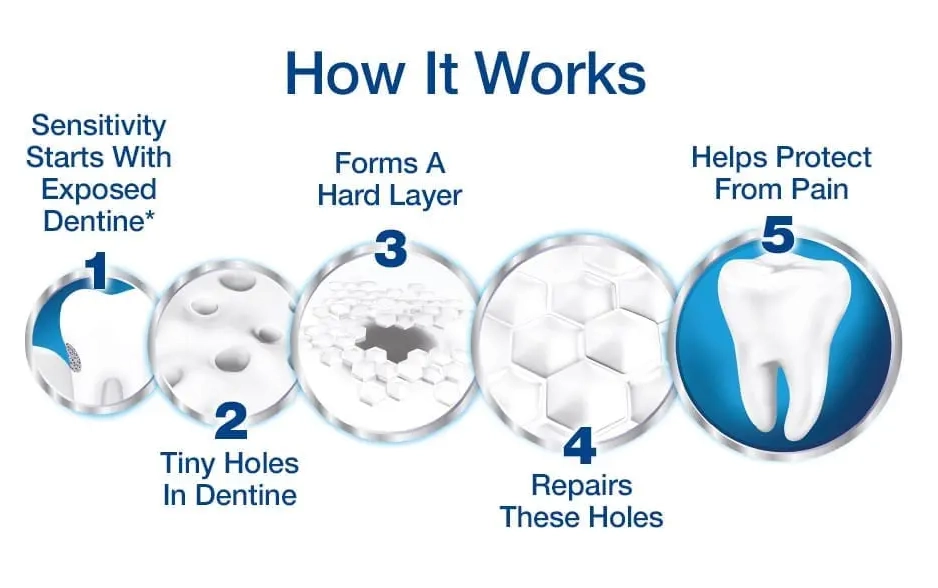
Your Sensitive Teeth Questions Answered
 Is sensitive teeth toothpaste safe for everyday use?
 Finding the best toothpaste for your sensitive teeth is a mix of science and personal trial. Start by identifying your likely cause (nerve vs. gum-related), pick a formula that matches it, and most importantly, use it the right way. Be patient. And if the pain doesn't subside, let a professional take a look. That lingering sensitivity could be your mouth's way of pointing to something that needs more than a toothpaste fix.