Quick Guide to Relief
- Why Does a Cavity Hurt So Much? (It's Not Just a "Hole")
- Immediate Action Plan: How to Make a Cavity Stop Hurting at Home
- When Home Care Isn't Enough: Professional Treatments That Actually Fix the Problem
- Answering Your Burning Questions (FAQs)
- The Best Strategy: How to Stop Cavity Pain Before It Starts
- Wrapping It Up: Your Pain-to-Peace Action Plan
Ouch. That sharp, throbbing pain in your tooth... you know it's a cavity. It might hit you when you're sipping a cold drink, biting into something sweet, or just trying to get some sleep. The first thing on your mind is pure survival: how do you make a cavity stop hurting, right now? I've been there, pacing the kitchen at 2 AM, willing the pain to go away. It's miserable.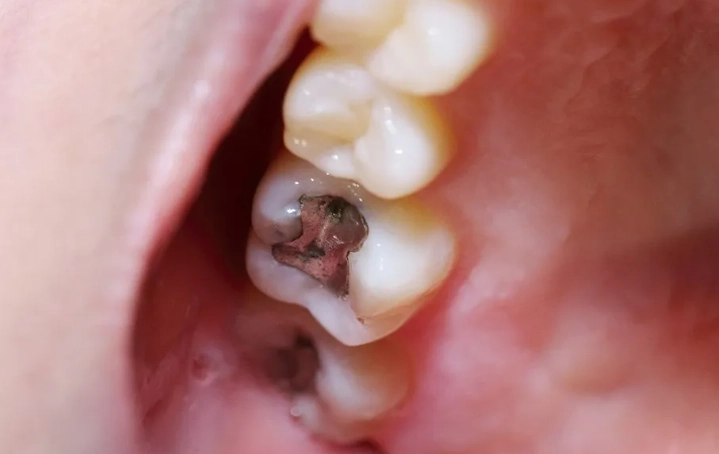
Look, I'm not a dentist, but I've done a deep dive into this, talked to dental professionals, and sorted through a mountain of information (and old wives' tales) to figure out what actually works. This guide is for that moment of panic. We'll cover the quick fixes you can do at home to take the edge off, but—and this is a huge but—we'll also talk about why those are just band-aids. The real answer to making a cavity stop hurting for good involves a trip to the dentist. I know, I know, not what you want to hear. But ignoring it is a one-way ticket to worse pain and a much bigger dental bill.
Why Does a Cavity Hurt So Much? (It's Not Just a "Hole")
Before we jump into the fixes, let's understand the enemy. A cavity (tooth decay) starts when acids from plaque bacteria eat away at your tooth's hard outer shell, the enamel. This stage often has no pain at all. The trouble begins when the decay breaks through the enamel and reaches the next layer: the dentin.
Dentin is full of microscopic tubes that lead directly to the tooth's nerve center (the pulp). When hot, cold, sweet, or acidic stuff touches these exposed tubes, it triggers that familiar zing of pain. It's your tooth's alarm system going off.
If the decay keeps marching on and invades the pulp chamber, that's when you get a whole new level of agony: a throbbing, constant, keep-you-up-all-night toothache. This is often a sign of an infection or abscess. At this point, the question of how to make a cavity stop hurting becomes urgent and usually requires professional intervention like a root canal.
Immediate Action Plan: How to Make a Cavity Stop Hurting at Home
Okay, down to business. You're in pain and need relief now. These are temporary measures to manage the symptoms until you can see a dentist. Think of them as putting out a small kitchen fire while you wait for the firefighters.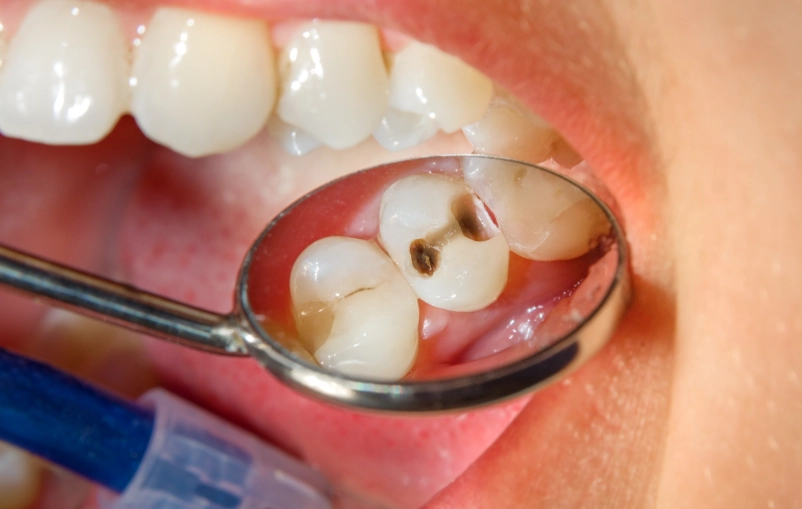
Step 1: Clean the Area (Gently!)
Sometimes the pain is worsened by food particles stuck in the cavity, pressing on the nerve. Try this first:
- Rinse with warm salt water. This is my go-to. Dissolve half a teaspoon of salt in a glass of warm (not hot) water. Swish it gently around the painful tooth for 30 seconds. It helps reduce inflammation, clean out debris, and can temporarily soothe the pain. It's a classic for a reason.
- Floss carefully. Use dental floss to gently remove any trapped food around the affected tooth. Be super gentle—you don't want to jab the sore spot.
- Brush softly. Use a soft-bristled toothbrush and fluoride toothpaste. Brush gently around the area to dislodge any plaque or food.
Often, just cleaning the area can provide a surprising amount of relief. It's the simplest answer to how do you make a cavity stop hurting in the short term.
Step 2: Choose Your Pain Relief Weapon
If cleaning didn't do the trick, it's time for pain relief. Here’s a quick comparison of your main options:
| Method | How It Works / What to Do | Pros | Cons & Cautions |
|---|---|---|---|
| Over-the-Counter Painkillers | Ibuprofen (Advil, Motrin) or Acetaminophen (Tylenol). Follow bottle instructions. | Effective for reducing inflammation (ibuprofen) and pain. Readily available. | Do not exceed dosage. Don't place the pill directly on the gum—it can burn tissue. |
| Topical Numbing Gel | Gels with Benzocaine (like Orajel). Apply a small amount directly to the sore gum/tooth. | Provides localized, fast numbing relief for surface pain. | Effect is short-lived (20-30 mins). Can cause irritation in some. Not for deep inner pain. |
| Cold Compress | Wrap an ice pack in a towel. Apply to the cheek over the painful tooth for 15-min intervals. | Reduces swelling and numbs the area. No chemicals. | Don't apply ice directly to skin or tooth. Indirect relief only. |
| Clove Oil | Dilute 1-2 drops with a carrier oil (like olive oil). Dab on a cotton ball, apply to cavity for a few minutes. | Eugenol in cloves is a natural anesthetic/antiseptic. Can be very effective. | Strong taste. Must be diluted to avoid gum irritation. Temporary fix. |
My personal take? I keep clove oil in my cabinet. The smell takes some getting used to, but when I had a cavity acting up before a weekend appointment, it was the only thing that took the sharp edge off the pain. It's not a miracle, but it helps you get through a few hours.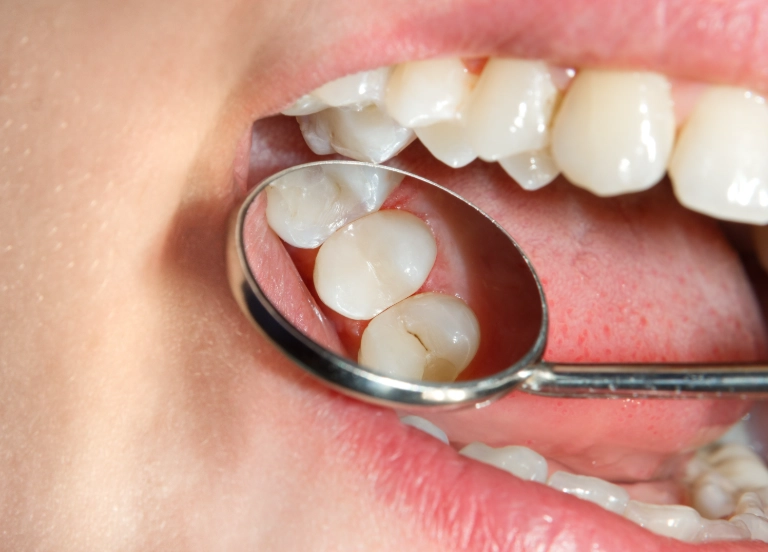
Quick Home Remedy Checklist:
- Salt water rinse - tried it?
- Gentle flossing around the tooth - any trapped food?
- Cold compress on the cheek - 15 minutes on, 15 off.
- OTC pain meds (if you can take them).
- Diluted clove oil on a cotton ball (patch test first!).
Run through these. One of them will usually dial the pain down from a "10" to a manageable "5."
Step 3: Avoid the Triggers
This seems obvious, but when you're desperate for a coffee or a snack, it's easy to forget. Your tooth is hyper-sensitive right now.
- Temperature Extremes: Say no to ice cream, hot soups, and even very cold water. Stick to lukewarm.
- Sugar & Acid: Candy, soda, juice, even very sweet fruit—these will light up the nerve in that cavity like a Christmas tree.
- Hard & Crunchy Foods: Nuts, chips, hard bread. The pressure from chewing can send a shockwave of pain.
Try to chew on the opposite side of your mouth. And if you must drink something cold, use a straw to bypass the tooth if possible.
When Home Care Isn't Enough: Professional Treatments That Actually Fix the Problem
Let's be real. None of the home remedies are magic bullets. They don't fix the hole in your tooth. They just muffle the alarm. To truly make a cavity stop hurting permanently, you need a dentist to remove the decay and seal the tooth. Here’s what that looks like.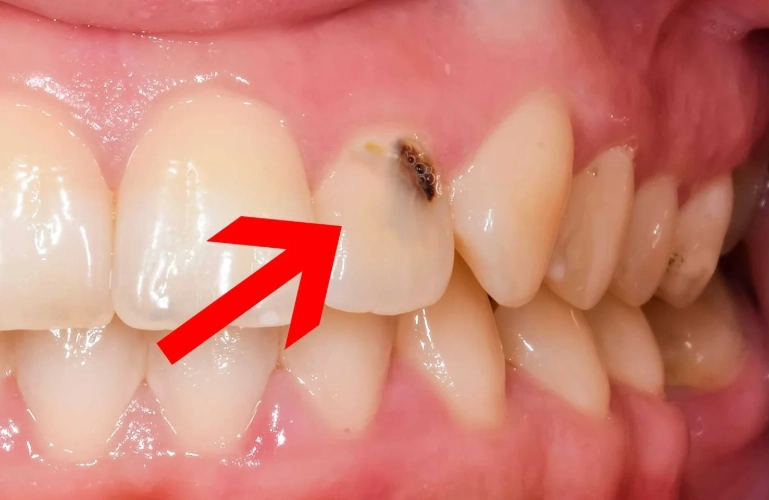
The Standard Fix: Dental Fillings
This is the most common treatment for a typical cavity. The dentist numbs the area, removes all the decayed material with a drill or laser, and fills the cleaned-out space. The filling material (composite resin, porcelain, or amalgam) restores the tooth's shape and function, sealing off those sensitive dentin tubes from the world.
The pain relief is almost immediate once the numbness wears off. The trigger is gone. The American Dental Association has a great resource on the different types of filling materials if you're curious about your options.
For Deeper Trouble: Root Canal Therapy
If the decay or damage has reached the tooth's pulp (the living tissue with nerves and blood vessels), you're likely in severe, persistent pain. A filling won't cut it. You'll need a root canal.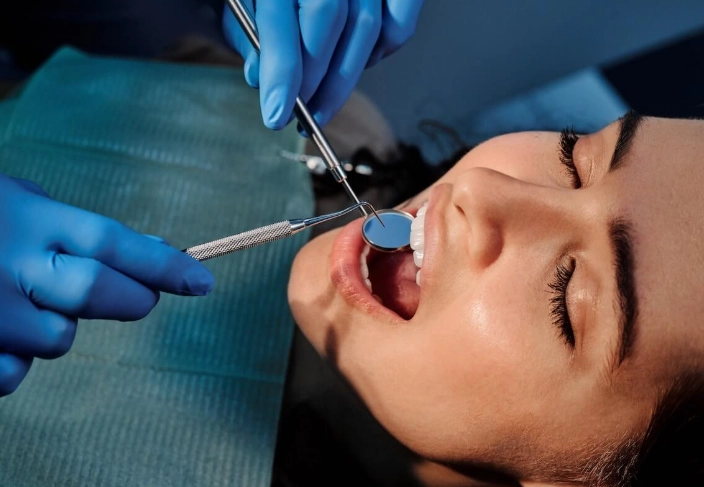
Contrary to its scary reputation, a root canal is a pain-relieving procedure. The dentist removes the infected or inflamed pulp, cleans and disinfects the inside of the tooth, then fills and seals it. Afterward, the tooth is usually capped with a crown for protection. It saves the tooth and eliminates the source of the pain. The American Association of Endodontists explains the process in detail and honestly, demystifies it.
Think of it this way:
A filling patches up the walls of the house. A root canal fixes the broken plumbing inside the walls that's causing a flood.
The Last Resort: Tooth Extraction
If the tooth is too damaged to save, extraction (pulling the tooth) becomes necessary. It's a definitive way to stop the pain, but it creates a new problem—a missing tooth. This can affect your bite, your ability to chew, and the alignment of your other teeth. It's always better to save a natural tooth if possible.
Answering Your Burning Questions (FAQs)
You've probably got a bunch of specific questions bouncing around. Let me tackle the common ones I see and hear all the time.
How long will the pain last after I see the dentist?
For a filling, you might have some sensitivity to hot and cold for a week or two as the tooth settles. For a root canal, some mild tenderness around the area is normal for a few days as the surrounding tissue heals. Your dentist will advise on pain management. If you have severe, worsening pain after a procedure, call them—it could be a sign of a complication.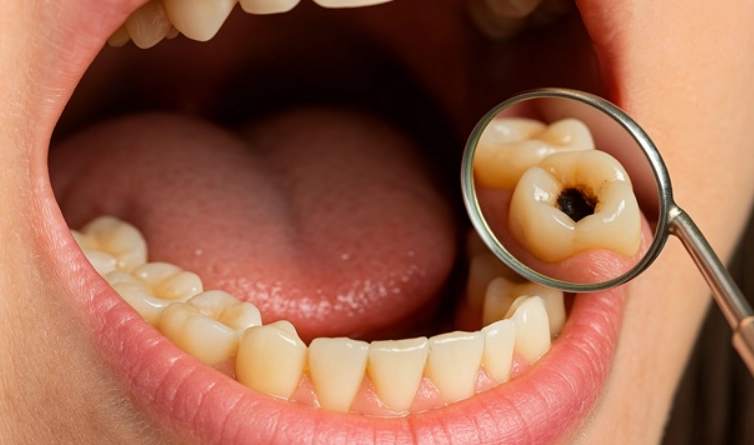
Can a cavity heal on its own?
This is a big one. The short answer is: enamel cannot regenerate once it's gone. However, very early decay that's still in the enamel stage can sometimes be halted and even reversed through a process called remineralization. This involves impeccable oral hygiene and plenty of fluoride. The moment you feel pain, the decay is past this point. The Mayo Clinic discusses early cavity reversal in their overview on cavities/tooth decay.
Is it dangerous to wait?
Yes. Absolutely. A cavity is an active infection. Waiting turns a small, simple filling into a possible root canal, or a root canal into an extraction. In worst-case scenarios, the infection can spread to your jaw, sinuses, or even into your bloodstream (sepsis), which is a life-threatening medical emergency. The pain is your body telling you to fix this now.
What if I'm terrified of the dentist?
You are so not alone. Dental anxiety is real. The key is communication. Tell your dentist and their team you're nervous. Many offices specialize in anxious patients and offer options like sedation dentistry (from mild calming gas to IV sedation) to help you get through the treatment comfortably. Letting a fear of the dentist lead to a mouthful of pain is a terrible trade-off.
The Best Strategy: How to Stop Cavity Pain Before It Starts
I know, I know. This is the boring, preachy part. But honestly, after dealing with toothache hell, this part starts to sound a lot more appealing. Prevention isn't just about avoiding pain; it's about saving time, money, and stress.
Here’s the non-negotiable foundation:
- Brush twice a day with fluoride toothpaste. Don't rush it—two minutes, covering all surfaces.
- Floss daily. Yes, daily. Brushing alone doesn't clean between teeth where cavities love to start.
- Limit sugary/acidic drinks and snacks. If you do have them, don't sip soda all day—have it with a meal and drink water afterward.
- See your dentist for regular check-ups and cleanings. Usually every six months. They can spot and treat tiny cavities before you ever feel a thing. This is the single most effective way to never have to google "how do you make a cavity stop hurting" again.
- Consider fluoride treatments or dental sealants if you're prone to cavities. Your dentist can advise if these are right for you.
Look, I get it. Life gets busy. Flossing feels like a chore. But I promise you, spending two minutes a day on prevention is infinitely better than losing sleep, missing work, and spending thousands on dental repairs later.
Wrapping It Up: Your Pain-to-Peace Action Plan
So, let's bring it all together. When that cavity pain strikes:
- Don't panic. Use the immediate home relief steps (salt rinse, cold compress, OTC meds) to manage the crisis.
- Call your dentist. Seriously, make the appointment. Today. Tell them it's an urgent pain issue.
- Understand that home care is a temporary patch. It will not cure the cavity. Only professional treatment will.
- Follow through with the treatment plan your dentist recommends, whether it's a filling, root canal, or other procedure.
- Use this experience as a motivator to double down on your preventive care routine.
The journey to make a cavity stop hurting starts with quick fixes but ends in the dentist's chair. The pain is a message. Listen to it, take the temporary measures to quiet it down, but then take the definitive action to turn it off for good. Your future self, pain-free and smiling, will thank you.
Take care of those teeth. They're the only set you've got.