You're probably picturing a simple life: horse-drawn buggies, hand-sewn clothes, no electricity. But when it comes to brushing their teeth, what do the Amish use for toothpaste? The answer isn't a single, secret product you can buy in a store. It's a mindset. It's about using what you have, trusting in natural simplicity, and viewing oral care as part of overall health, not a separate cosmetic ritual. Forget minty gels and whitening strips. Their approach is a fascinating mix of historical practicality and ingredients you likely already have in your kitchen.
I've spent time talking with families in several Amish communities, and their dental philosophy consistently surprised me. It's not about deprivation; it's about intentional choice. And while their methods might seem stark to us, they offer powerful lessons for anyone looking to cut chemicals from their daily routine or understand a radically different way of life.
What You'll Find in This Guide
The Core Philosophy Behind Amish Oral Care
To understand what the Amish use for toothpaste, you first have to understand why. It's not an accident. Three main principles guide their choices:
Simplicity and Self-Sufficiency (Gelassenheit): This German term is key. It means yielding to the community and a higher order, which translates to avoiding modern, commercial complexities. Why buy a specialized tube filled with unpronounceable ingredients when baking soda from the pantry works? Making do is a virtue.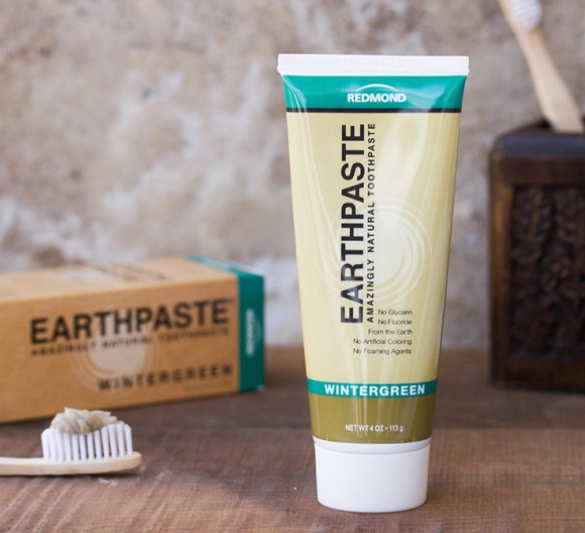
Separation from the World: Commercial toothpaste is a product of the "English" (their term for non-Amish) world. Its advertising, focus on beauty standards (like ultra-white teeth), and complex supply chain conflict with Amish values. Rejecting it is a conscious act of cultural boundary-setting.
Focus on Function Over Form: The primary goal is clean, healthy teeth and gums—not necessarily breath that smells like a winter forest or a Hollywood smile. If a method prevents cavities and gum disease effectively, it's good enough. Aesthetics are secondary.
A Quick Note on Variation: There is no single "Amish Church" rulebook for toothpaste. Practices can vary between communities (called church districts), families, and even individuals. Some may use very basic methods, while others might adopt a slightly more modern natural product if it aligns with their local Ordnung (the set of rules for that community). What follows are the most common, traditional practices.
Common Amish Toothpaste Ingredients & How They Work
So, let's get to the specifics. Here’s a breakdown of what you might find on an Amish bathroom shelf (though they probably don't call it a bathroom).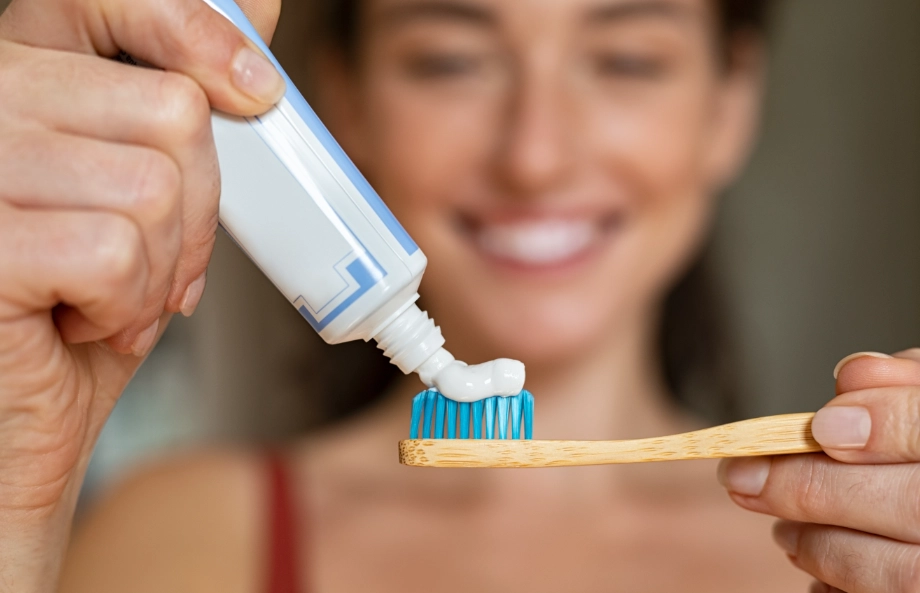
1. Baking Soda (The Universal Stand-In)
This is the number one answer. A small box of baking soda, often just dipped into with a damp toothbrush. It's abrasive enough to scrub away plaque but, when used gently, is considered safe on enamel. It's also alkaline, which can help neutralize acids in the mouth from bacteria and food. The taste is, well, salty and bland. No minty blast here. Some families mix it with a drop of peppermint or wintergreen oil if they have it, but plain is most common.
2. Salt
Another classic. Fine sea salt or table salt is used similarly to baking soda. Its mild antiseptic properties can help soothe gums. A saltwater rinse for sore gums is a common remedy across many cultures, and the Amish use it proactively. The grittiness provides cleaning action.
3. Herbal Powders & Twigs
This is where it gets interesting. Before modern brushes, many cultures used chew sticks. Some Amish, particularly older generations or those on the more conservative end, might remember or occasionally use twigs from trees like black walnut or oak, which have natural astringent properties. More commonly, you might find dried, powdered herbs like:
- Myrrh: Valued for its antiseptic and anti-inflammatory properties.
- Goldenseal: Used for its purported antibacterial effects (though it's a threatened plant, so this is less common now).
- Peppermint or Sage Leaves: Dried and crushed for flavor and freshness.
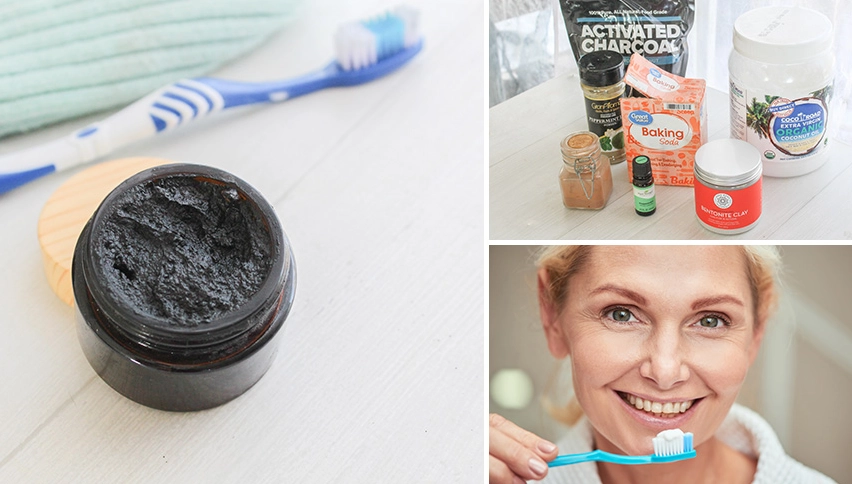
4. The Truly Traditional: Wood Ash or Charcoal
Now we're going way back. Hardwood ash (from a fireplace or cookstove) is an ancient tooth cleanser. The fine particles act as an abrasive, and the ash contains potassium hydroxide (lye), which is a strong cleaner. This is a major point of caution. While historically used, the abrasive and alkaline nature of pure ash can be very harsh on tooth enamel and gums. Most Amish today have moved away from this in favor of gentler options like baking soda, recognizing the potential for damage. The same goes for homemade charcoal—it's messy and abrasive.
Here’s a quick comparison of these core ingredients:
| Ingredient | Primary Role | Amish Perspective | A Modern User's Consideration |
|---|---|---|---|
| Baking Soda | Abrasive cleaner, neutralizer | Cheap, effective, always on hand. | Use gently; can be abrasive if scrubbed hard. |
| Salt | Mild abrasive & antiseptic | Simple, purifying, good for gums. | Can be harsh on sensitive gums or exposed dentin. |
| Dried Herbs (Myrrh, etc.) | Antiseptic, flavoring | Natural medicine from the earth. | Potency varies; not a primary cleaner. |
| Wood Ash | Abrasive cleaner | Historical, uses waste product. | Potentially damaging; not recommended. |
Amish Methods vs. Modern Natural Toothpaste
This is where people get confused. The Amish approach is often lumped in with the modern "natural toothpaste" movement, but they're different beasts.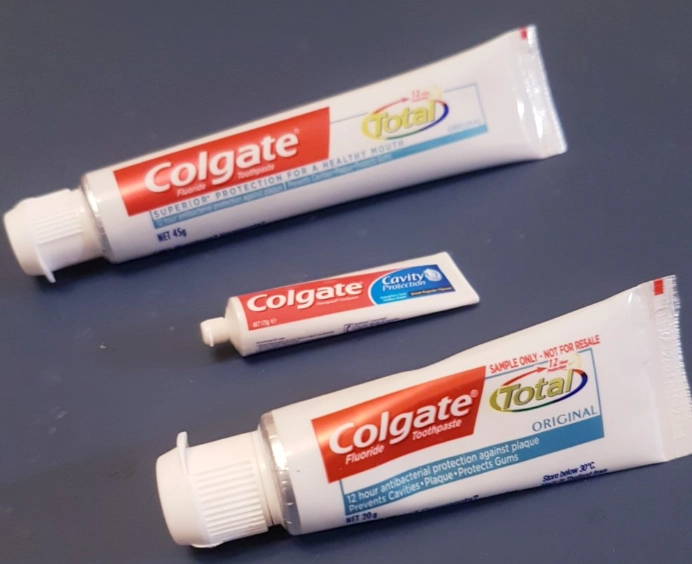
Modern natural toothpastes (the ones you buy at a health store) are still products. They're formulated, packaged, marketed, and sold. They often contain baking soda or charcoal, but they're carefully blended with hydrating agents (like glycerin), foaming agents (often from coconuts), and fluoride alternatives (like hydroxyapatite) to create a user-friendly experience that mimics commercial paste.
The Amish method is not a product. It's the raw ingredient itself. There's no glycerin to make it paste-like, no xylitol to fight cavities, no calibrated abrasiveness. It's the difference between buying a pre-made soup and boiling a potato. Both can feed you, but the experience, nutrition, and effort are vastly different.
One isn't inherently better than the other. The modern natural product offers convenience and a more balanced formulation based on contemporary dental science. The Amish method offers ultimate simplicity, self-reliance, and almost zero cost.
Thinking of Trying It? A Realistic Guide & Safety Notes
Inspired to ditch the tube? Hold on. Jumping straight to using plain baking soda every day is where many well-intentioned people mess up. Here’s my advice, after seeing both good and bad outcomes:
Don't start with abrasives. If you want to incorporate an Amish-inspired practice, begin with the herbal side. Make a strong peppermint or sage tea, let it cool, and use it as a mouthwash. It's beneficial, zero risk, and gets you into the mindset.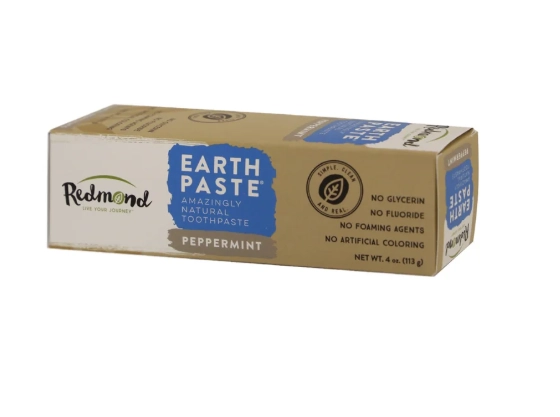
If you try baking soda or salt, do it sparingly. Once or twice a week at most. And for goodness sake, don't scrub. The lack of flavor "feedback" can make you brush harder to feel clean, which is a fast track to wearing down enamel and causing gum recession. Use a very soft brush and a light touch.
The biggest gap: fluoride. This is the non-negotiable for most dentists. Amish diets are typically low in processed sugars, which is their primary cavity defense. If your diet includes modern sugars and acids, foregoing fluoride entirely is a significant risk. Consider using a fluoride toothpaste in the morning and a natural rinse or occasional baking soda brush at night.
Visit a dentist. The Amish do see dentists, especially for extractions and major work. Their preventive methods work within their holistic lifestyle context. Yours is different. Don't use their practices as an excuse to avoid professional care.
Your Questions on Amish Dental Habits Answered
It's a complex picture. Cavity rates aren't necessarily higher across the board. Their traditional diet, low in refined sugars and sodas, is a massive protective factor. However, access to consistent preventive dental care can be a challenge due to cost and transportation, so when problems do arise, they can become serious more quickly. Gum health from abrasive cleaning might be good, but enamel wear can be an issue if methods are too harsh.
Probably not, if you're using it like a regular toothpaste. Baking soda's Relative Dentin Abrasivity (RDA) is lower than some whitening toothpastes, but it's still an abrasive. Daily use, especially with a hard brush or aggressive technique, will gradually wear down enamel. Enamel doesn't grow back. Think of it as a weekly polisher, not a daily driver. The American Dental Association has expressed concerns about its abrasiveness with frequent use.
Yes, this is one area where practicality usually wins. Simple, manual toothbrushes are almost universally used. They are a effective, durable, and inexpensive tool. The idea of avoiding technology isn't about rejecting every object from the outside world, but about rejecting dependency on its systems. A simple brush doesn't create that dependency.
Not traditionally, no. Tooth soap is a more modern invention within the natural health community. Some Amish might use a very pure, castile-style soap for cleaning, but it's not a widespread practice. The strong soapy taste is generally disliked. Their tradition leans much more toward the dry powders (baking soda, salt) or plain water.
Intentionality. They don't just grab what's advertised. They choose a method aligned with their values of simplicity and separation. For us, the lesson isn't necessarily to copy their ingredients, but to be that deliberate. Read your toothpaste label. Understand why you're using it. Is it for fluoride protection? Gum health? If you want to go natural, research the formulations. Don't just adopt a method because it sounds quaint or pure. Your oral care should be a conscious choice, not a passive habit.