Let's cut to the chase. You're sitting there, a dull ache in the back of your mouth has turned into a persistent throb, and your dentist just said the words "root canal." Your first thought, after the initial wave of anxiety, is probably a practical one: How long is this going to take? How many visits? How many hours in the chair? How long until I'm back to eating normally?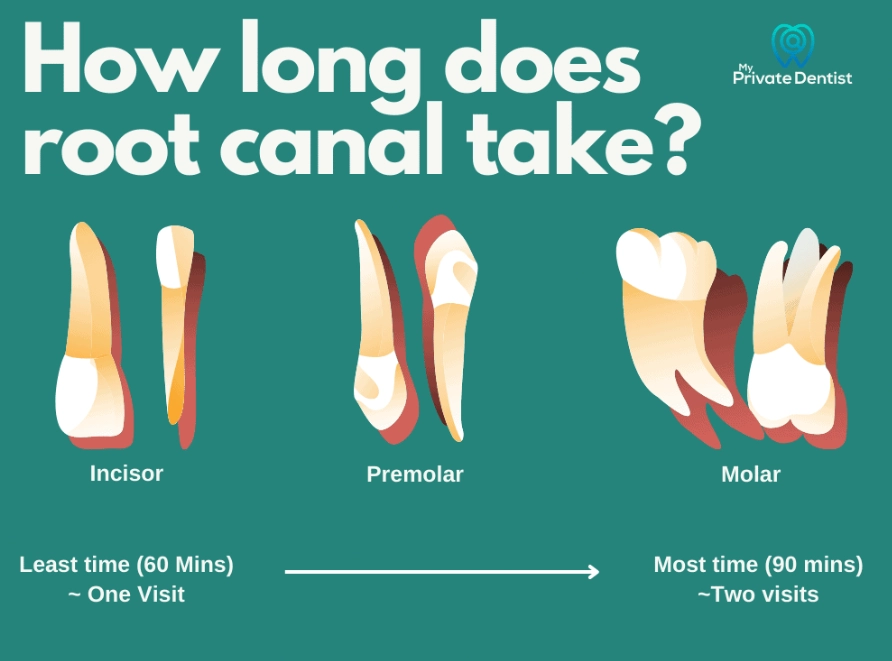
The short, direct answer is this: a molar root canal typically requires one to two visits, with each appointment lasting between 60 to 90 minutes of actual chair time. But that's just the procedure itself. The complete journey—from diagnosis to being fitted with a permanent crown—often spans a few weeks. The total duration isn't a fixed number; it's a timeline shaped by the complexity of your tooth, the presence of infection, and your dentist's approach.
I've seen patients schedule a single afternoon expecting to be done, only to need a follow-up. I've also seen complex cases resolved efficiently in one longer session. The difference often comes down to details most articles don't bother explaining.
In This Article: Your Quick Guide
Why a Molar RCT Takes the Time It Does
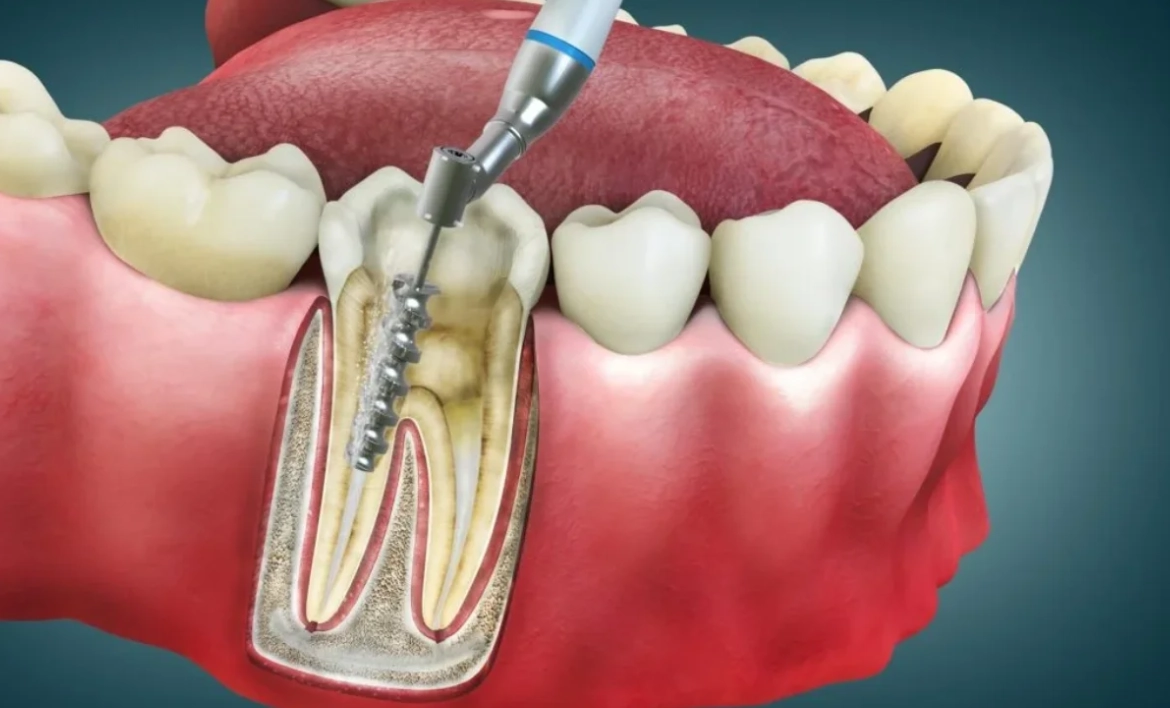
Think of your molar as a complex, multi-room fortress. A front tooth might have one root canal. A molar, especially a lower one, commonly has two, three, or even four. Each of these "canals" is a tiny, winding tunnel inside the root that housed the nerve and blood supply (the pulp).
The goal of endodontic therapy isn't just to yank out the bad stuff. It's a precise, microscopic cleaning mission. We need to:
- Completely remove all infected or dead pulp tissue from every canal.
- Shape each canal so it can be effectively sealed.
- Disinfect the entire internal chamber.
- Fill and seal the space to prevent re-infection.
Rushing this process is the number one cause of treatment failure. Miss a canal, leave behind some debris, or get a poor seal, and you're looking at a re-treatment or an abscess down the line. The time spent is an investment in the tooth's long-term survival. A common misconception I fight daily is that a root canal "kills" the tooth. A successful one actually removes the infection to save the tooth structure. The crown that comes later restores its function.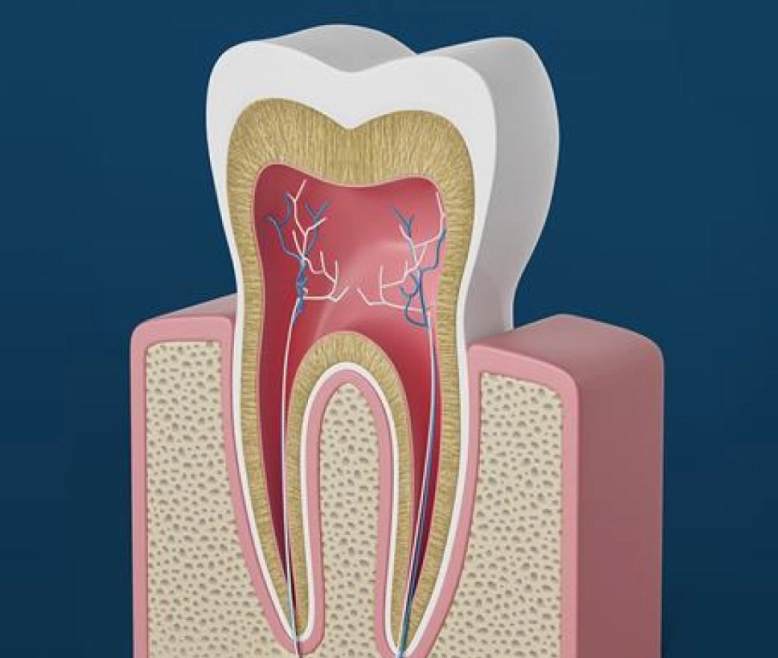
The Molar RCT Timeline: A Step-by-Step Breakdown
Here’s a realistic look at what the clock actually measures during treatment. This table compares the common single-visit and multi-visit approaches.
| Stage | Single-Visit RCT (Approx. 90-120 mins chair time) | Multi-Visit RCT (Visit 1: 60-90 mins, Visit 2: 30-60 mins) |
|---|---|---|
| 1. Anesthesia & Setup | 10-15 minutes. Numbing the area thoroughly is crucial for comfort. | 10-15 minutes (per visit). |
| 2. Access & Isolation | 10 minutes. Creating an opening in the tooth crown and placing a rubber dam to keep the area clean and dry. | 10 minutes (first visit). |
| 3. Pulp Removal & Cleaning | 30-50 minutes. The core of the procedure. Using small files to clean each canal. This is where tooth anatomy matters most. | 30-40 minutes (first visit). The canals are cleaned and shaped, then medicated. |
| 4. Disinfection & Drying | 10 minutes. Flushing with antibacterial solutions. | In first visit. A temporary medication is placed inside for 1-2 weeks. |
| 5. Filling & Sealing | 20-30 minutes. Filling the empty canals with a rubber-like material (gutta-percha). | 20-30 minutes (second visit). Done after removing the temporary medication. |
| 6. Temporary Restoration | 5-10 minutes. Placing a sturdy temporary filling. | 5-10 minutes (second visit, after filling). |
The gap between visits in a multi-visit approach is usually 1 to 2 weeks. This allows time for any persistent infection to be cleared by the intracanal medication, especially useful if there was a large abscess or persistent symptoms. The temporary filling placed after the first visit must be robust. I tell my patients to avoid chewing hard or sticky foods on that side—a temporary filling failing is a fast track to re-contamination and more treatment time.
Key Factors That Determine Your Root Canal Timeline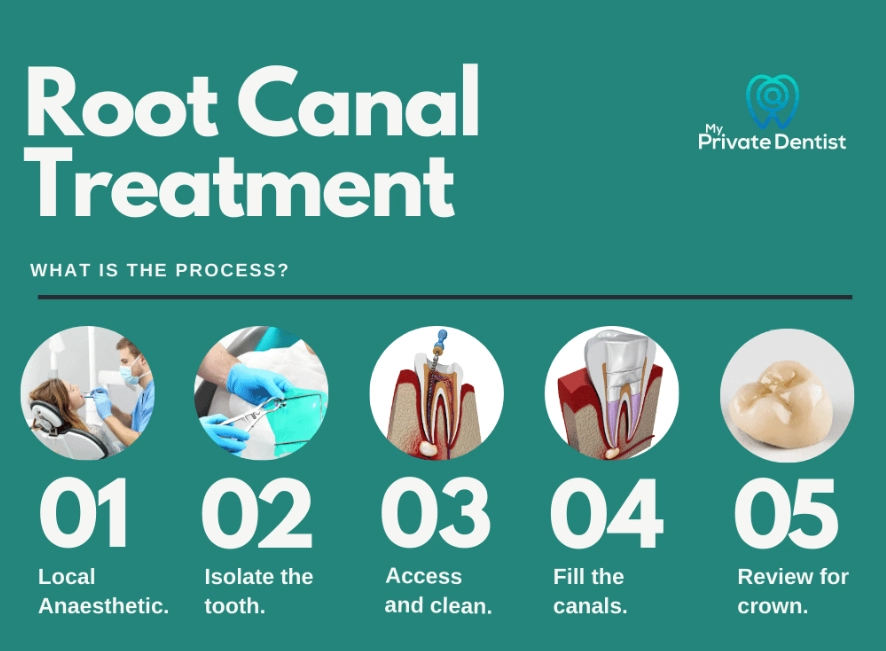
Why might your neighbor's root canal have taken one visit while yours needs two? It’s rarely about the dentist's speed. It's about the tooth's story.
Tooth Position and Anatomy
Upper molars often have three canals, but one of them (the MB2 canal) can be fiendishly small and hard to locate. Missing it is a classic error. Lower molars usually have two roots, but the canals inside can curve sharply, requiring more time to navigate properly. A calcified canal, where the canal space has hardened with age or trauma, turns the procedure into an archaeological dig—it adds significant time.
The State of Infection
A tooth with a simple inflamed pulp (irreversible pulpitis) is often a candidate for a single-visit RCT. A tooth with a large, draining abscess (apical periodontitis) is a different beast. The infection has spread beyond the tooth's tip. In these cases, I almost always opt for a two-visit approach. Putting a permanent seal over an active, wet infection is asking for trouble. The medication placed between visits helps dry and disinfect the bone around the root.
Dentist's Expertise and Technology
This is the subtle factor. An endodontist (a root canal specialist) with a dental operating microscope can often work more efficiently and locate complex anatomy faster than a general dentist without one. Digital imaging and rotary instruments also speed up the cleaning and shaping process. However, more technology doesn't always mean less chair time—sometimes it means the dentist can confidently tackle a more complex case in one visit that others would split in two.
Here’s a personal take: A dentist who quotes you a flat, guaranteed "45-minute root canal" for a back molar is likely cutting corners or has already decided to refer complex cases out. Good dentistry respects the variability of biology.
What Happens After: Recovery and Final Steps
The root canal procedure is only half the battle for a molar. This is critical and where many patients get confused about the total time commitment.
Your molar is now structurally weaker. Think of it like a hollowed-out tree. It needs a crown—a custom-fitted cap—to protect it from the immense chewing forces at the back of your mouth. Skipping the crown is the single biggest mistake you can make after a successful RCT. I've seen too many patients return months later with their precious root-canaled tooth split down the middle because they thought the crown was an optional expense. It's not. It's a non-negotiable part of the treatment.
So, your complete timeline looks like this:
The Complete Molar RCT & Crown Timeline:
- Day 1: Consultation, X-rays, Diagnosis.
- Week 1-2: Root Canal Treatment (1 or 2 visits).
- Immediately After RCT: A few days of mild soreness is normal. You can usually return to work/school the same or next day.
- Week 3-4: Once healed from the RCT, you return for crown preparation (impressions taken, temporary crown placed). This visit takes about 60-90 minutes.
- Week 5-6: Final crown cementation appointment (about 30 minutes).
From first ache to final crown, you're looking at a 4 to 8 week process for most straightforward cases. Complex cases with healing complications can extend this.
Your Root Canal Time Questions, Answered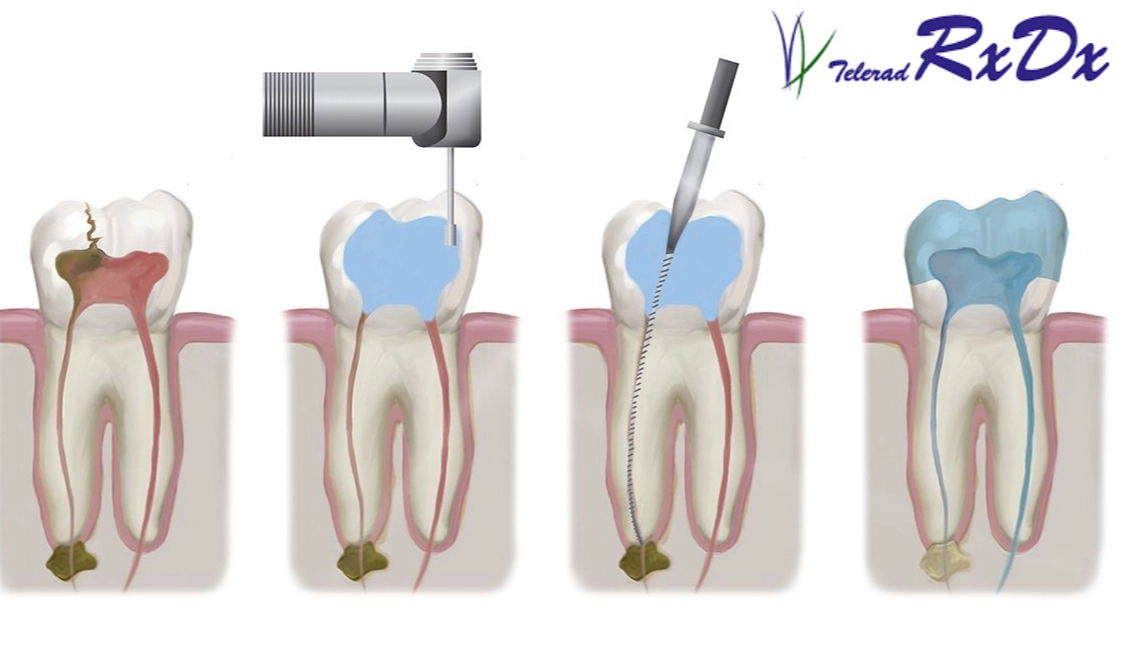
Is the actual root canal procedure painful?
With modern local anesthesia, you should feel pressure and vibration, but not sharp pain. The reputation for pain comes from the era before effective numbing agents and from the pain of the infection itself before treatment. If you're feeling pain during the procedure, tell your dentist immediately—they can administer more anesthetic.
I'm really busy. Can I demand a single-visit root canal?
You can discuss it, but your dentist's recommendation should carry significant weight. Pushing for a single visit on a tooth with a large abscess or complex anatomy increases the risk of failure. A failed root canal means more time, more money, and possibly losing the tooth. Sometimes, the slower two-visit path is the faster way to a permanent solution.
Why does the crown take so long after the root canal is done?
Two reasons. First, the lab needs about two weeks to fabricate your custom, high-quality crown. Second, it's wise to allow a short period (a week or two) after the RCT to ensure the tooth is symptom-free and healing properly before preparing it for the crown. Preparing a tooth for a crown is irreversible—you want to be sure the foundation is solid first.
 How long will I be numb after the appointment?
The local anesthesia typically lasts 2-4 hours. For lower molars, which are close to a major nerve, you might experience lingering numbness or a "fat lip" feeling for 4-6 hours. Avoid hot drinks and chewing on that side until sensation fully returns to prevent accidentally biting your cheek or tongue.
My dentist said I need to see an endodontist. Will that take longer?
It might mean a slightly longer wait to get an appointment, as specialists are in high demand. However, the actual treatment time in the chair might be similar or even shorter due to their advanced tools and focus. The referral is usually made because your case has complexities (severe curvature, calcification, re-treatment) where the specialist's expertise gives you the highest chance of success, saving you time and hassle in the long run.
The bottom line on molar root canal time is to think in terms of phases, not just minutes in the chair. A successful treatment is a partnership where your dentist manages the biological complexity, and you manage the timeline expectations. Investing the proper time upfront—whether that's 90 minutes or two separate hours—is what grants a molar a second life, potentially lasting you decades.