Let's cut to the chase. You've seen the ads: "Dazzling white teeth in just 2 minutes!" It sounds too good to be true, and for the most part, it is. As someone who's tried nearly every home whitening method over the past decade, I can tell you that the "2-minute" claim is more marketing magic than dental miracle. But that doesn't mean quick, effective home whitening is impossible. The real story is about understanding what "2 minutes" actually refers to, managing your expectations, and using the right techniques to get noticeable results safely. True whitening is a process, but there are legitimate ways to get a quick brightness boost or start an effective short-duration regimen today.
What You'll Find in This Guide
What "2-Minute Whitening" Really Means (It's Not What You Think)
No reputable dentist will tell you that you can transform deeply stained, yellow teeth into a Hollywood white in 120 seconds. The chemistry doesn't work that fast. The active ingredient in most whiteners, hydrogen peroxide or carbamide peroxide, needs time to penetrate the enamel and break down stain molecules.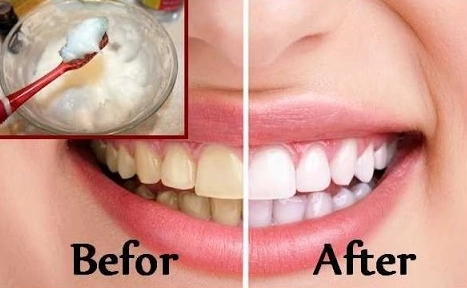
So where does the "2 minutes" come from? It typically refers to one of two things:
1. The Daily Application Time for a Specific Product. Some newer whitening toothpastes, gels, or pens are designed for ultra-short, daily application. Instead of wearing trays for an hour, you brush with a potent paste for two minutes, or apply a gel for 120 seconds before bed. The whitening effect is cumulative over days or weeks.
2. An Immediate "Optical Brightening" Effect. Certain products contain blue covarine or other optical agents. These don't remove stains but coat the tooth with a blue-ish tint that counteracts yellow, making teeth appear instantly whiter. It's like putting on a blue-tinted shirt to make your whites look brighter in the laundry commercial. It's a visual trick, not actual whitening, and it washes away.
Actual Methods That Can Deliver Quick Results
If you need a brighter smile for an event tonight or want a low-commitment routine, here are the categories that can work on a short timeline. I've ranked them by realistic time investment and effectiveness.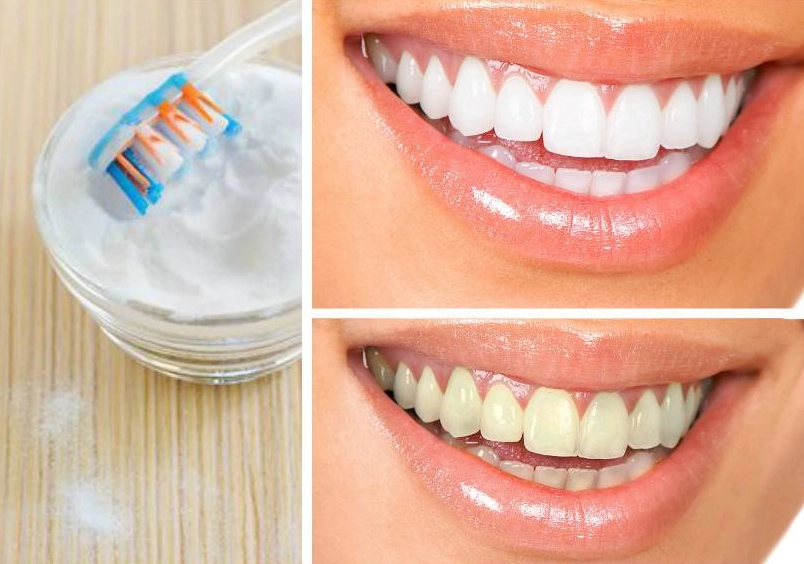
Whitening Toothpaste & The 2-Minute Brush
This is the most literal interpretation of "2-minute whitening." Not all whitening toothpastes are equal. You need one with both gentle abrasives (like hydrated silica) and a low concentration of peroxide (usually around 1%). The key is technique. Don't rush. Spend a full two minutes, gently covering all surfaces. This removes surface stains and allows the peroxide a tiny window to work. It won't change your natural tooth shade, but it can tackle coffee, tea, and wine stains effectively over a week or two. My personal go-to is a toothpaste with fluoride and peroxide – it's a maintenance champion.
Whitening Strips & Gels for Short Contact
Many modern whitening strips are designed for 5-30 minute wear times. For a "2-minute" approach, this is where you need to shift your thinking. You could use a higher concentration gel in a tray for just 2-5 minutes. This is an advanced technique and can be risky. I tried a 16% carbamide peroxide gel for 3 minutes once, and while my teeth looked brighter, the zing of sensitivity was not worth it. I don't recommend it for beginners.
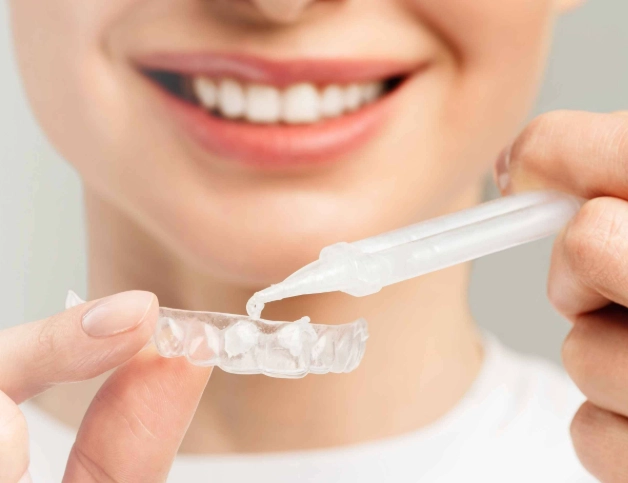
A safer bet is using a standard 6-10% hydrogen peroxide whitening pen. Apply a thin layer and leave it on for 2 minutes before bed, then try not to drink anything. Do this for 7-10 nights in a row. You'll see a difference.
LED Lights & Accelerators: Help or Hype?
Those LED mouthpieces sold online often promise 10-minute sessions. The research, including studies cited by the American Dental Association, is mixed on whether the light significantly boosts peroxide's effect for at-home users. The light might provide a minor thermal effect that speeds up the reaction, but the primary driver is still the peroxide. If a kit includes an LED light and instructs a 10-minute session, it's likely using a lower peroxide concentration for safety. The result is a gentler, slightly longer process, not an instant fix.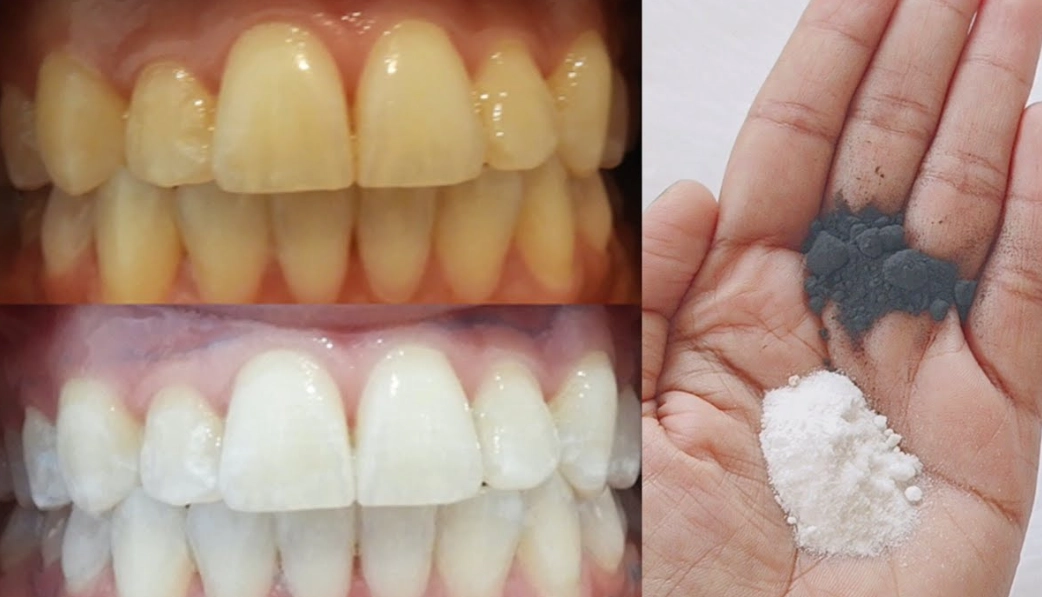
A Real-World Comparison of Popular Whitening Kits & Times
Let's get concrete. Here’s a breakdown of common product types, what "2 minutes" means for them, and what you can realistically expect. This table is based on my experience and manufacturer guidelines.
| Product Type | Typical Active Ingredient | Advertised "Quick" Time | What That Time Actually Means | Realistic Timeline for Noticeable Results |
|---|---|---|---|---|
| Whitening Toothpaste | Abrasives, 1% Peroxide | 2-minute brush | Daily brushing duration. Removes surface stains. | 1-3 weeks of twice-daily use |
| Whitening Pens/Gels | 6-10% Hydrogen Peroxide | 2-5 min application | Daily short-contact therapy. Peroxide works cumulatively. | 5-10 days of consistent nightly use |
| Whitening Strips (Standard) | 5-10% Hydrogen Peroxide | 30 min daily | Full treatment session. Not a "2-minute" product. | 3-7 days (full treatment cycle) |
| LED Accelerator Kits | ~6% Peroxide Gel + Blue Light | 10-min sessions | Combined gel and light exposure time per session. | 5-14 days (depending on sessions) |
| In-Office Whitening | 25-40% Hydrogen Peroxide | 60-90 min appointment | Professional, high-concentration treatment under supervision. | Immediately after one session |
See the pattern? The shorter the contact time, the more days you need to commit. The "2-minute" claim is almost always about a single daily application in a longer regimen.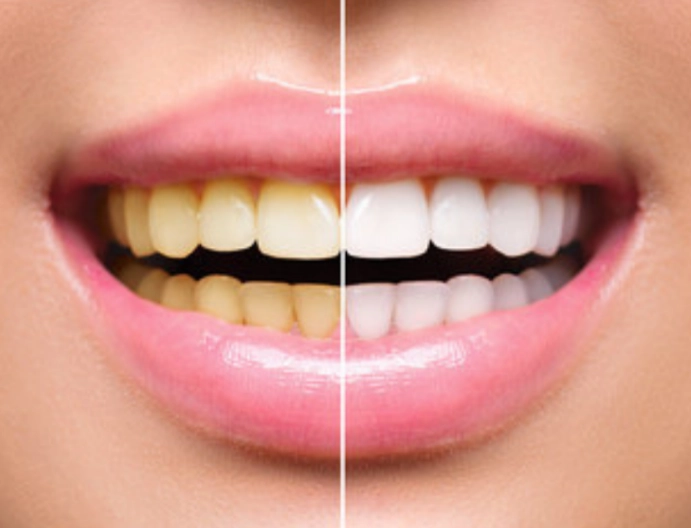
How to Use Quick Whiteners Safely (Avoiding the #1 Mistake)
The biggest error I see people make with any whitener, especially when chasing speed, is overuse. Thinking "if 2 minutes is good, 10 minutes must be amazing" is a direct path to gum irritation and tooth sensitivity that can last for days.
Here’s a safety checklist I follow religiously:
- Read the Timer. If it says 2 minutes, set a phone timer. Do not guess.
- Less Gel is More. For pens or trays, a pea-sized amount or a thin line is enough. Excess gel doesn't whiten better; it just irritates your gums.
- Pre-Check for Cracks. Quick whitening isn't for you if you have unfilled cavities, significant cracks, or exposed dentin. The peroxide will cause serious pain. See a dentist first.
- Hydrate & Protect. Dry teeth are more sensitive. Consider using a sensitivity toothpaste like those with potassium nitrate for two weeks before starting any whitening regimen, as recommended in many dental guides.
- Mind Your Gums. If gel touches your gums, wipe it off immediately with a finger or tissue.
One more pro tip: your results depend heavily on what you eat and drink during the process. If you do a 2-week whitening regimen but drink three cups of black coffee daily, you're fighting a losing battle. Consider using a straw for dark beverages.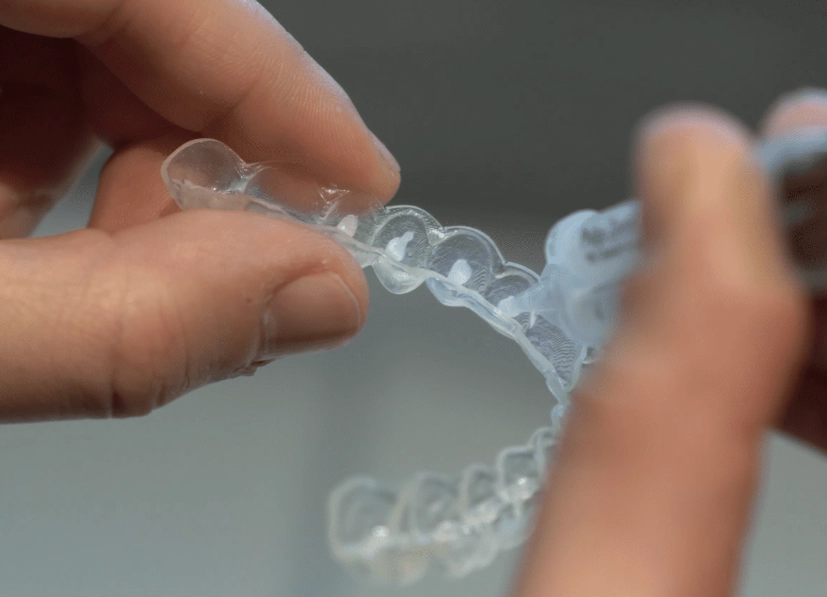
Your Questions on Quick Whitening Answered
So, can you whiten your teeth at home in 2 minutes? Not in the way the flashy ads imply. But you can absolutely start an effective, safe, and relatively fast whitening journey with a product designed for short, daily applications. The real secret isn't a magic timer; it's consistency, realistic expectations, and protecting the health of your teeth while you chase the shine. Skip the drastic hacks, follow the instructions on proven products, and you'll get there.