You won't find "seal teeth" in any official dental textbook. But say it to a seasoned dentist, and they'll know exactly what you mean. It's that visual – smooth, flat, worn-down teeth that have lost their natural bumps and grooves, resembling the uniform, efficient chewing surfaces of a seal. It's not a single disease. It's the quiet, cumulative result of forces acting on your teeth every single day, often without you even noticing.
And that's the problem. By the time you see the flattening or feel a twinge of sensitivity, a significant amount of your precious enamel is already gone. This guide isn't about scare tactics. It's a practical map from a problem that sounds almost cute to the concrete steps you can take to diagnose, halt, and protect against it.
What’s Inside This Guide
What "Seal Teeth" Really Are (It's Not One Thing)
Think of your tooth enamel as the hardest substance in your body, but it's not invincible. "Seal teeth" is the endpoint of two main processes: attrition and erosion.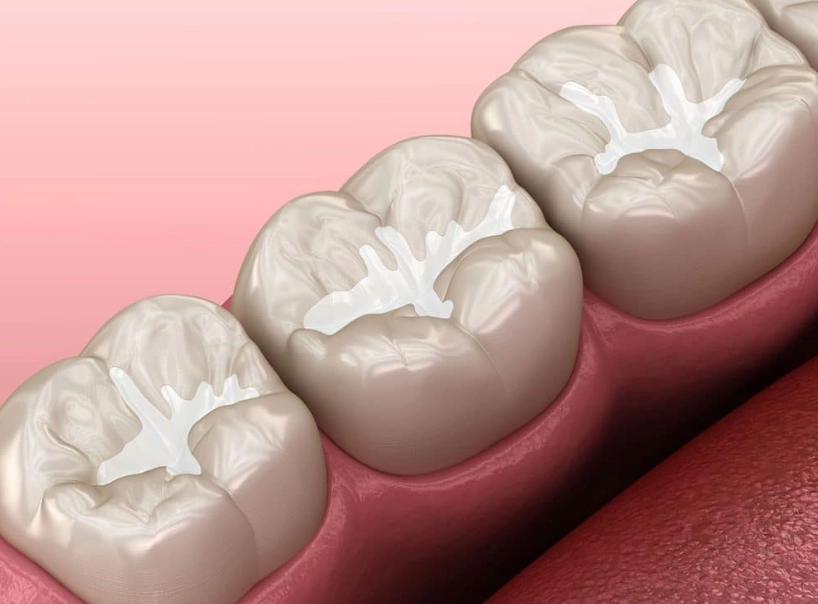
Attrition is mechanical wear from tooth-to-tooth contact. The classic example is bruxism – grinding or clenching your teeth. Imagine taking two pieces of fine-grit sandpaper and rubbing them together for hours every night. That's what happens. The peaks (called cusps) of your molars slowly get filed down.
Erosion is chemical wear from acids. These acids can come from outside your body (extrinsic) like soda, wine, citrus fruits, or even some fancy vinegar-based salad dressings. Or they can come from inside (intrinsic), like stomach acid from GERD or frequent vomiting. The acid softens the enamel, and then simple mechanical action – your tongue passing over it, brushing your teeth, chewing food – washes that softened layer away.
Here’s the expert nuance most blogs miss: It's almost never one or the other. It's a vicious cycle. Someone who grinds (attrition) often has a tighter jaw, which can exacerbate acid reflux at night (erosion). Someone who sips diet soda all day (erosion) weakens their enamel, making it far more susceptible to wear from even normal chewing (attrition). Treating "seal teeth" means untangling this combo.
The 3 Main Culprits Flattening Your Smile
Let's break down the usual suspects. Most people have a primary driver, but the others are often accomplices.
1. Bruxism: The Nighttime Grind (And Daytime Clench)
This is the big one. The American Sleep Association notes that bruxism affects about 10% of adults, but in my experience, the number of mild, undiagnosed cases is much higher. It's not always loud grinding. Silent, intense clenching is just as destructive.
Signs you might be a bruxer: Waking up with a sore jaw or temples. Headaches that feel like a tight band around your head. Your partner hears grinding. You catch yourself clenching your jaw during the day when stressed or focused. Teeth that look short, flat, or have tiny chips on the edges.
2. The Acidic Diet Slow-Drip
This is the stealth culprit. It's not the occasional orange. It's the habit. The all-day lemon water drinker. The person who has a diet soda on their desk from 9 to 5, taking small sips. The wine enthusiast. This constant "acid bathing" is devastating.
A study in the Journal of the American Dental Association has highlighted how frequent exposure to low-pH drinks is a major factor in dental erosion. The enamel doesn't get a chance to remineralize.
The worst offenders aren't always obvious: Sports drinks, sparkling water (especially the flavored kinds with citric acid), white wine, apple cider vinegar shots, some herbal teas.
3. Abrasive Habits & Tools
This is where well-intentioned people cause damage. Brushing too hard, especially with a hard-bristled brush, right after an acidic meal or drink. Using abrasive toothpastes marketed for whitening, every single day. These wear away at enamel already potentially weakened by acid.
Even habits like biting nails, chewing on pens, or using your teeth as tools (opening packages, cracking nuts) contribute to specific, localized flattening and chipping.
| Culprit | Primary Type of Wear | Typical Signs | Often Overlooked Detail |
|---|---|---|---|
| Bruxism (Grinding) | Attrition (Mechanical) | Flat molars, jaw pain, morning headaches | Daytime clenching is often worse than nighttime grinding. |
| Acidic Diet | Erosion (Chemical) | Overall smoothness, translucent edges, cupping on molars | The "sipping habit" is more harmful than consuming the same drink quickly. |
| Abrasive Habits | Abrasion (Mechanical) | Notches near the gumline, worn toothbrush bristles | Electric toothbrush users can still press too hard, accelerating wear. |
The Diagnosis: What Your Dentist Spots That You Miss
You look in the mirror and see teeth. Your dentist looks and sees a history. Here’s what they’re assessing during a check-up that relates directly to "seal teeth":
Shine and Texture: Healthy enamel has a certain luster and texture. Worn enamel looks dull, smooth, and too even. They'll run an explorer (that metal hook) over the surfaces. It should catch on grooves. If it glides smoothly, that's a red flag.
Cupping and Ditching: On the chewing surfaces of molars, you might see little dents or "cups" forming in the center of the tooth. This is where the harder enamel rim remains, but the softer inner dentin wears away faster from acid.
Amalgam Shine: If you have old silver fillings, and they start to look raised and shiny, that's a classic sign. The filling material doesn't erode, but the tooth structure around it does, leaving the filling protruding.
Muscle Palpation: They'll feel your jaw muscles (masseter and temporalis). If they're rock hard and tender to the touch, it's a dead giveaway for significant clenching.
A common mistake is waiting for pain. Sensitivity is a late-stage symptom. By the time the enamel is thin enough for temperature or sweets to trigger a nerve response, you've lost a lot of structure. The visual and tactile clues come much earlier.
Your Action Plan to Stop the Damage
Okay, so you or your dentist have identified the trend. Now what? The goal is to stop the progression. Reversing significant wear requires dentistry, but preventing more is entirely in your hands.
Step 1: The Professional Intervention
Get a Custom Night Guard: If bruxism is involved, this is non-negotiable. Not a cheap boil-and-bite from the pharmacy. A custom, hard acrylic guard made by your dentist distributes the crushing forces and provides a protective barrier. It's the single most effective tool to halt attrition.
Discuss Restorative Options: For already worn teeth, options like dental bonding, veneers, or crowns can restore shape, function, and appearance. This isn't just cosmetic; it's about rebuilding proper chewing mechanics and protecting the remaining tooth.
Medical Consultation: If intrinsic acid (GERD) is suspected, a visit to your GP or a gastroenterologist is crucial. Managing the reflux is managing the erosion.
Step 2: The Dietary Shift
This is about strategy, not deprivation.
- Consume, Don't Sip: Drink acidic beverages with a meal and finish them in a sitting. Use a straw to bypass teeth if possible.

- The 30-Minute Rule: Never brush your teeth immediately after consuming anything acidic. Your enamel is in a softened state. Wait at least 30 minutes for saliva to neutralize the pH and re-harden the surface.
- Rinse & Neutralize: After an acidic food or drink, swish with plain water or milk. A piece of cheese is a great palate cleanser that also helps neutralize acid.
Step 3: The Hygiene Upgrade
- Soft Brush Only: Use a soft-bristled or extra-soft toothbrush. Your gums and enamel will thank you.
- Gentle Technique: Think of brushing as massaging, not scrubbing. An electric toothbrush with a pressure sensor can be a great trainer.
- Toothpaste Choice: Switch to a fluoride toothpaste designed for sensitive teeth or enamel protection. These often have lower abrasivity. Avoid whitening pastes for daily use.
- Floss: Seriously. Healthy gums provide better support for teeth under stress.
Step 4: The Mind-Body Awareness
For daytime clenchers, this is critical. Set random phone alarms labeled "Jaw Check." When it goes off, consciously unclench. Let your teeth sit slightly apart, lips closed, tongue resting on the roof of your mouth. This is the neutral, rest position.
Stress management—whether through exercise, meditation, or therapy—directly reduces the physical tension that fuels bruxism.
Your Top Questions on Seal Teeth, Answered
The journey from a sharp, textured smile to "seal teeth" is a marathon, not a sprint. That's the good news. It means you have time to intervene. Stop looking for a single cause and start thinking about the ecosystem of your mouth—the forces, the chemistry, and the habits. Your next dental check-up isn't just a cleaning; it's a wear-and-tear inspection. Point to your teeth and ask, "Do these look flat to you?" That simple question can start a conversation that saves your enamel, and your smile, for decades to come.