In This Guide
So you've finished your Invisalign treatment. Your teeth are straight, your smile is perfect, and you're done with the whole aligner thing, right? Not quite. Now comes the retention phase, and with it, the million-dollar question: how long do Invisalign retainers last? If you're hoping for a single, neat number, I'm going to disappoint you right away. The answer is messy, personal, and depends on a whole bunch of factors you might not have considered.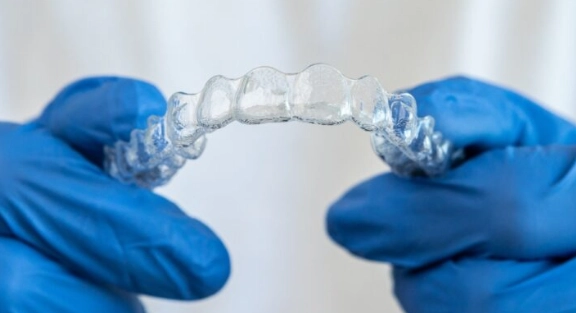
I remember when my orthodontist handed me my first set of Vivera retainers. "Wear these every night," he said. "They should last you a while." "A while" is about as helpful as a screen door on a submarine. I needed specifics. Is it a year? Three years? Five? Turns out, even orthodontists debate this. The official line from Invisalign and most providers gives you a ballpark, but your real-world mileage will vary—sometimes dramatically.
Let's cut through the vague promises and marketing speak. This guide is about the practical lifespan of Invisalign retainers. We'll look at the different types (yes, there's more than one), what really makes them wear out, and the undeniable signs that it's time for a replacement. Because let's be honest, figuring out how long do retainers last Invisalign style is crucial to protecting that investment you just made in your smile.
The Core Dilemma
Your teeth have a biological memory. They want to drift back to where they came from—a phenomenon called relapse. The retainer's job is to fight that memory every single night, indefinitely. The material fatigue from that constant, gentle pressure is what ultimately determines how long do retainers last Invisalign or otherwise.
The Three Main Players: Vivera, Essix, and Hawley
First things first. When people ask "how long do retainers last Invisalign?", they're often talking about the branded Vivera retainers. But your orthodontist might offer other clear plastic retainers (often called Essix) or even traditional wire-and-acrylic Hawley retainers. They're not all created equal, and their lifespans are wildly different.
| Retainer Type | Material & Construction | Official/Estimated Lifespan | Real-World Typical Lifespan | Key Factor for Longevity |
|---|---|---|---|---|
| Invisalign Vivera | Proprietary, multi-layer SmartTrack® material (similar to aligners but thicker). | Designed to be more durable than regular aligner plastic. Often sold in sets of 3-4, with the suggestion to rotate them. | 1 to 3 years per retainer with nightly wear. The multi-set purchase extends total coverage. | Thickness and material science. Resists yellowing and cracking better than generic plastic. |
| Essix / Clear Plastic Retainers | Usually a single layer of PETG or similar thermoplastic. Made in-office or by a lab. | Lab-made: ~2 years. In-office (vacuum-formed): 6 months - 1.5 years. | 6 months to 2 years. Highly variable based on quality and wear habits. | Plastic quality and thickness. Cheaper, thinner ones wear out fast. |
| Hawley Retainers | Acrylic plate with a labial wire and sometimes Adams clasps. | Can last 5+ years, even up to a decade with care. | 5 to 10+ years. The acrylic can stain, but the structure is robust. | Durability of the wire and care of the acrylic (avoiding drops). |
See the range? Asking "how long do retainers last Invisalign Vivera?" gets you a different answer than asking about a generic clear retainer. Vivera has that brand-name premium and material tech behind it, which theoretically should make it last longer than a cheap in-house copy. But I've heard from people whose Vivera retainers cracked in a year, and others with generic ones going strong for two. It's not just the material.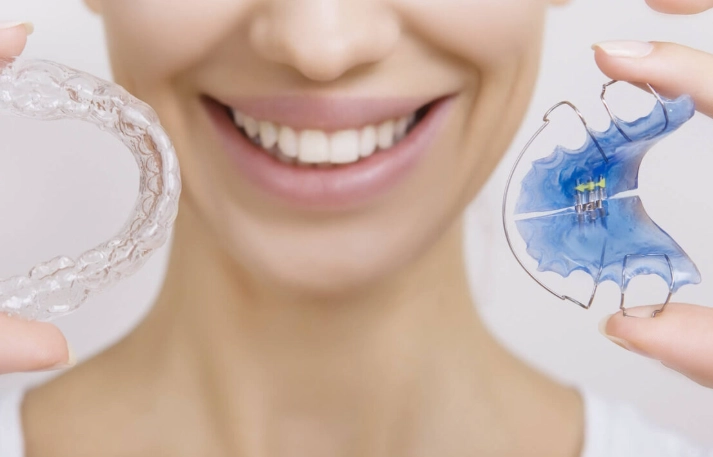
What Actually Determines How Long Your Retainers Last?
The lifespan on the box is a best-case scenario in a controlled lab. Your mouth is not a lab. Here are the real-life factors that chip away at your retainer's life, answering the deeper part of "how long do retainers last Invisalign in practice?"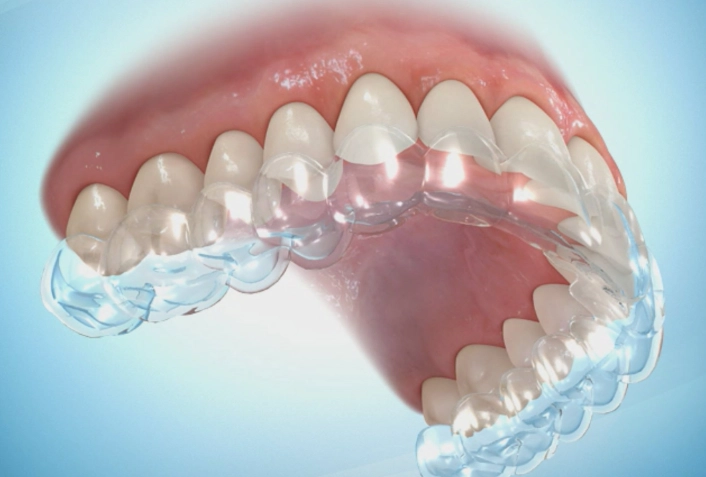
Your Personal Biology and Habits
This is the big one nobody talks about enough.
- Bruxism (Teeth Grinding/Clenching): If you grind your teeth at night, you are a retainer's worst nightmare. The constant, powerful pressure dramatically accelerates wear, stress fractures, and thinning. This is probably the #1 reason for premature failure. A nightguard might be necessary on top of your retainer.
- Acidity of Your Saliva: Sounds weird, right? But some people naturally have more acidic saliva, which can slowly degrade the plastic over time.
- How Forcefully Your Teeth Want to Relapse: If your case involved significant rotation or correction of a deep bite, the pressure from your teeth trying to shift back is constant and strong. The retainer is under more stress from day one.
Grinding Alert: If you wake up with a sore jaw or your partner hears you grinding, assume your retainer's lifespan will be on the shorter end of any estimate. Talk to your orthodontist about a dual-purpose retainer/nightguard or a separate appliance.
Your Care and Maintenance Routine
This is where you have control. Treat your retainer like a disposable piece of plastic, and it will oblige by becoming one quickly.
- Cleaning Method: Brushing with toothpaste is abrasive and causes micro-scratches that cloud the plastic and weaken it. Using hot or warm water can warp the precise fit. Stick to cool water and a soft brush with mild soap or retainer cleaner.
- Storage: Leaving them out on a napkin is a ticket to the trash. They get dirty, dry out, become brittle, and are easily crushed or thrown away. Always use a hard-sided vented case.
- Eating or Drinking with Them: Just don't. Besides trapping food and staining them, the chewing force is immense and can crack them instantly. This isn't an aligner you pop out for meals; it's a long-term device.
Pro-Tip for Longevity: Soak your clear retainers in a 50/50 mix of water and white vinegar for 15-20 minutes once a week. It helps dissolve calcium deposits (that chalky white film) without harsh chemicals. Rinse thoroughly afterwards!
Physical Signs It's Time for a New One (Don't Ignore These!)
Don't just wait for a set number of years. Your retainer will tell you when it's retiring. Here’s what to look for, which directly answers the practical side of how long do retainers last Invisalign for YOU.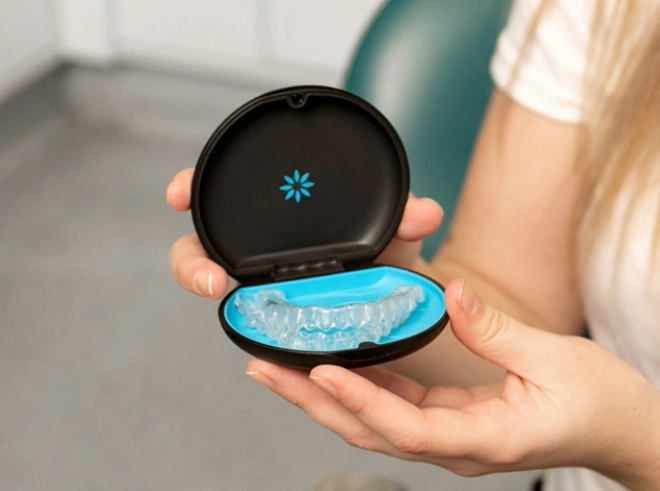
- Visible Cracks, Splits, or Holes: Any breach in the plastic is a fail. Bacteria get in, the structural integrity is gone, and it can snap completely.
- Significant Yellowing or Cloudiness: Some staining is normal. But heavy, ingrained discoloration often coincides with material breakdown and porosity.
- It Feels Loose or Wobbly: When you put it in, does it snap on snugly like it used to, or does it feel like a loose slipper? A loose fit means it's not holding your teeth effectively anymore. Teeth may have shifted slightly, or the plastic has stretched/deformed.
- Sharp or Rough Edges: Worn-down edges can irritate your gums or tongue. This is a sign of material fatigue.
- It No Longer "Pops" into Place: That satisfying little snap when you seat it properly is a sign of a tight, active fit. If it just slides on passively, its job is done.
The most dangerous sign is a subtle one: no sign at all.
A retainer that looks okay but has lost its therapeutic hold is silently letting your teeth drift. You might not notice until a couple of months down the line when your front teeth feel crowded again. That's why regular check-ups are key.
The Cost of Replacement: Planning for the Inevitable
Let's talk money, because this is a major practical concern. Understanding how long do retainers last Invisalign directly impacts your long-term budget.
Replacement costs aren't trivial. A single Vivera retainer can cost between $200 and $500. They're often sold in packs of three or four for a slightly better per-unit price (e.g., $800-$1200 for a set). Generic clear retainers might be $150-$300 each. Hawley retainers are in a similar mid-range.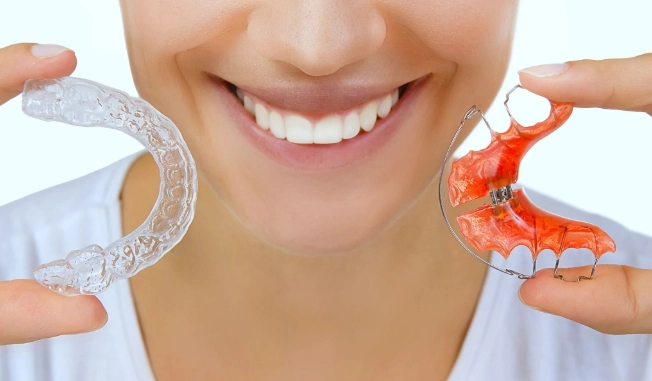
Some orthodontists include one set of retainers in the initial treatment cost. Others don't. You must ask this question before treatment ends. The real financial planning starts when you realize retainers are a recurring, lifelong expense, much like maintaining anything else of value.
Insurance Check: Some dental insurance plans have a separate orthodontic lifetime maximum that might cover a portion of retainer replacement after a certain number of years (e.g., every 3-5 years). It's always worth a call to your insurer. Don't assume it's not covered.
Expert Recommendations and Best Practices
I dug into guidelines from professional organizations to move beyond anecdote. The American Association of Orthodontists (AAO) is clear: retention is for a lifetime. They don't specify a replacement schedule because it's too individual, but they emphasize regular monitoring.
The consensus among most practitioners I've spoken to is a "check-up" schedule for your retainers, not just your teeth:
- Year 1: Wear as directed (often full-time for a period, then nightly). Have your orthodontist check the fit at your 6-month post-treatment appointment.
- Year 2-3: This is the critical window for Vivera and clear retainers. Inspect them monthly for the signs above. Plan financially for a potential replacement in this period.
- Annually: Bring your retainers to your regular dental check-up. Your dentist or hygienist can spot wear you might miss.
The Invisalign website itself promotes Vivera's durability but naturally focuses on the benefits of their proprietary material. For unbiased information on retention principles, the AAO site is a better resource.
Your Burning Questions Answered (FAQs)
It's possible, but not guaranteed, and potentially risky. With impeccable care (perfect cleaning, never dropping, no grinding) a Vivera retainer might make it to 4 years. But by year 3, the plastic's ability to exert precise, consistent force is almost certainly diminished. You're likely in "good enough" territory, which is a gamble with your smile. Is saving $300 worth a potential $3000+ re-treatment? Probably not.
Your teeth will move. It's not an "if," it's a "how much and how fast." Some people see minor shifting in weeks. For others, it takes months or years to become noticeable. But the trend is always back towards the original position. Stopping wear is the surest way to waste all the time and money you invested.
Yes, that's a red flag. That tightness means your teeth already started to shift and the retainer is forcing them back. This is incredibly stressful on the retainer plastic and can cause it to crack or deform. It also means you're using the retainer for active correction, not just passive retention, which it's not ideally designed for. Get back on schedule immediately and try not to skip.
3D-printed retainers are entering the market. Some claim greater precision and durability due to the printing resins used. However, they haven't been around long enough to have long-term lifespan data (10+ years). They are promising, but for now, the tried-and-true thermoplastics (Vivera) and acrylic (Hawley) have the track record.
The Bottom Line: A Realistic Mindset
So, after all this, what's the final answer to how long do retainers last Invisalign?
Think of your retainer as a maintenance part for your smile, like brake pads on a car. You don't run them until they completely fail and cause a crash. You replace them based on wear, mileage, and performance. For a typical nightly wearer without grinding:
- Vivera Retainers: Plan on 1.5 - 2.5 years of effective life per retainer. Buying a multi-pack upfront is smart.
- Generic Clear Retainers: Budget for a replacement every 1 - 1.5 years to be safe.
- Hawley Retainers: These are the long-haul champs. 5 years is a reasonable expectation, with many lasting much longer.
The Ultimate Takeaway: Don't fixate on a calendar. Fixate on fit and feel. Inspect your retainers monthly. The day they start to feel less snug, look stained and tired, or show any damage, start the process of getting a new impression or scan. Proactive replacement is far cheaper and less stressful than corrective re-treatment. Your future self, with a still-straight smile, will thank you for understanding the real answer to how long do retainers last Invisalign.
It's a commitment, no doubt. But it's the final, non-negotiable chapter of your orthodontic story. Treat those retainers well, listen to what they're telling you, and you'll keep that hard-won smile for a lifetime.