You sit in the dental chair, the bib clipped around your neck, and the same thought crosses your mind: how long is this going to take? Whether you're squeezing the appointment into a lunch break or managing a busy schedule, knowing the expected duration of a dental cleaning is more than just curiosity—it's practical planning. The short, oversimplified answer you often hear is "about an hour." But in my years working in and writing about dentistry, I've found that answer can be misleading. The real timeframe is a range, typically between 30 and 60 minutes for a standard, healthy-mouth prophylaxis. However, I've seen cleanings wrap up in 20 minutes for meticulous patients and extend well past 90 minutes for those needing deeper care. Let's ditch the one-size-fits-all guess and look at what actually determines the clock time of your cleaning.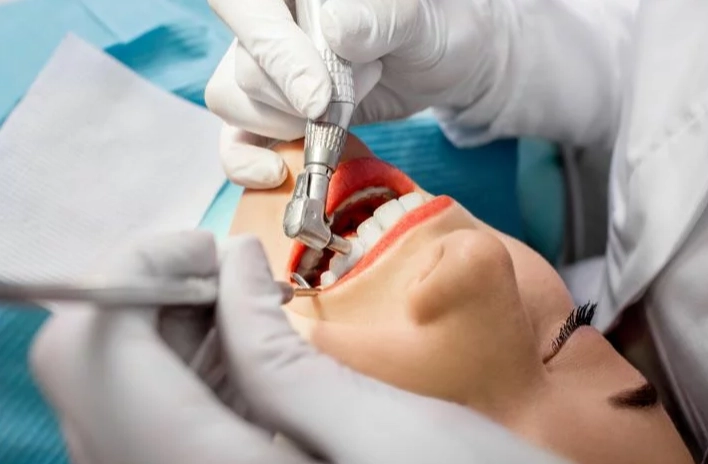
What’s Inside This Guide
The 30-60 Minute Rule (And When It Doesn't Apply)
Most dental offices schedule a prophylaxis (the technical term for a routine cleaning) in a one-hour appointment slot. This isn't arbitrary. It accounts for the actual cleaning, the dentist's exam, any necessary X-rays, discussion time, and a buffer for running slightly late. The hands-on scaling and polishing part usually consumes 30 to 45 minutes of that hour for a patient with generally good oral hygiene and no major issues.
Here’s where patients get tripped up. They think the 60-minute slot means 60 minutes of someone working in their mouth. It doesn't. The hygienist might step out to get supplies, the dentist will come in for the exam, and you'll have time to ask questions. The active cleaning time is less than the total chair time.
A Common Misconception: Many patients believe a longer cleaning means they've "failed" at oral care. That's often wrong. A longer appointment can simply mean your hygienist is exceptionally thorough, you have tricky anatomy (like crowded teeth), or you have old, calcified tartar that takes more time to remove safely. Don't equate time with a personal failing.
What Factors Influence Cleaning Time?
Think of your mouth as a unique landscape. The time it takes to clean it depends entirely on its current state. This table breaks down the major variables I've observed that genuinely change the clock.
| Factor | Shorter Cleaning ( | Longer Cleaning (>60 min) |
|---|---|---|
| Oral Hygiene at Home | Flossing daily, brushing effectively twice a day. Minimal plaque. | Infrequent flossing, quick brushing. Heavy plaque and soft tartar buildup. |
| Tartar (Calculus) Buildup | Little to no hardened tartar. What's there is supra-gingival (above the gumline). | Significant, rock-hard tartar. Sub-gingival deposits (below the gumline) require careful, deep scaling. |
| Gum Health | Healthy, pink gums that don't bleed. No pocketing. | Gingivitis (bleeding, inflammation) or Periodontitis (deep pockets, bone loss). Requires scaling and root planing (SRP). |
| Dental Work | Few or no restorations. | Braces, bridges, implants, or many crowns. These create nooks that require specialized tools and extra time. |
| Patient Cooperation | Able to sit still, open wide, and manage gag reflex easily. | Strong gag reflex, difficulty keeping mouth open, or frequent need for breaks. |
| Hygienist's Technique | Experienced, efficient, and well-equipped. | Newer hygienist, or one who is exceptionally meticulous and slow by nature. |
The biggest time-sucker, hands down, is sub-gingival calculus. That's tartar that's formed a concrete-like bond below your gums. Removing it without damaging the delicate root surface is slow, precise work. If your hygienist says you need a "deep cleaning," you're looking at multiple appointments of 60-90 minutes each, often with local anesthetic.
Step-by-Step Breakdown of a Typical Cleaning
To understand where the minutes go, let's walk through a standard cleaning for a patient with mild gingivitis.
1. The Pre-Cleaning Exam and X-Rays (5-10 Minutes)
Before any tools touch your teeth, the hygienist does a visual check. They're looking for obvious problems, checking your medical history for updates (this matters more than you think), and reviewing recent X-rays. If bitewings are needed, that adds time. This step is crucial but often invisible to patients.
2. Scaling: The Plaque and Tartar Removal (20-35 Minutes)
This is the core of the appointment. Using a combination of an ultrasonic scaler (the vibrating tool that sprays water) and hand scalers (fine metal hooks), the hygienist removes all deposits.
- Ultrasonic for bulk: Quickly breaks up large chunks of tartar. Saves a ton of time compared to only hand tools.
- Hand scaling for detail: Used for fine-tuning, especially along the gumline and between teeth. This is where skill and thoroughness show. A rushed hygienist might skip some hand scaling on back teeth.
3. Polishing and Flossing (5-10 Minutes)
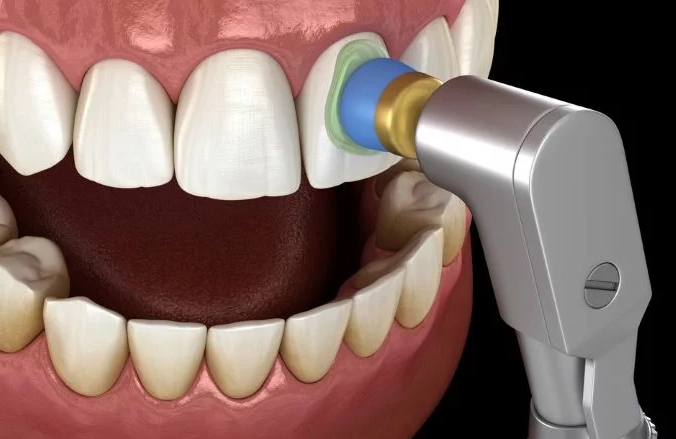
Polishing with the gritty paste and spinning rubber cup removes surface stains and smoothes the tooth. It's quick. Professional flossing ensures no debris is left between teeth. Some offices skip this if your gums are very inflamed, which can save a few minutes.
4. The Dentist's Exam and Consultation (5-10 Minutes)
The dentist comes in, reviews the hygienist's notes and X-rays, does their own brief exam of your teeth, gums, and soft tissues (checking for oral cancer), and discusses any findings with you. This is non-negotiable time and vital for your health.
Add it up: 20 (scaling) + 8 (polish/floss) + 8 (dentist) + 7 (initial chat/X-ray) = about 43 minutes of active time, perfectly fitting a one-hour slot.
Can You Shorten Your Dental Cleaning Appointment?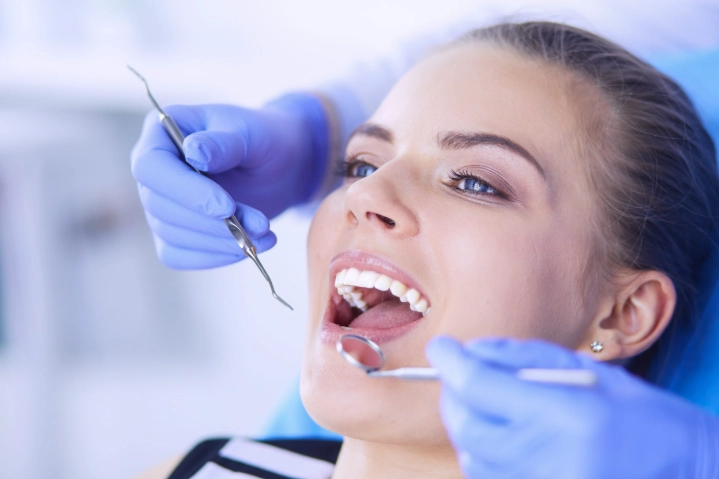
Yes, but not by rushing the hygienist. The ethical way to have a quicker visit is to arrive with a cleaner mouth. It sounds obvious, but most people don't do the two things that actually matter.
First, master your flossing technique the week before your appointment. Not just the day before. Plaque takes about 24-48 hours to begin hardening into tartar. If you floss effectively for a solid week, you prevent that initial mineralization, meaning there's less for the hygienist to scrape off. Don't just snap the floss between teeth; curve it around each tooth and go slightly below the gumline.
Second, brush your tongue and the very back of your molars. A huge amount of soft plaque accumulates there, which the hygienist then has to spend time clearing with the ultrasonic scaler before they can even see the tartar. Do that job for them.
Also, be upfront when booking. Say, "I have a tight schedule. If my oral health allows, is there a possibility of a shorter appointment slot?" Some offices have 40-minute "maintenance" slots for their star patients.
What If My Cleaning Takes Much Longer Than Expected?
If you're past the 60-minute mark and the hygienist is still working, don't panic. It usually means one of three things:
- You need more than a routine cleaning. This is the most likely. The hygienist may have discovered significant sub-gingival calculus or deep pockets. They're likely performing a more extensive scaling, which is good—they're addressing a problem. They should stop and explain this to you.
- You have a new hygienist. Speed comes with experience and confidence. A newer clinician might be painstakingly careful, which isn't a bad thing for your teeth.
- There's an unexpected complication. Like a large, stubborn piece of tartar, or a sensitive area requiring frequent breaks and anesthetic.
It's always okay to ask for a status update. A simple, "Just checking in, is everything looking as expected?" opens the door for them to explain the time.
Your Dental Cleaning Time Questions, Answered
Not necessarily. If you have impeccable home care, little to no tartar, and an efficient hygienist, a 20-minute scaling is possible. The red flag is if it felt rushed, they didn't use both ultrasonic and hand tools, or they skipped the dentist's exam. A thorough cleaning, even on a clean mouth, usually involves feeling each tooth surface with a scaler, which takes time. If in doubt, it's fine to ask your hygienist about their process.
There's no comparison. A deep cleaning is a different therapeutic procedure. Your mouth is typically divided into quadrants. Each quadrant appointment can last 60 to 90 minutes, and you'll often need local anesthesia. It's not uncommon to schedule two appointments of two quadrants each. The total time investment is substantial, which is why preventing gum disease with regular, shorter cleanings is the smart play.
 Does getting X-rays during my cleaning appointment add a lot of time?
It adds some, but modern digital X-rays are fast. A full set of mouth X-rays might add 5-10 minutes to your total visit time. Bitewing X-rays (the standard check-up ones) are even quicker, maybe 3-5 minutes. The time is worth it—those images can reveal problems between teeth and under gums that no visual exam can see, potentially saving you from a much longer and more expensive procedure down the line.
You should absolutely take the breaks you need. Communicate this at the start. A good team will accommodate you. Realistically, with several breaks, your appointment could extend the total chair time by 25-50%. A typical one-hour slot might become 75-90 minutes. Many offices now offer sedation options (like nitrous oxide) for anxious patients, which can actually make the cleaning more efficient by helping you relax and require fewer breaks.
First appointment in the morning or right after lunch. These slots are least likely to be delayed by earlier patients running over. The hygienist is also fresh and not yet behind schedule. I'd avoid the last appointment of the day if speed is your goal—that's when the clinic is most likely to be running late, and the staff may be mentally fatigued, though they should still be clinically thorough.