Let's cut through the noise. You've probably heard the standard advice: see your dentist twice a year. But now you're seeing recommendations for teeth cleaning four times a year, and it's confusing. Is this just an upsell, or is there solid science behind it? As someone who's worked in dental care for over a decade, I've seen the dramatic difference a tailored cleaning schedule can make. It's not for everyone, but for a specific group of people, skipping the quarterly visit is like ignoring a check engine light that's been on for months.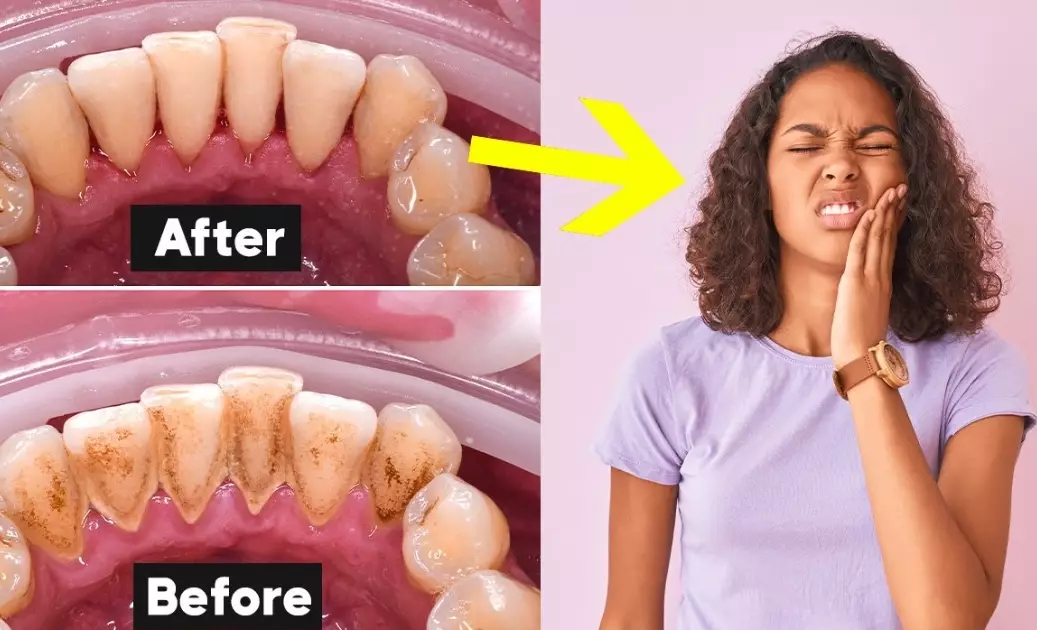
What's Inside This Guide
Who Really Needs Teeth Cleaning 4 Times a Year?
The twice-a-year rule is a good baseline for the average, healthy mouth. But "average" doesn't cover everyone. Think of it like car maintenance. A sedan driven to the grocery store needs less frequent oil changes than a delivery van running all day. Your mouth has its own workload and vulnerabilities.
Here’s the breakdown of who genuinely benefits from a quarterly dental cleaning schedule, based on clinical evidence and what I've observed in practice.
| If This Describes You... | Why 4 Times a Year Makes Sense | The Real-World Impact |
|---|---|---|
| You have a history of gum disease (gingivitis or periodontitis). Even if it's under control. | Plaque and tartar build-up is the primary trigger for inflammation. Removing it every 3 months prevents the bacterial colonies from reaching levels that re-activate the disease cycle. The American Academy of Periodontology often recommends 3-4 month maintenance for periodontal patients. | This is the single biggest group. It can mean the difference between keeping your teeth for life and facing bone loss and eventual tooth loss. The cost of cleanings pales in comparison to the cost of gum surgery or implants. |
| You are a heavy plaque former. You brush and floss, but your dentist always finds significant buildup. | Some people's saliva chemistry simply promotes faster calculus (tartar) formation. You can't brush away tartar. Letting it sit for 6 months gives it time to harden, irritate gums, and create a rough surface for even more plaque to stick to. | Cleanings become quicker, easier, and less uncomfortable because there's less hardened material to remove. Your gums stay pink and don't bleed. |
| You have dry mouth (xerostomia) due to medication, medical conditions, or aging. | Saliva is nature's mouthwash. Without it, plaque accumulates rapidly, and the risk of cavities skyrockets. Frequent cleanings disrupt this process and allow for early cavity detection. | Prevents an avalanche of cavities along the gumline, which are common in dry mouth and expensive to fix. |
| You have systemic health conditions like diabetes, heart disease, or are undergoing cancer treatment. | Oral health is tightly linked to whole-body health. Inflammation from gum disease can make it harder to control blood sugar and may increase cardiovascular risk. Keeping the mouth ultra-clean is a proactive health measure. | It's a critical part of managing your overall health, not just your teeth. Many cardiologists and endocrinologists now stress this link. |
| You are a smoker or use tobacco products. | Smoking dramatically increases the risk and severity of gum disease while masking the early warning sign (bleeding gums). More frequent monitoring is non-negotiable. | Provides a crucial external check on a condition whose symptoms you might not feel until it's advanced. |
A common mistake I see: People think if their gums don't hurt, they're fine. Gum disease is often painless until it's severe. Bleeding when you floss is a signal, not a reason to stop flossing. If your hygienist notes bleeding at every 6-month visit, that's a strong clue you might need to come in more often.
How Quarterly Cleanings Actually Work & What to Expect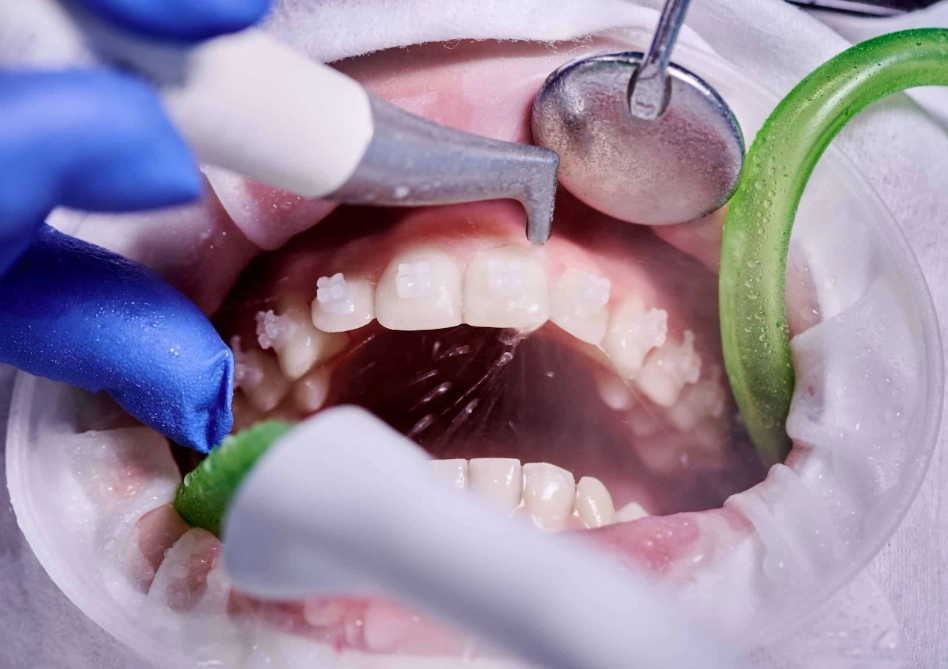
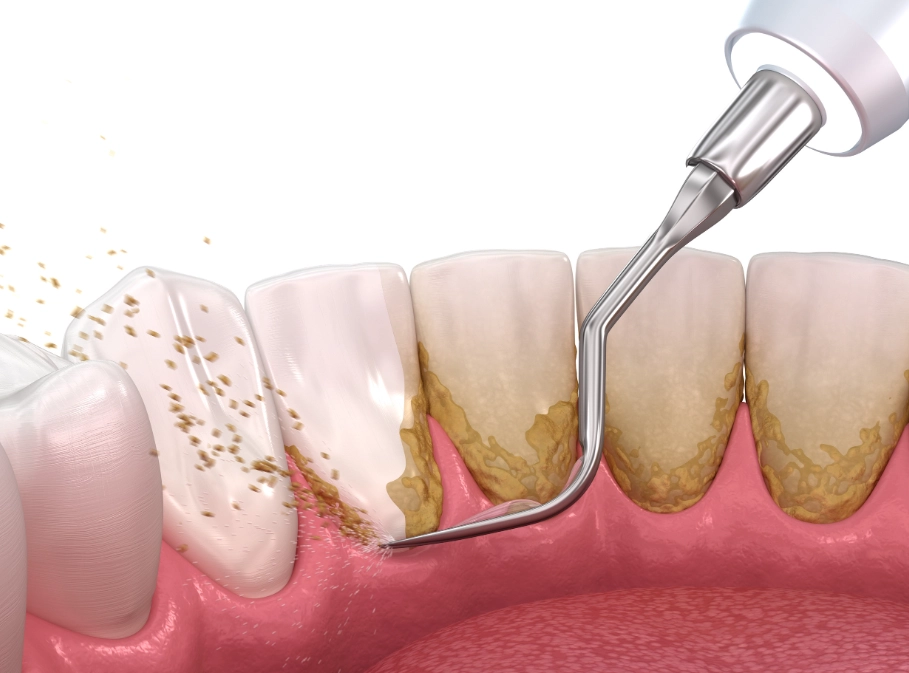
It's not just "the same cleaning, but more often." The focus and goals shift. A standard six-month cleaning is often a prophylaxis – a preventive scrub-down. When you move to a 3-4 month schedule, especially for gum health, it often becomes what's called periodontal maintenance.
Here's what that looks like on the ground.
The Nuts and Bolts of a 3-Month Visit
You'll still get your teeth scaled and polished. But the hygienist's attention will be laser-focused on your gum pockets – the spaces between your teeth and gums. They'll use a tiny ruler (a probe) to measure these pockets at most visits. The goal isn't just to clean, but to monitor. Are the pockets getting deeper? Is there inflammation?
The cleaning itself might go a bit deeper under the gumline than a standard cleaning, but because there's less time for massive tartar buildup, it can often be less invasive and uncomfortable than a once-a-year scraping session.
You'll also get more frequent fluoride treatments, which is a huge plus if you're cavity-prone. It's like putting a fresh coat of protective sealant on your teeth every season.
The Financial and Time Commitment
Let's be practical. Yes, it costs more upfront. But run the numbers on a major procedure you're potentially avoiding – a single crown or a round of deep cleaning (scaling and root planing) can cost as much as a decade of quarterly cleanings.
Many dental insurance plans cover two cleanings a year at 100%. The third and fourth might be covered at 80%, or you might have a copay. You need to call your insurer and ask: "What is my coverage for periodontal maintenance procedures (D4910) on a quarterly basis?" Use that code. It gets you the right answer.
Time-wise, block out about 45-60 minutes per visit. The frequency means each appointment is typically shorter and more routine.
How to Make Quarterly Cleanings Work for You
Committing to this schedule is one thing. Making it seamless is another. Here’s the playbook from someone who’s helped hundreds of patients stick to it.
Book your year in advance. This is the golden rule. The moment you finish your January appointment, book the ones for April, July, and October. Put them in your phone calendar with two reminders. Popular hygienist slots fill up months ahead.
Sync it with your life. Tie it to something you won't forget. First week of the new quarter. Or around the same time you get your car's oil changed. Create a ritual.
Communicate with your hygienist. This is a partnership. Tell them what you're feeling between visits. Is flossing easier? Are your gums tighter? This feedback helps them tailor their care. A good hygienist is your coach, not just a technician.
What if your dentist doesn't recommend it? Ask why. If you have any of the conditions in the table above and they're dismissive, get a second opinion, perhaps from a periodontist (gum specialist). Some general dentists are still stuck in the "twice-a-year-for-everyone" model, even though modern care is personalized.
I had a patient, let's call him Mark, a type-2 diabetic in his 50s. He had stubborn inflammation despite good home care. We moved him to quarterly cleanings. At his first 3-month check, his hygienist noticed a tiny crack in a molar he couldn't feel – caught it before it became a root canal. His gum bleeding scores dropped by 70% within a year. His comment? "I spend less time in the chair now, and I'm not anxious about what they'll find." That last part – reducing dental anxiety through frequent, low-stress visits – is a benefit nobody talks about enough.
Your Questions on Frequent Dental Cleanings
 Will getting my teeth cleaned too often wear down the enamel?