That sudden, sharp ache or dull, throbbing misery in your tooth isn't just annoying—it's a signal. Your body is telling you something is wrong. The immediate question is always the same: how do I get my tooth to stop hurting, right now? I've been there, staring at the ceiling at 2 AM, trying every trick in the book. Let's cut through the noise. This guide gives you actionable steps for immediate toothache relief, explains what's likely causing the pain, and tells you exactly when a home fix isn't enough and you need professional dental care.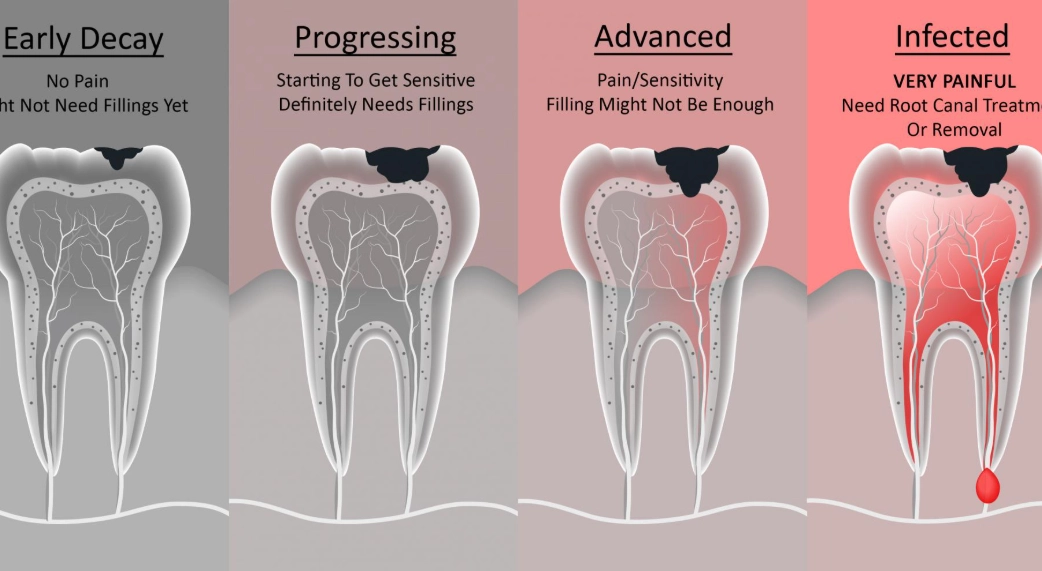
What You'll Find in This Guide
- First Response: Immediate Actions to Stop the Pain
- Proven Home Remedies You Can Try Tonight
- Choosing the Right Over-the-Counter Pain Medication
- Red Flags: When You Must See a Dentist Immediately
- What's Causing Your Tooth Pain? Common Culprits
- Beyond the Pain: Long-Term Prevention Strategies
- Your Toothache Questions, Answered
First Response: Immediate Actions to Stop the Pain
Before you reach for anything, do these two things. They sound simple, but they're often overlooked.
1. Gently Clean the Area. Sometimes, the pain is caused by a piece of food—like popcorn hull or a tiny bit of steak—jammed between your teeth or deep in a cavity. Take a piece of dental floss and carefully slide it up and down both sides of the painful tooth. Don't snap it. Rinse vigorously with warm water after. I've seen this alone resolve a "sudden" toothache more times than I can count.
2. Identify the Type of Pain. Is it a sharp, shooting pain when you bite down? A constant, throbbing ache that seems to pulse with your heartbeat? Does cold air or a sip of coffee make you jump? The character of the pain is a huge clue. Throbbing, constant pain that gets worse when you lie down often indicates an infection or abscess. Sensitivity to cold might mean a cavity or receding gums. Sharp pain on biting could be a cracked tooth or a lost filling.
Proven Home Remedies You Can Try Tonight
These are the methods with some scientific backing or decades of practical use. They manage the symptoms but don't cure the underlying problem.
Salt Water Rinse: The Gold Standard
Mix half a teaspoon of table salt into a cup of warm (not hot) water. Swish it around your mouth for 30 seconds, focusing on the painful area, then spit. Do this 2-3 times a day. Why it works: it's a mild antiseptic, helps loosen food particles, reduces inflammation in the gums, and can promote healing of minor mouth sores. It's my first recommendation for any oral discomfort.
Cold Compress for Swelling
If you have any visible swelling on your cheek or jaw, apply a cold pack or a bag of frozen peas wrapped in a thin towel to the outside of your cheek for 15-20 minutes. Take it off for 20 minutes, then reapply. This constricts blood vessels, reducing inflammation and numbing the pain. Don't apply heat to an unknown toothache—it can increase blood flow and make an infection much worse.
Clove Oil: A Natural Analgesic
Clove oil contains eugenol, a natural anesthetic and antiseptic. Here's the right way to use it, because most people get it wrong. Do not pour pure clove oil directly on your gum—it can burn. Dilute it: mix 1-2 drops with a teaspoon of a carrier oil like olive or coconut oil. Soak a small cotton ball in the mixture and gently place it against the painful tooth and gum for 5-10 minutes. You can also find over-the-counter dental gels that contain benzocaine or a safe concentration of eugenol.
Choosing the Right Over-the-Counter Pain Medication
Not all painkillers are equal for dental pain. Dental inflammation is often driven by prostaglandins, and you need a medication that targets that pathway.
> 500-1000mg every 6 hours.> Follow package label.| Medication | Best For | Key Consideration | Typical Adult Dose* |
|---|---|---|---|
| Ibuprofen (Advil, Motrin) | Throbbing pain, swelling, inflammation. Often the most effective for toothaches. | Take with food. Not suitable if you have stomach/kidney issues or are on blood thinners. | 200-400mg every 4-6 hours. |
| Naproxen (Aleve) | Longer-lasting relief for persistent ache. | Longer half-life means fewer doses but can be harder on the stomach. | |
| Acetaminophen (Tylenol) | Dull, constant ache when you can't take NSAIDs. | Does NOT reduce inflammation. Critical to not exceed 3,000mg per day to avoid liver damage. | |
| Aspirin | Not typically recommended as a first choice. | Never place an aspirin tablet directly on your gum. This is an old wives' tale that can cause a serious chemical burn to your soft tissue. |
*Always read and follow the label instructions or consult a pharmacist/doctor. This table is for informational comparison only.
My personal go-to for severe dental pain is a combination approach, often recommended by dentists: take ibuprofen and acetaminophen together, staggering them. For example, take ibuprofen, then three hours later take acetaminophen, then three hours later ibuprofen again. They work through different mechanisms and can be very effective. But you must consult your doctor first to ensure this is safe for you, as it increases the risk of side effects if not managed correctly.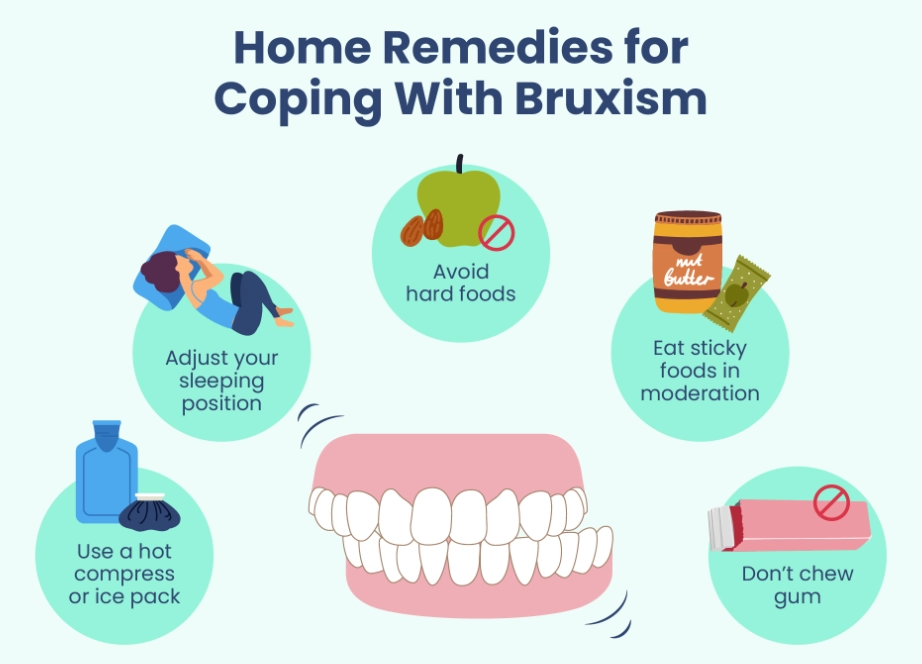
Red Flags: When You Must See a Dentist Immediately
Home remedies are a temporary bridge. Here are the signs that the bridge is out and you need professional help now.
- Fever, chills, or feeling generally unwell alongside the toothache (sign of spreading infection). > Severe, uncontrollable pain that medication doesn't touch.
- Difficulty breathing or swallowing.
- Swelling in your face, cheek, jaw, or under your tongue that is growing.
- Pain that lasts more than 1-2 days without improvement.
- A tooth that is visibly traumatized, cracked, or knocked out.
If it's the middle of the night and you have severe symptoms, go to an emergency room. They can provide antibiotics and stronger pain relief until you can see a dentist.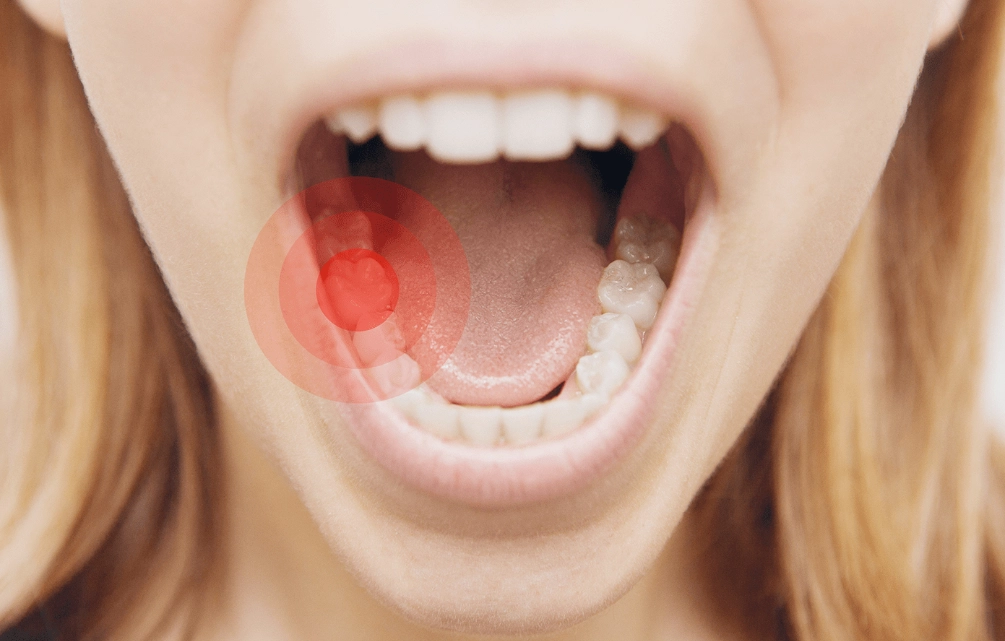
What's Causing Your Tooth Pain? Common Culprits
Understanding the "why" helps you communicate with your dentist and informs the long-term fix. Here’s a quick rundown of the usual suspects.
Tooth Decay (Cavities): Bacteria eat through enamel, reaching the sensitive dentin. Pain is often triggered by sweet, hot, or cold foods. The earlier this is caught, the simpler the fix (a filling).
Abscess: A bacterial infection at the tooth's root (periapical abscess) or in the gums next to it (periodontal abscess). This causes intense, throbbing, constant pain, often with swelling and a bad taste. Requires a root canal or extraction and antibiotics.
Cracked Tooth or Filling: Pain is sharp and comes on when you release biting pressure. It can be elusive to diagnose. Needs a crown or other restoration.
Gum Disease: Inflamed, receding gums expose tooth roots, which aren't covered by protective enamel. This leads to sensitivity and ache. Requires a deep cleaning (scaling and root planing).
Impacted Wisdom Tooth: Pain in the very back of your mouth, often with swollen, tender gums over the tooth. Can cause jaw pain and headaches. May need to be removed.
Beyond the Pain: Long-Term Prevention Strategies
Once the immediate crisis is over, the real work begins. Preventing the next toothache is cheaper and less painful than treating one.
I can't stress this enough: see your dentist for regular check-ups and cleanings, even if nothing hurts. They catch cavities when they're tiny and painless. Most dental problems are silent until they're advanced and expensive to fix.
Your daily routine is your first defense. Brush twice daily with fluoride toothpaste, and floss once—not just between teeth, but curve the floss against each tooth to clean under the gumline. Consider an antiseptic mouthwash if recommended by your dentist, but it's not a substitute for brushing and flossing.
Watch your diet. Frequent snacking, especially on sugary or acidic foods and drinks, creates a constant acid attack on your teeth. Drink plenty of water, especially fluoridated tap water.
Your Toothache Questions, Answered
My tooth only hurts when I lie down to sleep. What does that mean and how can I sleep?
Increased pain when lying down is classic for a tooth abscess. The change in blood pressure in your head puts more pressure on the already inflamed nerve and tissues inside the tooth. To sleep, try propping yourself up with an extra pillow or two to keep your head elevated. Take an over-the-counter anti-inflammatory like ibuprofen (if suitable for you) about an hour before bed. This is a strong sign you need to see a dentist the next day.
Can a sinus infection cause tooth pain?
Absolutely, and it's a common mix-up. The roots of your upper back teeth (molars and premolars) are very close to your sinus cavities. Sinus pressure and inflammation can cause a dull ache or sensitivity in several teeth at once, usually on one side of your upper jaw. A clue is if the pain increases when you bend over. If you have cold or sinus symptoms alongside the toothache, it's worth considering.
 Is it safe to use whiskey or another alcohol on the painful tooth?
I strongly advise against it. While high-proof alcohol might temporarily numb the area, it's extremely drying and irritating to your gums and soft tissues. It can worsen inflammation and even cause a chemical burn. It's an outdated and potentially harmful remedy. Stick to salt water rinses or diluted clove oil for a safer topical effect.
How do I manage tooth pain while pregnant?
This requires extra caution. See a dentist as soon as possible—dental care is safe and important during pregnancy. For pain relief, acetaminophen (Tylenol) is generally considered the safest OTC option after consulting your OB/GYN. Avoid ibuprofen and naproxen, especially in the third trimester. Topical remedies like salt water rinses are perfectly safe. Don't delay treatment, as a severe dental infection can pose risks to your pregnancy.
I have a temporary crown and it's hurting. What should I do?
Some sensitivity is normal, but significant pain isn't. First, avoid chewing on that side. The temporary cement may have weakened, allowing bacteria in, or the tooth may be irritated. Call your dentist. They may need to re-cement it or check the fit. Don't wait until your next appointment if the pain is bad.
Tooth pain is a powerful motivator. Use the immediate relief methods to get through the night or the weekend, but listen to what your body is telling you. That pain is a warning light on your dashboard. Don't just turn off the light—find and fix the problem. Schedule that dental appointment. Investing in your oral health is one of the best things you can do for your overall well-being and your wallet in the long run.