Let's cut to the chase. If you're holding a box of standard Crest 3D White Whitestrips, the answer is a definitive yes, they work perfectly without any light. The blue LED light you might see bundled with some kits or advertised by competitors isn't a magic activator for Crest's mainline products. It's a common point of confusion. I've been writing about dental products for a decade, and this question pops up more than any other about at-home whitening. People see "light" and think it's a required component, like a battery for a toy. It's not.
What You'll Learn
How Crest Whitestrips Actually Whiten Teeth
Crest Whitestrips are a chemical whitening system. The active ingredient is hydrogen peroxide or carbamide peroxide gel, pressed into a thin, flexible plastic strip. When you apply the strip, the gel sits against your tooth enamel. The peroxide molecules penetrate the enamel and break down into oxygen ions. These ions then go to work on the colored molecules (chromogens) that cause stains from coffee, tea, wine, and smoking, breaking them into smaller, colorless pieces.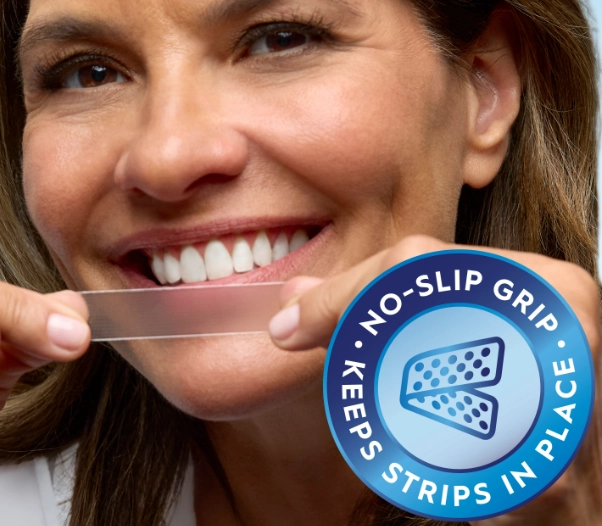
No external energy source is needed. The chemical reaction is self-powered. It happens at body temperature, in the dark of your mouth. Thinking you need a light is like thinking you need to microwave a bandage for it to stick—it's unrelated to the core mechanism.
Key Takeaway
The whitening power is 100% in the gel. The strip is just a delivery system to hold the gel against your teeth for the required time, usually 30 minutes to an hour. Light, heat, or any other gadget doesn't make the peroxide work "better" in this context.
The Truth About "Light" Whitening Kits
But what about those LED lights you see online or in some store kits? Here's where the industry gets murky. Some brands include a blue LED light, claiming it accelerates or enhances whitening. The theory is that the light energy excites the peroxide molecules, making them more active.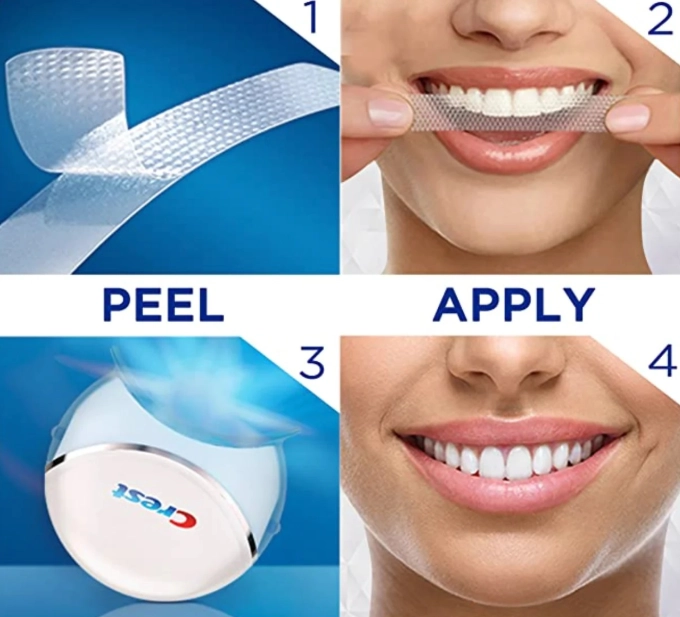
However, the evidence for a significant clinical benefit from these at-home LED lights is thin. The American Dental Association (ADA) states that while in-office professional light-accelerated whitening can be effective under controlled conditions, the benefit of over-the-counter lights is not well-established. Many dentists I've spoken to consider them more of a marketing gimmick than a necessity. The real work is done by the concentration of peroxide and the contact time.
Crest itself has offered kits with a light, like the "Crest 3D White Whitestrips with Light." In my experience testing it, the light felt like an extra step that didn't change the result compared to the same strips used alone. It might create a perceived sense of advanced technology, but the core product—the strips—remains the hero.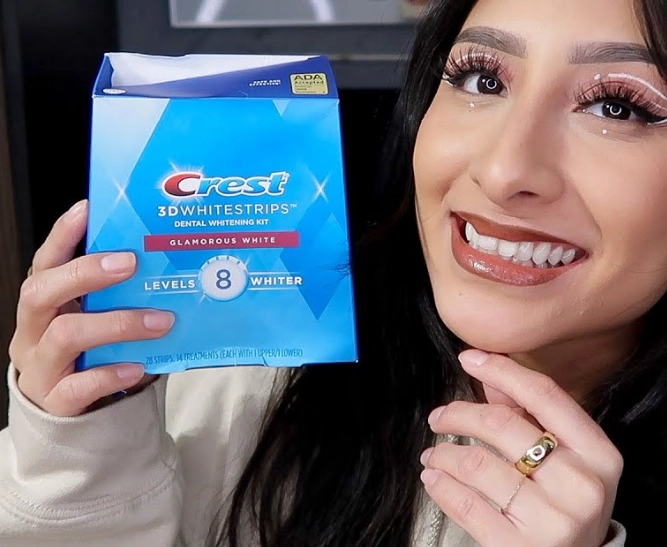
Why the Confusion Persists
Professional in-office whitening often uses high-intensity lights or lasers. That's a different ballgame. The peroxide gels used there are much stronger, and the light provides controlled heat that can speed up the chemical reaction. Seeing this, consumers naturally assume all lights must be important. For the milder, safer peroxide levels in over-the-counter strips, the light's contribution is minimal at best.
How to Use Crest Strips Correctly (Without a Light)
Forget the light. Focus on technique. This is where most people slip up, wasting money on mediocre results.
Step 1: Start with clean, dry teeth. Brush and floss first, but don't use a whitening toothpaste right before (it can be abrasive). Dry your teeth with a towel. A dry surface helps the adhesive on the strip stick much better. This one tip can prevent the strips from sliding around.
Step 2: Apply the strips precisely. Peel the strip off the plastic liner. Apply the gel-side to your teeth, starting with the front center and smoothing it out toward the sides. Press firmly along your gum line and the contours of your teeth. Avoid getting gel on your gums—it can cause irritation.
Step 3: Set a timer, and don't overdo it. Follow the package instructions for time. Usually 30 minutes. Do not think "if 30 minutes is good, 60 must be great." Exceeding the time doesn't whiten faster; it just increases your risk of tooth sensitivity. Set a phone timer and take the strips off when it goes off.
Step 4: Discard and rinse. Peel off the strips, throw them away (they're single-use), and rinse your mouth gently to remove any leftover gel. You can brush your teeth normally at your next routine.
Consistency is key. You're looking at a process of 10-20 applications over 1-2 weeks, depending on the product strength. Skipping days or applying sporadically gives inconsistent results.
3 Mistakes That Can Ruin Your Whitening Results
I've seen people make these errors for years.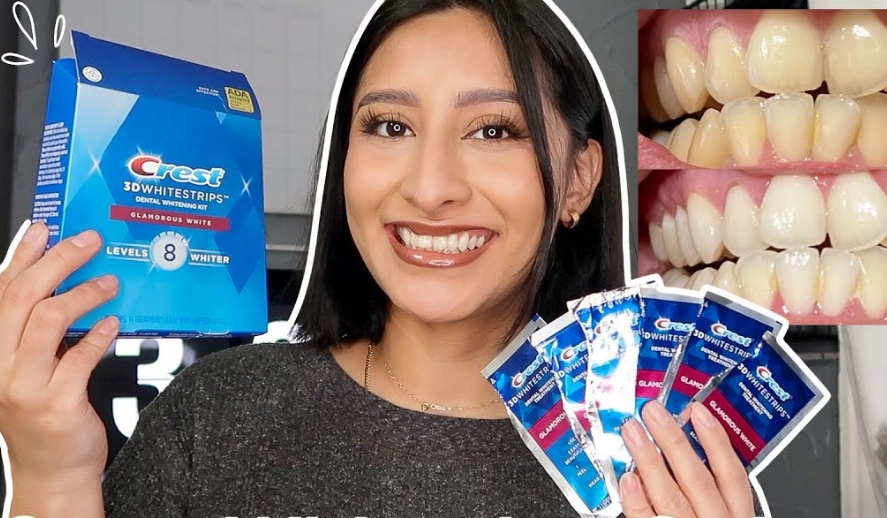
Mistake 1: Applying to unhealthy teeth or gums. If you have cavities, cracked teeth, untreated gum disease, or severe sensitivity, whitening strips can cause pain or damage. See a dentist first. This isn't just a disclaimer; it's crucial for your oral health.
Mistake 2: Expecting overnight perfection on deep stains. Crest strips are excellent for surface and moderate intrinsic staining. If you've smoked for 20 years or drank multiple cups of black coffee daily for decades, your results will be good, but not "like I just got veneers" good. Manage your expectations. They lighten your natural tooth color significantly, but they have limits.
Mistake 3: Ignoring sensitivity. Some tingling is normal. Sharp, zinging pain is not. If you experience significant sensitivity, take a break for a day or two. Use a toothpaste for sensitive teeth (like Sensodyne) consistently during your whitening regimen. It helps block the tubules in your dentin that transmit sensation.
Crest Whitestrips Product Breakdown: Which is Right for You?
Not all strips are the same. Choosing the wrong one leads to disappointment. Here’s a no-nonsense comparison based on peroxide concentration and intended use.
| Product Name | Key Feature | Peroxide Level | Best For | Full Treatment Time |
|---|---|---|---|---|
| Crest 3D White Whitestrips Classic | Original formula, reliable | Low to Medium | First-timers, mild staining, sensitivity-prone users | 14 days (30 min/day) |
| Crest 3D White Whitestrips Professional Effects | Advanced seal technology | Medium | Moderate staining, better adhesion, most popular choice | 10 days (30 min/day) |
| Crest 3D White Whitestrips Supreme Flexfit | Super flexible, no-slip fit | Medium to High | Those who hate sliding strips, more noticeable results | 7 days (1 hour/day) |
| Crest 3D White Whitestrips with Light | Includes blue LED light | Medium | Those psychologically attached to the light concept | 10 days (5 min with light + 25 min without) |
Notice the "with Light" variant actually has you use the light for only 5 minutes. The rest of the 30-minute session is light-free. That should tell you something about its relative importance in the process.
Your Whitening Questions, Answered
Primarily marketing and consumer perception. After seeing dramatic in-office light treatments, people associate light with faster, better whitening. Including a light satisfies that expectation and can justify a higher price point. From a formulation standpoint, the companies are betting on the strips doing the heavy lifting, with the light as a potential, if minor, booster and a major psychological sell.
You can, but you must be strategic. Start with the lowest peroxide product (like Classic). Apply strips every other day instead of daily to give your teeth a recovery period. Use a sensitivity toothpaste for at least two weeks before starting and throughout the treatment. If you feel a sharp pain, stop immediately for a few days. The light has no protective effect against sensitivity; it's the peroxide concentration and exposure time that matter.
Typically 6 to 12 months, but it's entirely dependent on your diet and habits. If you go right back to drinking red wine, black coffee, and smoking, you'll see stains return in a matter of months. For maintenance, many people use a 2-3 strip "touch-up" treatment every 3-6 months, or switch to a whitening toothpaste. The longevity isn't affected by the initial presence or absence of a light.
Some niche or off-brand systems use a photo-activated gel that theoretically needs a specific wavelength of light to initiate the reaction. However, the vast majority of major brand strips, especially Crest's core lineup, do not. Their chemistry is designed to work upon contact with saliva and tooth enamel at body temperature. Always read the instructions. If a product says the light is optional, it is. If it says it's required, it's likely a different (and less common) formulation.
The bottom line is clear. You don't need to hunt for an outlet or charge a device to use Crest White Strips effectively. The power is in the strip itself. Save your money on the fancy kits with gadgets and invest in the right strip variant for your needs, then use it with patience and proper technique. That's the real secret to a brighter smile.