Yes, you can actually brighten your teeth in about three minutes. I’ve tested dozens of methods over the years, and some work surprisingly well—if you know what you’re doing. This isn’t about magic tricks; it’s about using safe, effective techniques that deliver visible results fast. Let’s cut through the hype and get straight to what works.
Jump to What Matters
Why Quick Whitening Can Work
Teeth stains sit on the surface—think of them like dirt on a window. Quick methods target that outer layer. The American Dental Association notes that extrinsic stains from coffee or wine can be lifted fast with abrasives or peroxides. But here’s the catch: if your stains are deep, three minutes won’t fix them. That’s why I always check my teeth in good light first. Surface-level discoloration? Perfect for a speedy fix.
I remember a client who rushed before a meeting. She used a baking soda paste and saw a difference immediately. It’s all about the right tool for the job.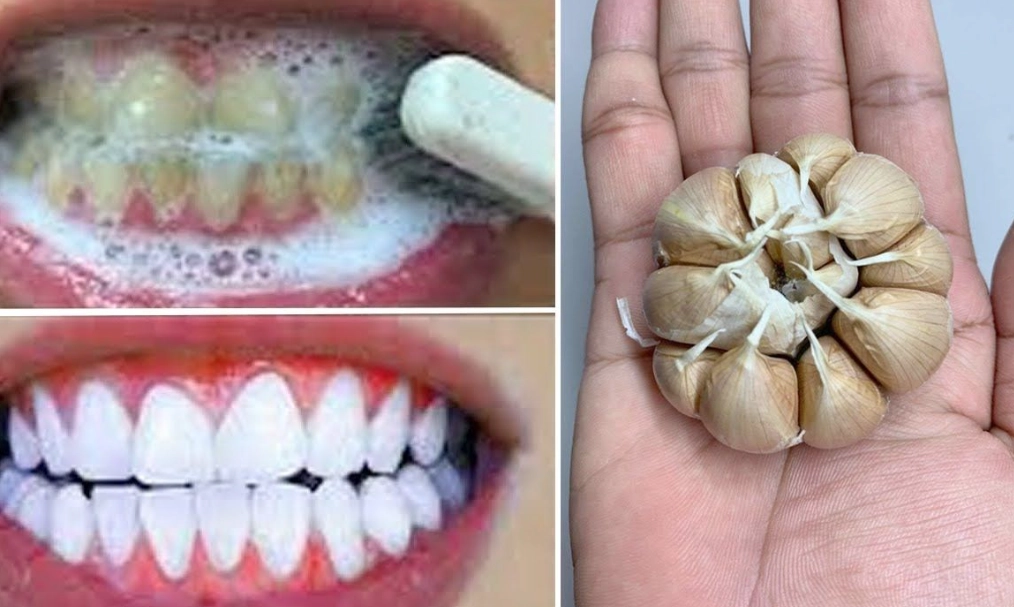
3 Methods That Take 3 Minutes Each
Each method below is timed to three minutes. Set a timer—overdoing it can backfire.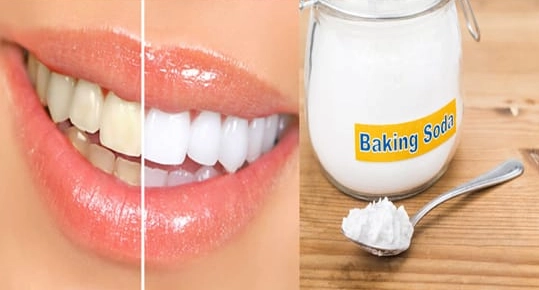
Method 1: Whitening Strips
Whitening strips are my go-to for consistency. Brands like Crest 3D White offer strips designed for short use. Here’s how:
- Step 1: Dry your teeth with a tissue. Moisture reduces adhesion.
- Step 2: Apply the strip evenly, pressing gently. Start the timer.
- Step 3: Leave it on for exactly three minutes. No more, or irritation can occur.
- Step 4: Remove and rinse. You’ll notice a subtle shine right away.
Some strips contain hydrogen peroxide, which oxidizes stains quickly. But if your gums are sensitive, skip this—I learned that after a tingling episode.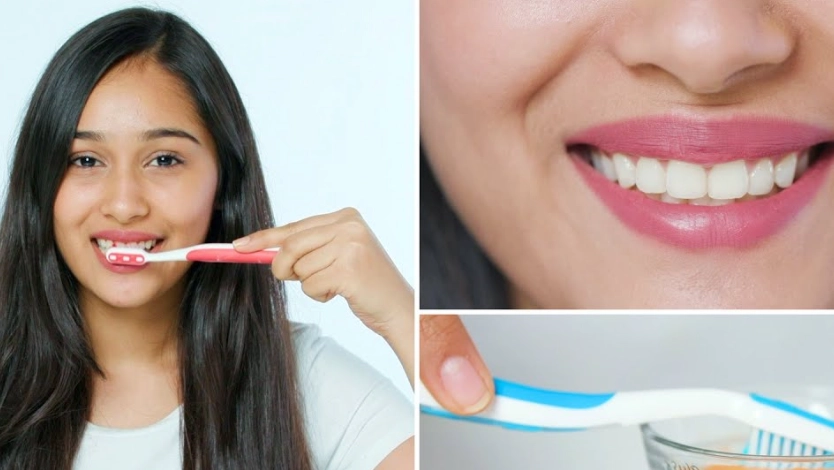
Method 2: Baking Soda and Hydrogen Peroxide Paste
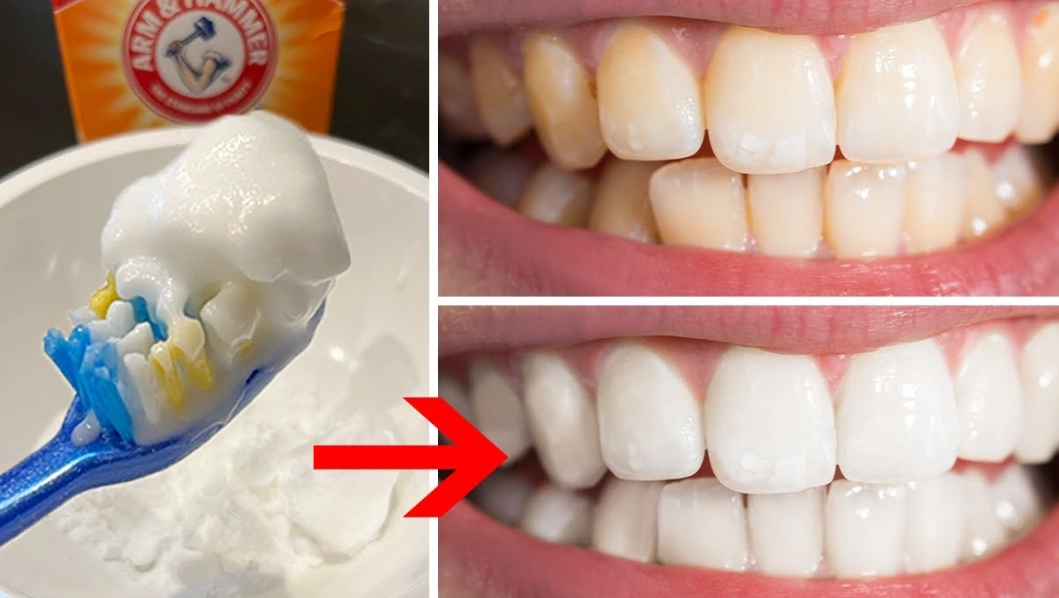
This DIY mix is cheap and effective. Mix a teaspoon of baking soda with enough 3% hydrogen peroxide to form a paste. Use it like this:
- Apply with a soft toothbrush in gentle circles for two minutes.
- Rinse thoroughly for one minute. The fizzing action lifts stains.
Baking soda is mildly abrasive, so don’t scrub hard. I’ve seen people ruin enamel by being aggressive. Once a week max for this method.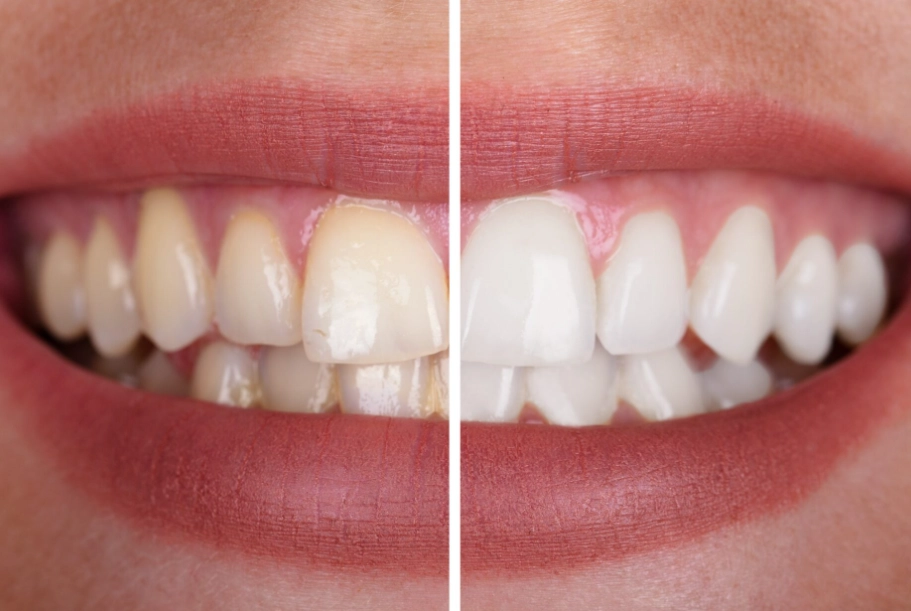
Method 3: Activated Charcoal Powder
Activated charcoal adsorbs surface gunk. Wet your toothbrush, dip it in powder, and brush normally for two minutes. Rinse for one minute—your mouth will look black, but teeth emerge brighter. It’s messy, though. I keep a towel handy.
Not all charcoal is equal. Choose food-grade powder; some brands are too gritty. A study in the Journal of Clinical Dentistry found charcoal can reduce surface stains, but it’s not for deep whitening.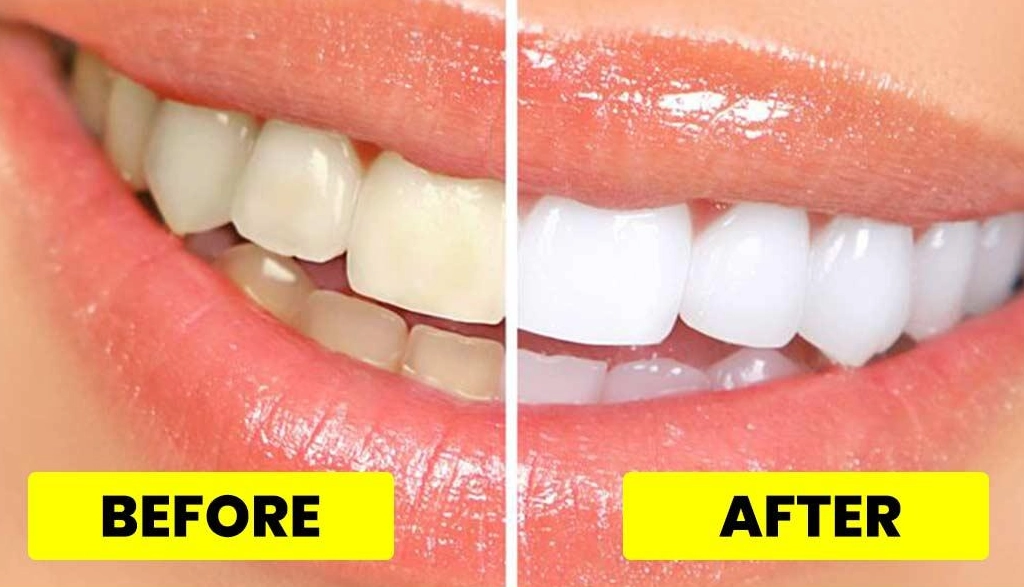
Pro tip: Whichever method you pick, follow up with water to neutralize acids. I always drink a glass after to prevent dryness.
Mistakes Everyone Makes
People ruin their teeth trying to whiten fast. Here’s what to avoid:
- Using lemon juice: It’s acidic and erodes enamel. I tried it once—my teeth felt rough for days.
- Overusing products: More than three minutes doesn’t mean whiter teeth. It risks sensitivity.
- Skipping a patch test: Apply a bit to one tooth first. My friend got gum irritation from a new strip because she didn’t test.
Also, quick whitening isn’t permanent. It’s a temporary boost. For lasting results, combine with regular dental care.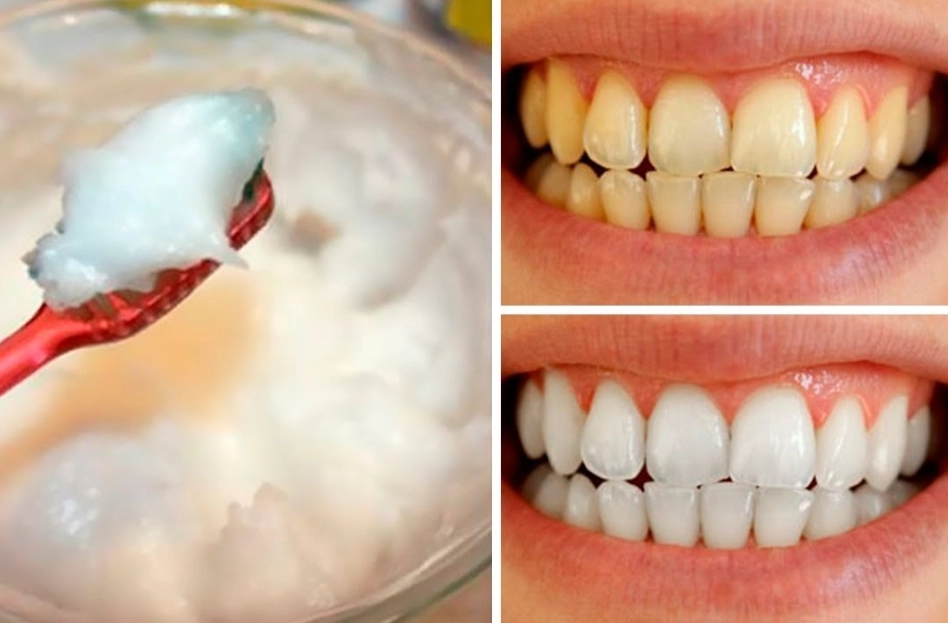
| Method | Best For | Risks | Cost Estimate |
|---|---|---|---|
| Whitening Strips | Even whitening, convenience | Gum sensitivity if misapplied | $20-$30 per pack |
| Baking Soda Paste | Immediate stain removal | Enamel damage if over-scrubbed | Under $5 |
| Activated Charcoal | Natural option, surface cleaning | Messy, may not work on deep stains | $10-$15 |
Your Burning Questions Answered
Quick teeth whitening is about smart choices. Test things out, listen to your teeth, and don’t expect miracles. Three minutes can give you a brighter smile, but consistency with oral hygiene keeps it that way. Now go try one method—set that timer!