Let's be honest. A bright smile feels good. But the thought of chemical bleaches, expensive dentist visits, or those strips that make your teeth ache can be a real turn-off. You're not alone in searching for gentler, more natural ways to whiten teeth. The good news is, your kitchen and daily routine might hold more power than you think. I've spent years sifting through dental research and old wives' tales alike, and here's the straight talk on what can genuinely help lift stains and what's just a social media myth.
What's Inside?
Why Teeth Stain in the First Place
Before you start rubbing fruit on your teeth, it helps to know what you're up against. Tooth enamel isn't a solid white wall; it's porous. Over time, pigments from food and drink—coffee, tea, red wine, berries, soy sauce—seep into these microscopic openings. This creates extrinsic stains. Then there's tartar (hardened plaque), which is yellow. Natural whitening focuses on gently removing these surface stains and plaque without damaging the enamel underneath. Intrinsic stains, which are inside the tooth, are a different ball game and usually need professional help.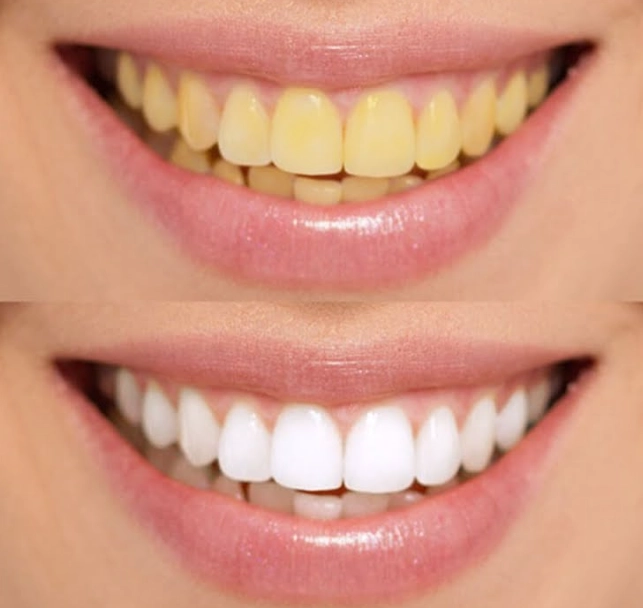
Top Natural Whitening Methods That Work
Forget the lemon juice and charcoal fads. Here are methods with some logical or scientific backing. Patience is key—these are about gradual improvement, not overnight transformation.
1. Baking Soda & Hydrogen Peroxide Paste
This is the classic for a reason. Baking soda (sodium bicarbonate) is a mild abrasive that helps scrub away surface stains. Hydrogen peroxide is a mild bleach and antiseptic. The American Dental Association (ADA) notes that baking soda has "low abrasivity" and can help with stain removal. Mix a small amount of baking soda with enough 3% hydrogen peroxide (the kind from the pharmacy) to form a paste. Brush gently with it for 1-2 minutes, no more than 1-2 times a week. It can feel a bit gritty, but it works.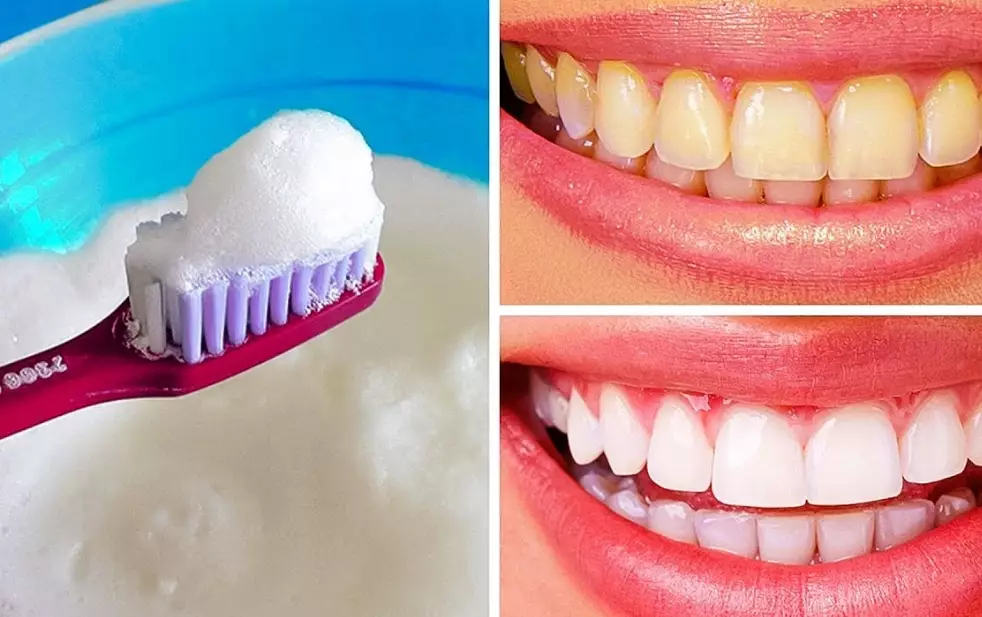
2. Oil Pulling with Coconut Oil
This ancient Ayurvedic practice involves swishing a tablespoon of oil (coconut, sesame) in your mouth for 15-20 minutes. The idea is that the oil binds to bacteria and plaque, which you then spit out. While studies specifically on whitening are limited, research published in the Journal of Traditional and Complementary Medicine suggests it can reduce plaque and gingivitis, which contributes to a cleaner, brighter appearance. It won't bleach your teeth, but it can remove the film that makes them look dull.
Try it in the shower. The time passes quickly.
3. Eating Crunchy Fruits and Vegetables
This isn't a magic trick. Apples, celery, carrots, and cauliflower act like nature's toothbrushes. Their fibrous, crunchy texture can help scrub your teeth as you chew and stimulate saliva, which is your mouth's natural cleanser. They won't remove deep stains, but they help prevent new ones from setting in easily.
4. Using a Straw (Seriously)
This is the easiest hack nobody does consistently. When you drink coffee, tea, or soda, use a straw. It bypasses the front surfaces of your teeth, significantly reducing the liquid's contact time with your enamel. Less contact means less opportunity for stains to seep in. Simple, effective, and costs nothing.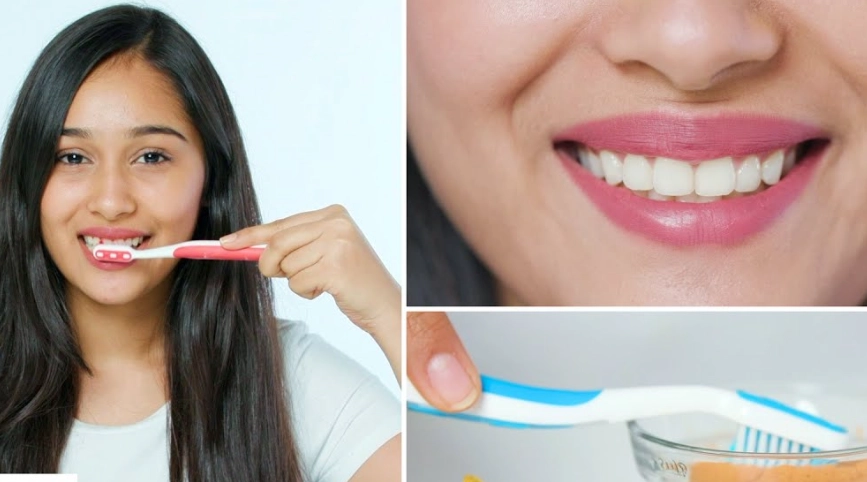
Other methods with cautious support include using a paste of mashed strawberries (contains malic acid) or banana peel (rich in minerals), but the evidence is anecdotal. The effect is very subtle, if any.
Common Mistakes That Can Damage Your Teeth
This is where most blogs fail you. In the quest for whiter teeth, people often do more harm than good.
Never use straight lemon juice, apple cider vinegar, or other acids. This is the biggest, most damaging myth online. The acid dissolves your enamel. Once it's gone, it's gone forever. You'll be left with thinner, more transparent, and often yellower teeth (because the darker dentin underneath shows through). The damage is irreversible.
Activated charcoal. It's trendy, but dentists are wary. It's highly abrasive. While it might scrub off some stains initially, long-term use can scratch enamel, making teeth more prone to staining in the future. The ADA has not endorsed any charcoal products for safety or efficacy.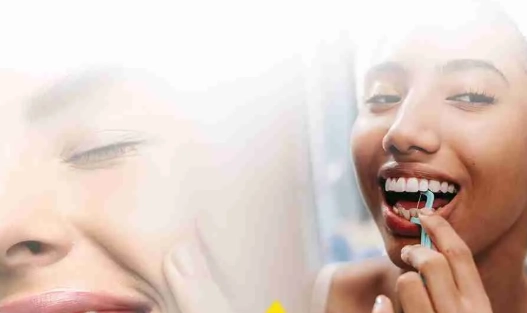
Over-brushing or brushing too hard. More pressure doesn't mean whiter teeth. It means receding gums and worn enamel. Use a soft-bristled brush and gentle, circular motions.
How to Choose a Safe Natural Whitening Method
Ask yourself: Is it abrasive? Is it acidic? If the answer to either is yes, proceed with extreme caution or skip it. Focus on methods that clean (like oil pulling), polish gently (like baking soda used sparingly), or prevent stains (like using a straw).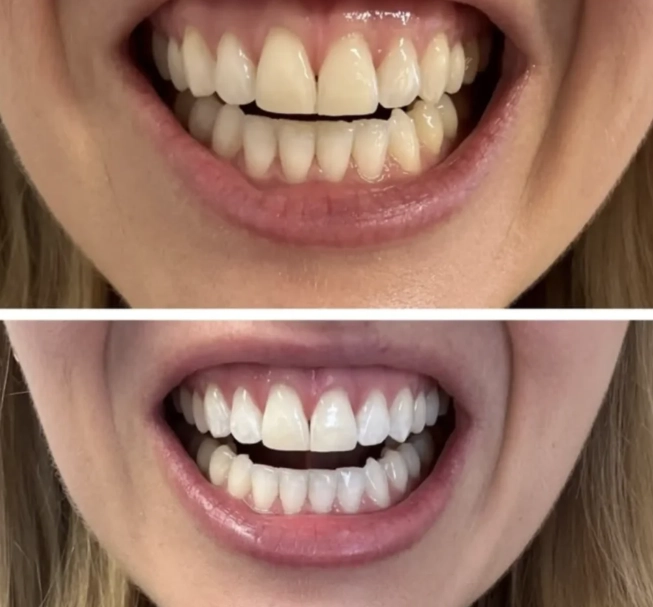
Lifestyle Tips for a Naturally Brighter Smile
Whitening isn't just about what you put on your teeth; it's about your daily habits.
- Rinse with water after consuming stain-causing drinks. Swish plain water around your mouth after coffee or wine. It dilutes the pigments and washes them away before they settle.
- Don't skip the dental cleanings. A professional cleaning every 6 months removes tartar that you simply can't brush away. This instantly makes teeth look brighter and smoother.
- Floss daily. Stains love to accumulate between teeth where your brush can't reach. Flossing removes the plaque there, preventing dark lines between your teeth.
- Consider your diet. A diet rich in calcium and phosphorus (dairy, nuts, lean meat) helps keep enamel strong and more resistant to erosion and stains.
Your Questions, Answered
The bottom line? You can absolutely brighten your smile naturally. Focus on gentle stain removal, impeccable oral hygiene, and smart prevention. Ditch the acidic DIY concoctions. Your future self—with strong, healthy, naturally whiter teeth—will thank you for taking the patient, safe route.