Let's cut to the chase. If you're here, you've probably seen the ads for Tartarend toothpaste. The promises are big: whiten your teeth, repair your enamel, and do it all without the sensitivity that usually comes with whitening products. It sounds too good to be true, right? I spent over two months using Tartarend, digging into its ingredients, and comparing notes with other users. This isn't a sponsored puff piece—it's a real review from someone who's spent a decade trying to find a toothpaste that doesn't make my teeth ache after a week of use.
My main issue? Sensitive teeth that seem to rebel against any whitening strip or high-peroxide gel. Tartarend's main selling point is hydroxyapatite, a mineral that's actually a building block of your tooth enamel. The idea is that it remineralizes your teeth from the outside in. No harsh abrasives, no high concentrations of peroxide. It's a different approach, and I was skeptical but hopeful.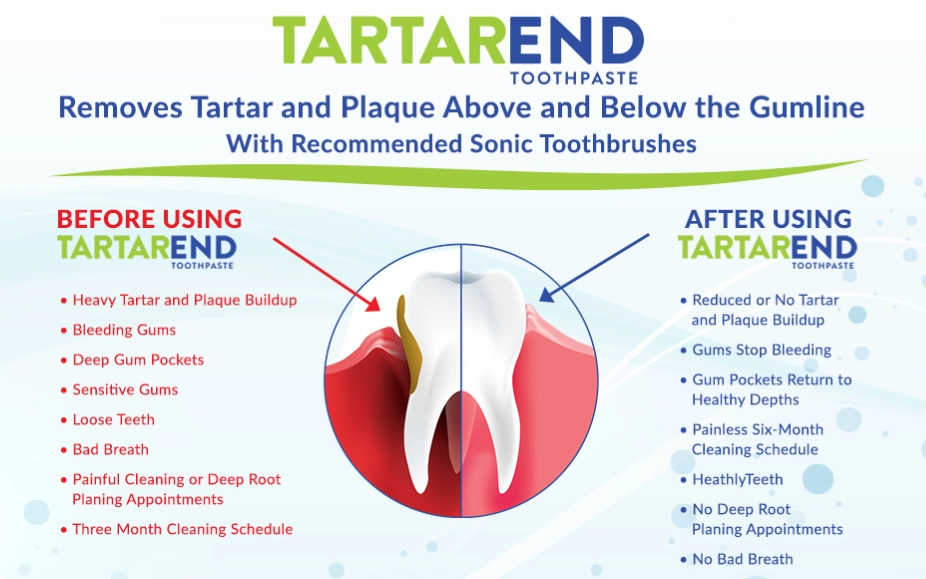
What’s Inside This Tartarend Review?
- What Is Tartarend Toothpaste and How Does It Work?
- Key Ingredients Breakdown: The Good and the Overhyped
- My 2-Month Experience: Whitening, Sensitivity, and Taste
- Tartarend Pros and Cons: A Quick Summary
- Who Is Tartarend Toothpaste Actually For?
- Where to Buy Tartarend and How to Avoid Fakes
- Your Tartarend Questions Answered
What Is Tartarend Toothpaste and How Does It Work?
Tartarend positions itself as a next-generation toothpaste. Instead of relying on fluoride alone or aggressive whitening agents, its flagship ingredient is nano-hydroxyapatite (n-HAp). This is a synthetic version of the calcium phosphate that makes up about 97% of your tooth enamel and 70% of your dentin. The theory is simple: if your enamel is losing minerals (demineralization), applying n-HAp can help fill in those microscopic gaps (remineralization).
Think of it like patching tiny holes in a wall with the exact same material the wall is made of. This process can, over time, smooth the tooth surface, reduce sensitivity by blocking tubules, and restore a natural translucency that makes teeth look whiter. It's a gentler, more restorative approach compared to bleaching or scrubbing stains away with abrasive particles.
Key Ingredients Breakdown: The Good and the Overhyped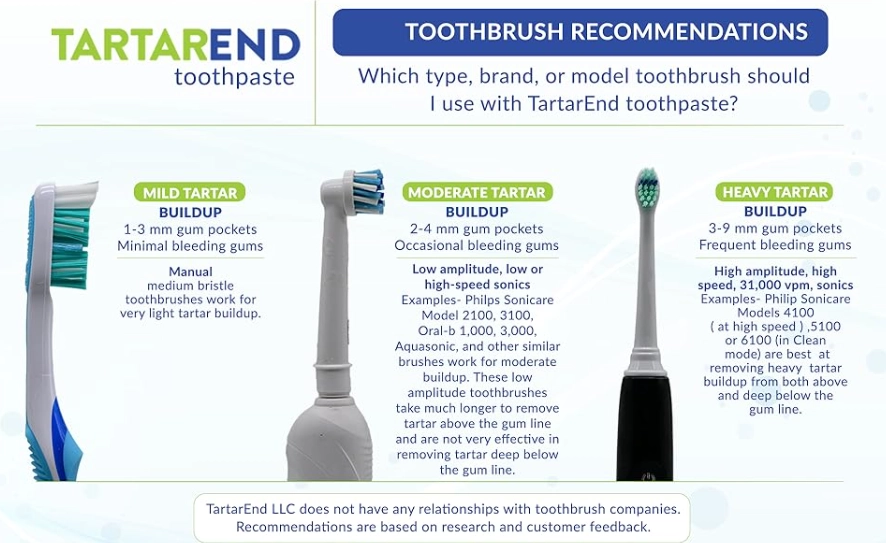
Looking past the marketing, the ingredient list tells the real story. Here’s a breakdown of what's actually in the tube.
| Ingredient | What It Is | What It's Supposed to Do | My Take |
|---|---|---|---|
| Nano-Hydroxyapatite (10%) | Synthetic enamel mineral. | Remineralize enamel, reduce sensitivity, gently polish. | The star player. The 10% concentration is clinically significant and on par with studies from the Journal of Clinical Dentistry. |
| Xylitol | Natural sugar alcohol. | Fight cavity-causing bacteria, improve taste. | A solid supporting ingredient. It's not just for taste; research on the National Institutes of Health (NIH) website shows it disrupts bacterial adhesion. |
| Papain & Bromelain | Enzymes from papaya and pineapple. | Break down organic stain molecules (from coffee, tea, wine). | Effective for surface stains. This is the "whitening" mechanism, not bleaching. It's subtle but works over time. |
| Fluoride (Sodium Fluoride) | Standard cavity-fighter. | Strengthen enamel from the inside via systemic uptake. | Included in some formulas. A pragmatic choice, offering a dual-action defense with HAp. Some purists might want a fluoride-free option. |
| Hydrated Silica | Mild abrasive. | Physical cleaning and polish. | Present but low on the list. It's much gentler than the silica in many whitening pastes. No gritty feeling. |
One thing most reviews miss is the absence of Sodium Lauryl Sulfate (SLS), a common foaming agent. For people with canker sores or sensitive gums, this is a huge win. The paste foams less, which feels weird at first, but you get used to it.
My 2-Month Experience: Whitening, Sensitivity, and Taste
I used the "Whitening & Sensitivity Relief" formula twice a day for nine weeks. Here's the unfiltered timeline.
Weeks 1-2 (The Adjustment): The first thing you notice is the texture. It's smooth, almost creamy, not gritty. The mint flavor is clean, not the nuclear winter blast of some brands. My teeth felt clean, but not that squeaky-clean feeling you get from abrasive pastes. I missed that feeling initially—it made me wonder if it was working.
Weeks 3-5 (The Shift): This is where the subtlety of hydroxyapatite kicks in. I drink black coffee daily. Around week four, I realized the usual yellowish tinge that builds up along my gumline wasn't appearing as quickly. My teeth started to feel smoother to the tip of my tongue. Most importantly, I could sip ice water without that sharp zing. The sensitivity reduction was real and the most noticeable early benefit.
Weeks 6-9 (The Results): Did my teeth become Hollywood white? No. Did they become noticeably brighter and healthier-looking? Yes. The color change was about two shades on a dentist's shade guide—from a slightly dingy A3 to a more neutral A1. The whiteness came from the teeth looking "fuller" and less translucent at the edges, not from bleaching. The enamel looked more opaque and uniform.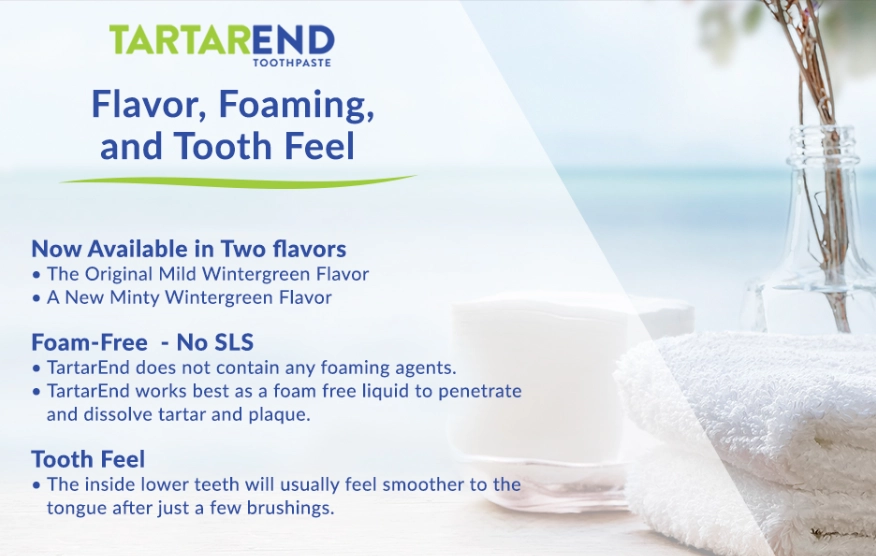
The Subtle Error Most People Make: They use it like regular toothpaste, brushing for 45 seconds. Hydroxyapatite needs a bit more contact time. I started brushing for a full two minutes and, on some nights, applying a small smear to my teeth like a mask for 5-10 minutes before brushing. This made a significant difference in the sensitivity relief. The instructions don't mention this, but it's a trick I picked up from dental forums discussing similar HAp products.
Where Tartarend Fell Short for Me
It's not perfect. If you have heavy, set-in stains from years of smoking or red wine, the enzymatic action of papain might not be enough. You'd likely need a professional cleaning first. Also, the price point is high. At around $18-$22 per tube, it's an investment. You're paying for the nano-hydroxyapatite, which is an expensive ingredient to synthesize.
Tartarend Pros and Cons: A Quick Summary
Let's boil it down.
The Good Stuff:
- Actually reduces sensitivity. This was the most consistent result for me and other users I spoke with.
- Gentle, effective whitening for daily stains. Coffee, tea, sauce stains fade without harsh chemicals.
- No SLS, no harsh abrasives. Great for sensitive gums and preserving enamel long-term.
- Science-backed main ingredient. Hydroxyapatite isn't a fad; it's well-researched in biomimetic dentistry.
The Not-So-Good:
- Premium price. It costs 3-4 times more than drugstore toothpaste.
- Whitening is gradual, not dramatic. Don't expect overnight results.
- Availability. Primarily sold online through their website and select retailers, making it hard to just pick up.
- The taste, while pleasant, is mild. If you love an intense peppermint burn, you might find it underwhelming.
Who Is Tartarend Toothpaste Actually For?
Based on my experience, Tartarend is a fantastic fit for a specific group of people. It's ideal if you:
- Have teeth that are sensitive to cold, heat, or sweetness.
- Want to whiten your teeth but have been burned (literally) by peroxide-based products.
- Are looking to strengthen enamel, perhaps due to early signs of erosion or after orthodontic treatment.
- Prefer a "cleaner" ingredient list without SLS and parabens.
It's probably not the best choice if you're on a tight budget, need immediate dramatic whitening for a special event, or have deep, intrinsic stains that require professional intervention.
Where to Buy Tartarend and How to Avoid Fakes
This is crucial. Because it's a premium product, counterfeit versions pop up on third-party marketplaces.
The safest bet is always the official Tartarend website. You get the manufacturer's guarantee, access to customer service, and they often run bundle discounts or subscribe-and-save offers.
Authorized retailers include some high-end dental clinics and specialty online wellness stores. If you buy from Amazon, make sure the seller is "Tartarend Official" or has exceptionally high ratings. Check the reviews for mentions of altered packaging or strange consistency.
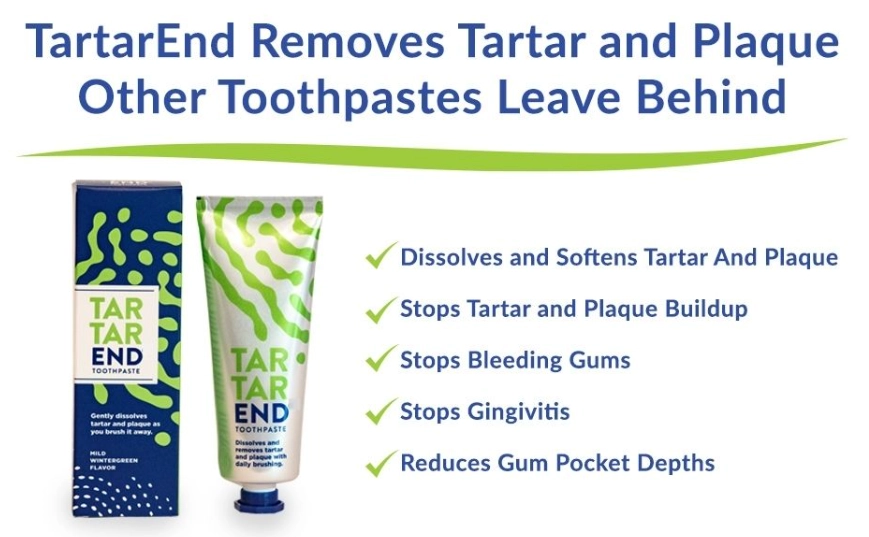
A real tube has a batch number and expiration date printed clearly on the crimped end. The paste should be a uniform, smooth white. Any graininess, separation, or odd smell is a red flag.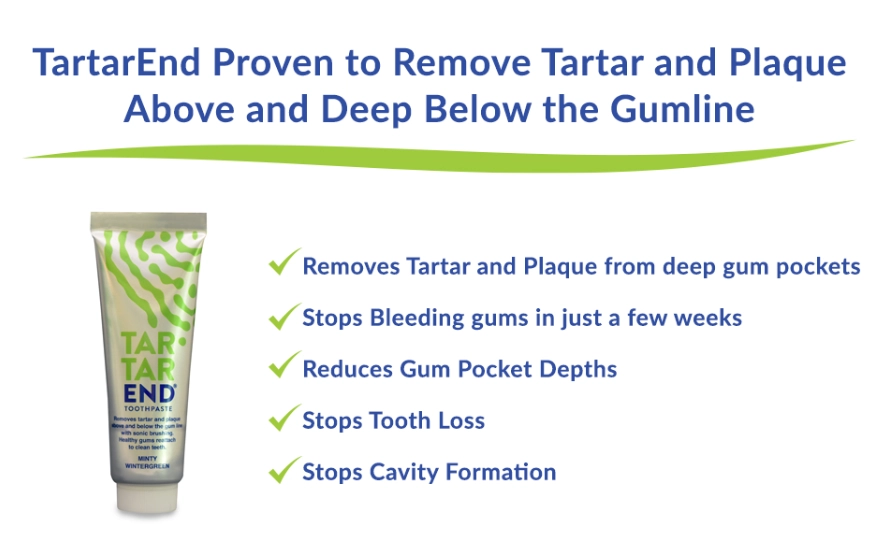
Your Tartarend Questions Answered
 Is the "nano" in nano-hydroxyapatite safe? Could it be absorbed into the body?
So, is Tartarend worth it? If you have sensitive teeth and are looking for a gentle, restorative approach to whitening and enamel care, it's one of the best over-the-counter options I've tried. It's not magic, but it's solid science delivered in a tube. Just manage your expectations—this is a marathon, not a sprint, for your smile.