Let's cut to the chase. You're here because you've seen the ads or heard the buzz about TartarEnd toothpaste. It promises to soften and remove tartar buildup at home, saving you a trip to the dentist for a scaling. Sounds almost too good to be true, right? I spent years dealing with persistent tartar, especially behind my lower front teeth, and I was skeptical too. So, I looked past the marketing and dug into the science, the ingredients, and real-world experiences.
Here's the straight answer: TartarEnd toothpaste can work to help manage and soften tartar, making it easier to remove with thorough brushing and potentially slowing down new buildup. But it's not a magic wand. It won't dissolve rock-hard, years-old calculus in a week, and it's absolutely not a replacement for professional dental cleanings.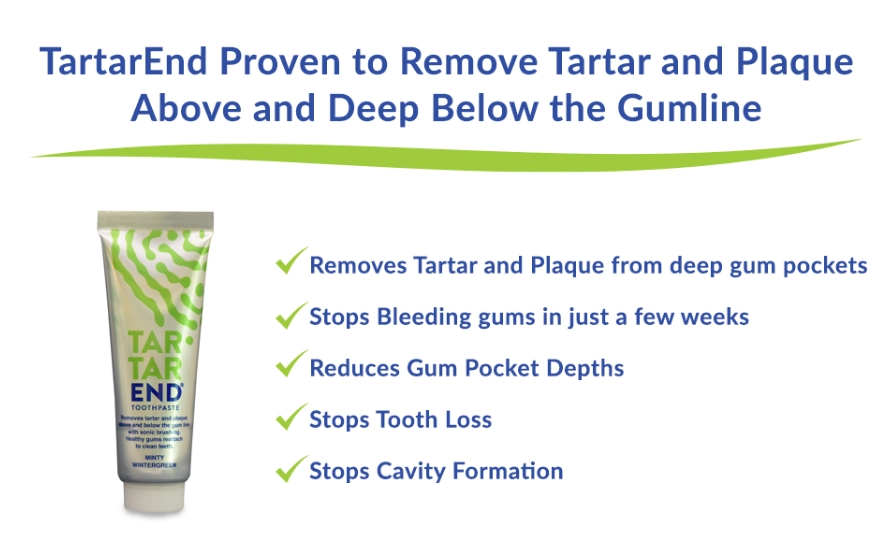
Think of it more as a proactive maintenance tool rather than a cure-all. If you're expecting a dramatic, scraping-off-plaque effect, you'll be disappointed. If you're looking for a toothpaste with a unique approach to tartar control to use between cleanings, it might be worth a try.
What You'll Find in This Deep Dive
- What Exactly Is Tartar (Calculus), and Why Is It a Problem?
- How TartarEnd Toothpaste Claims to Work
- What Are the Key Ingredients in TartarEnd?
- Real-World Results: What Can You Actually Expect?
- The Honest Pros and Cons of Using TartarEnd
- How to Use TartarEnd Toothpaste for Best Results
- Is TartarEnd Toothpaste Safe for Daily Use?
- TartarEnd vs. Professional Cleaning: The Critical Difference
- Your TartarEnd Questions, Answered
What Exactly Is Tartar (Calculus), and Why Is It a Problem?
First, we need to understand the enemy. Plaque is that soft, sticky film of bacteria that forms on your teeth constantly. If you don't brush it away thoroughly (and let's be honest, we all miss spots), it mineralizes. Saliva contains calcium and phosphate, and these minerals harden the plaque into a cement-like substance called tartar or calculus.
Once it's tartar, you can't brush or floss it off. It's locked on. According to the American Dental Association (ADA), this hardened deposit creates a rough surface that attracts more plaque, creating a vicious cycle. This leads to inflamed gums (gingivitis), bad breath, and can eventually progress to bone loss (periodontitis). Tartar is a primary reason for regular dental cleanings—the hygienist uses specialized tools to scale it off.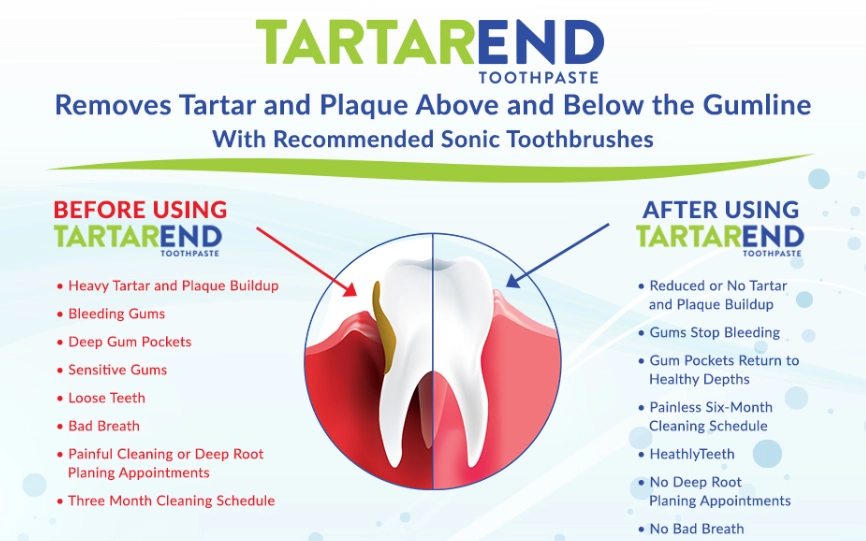
How TartarEnd Toothpaste Claims to Work
TartarEnd doesn't claim to blast away tartar with abrasives. Instead, its mechanism is based on chelating agents and enzymes. The idea is to soften the bonds that hold the calcium and phosphate minerals together in the tartar matrix. By weakening this structure, the tartar becomes less adherent. Then, with mechanical action from brushing, some of this softened material can be dislodged.
It also aims to create an oral environment that's less conducive to plaque mineralizing in the first place. It's a two-pronged approach: attack existing buildup and prevent new formation.
What Are the Key Ingredients in TartarEnd?
This is where we separate hype from substance. Let's break down the active players in TartarEnd's formula.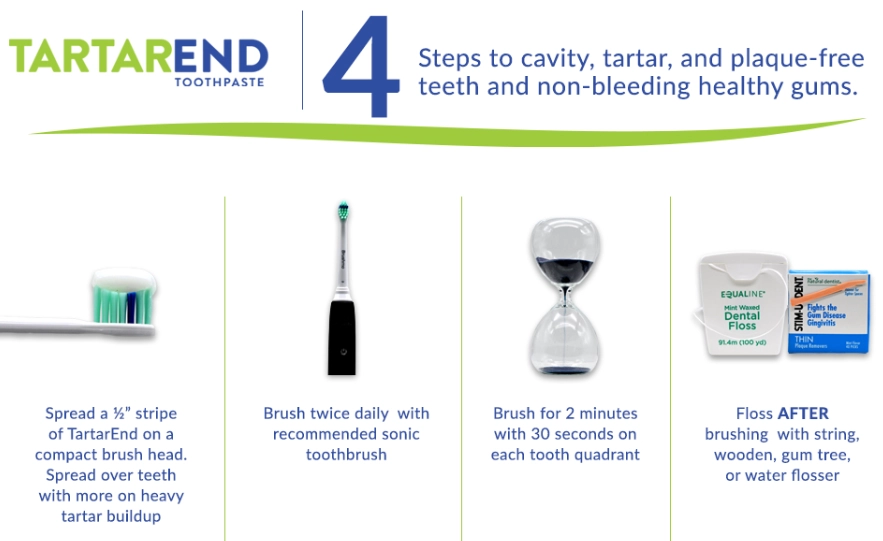
| Ingredient | What It Is / Does | Role in Tartar Control |
|---|---|---|
| Zinc Citrate | A chelating agent and antimicrobial. | Binds to calcium, potentially helping to disrupt the tartar structure. Also helps reduce plaque bacteria. |
| Papain (from Papaya) | A proteolytic enzyme. | Breaks down proteins in the plaque biofilm, which may help destabilize the matrix that holds tartar together. |
| Sodium Bicarbonate (Baking Soda) | Mild abrasive and pH buffer. | Provides gentle cleaning action and helps neutralize acid in the mouth, creating a less favorable environment for plaque. |
| Aloe Vera | Soothing plant extract. | May help calm gum irritation. Not directly anti-tartar, but addresses gum health. |
The combination of zinc citrate and papain is the core of its anti-tartar claim. Chelation isn't a new concept in dentistry—it's used in some root canal irrigants and cleaning solutions. Applying it in a toothpaste for daily use is the novel part.
A common mistake people make is looking for immediate, gritty abrasion. TartarEnd doesn't feel gritty. Its action is chemical and enzymatic, which is why patience is required.
Real-World Results: What Can You Actually Expect?
I used TartarEnd for about two months, focusing on my usual trouble spots. Here's what happened, stripped of exaggeration.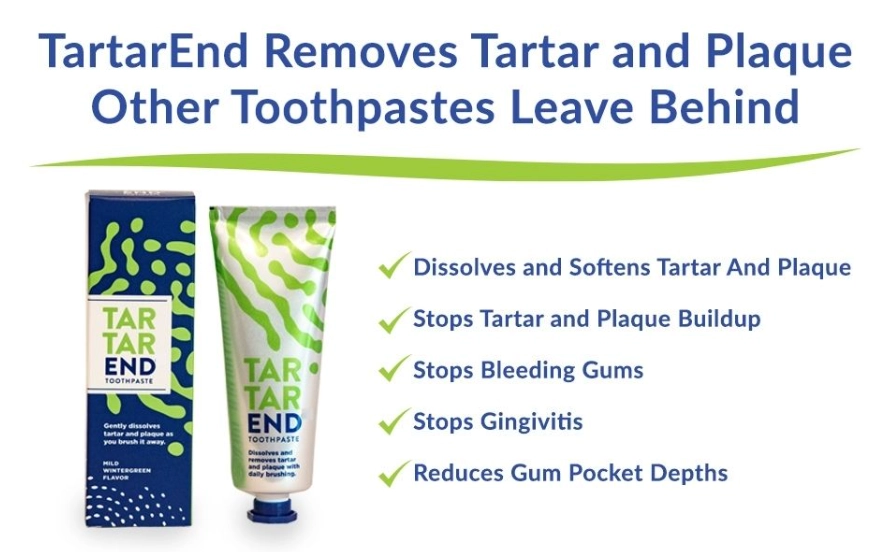
The first two weeks: Honestly, not much. My teeth felt clean, the taste was mild (a bit medicinal), but I didn't see chunks of tartar falling off. This is where many users give up.
Weeks three to six: This is where I noticed a change. The rough edges of the small tartar deposits behind my lower teeth started to feel smoother. Not gone, but less pronounced. When I brushed, I could sometimes feel a slight, gritty residue on my toothbrush that wasn't there before—this was likely the softened tartar material. The area felt cleaner for longer after brushing.
The limitation: A larger, older deposit near a molar didn't budge. It felt the same. This aligns with the consensus that established, thick calculus needs professional intervention.
Scouring user reviews and dental forums reveals a similar pattern. Users with light to moderate, newer tartar report the best outcomes—smoother teeth, less noticeable buildup between cleanings. Those with heavy calculus are often disappointed. The effect is subtle and cumulative.
The Honest Pros and Cons of Using TartarEnd
Let's lay it out plainly.
Potential Pros:
- Non-abrasive approach: It doesn't rely on harsh scrubbing, which is better for tooth enamel.
- May extend time between cleanings: For some, it can help manage buildup, so you might go 7-8 months instead of 6 before needing a scale.
- Focus on gum health: Ingredients like aloe vera and the absence of SLS (sodium lauryl sulfate) can be gentler on sensitive gums.
- Unique mechanism: The chelation/enzyme strategy is different from most anti-tartar pastes, which are just higher in abrasives.
The Cons and Caveats:
- Slow, subtle results: This is not an overnight solution. It requires consistent, long-term use.
- Will not remove established tartar: If you have significant buildup, see a hygienist first. Use TartarEnd for maintenance afterward.
- Can cause sensitivity for some: The chelating action, while gentle on enamel, may temporarily increase sensitivity in some users as it interacts with exposed dentin.
- Taste and texture: Some find the taste odd and miss the foaming action of regular toothpaste (it's SLS-free, so it foams less).
How to Use TartarEnd Toothpaste for Best Results
Using it wrong will lead to disappointment. Here's the method that worked for me.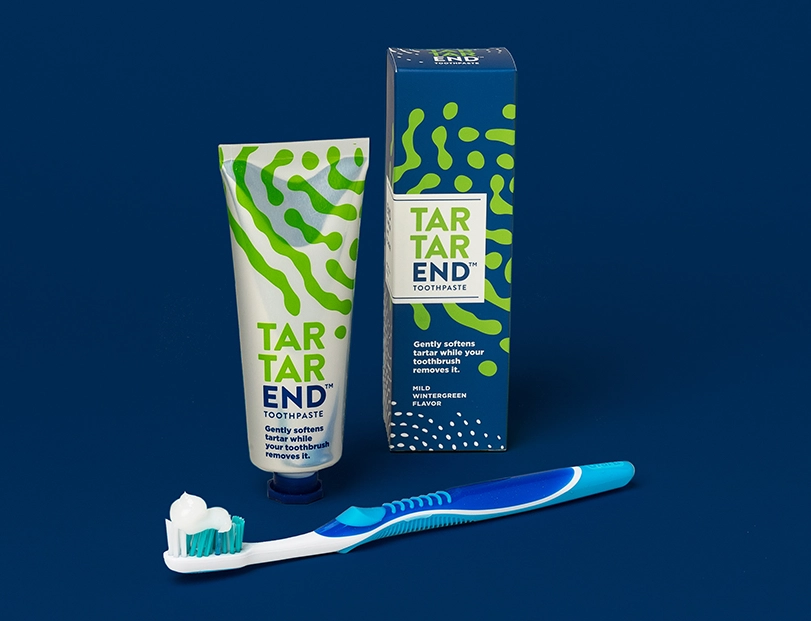
1. Start with a clean slate. If possible, get a professional dental cleaning first. Using TartarEnd on already clean teeth allows it to work on preventing new buildup from hardening.
2. Apply on a dry or damp brush. The company suggests a dry brush. I found a slightly damp brush worked fine and helped spread the paste.
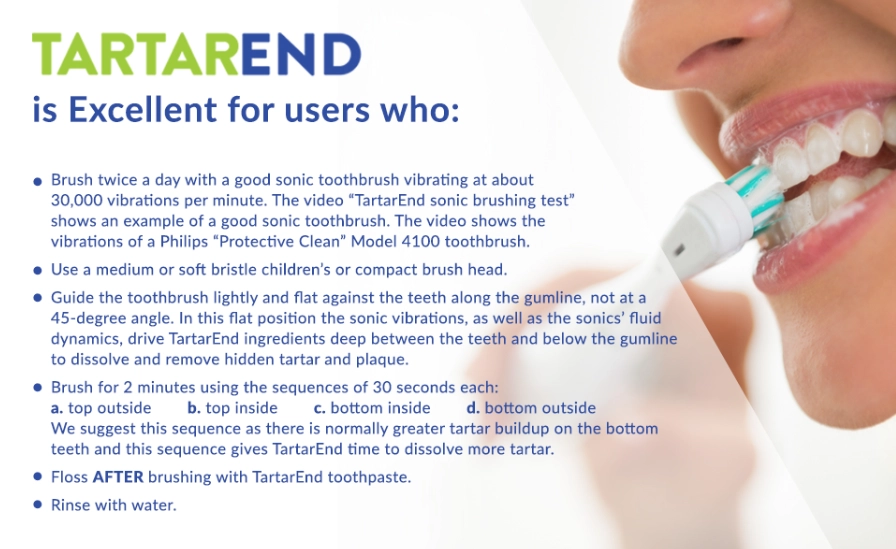
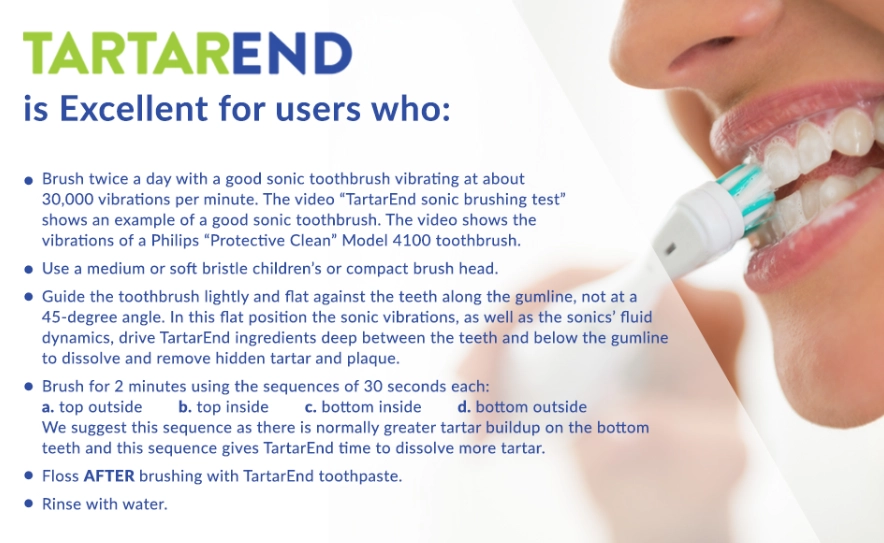
3. Brush thoroughly for two full minutes. This is non-negotiable. Pay extra attention to the tartar-prone areas: behind lower front teeth, the cheek-side of upper molars.
4. Let it sit. After brushing, try not to rinse immediately with water. Just spit out the excess. Let the residual ingredients stay on your teeth for a few minutes to continue working. You can then rinse lightly if needed.
5. Be patient and consistent. Use it twice daily. Don't expect visible changes for at least 3-4 weeks.
Is TartarEnd Toothpaste Safe for Daily Use?
Based on its ingredient list, it appears safe for daily use by most adults. The absence of SLS and parabens is a plus for those with sensitivities. The chelating agents are used in low concentrations deemed safe for oral use.
However, if you have extreme tooth sensitivity, severe gum recession, or are under treatment for periodontal disease, it's wise to show the tube to your dentist before starting. They can assess if the formulation is right for your specific oral condition.
A subtle point often missed: if you have many old, leaky amalgam (silver) fillings, the long-term use of a chelating agent right on them theoretically could be a concern, though no studies confirm this for toothpaste-level exposure. It's a question worth asking your dentist.
TartarEnd vs. Professional Cleaning: The Critical Difference
This is the most important section. You must understand this distinction.
Professional Dental Cleaning (Scaling): A dental hygienist uses ultrasonic scalers and manual curettes to mechanically fracture and remove all tartar, both above and below the gumline. This is a definitive, physical removal procedure. It is essential for treating and preventing gum disease.
TartarEnd Toothpaste: This is a chemical and enzymatic aid that softens and helps manage tartar, primarily above the gumline. It cannot reach or affect subgingival tartar (below the gums), which is the most dangerous kind.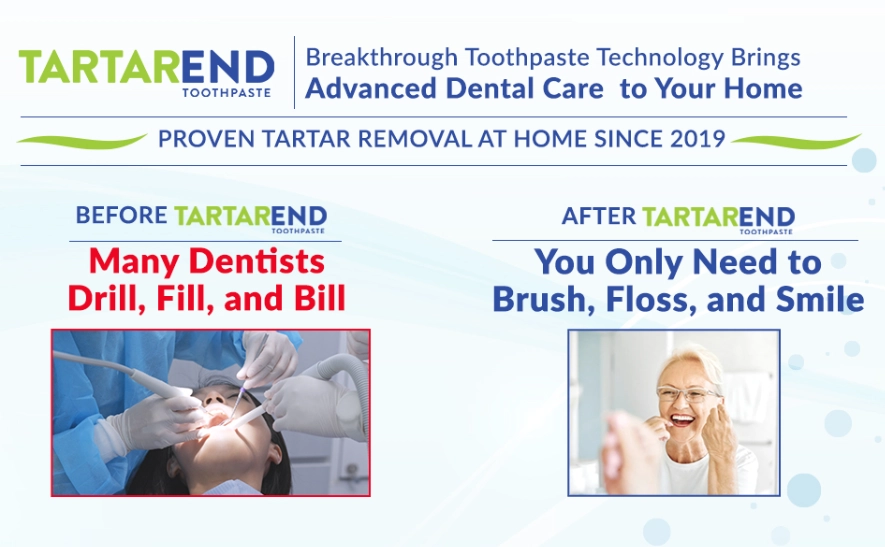
Your TartarEnd Questions, Answered
 Is TartarEnd better than a high-abrasive toothpaste like a whitening paste for tartar?
So, does TartarEnd toothpaste work? It works as an interdental maintenance aid. It won't perform miracles, but for the right person—someone with a tendency for soft to moderate tartar buildup looking for a non-abrasive tool to use between professional cleanings—it can be a useful part of an oral hygiene routine. Manage your expectations, use it correctly, and always keep your dentist in the loop. Your best defense against tartar remains the combination of expert professional care and consistent, effective daily hygiene.