Let's be honest, the idea of wisdom teeth recovery often sounds worse than the procedure itself. You've heard the horror stories about swollen cheeks, endless pain, and surviving on mashed potatoes for a week. I've seen it all in my practice—patients who breeze through it and others who struggle with every bite. The difference usually comes down to knowing what to do (and what not to do) in those critical first few days.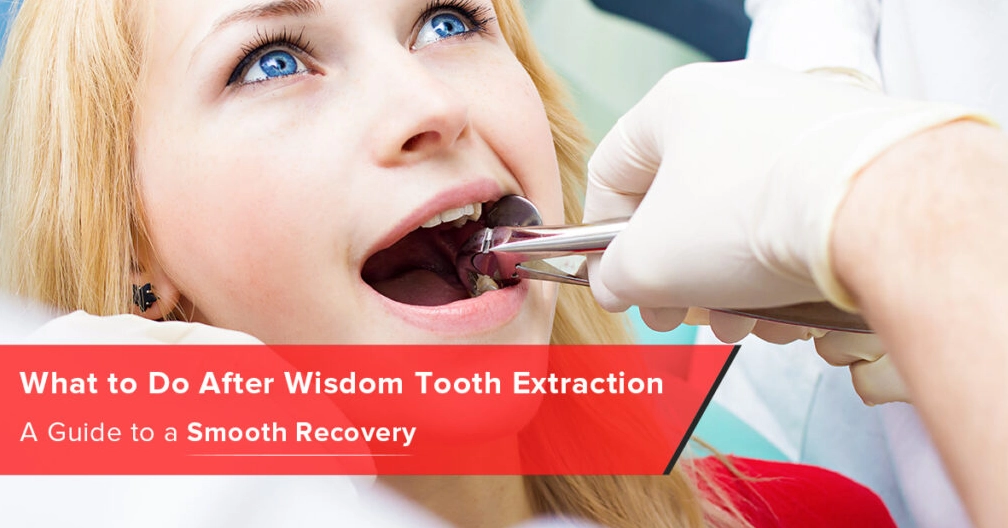
This guide isn't just a rehash of the standard handout your surgeon gives you. We're going deeper. We'll cover the ten non-negotiable tips that actually work, bust some common myths, and I'll share a few insights I've picked up that most generic articles miss. The goal is simple: to turn a potentially rough week into a manageable, predictable healing process.
What's Inside: Your Recovery Roadmap
- Master the First 24 Hours: Ice and Rest Are Everything
- Your Post-Op Diet: What to Eat (and What to Avoid)
- Pain Management That Actually Works
- The Critical Art of Oral Hygiene After Surgery
- Understanding Your Recovery Timeline Day-by-Day
- Red Flags: When to Call Your Surgeon Immediately
- FAQ: Your Top Wisdom Teeth Recovery Questions Answered
Master the First 24 Hours: Ice and Rest Are Everything
The clock starts ticking the moment you leave the clinic. Your body's initial response is inflammation—that's the swelling you see. It's normal, but controlling it is your top priority.
The Ice Protocol: Don't just hold an ice pack to your face. Use a thin cloth as a barrier (to avoid ice burn) and apply it to your cheeks in a cycle: 20 minutes on, 20 minutes off. Do this religiously for the first 36-48 hours. A common mistake? Stopping too early. Even if you feel okay, keep icing. It's the single most effective way to reduce initial swelling and subsequent pain.
Rest, But Not Flat: You need to sleep, but lying completely flat can increase throbbing and swelling. Prop yourself up with a few extra pillows. This keeps your head elevated, which helps drain fluids away from the surgical sites. Think of it as creating a gentle downhill slope for the inflammation.
Your Post-Op Diet: What to Eat (and What to Avoid)
This is where people get creative—and sometimes get into trouble. The rule is simple: cool, soft, and bland. No straws. Ever. The suction can dislodge the blood clot forming in the socket, leading to a painful condition called dry socket.
Best Foods for the First 3 Days
- Cool Blended Soups: Butternut squash, tomato (cooled), or potato leek. Avoid anything with chunks or that needs to be eaten hot.
- Greek Yogurt & Applesauce: Packed with protein and easy to swallow. Choose plain yogurt to avoid sugary additives.
- Smoothies: A lifesaver. But blend them spoon-thick and eat with a spoon. No straws! Load them with yogurt, banana, and spinach (you won't taste it).
- Mashed Potatoes/Avocado: Comfort food that requires zero chewing.
The Temptation to Avoid: As you start feeling better around day 3 or 4, you'll crave real food. Resist anything crunchy, spicy, acidic, or hot (like pizza, chips, or curry). These can irritate the sockets or get lodged in them. I once had a patient who felt great on day 4 and ate spicy ramen. The next day's visit was not pleasant.
Pain Management That Actually Works
You will have discomfort. The key is staying ahead of it. Take your prescribed pain medication before the local anesthetic fully wears off. If you're prescribed ibuprofen (like Advil) alongside a stronger painkiller, take them as directed. Ibuprofen is an anti-inflammatory, so it attacks the swelling, which is a root cause of the pain.
The Switch to Heat: After 48 hours, switch from ice to gentle, moist heat. A warm (not hot), damp washcloth held to your jaw can soothe aching muscles and promote blood flow for healing. This is a subtle shift most people miss, but it makes a world of difference for that stiff, sore jaw feeling.
The Critical Art of Oral Hygiene After Surgery
This is the most anxiety-inducing part for many. You're told not to rinse vigorously, but you also can't let food and bacteria fester. Here's the safe way.
Day 1: No rinsing at all. Just let the sites be. You can gently brush the teeth in the front of your mouth, avoiding the surgical areas.
Day 2 Onwards: Begin very gentle rinsing. Mix 1/2 teaspoon of salt with 8 ounces of warm water. Lean over the sink, let the solution pool in your mouth, and then let it fall out passively by tilting your head. No swishing, no spitting. Do this after every meal and before bed.
A major misconception is that you should avoid the area completely. By day 3, you can start to very carefully brush the biting surfaces of the teeth next to the extraction sites. Avoiding the gums, but clearing plaque from nearby teeth prevents infection.
Understanding Your Recovery Timeline Day-by-Day
Knowing what's normal reduces panic. Here’s a typical roadmap. Remember, everyone heals at a different pace, and impacted tooth removals take longer than straightforward ones.
| Day(s) | What to Expect | Your Action Plan |
|---|---|---|
| 1-2 | Peak swelling, discomfort, bleeding/oozing. Jaw stiffness. | Ice 20min on/off. Rest elevated. Liquid/soft diet. Take meds as scheduled. No rinsing. |
| 3-4 | Swelling and pain should start to decrease. Bruising may appear. Stiffness persists. | Switch to moist heat. Begin gentle saltwater rinses. Gradually add semi-soft foods (scrambled eggs, oatmeal). |
| 5-7 | Major improvement. Most swelling and pain subsides. Sockets begin to fill with soft tissue. | You can often return to light work/school. Continue careful chewing on opposite side. Maintain gentle hygiene. |
| 1-2 Weeks | Minimal discomfort. Sockets are healing but still have a “hole.” Jaw movement almost normal. | Can usually resume most normal foods (avoiding extreme crunch). Final sutures may dissolve or be removed. |
| Several Weeks | Complete gum tissue healing. Bone underneath continues to remodel for months. | No special care needed. The “holes” will gradually smooth over. |
Red Flags: When to Call Your Surgeon Immediately
Most recoveries are straightforward. But you need to know the warning signs that something's off. Don't google your symptoms and panic—just call your dental office.
- Throbbing Pain That Worsens After Day 3: This is the hallmark of dry socket. The pain often radiates to your ear and isn't well-controlled by medication.
- Fever Over 101°F (38.3°C): A low-grade fever (99-100°F) can be normal on day 1. A higher fever suggests infection.
- Excessive Bleeding: If bright red blood continues to flow (not just ooze) after applying firm pressure with gauze for 30-45 minutes.
- Pus or Foul Taste/Smell: Clear signs of an infection in the socket.
- Numbness That Persists: Lingering numbness in your lip, chin, or tongue beyond the day of surgery.
- Difficulty Breathing or Swallowing: This is rare but serious—seek immediate medical attention.
Trust your gut. If something feels seriously wrong, it's better to get it checked.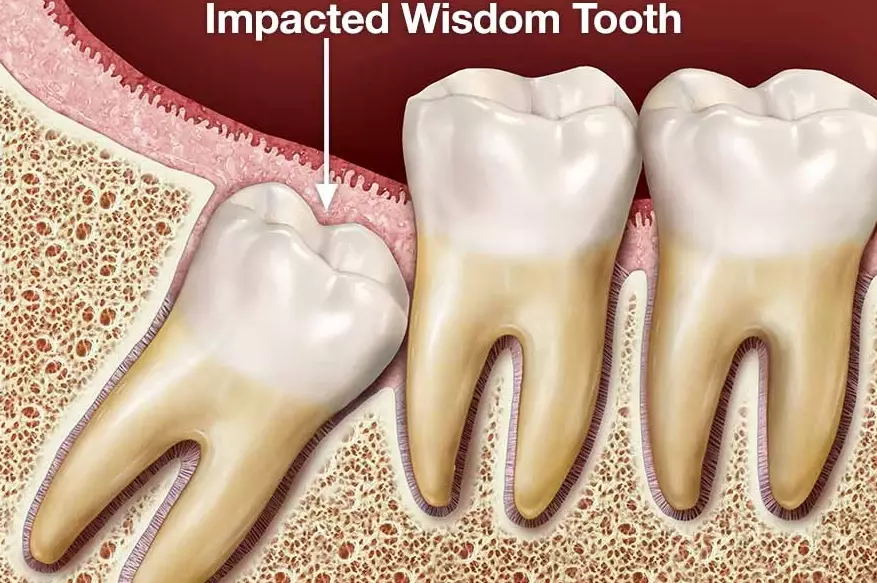
FAQ: Your Top Wisdom Teeth Recovery Questions Answered
 Recovering from wisdom teeth surgery is a process, not an event. By following these evidence-based tips—especially the timing of ice-to-heat transition and mastering gentle hygiene—you give your body the best possible environment to heal quickly. Listen to it, be patient, and don't rush the milestones. Before you know it, you'll be back to eating all the crunchy foods you missed, hopefully with a healthier, more comfortable mouth.
For more detailed surgical aftercare instructions, the American Association of Oral and Maxillofacial Surgeons (AAOMS) provides excellent patient resources.